Páginas

lunes, 29 de mayo de 2023

Curry house CoCo Ichibanya has 1,247 branches in Japan, but only one has this special topping

https://ift.tt/mC3MzRr Casey Baseel

Tokyo’s biggest student town has a special CoCo Ichi menu item all its own.

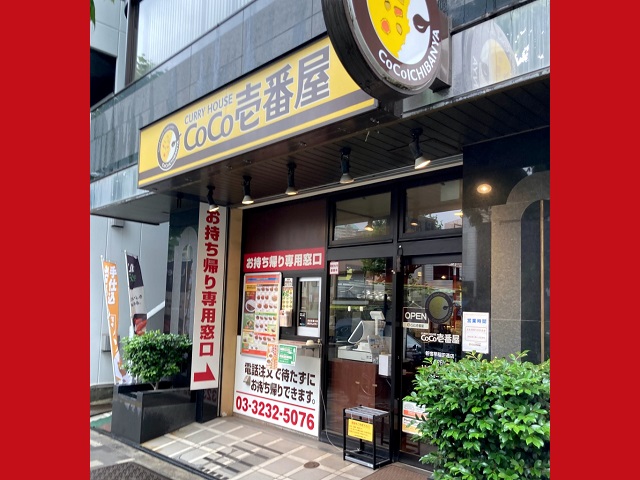
Curry rice restaurant chain CoCo Ichibanya has hundreds of branches in Japan, but one of the best-loved is the one on Waseda-dori in Tokyo’s Shinjuku Ward. The nearby neighborhoods of Waseda and Takadanobaba are home to multiple university campuses, specialty schools, and language academies, and with curry rice being an affordable, delicious, and filling meal, you can always count on a steady flow of students popping into CoCo Ichi for lunch or dinner.

Even if you’re not attending classes in the area, though, there’s still a compelling reason to go to the Waseda CoCo Ichi for your curry fix: out of the 1,247 CoCo Ichi branches in Japan, there’s a special type of curry that’s only served at Waseda’s.
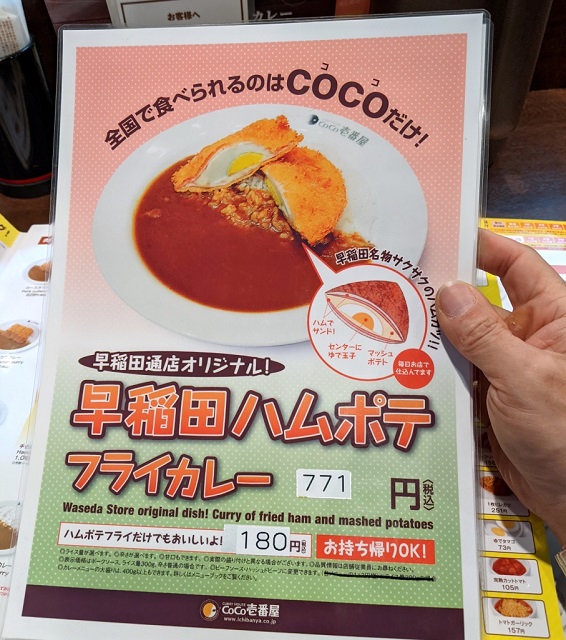
It’s called the Waseda Fried Ham and Mashed Potato Curry, or the Waseda Hamupotefurai Curry if you’re ordering in Japanese. Topping your plate of rice and CoCo Ichi’s familiar pork curry roux is a fried disc with a boiled egg at the center. The egg is encased in mashed potato, which is then wrapped in ham and deep-fried.

At 771 yen (US$5.70), the Waseda Hamupotefurai is as affordable as it is tempting, and so we quickly ordered a plate. One we had it in front of us, we were happy to see that our hamupotefurai (as we’re going to call the croquette-like topping) was even thicker than the one in the menu photo.
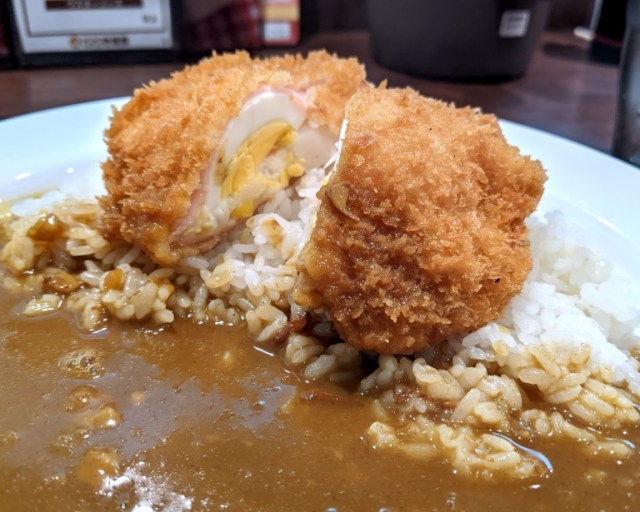
Also, since the hamupotefurai is exclusive to the Waseda CoCo Ichi, they make them right there in the kitchen, not as a central processing plant for the chain.
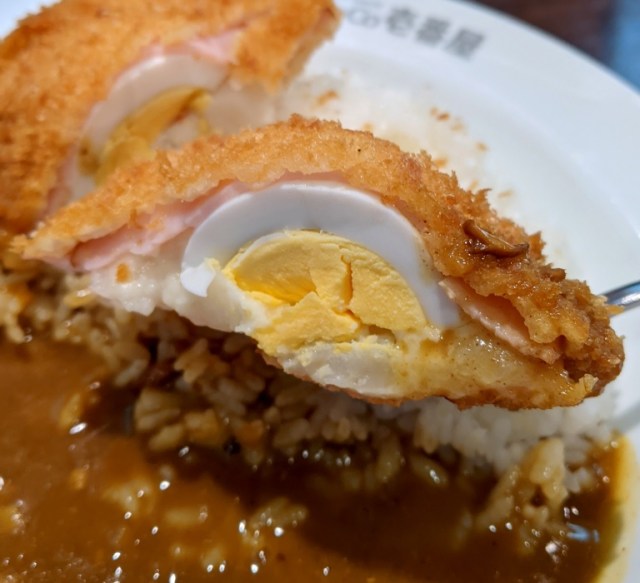
We took a bite, and it was wonderful, with the crispness of the breading giving way to the softer inside, curry seeping into the potato and egg and infusing them both with the spicy, savory, and sweet notes that make Japanese curry so giddily delicious. Add in the meaty flavor from the ham, and you couldn’t ask for any singular more satisfying mouthful than this.

There’s one thing to watch out for, though. The hamupotefurai goes so well with the curry roux that you might momentarily forget about the rice. This can through off your pacing, causing you to alternate between hamupotefurai and roux but leaving the rice out of the rotation, so that your run out of roux while you’ve still got rice remaining. So we were happy to learn that CoCo Ichi will give you a refill of roux at a reduce price (145 yen).
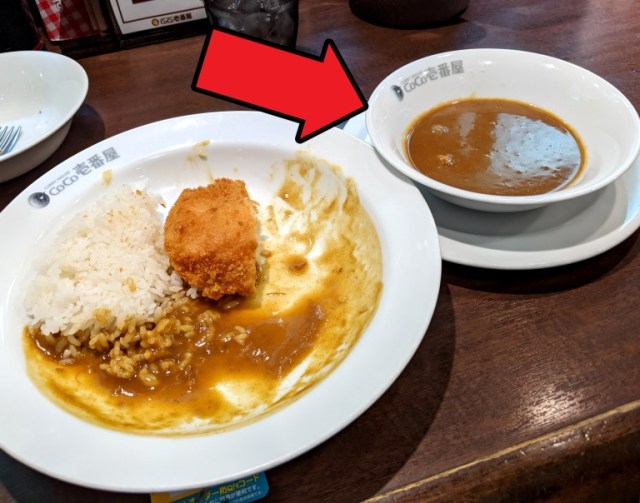
Thanks to this supplementary curry supply, we were back in business, and even with our complete lack of restraint, we had plenty of roux all the way through to our very last bite.

Another hospitable offer from CoCo Ichi is that you can order the hamupotefurai croquette by itself, to-go, for 180 yen, from the window next to the restaurant’s entrance. So whether you want extra curry like us, or even no curry at all, the Waseda CoCo Ichi is definitely worth going to next time you’re hungry.

Restaurant information
CoCo Ichibanya (Shinjuku Waseda-dori branch) / CoCo壱番屋(新宿早稲田通り店)
Address: Tokyo-to, Shinjuku-ku, Nishi Waseda 2-18-23
東京都新宿区西早稲田二丁目18-23
Open 11 a.m.-10 p.m.
Website

Photos ©SoraNews24
● Want to hear about SoraNews24’s latest articles as soon as they’re published? Follow us on Facebook and Twitter!

What’s it like to work as a hearse driver in Japan?【Interview】

https://ift.tt/sjmbfNG Master Blaster

Making a living from driving the dead around.

There are likely very, very… very few kids who say they want to be a hearse driver when they grow up. And yet, when you think about it, it’s probably a pretty decent job to have. There’s always a steady flow of work and everything tends to move at a relaxed pace.

Then again, I could be wrong because I, like many people, don’t really know everything that goes into being a hearse driver. Neither did our Japanese-language writer Go Hatori, so he got in touch with one and learnt the ins and outs of one of society’s often overlooked vocations.

Go spoke with 42-year-old Mr. K, an experienced hearse driver ready to spill the prayer beads about everything the job entails from how it feels to how much it pays.

Go: Hello, Mr. K. What kind of company to you belong to?

Mr. K: I work for a company that mainly deals with the transportation of corpses by hearse.

Go: So, you don’t work for a funeral home?

Mr. K: “It’s a common misconception that I’m a driver for a funeral home, but my company is mostly responsible for transporting the deceased. Large funeral homes might have their own in-house hearse and sleeper car to handle transportation themselves, but recently there are many funeral homes that don’t have cars.

By the way, the funeral home is the business that handles all of the funeral arrangements and proceedings. They are the first point of contact with bereaved families, so in our industry they’re like major advertising agencies.

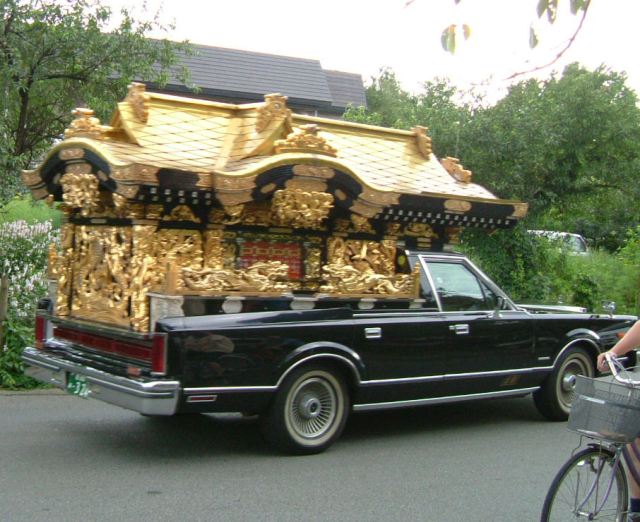
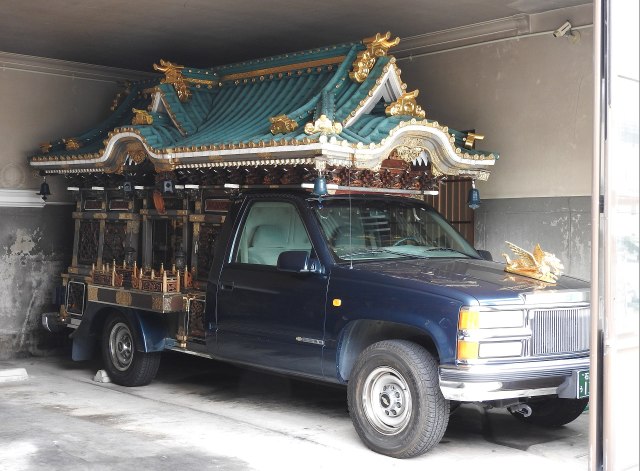
▼ A “sleeper car,” or “shindaisha,” is the Japanese term for a type of first-call vehicle used to transport bodies for non-ceremonial usage. Shindaisha usually resemble normal vans, while the more ornate type of hearses, such as the one pictured below, are called “reikyusha” (“casket cars”) and are used to transport the body to the crematorium following the funeral service.

Image: Wikipedia/MathieuMD

Go: What lead you to work as a hearse driver?

Mr. K:”I wanted to work as a driver, so I originally just started looking around at those kinds of jobs.

Go: What kind of work does the job entail?

Mr. K: The job is basically picking up a corpse at the request of a funeral home. They can either be picked up at a hospital, retirement home, police station, or their own home. I just follow the funeral home’s instructions.

Sometimes, my company with take care of the body and other times I take the deceased to their own home. Recently, it’s more common for us to take the body to our company and then transport it to the crematorium later.

Also, if the deceased is left with our company, we can make arrangements for the family to visit.

Go: You take them to their homes sometimes?

Mr. K: “Not very often, but when I do, it’s usually a pretty big home when I do.

Go: What kind of hours do you work?

Mr. K: We have a total of 30 drivers and basically we work in shifts. Of course, that includes graveyard shifts.

Go: What kind of structure does your company have?

Mr. K: Basically, two or three people will be standing by at the office and when a call comes in they’ll take out a car. While waiting, they’ll answer the phone, prepare for visits by the bereaved, and apply dry ice to the bodies if requested to do so by the funeral home.

Go: It seems like a hard job.

Mr. K: Everyone always asks me, ‘It looks like a hard job. Are you OK?” But, you get used to it after about three months. However, I do get sad when I have to transport a young person who took their own life.

Go: What things do you really need to be careful about?

Mr. K: When we get a request to take someone from a funeral home, we really need to be punctual. Because of that, we need to be on time even if there’re traffic jams or construction, so I study the roads extremely well to always arrive on time.

Also, the hearse is very long and wide, so it requires some advanced driving skills. Narrow roads can be very difficult and if you don’t know them well, you’re screwed.

Other things are knowing the polite things to say to the bereaved and staff at the funeral home, as well as smoothly moving the deceased from the bed to the stretcher so it doesn’t make a sound.

Image: Wikipedia/Ümit Yaldiz

Go: If you don’t mind me asking, how much do you make?

Mr. K: My take-home salary is about 250,000 yen (US$1,777) a month.

Go: What is your honest feeling about this kind of work and what do you think it’ll be like in the future?

Mr. K: I’ve had a few different jobs so far but this one is very rewarding and I feel very appreciated by people. As far as driver jobs go, it’s the one where I’ve felt the most appreciated.

But there are problems. Currently, there are a lot of older drivers and very few young drivers. Hearse driving also takes years of training, so people can’t just jump into it. That and the fact that people tend to shy away from jobs like this mean there may be far fewer hearse drivers in the future.

We’d like to thank Mr. K for his candor and unique insight into the world of hearse driving in Japan. Stay tuned for the next edition of “Curious Job Interview” to learn more about Japan’s lesser known occupations!

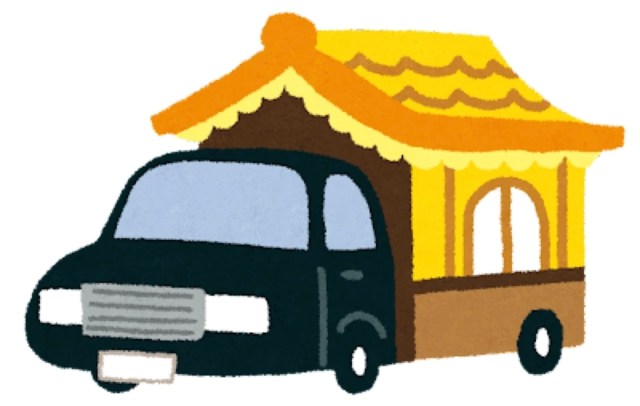
Top image: Irosutoya
● Want to hear about SoraNews24’s latest articles as soon as they’re published? Follow us on Facebook and Twitter!
Beautiful new line of Sailor Moon shoes feature “360-degree cuteness”【Photos】

https://ift.tt/qDxa8ci Casey Baseel

New line from anime-inspired fashion design house comes as anime movie series approaches its climax.

The upcoming two-part Sailor Moon Cosmos theatrical anime is, technically, a story that’s been told before. Part of the series’ ongoing animated remake, Cosmos is a new adaptation of the Stars arc of the Sailor Moon manga, which previously served as the basis for the Sailor Stars portion of the ‘90s anime.

But even for fans who already know what’s going to happen, Cosmos is an exciting release with the potential to be one of the best-looking piece of Sailor Moon animation yet produced. And arriving at just about the same time is a new fashion collaboration with arguably the most beautiful Sailor Moon shoes ever seen.

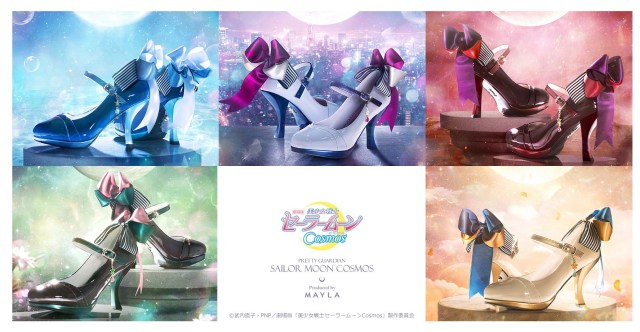
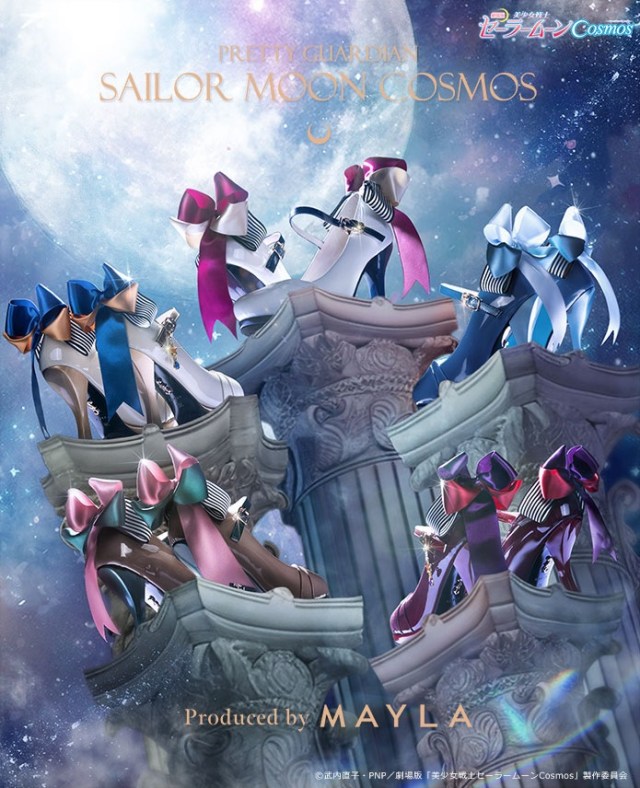
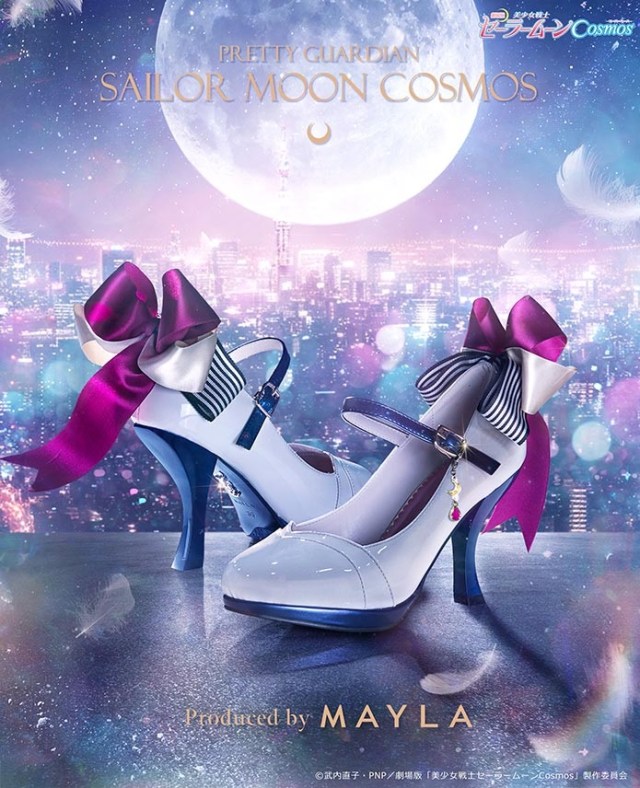
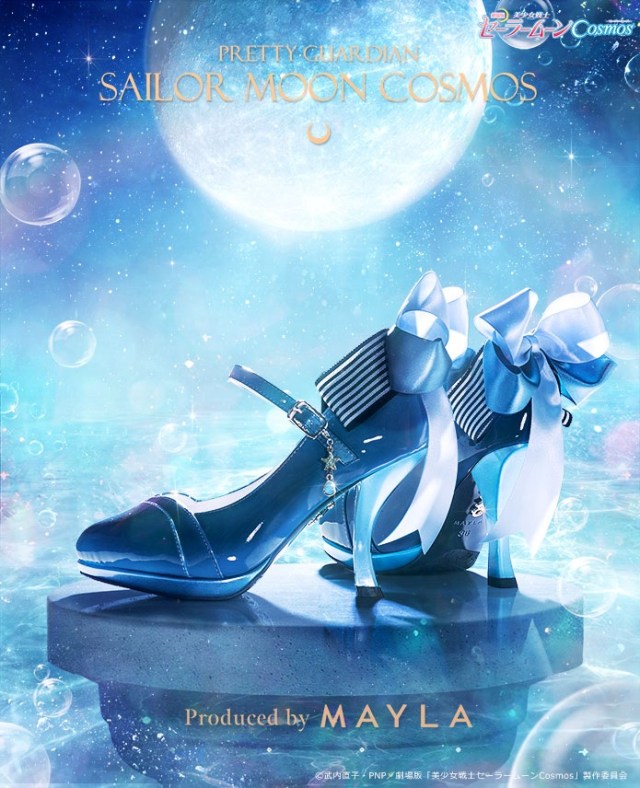
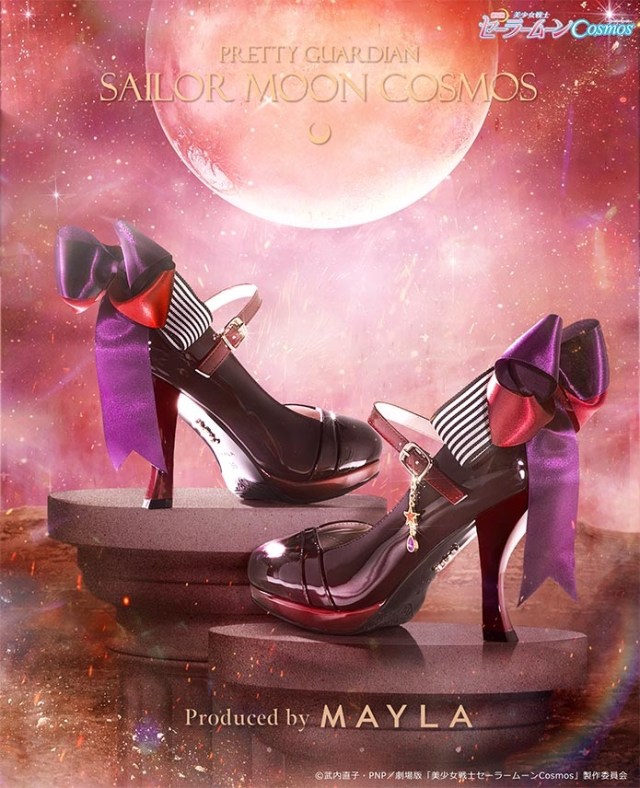
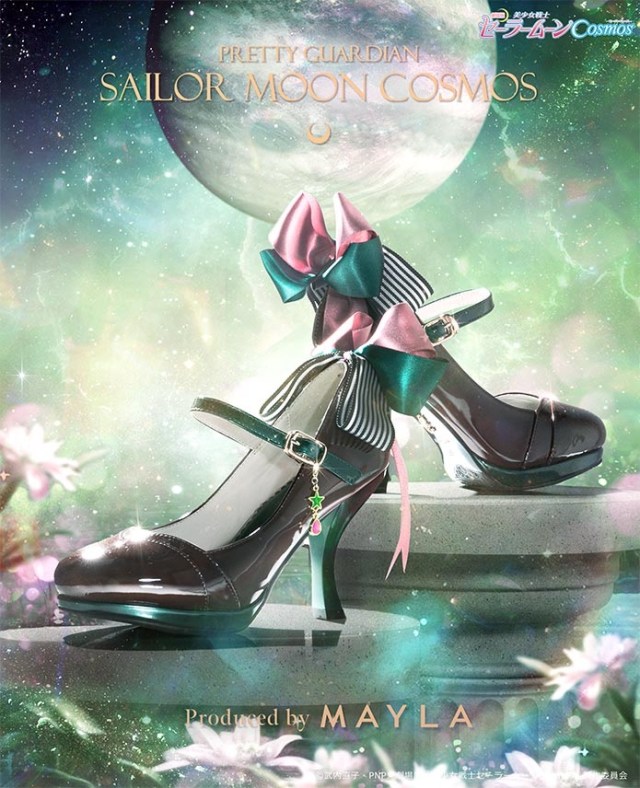
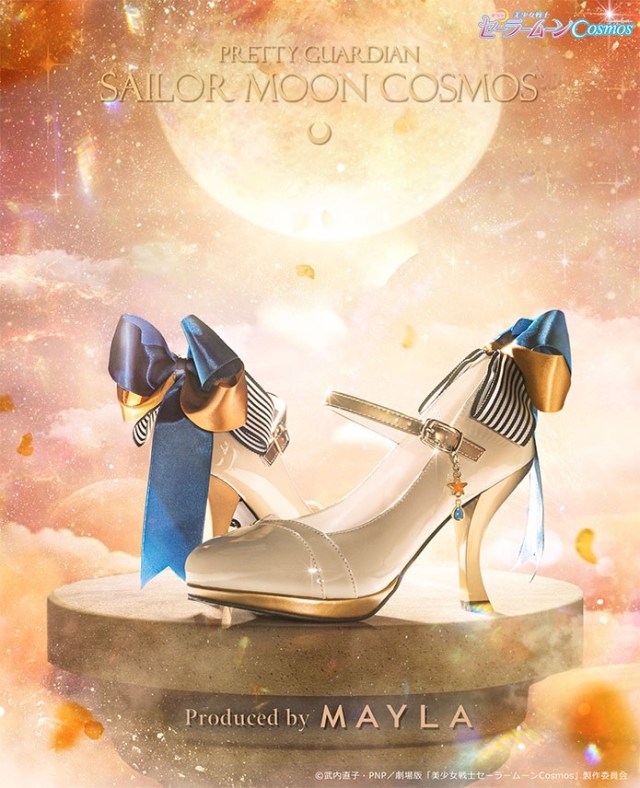
The intricately designed footwear comes with a fancy name, Pretty Guardian Sailor Moon Cosmos Iconique Shoes Objet Pumps.

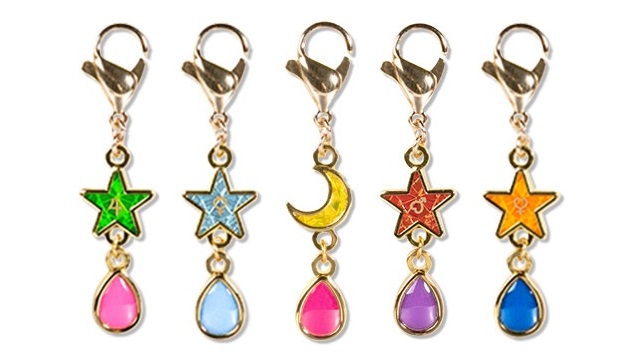
In addition to elegantly trailing ribbons, the shoes also have charms dangling from their straps, bearing the planetary protector emblem of their respective character.

All five of the Inner Senshi, Sailors Moon, Mercury, Mars, Jupiter, and Venus, are represented in the lineup, with their corresponding image colors leaving no doubt in fellow fans’ minds as to who you personally identify with.

▼ Multiple shades of blue for Sailor Mercury

▼ Red with purple ribbon for Sailor Mars, just like he in-anime outfit, contrasting against a burgundy shoe body.

▼ Some added earth tones for Sailor Jupiter, the only brunette Senshi

▼ And last, Sailor Venus

Aside from being colorful, the Sailor Moon pumps are decidedly dazzling in the light, as the finishes for both the shoe and heel have a reflective quality, as shown in the video here.

The collection comes courtesy of Osaka-based fashion company Mayla, the same label behind the jaw-dropping Violet Evergarden skirts we looked at last month. While those skirts would pair quite nicely with these shoes in an anime fashion ensemble, the Sailor Moon pumps are actually surprisingly versatile, judging from these preview photos.

▼ Charm close-ups

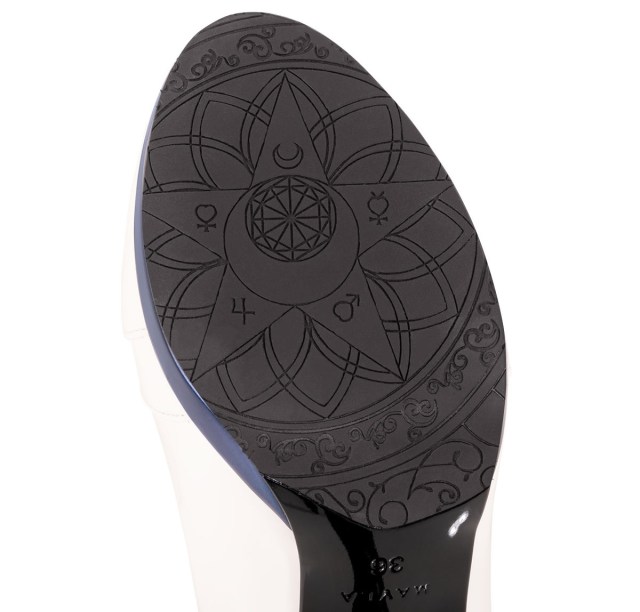
Mayla says one of the design goals was to create “shoes with 360-degree cuteness,” and that apparently applies to any axis you rotate them around, since on the bottom of the soles you’ll find Sailor Moon salutes too.

▼ Even the box is pretty.

The Pretty Guardian Sailor Moon Cosmos Iconique Shoes Objet Pumps are priced at 28,600 yen (US$212). Orders are open now and can be placed until July 11 here through the Mayla website. Oh, and if you’re looking for some merch that won’t hit our wallet quite as hard, don’t forget about the new Sailor Moon lifestyle products line from Japan’s favorite 300 yen store chain.

Source: Mayla via IT Media
Top image: Mayla
Insert images: Mayla (1, 2)
● Want to hear about SoraNews24’s latest articles as soon as they’re published? Follow us on Facebook and Twitter!

Huge price hike for Japan Rail Pass triggers huge drop in foreign travelers who’ll buy it【Survey】

https://ift.tt/pAElZfU Casey Baseel

But that just might be part of JR’s plan.

In April, Japan Railways Group shocked international travelers thinking about taking a trip to Japan by announcing a gigantic price increase for the Japan Rail Pass. Long considered one of the best deals available for inbound tourists looking to see a large swath of the country, the “JR Pass,” as it’s also known among travelers, gives you an unlimited rides on the Shinkansen bullet train, as well as local JR-managed lines nationwide, over a period of one, two, or three weeks.

Currently, a one-week pass costs 29,640 yen (US$220), but that will be jumping to 50,000 yen. The two-week pass will be rising from 47,250 to 80,000 yen, and the three-week pass from 60,450 yen to 100,000. That works out to price increases of between 65 and 69 percent, and depending on where you’re staying and whether you’re splitting hotel costs with a travelling companion, the difference is enough to potentially equal multiple nights’ worth of hotel costs.

Needless to say, the change hasn’t been met with cheers from overseas travelers anxious to visit Japan now that the country has finally reopened from being effectively closed to tourism for almost the entirety of the pandemic. Illustrating just how unpopular is this move by JR is, Export Japan, management company for inbound-to-Japan travel portal Japan Guide, has released the results of an online poll carried out through the site in May, shortly after the Japan Rail Pass price hike was announced. When posed with the question “Will you be buying the Japan Rail Pass after the price increase?”, the responses from 1,098 participants were:

● Probably not: 36.5 percent of respondents
● Absolutely not: 36.1 percent
● I can’t say for sure: 15.5 percent
● I’ll probably buy it: 6 percent
● I’ll definitely buy it: 5.9 percent

Together, that’s 72.6 percent of prospective travelers to Japan thinking the Japan Rail Pass is something they can do without at the increased price.

There’s a piece of the picture missing in the survey, though, which is whether the 11.9 percent of people who are thinking they’ll buy the Japan Rail Pass after the price increase is a smaller group than those who have buying it at the about-to-end lower price. While it’s an inexact overlap of respondents, in a separate survey held later in May, Japan Guide asked users who have traveled to Japan before if they’ve purchased the Japan Rail Pass on a trip, and the breakdown for the 697 responses they received was:

● Yes, I have purchased the pass: 60.7 percent
● No, I haven’t purchased it: 24 percent
● I was not eligible to purchase it: 15.4 percent

That third demographic points to a necessary adjustment in measuring the situation, since it indicates that out of travelers who were demographically eligible to buy the Japan Rail Pass, 71.7 percent of them chose to do so, and so the drop down to less than 12 percent of survey participants thinking they’ll still buy it at the higher price is huge.

There’s a concern that increasing the price of the Japan Rail Pass will harm tourism-benefitting businesses and communities in less prominently promoted parts of the country. In order for travelers to come out ahead with the higher prices, that have to take more Shinkansen trips during their pass period. That might seem like it would promote going to more out-of-the-way places, but it’s more likely that the extra pressure to get their money’s worth will cause travelers to increase their focus on hitting a larger number of big-name cities that they feel more confident will justify the extra spending in terms of sightseeing attractions, such as Tokyo, Kyoto, Osaka, Kobe, and Sendai, while skipping the smaller Shinkansen stops between them entirely.

Kakegawa Castle is within walking distance from Kakegawa Station, on of the lesser-known Shinkansen stops between Tokyo and Kyoto that people are more likely to blow past if they’re rushing to see as many of Japan’s most famous sights as they can.

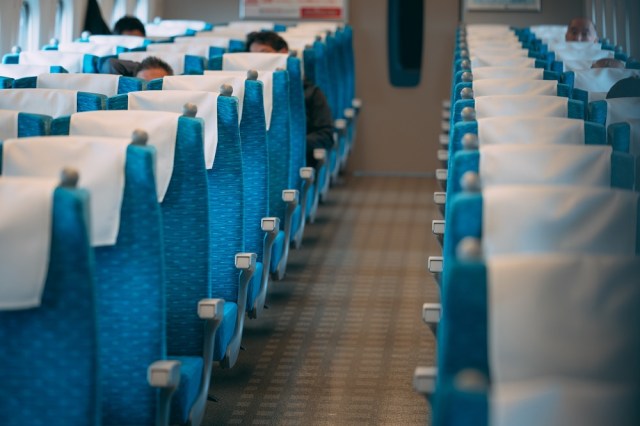
Unfortunately for anyone hoping the survey will have JR Group scrambling to cancel the price increase, its results might not have any effect at all on the rail operator. Prior to the pandemic, there had been a sustained surge in the number of inbound foreign travelers using the Japan Rail Pass. With only so many seats available, JR may feel like it’s approaching the limit of how many passes it can realistically offer and honor. The company cited overcrowding from inbound international travelers as the reason for its decision to start requiring luggage reservations on Shinkansen trains, and it’s quite possible that JR thinks it can make as much revenue from Japan Rail Pass sales as it did before, if not more, by offsetting a lower number of passes sold with higher individual pass prices.

Still, none of that is happy news if you’re trying to keep your budget in check while planning a trip to Japan. The silver lining, for the time being anyway, is that Japan Rail Passes will stay at their lower prices through the summer, with JR saying the increase will happen sometime around October.

Source: PR Times via Norimono News
Top image: Pakutaso (edited by SoraNews24)
Insert images: Pakutaso
● Want to hear about SoraNews24’s latest articles as soon as they’re published? Follow us on Facebook and Twitter!

Ghibli Museum releases beautiful new line of anime art T-shirts, available for online orders【Pics】

https://ift.tt/bUYvxJV Casey Baseel

Shirts take inspiration from memorable sights at Tokyo’s Ghibli Museum, offered in both adult and kid sizes.

Recently, we got the sad news that Japan’s custom-made Pokémon dress shirt line is permanently shutting down. But you know the old saying: the anime fashion gods never close a door without opening a window.

OK, so maybe we’re paraphrasing a little there. Still, the truth is that Studio Ghibli has just released a beautiful new T-shirt collection, specifically taking its whimsical design cues from the Ghibli Museum.

Naturally, Totoro is part of the mix, appearing on the chest of the I Like to Walk tee, which takes its name from part of the lyrics to Mu Neighbor Totoro’s opening theme song, “Sanpo.”

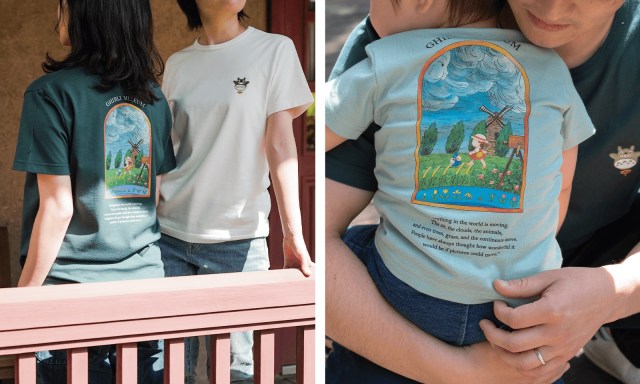
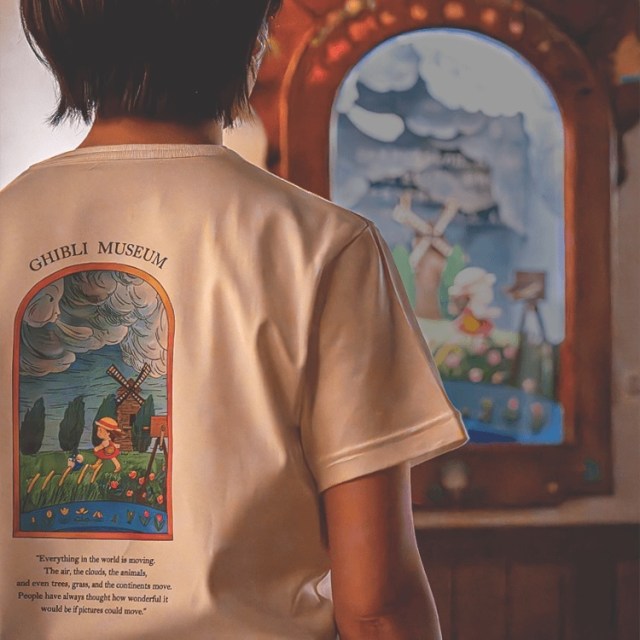
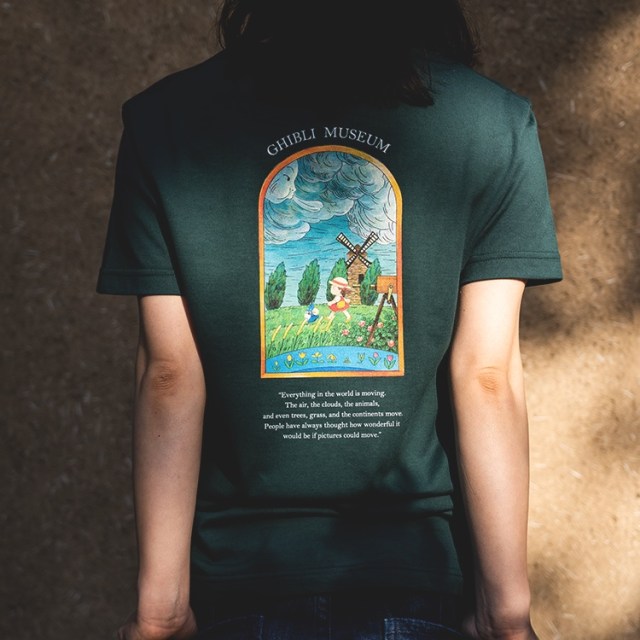
The real sight to see, though, is on the back, where Mei and a mid-size Totoro are taking a stroll through the countryside, above a translated-to-English quote from famed anime director Hayao Miyazaki.

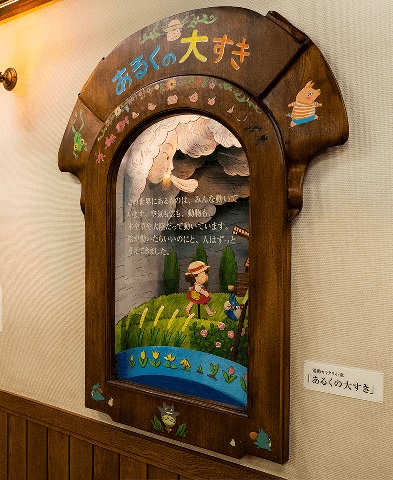
Available in white or dark green, the shirt’s back illustration depicts a clockwork art installation found within the Ghibli Museum in Tokyo.

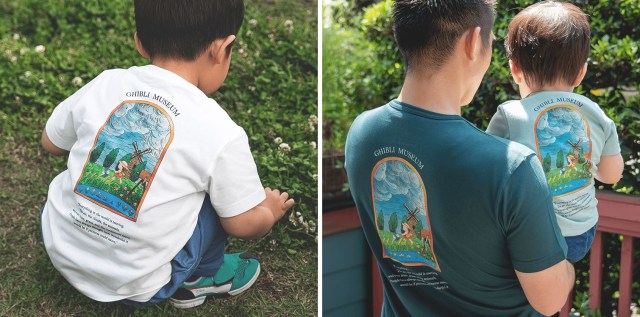
Adult sizes range from small to extra-large, and if you want your kids to look extra-adorable, there are children’s sizes available too, with the dark green lightened to a more minty shade.

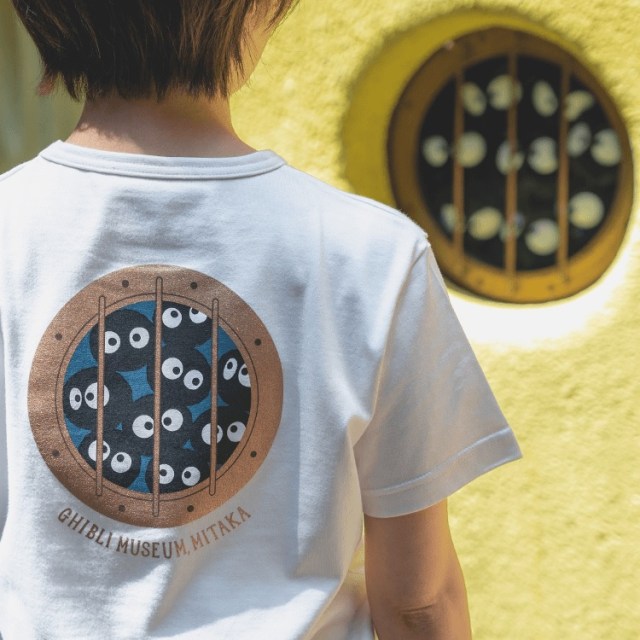
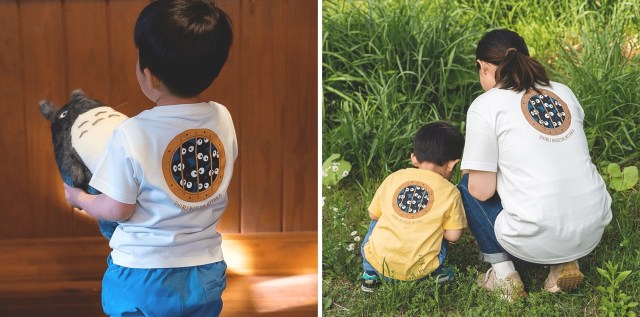
The next Ghibli stars to appear in the lineup are the soot sprites, who can also be spotted behind one of the Ghibli Museum’s porthole-style windows.

Black and white are the adult color choices here. Written on the breast are the words “Let’s lose our way, together,” an English rendering of the museum’s official motto “Maigo ni narou yo, issho ni,” which literally translates as “Let’s become lost children together” and symbolizes the facility’s desire for visitors to indulge in the childlike wonder of imaginative exploring.

▼ And even if you’ve got no interest in such flowery philosophies, the shirt still looks pretty cool/cute.

▼ For little soot sprite fans, the shirt comes in white or yellow.

Rounding out the collection are a pair of designs stemming from the Laputa: Castle in the Sky and Imaginary Science Flying Machines Exhibition which was previously held at the museum.

The first shows a schematic on the front for the Tiger Moth, the airship of sky pirate Captain Dola (though the vessel’s name is rendered as “Tiger Moss” on the shirt). That’s a comparatively deep cut for Ghibli lore, but the back of the shirt, with the Laputa royal crest and “Ghibli Museum” printed below the collar, should signal even to casual fans which anime studio’s works your partial too.

And last, if your loyalties are to Dola, there’s a shirt with her crest on the back, and on the front the pirate herself flying, plus a dragonfly and a bespectacled pig (Miyazaki’s recurring illustrated avatar for himself).

▼ Both Laputa designs are offered in adult sizes only.

Adult shirts are priced at 5,940 yen (US$44) and kids at 4,340 yen, with the entire lineup available online here through the Ghibli Museum online shop.

Source: Ghibli Museum online shop
Top image: Ghibli Museum online shop
Insert images: Ghibli Museum online shop (1, 2, 3, 4, 5, 6, 7)
● Want to hear about SoraNews24’s latest articles as soon as they’re published? Follow us on Facebook and Twitter!