Páginas

lunes, 29 de agosto de 2022

We visit an awesome sauna in Tokyo that’s ladies-only on days that end in zero

https://ift.tt/mhFkRcE Shannon

Not a bad place to get your sweat on at all.

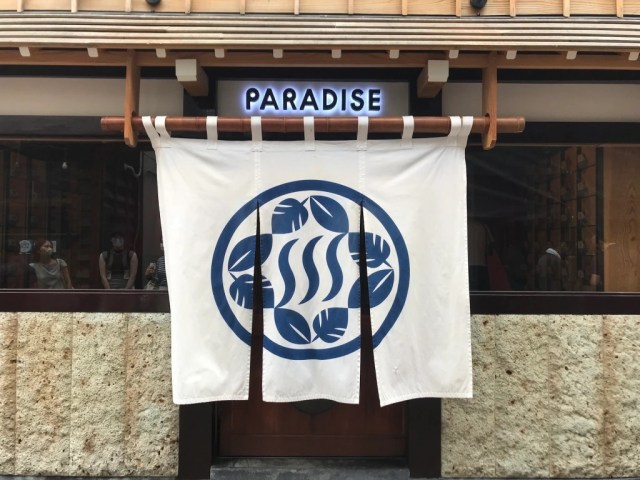
Paradise, a new sauna in Tokyo’s Mita neighborhood, just opened in April 2022 but is already a hit with the SoraNews24 team. As you may have guessed from the title, they’ve started a campaign where the entire facility is open only to women on days of the month that end in zero–so the 10th, the 20th, and the 30th.

In Japan, saunas are typically more of a men’s pastime, to the point where men’s-only saunas far outnumber facilities only open to women. That’s why we think the recent boom of ladies in Japan that frequent saunas will love this deal. Our Japanese-language reporter Mariko Ohanabata is one such lady, and she got the inside scoop for us.
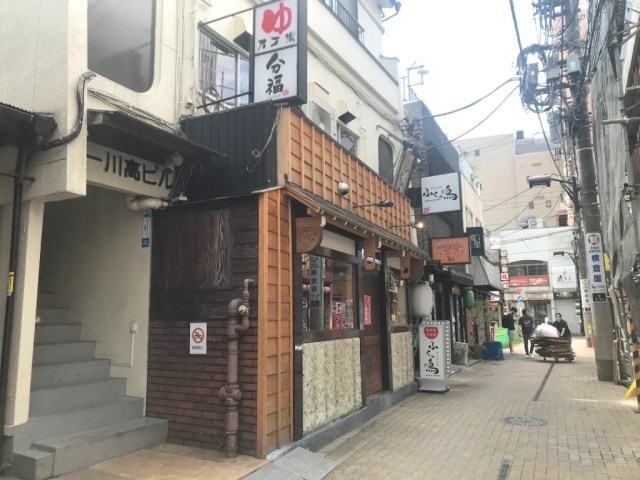
Paradise is located just a five-minute walk from JR Tamachi Station or Toei-Oedo Line’s Mita Station, nestled among office buildings and izakayas that populate the area. It was renovated from a pre-existing bathhouse, which would typically invoke an image of a huge indoor facility, but this one is actually fairly cozy by comparison. Mariko almost walked right by it since she was expecting a large entrance.
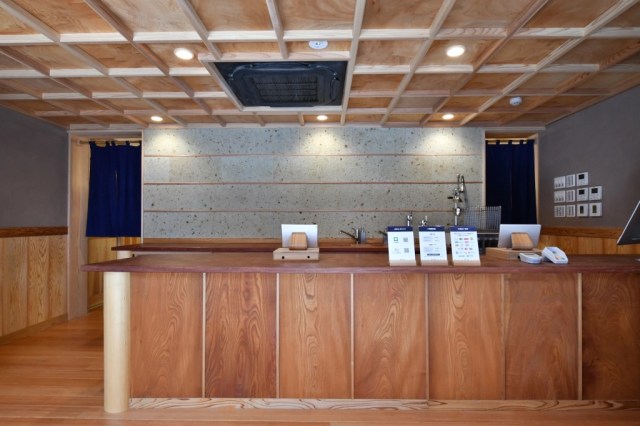
Upon entering, she was surprised at how classy it was with its warm and inviting wood tones. She checked in at the brand-new reception and received a small bag with a large towel, a small towel, and a locker key. One 30-minute session costs 750 yen (US$5.44), and after that it’s an additional 250 yen per 10 minutes.

They also have private sauna rooms that can be rented for an additional 500 yen or 1,000 yen depending on the time of day you want to use it. In Mariko’s case, she had booked another offer beforehand: 4,000 yen to use the personal sauna as much as she wanted for two hours (advance reservations required).
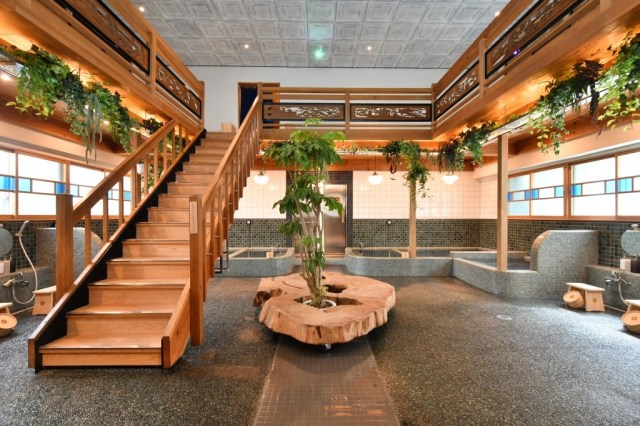
She went into the main room and felt like she was in another world. Is this Spirited Away? she thought. The same warm wood tones from the entrance were here as well, along with dark stones, plenty of greenery, and several baths and showers. In the back was a door that led to the shared sauna.
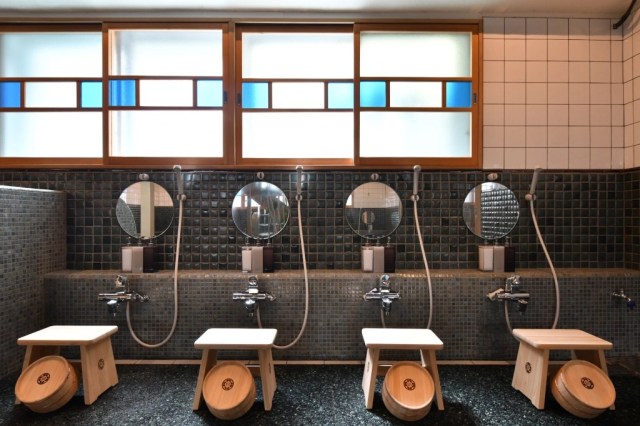
Mariko loved the small details like the stained glass windows in front of the washing area. This was Mariko’s first stop, washing herself before using the shared sauna as per traditional sauna manners. In the shared sauna were small tatami squares for customers to sit on, which Mariko appreciated.

Customers are also allowed to throw hot, lemongrass-scented water on the stones, making the spacious room even warmer. Keep in mind, though, this room is hot. When Mariko checked the thermometer in the room, it read 100 degrees Celsius (212 degrees Fahrenheit). Not too hot for Mariko, though!
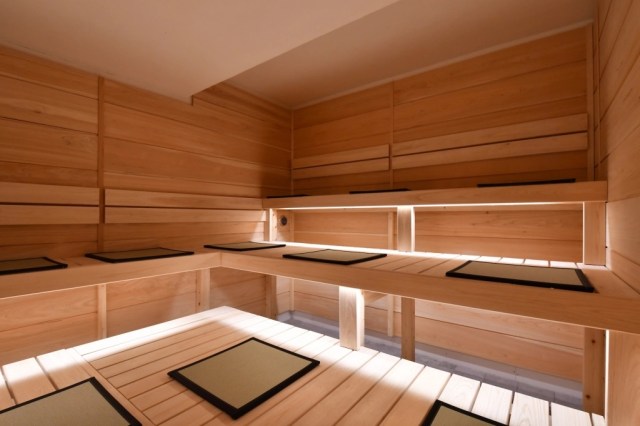
She also noted the room’s low ceilings, which meant the heat would stay in the room. Yet another genius move by Paradise, Mariko thought. She lavished in the quiet of her own thoughts–no clocks or TVs in here–and then decided to try out her private sauna.
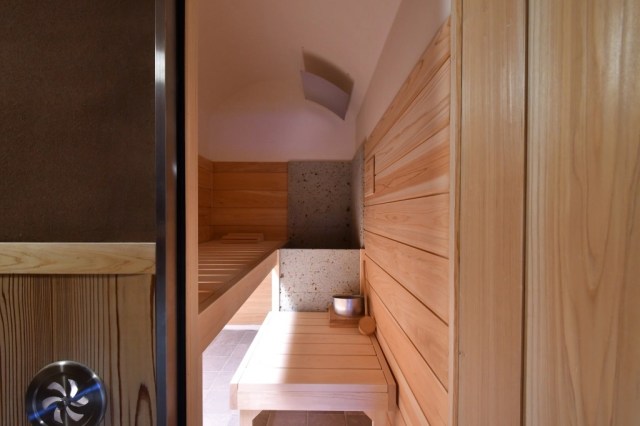
It was located on the second floor, nestled into the wall like a cozy cubbyhole. It had plenty of space to lay down and was filled with a delicious new wood smell. You can add water to the coals in this space, too, so you can adjust the temperature to your liking!
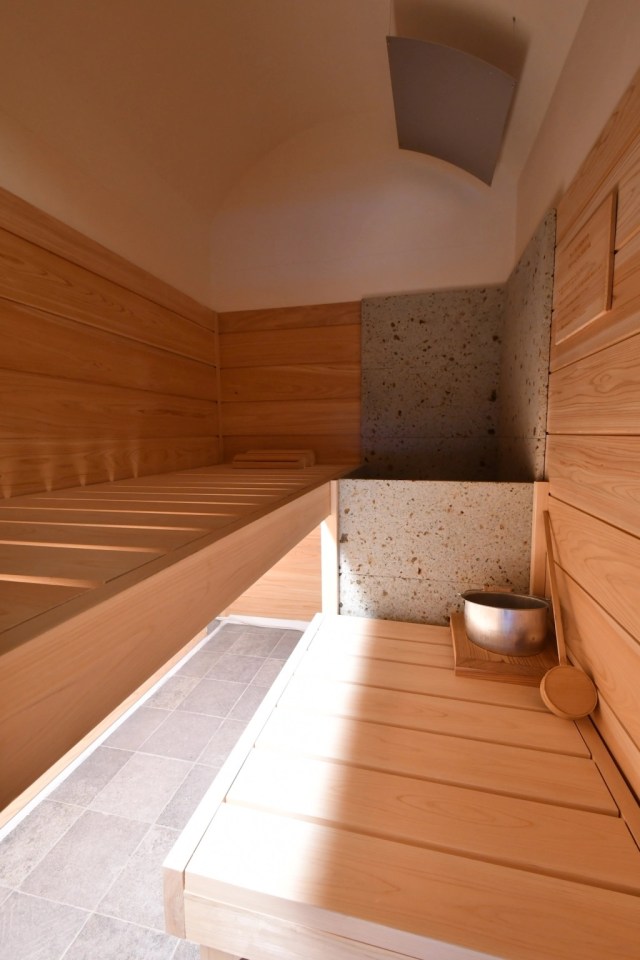
Mariko enjoyed even more private time in her cubbyhole, laying down and enjoying the atmosphere and the aromatic water–which, by the way, is pine-scented for the private booths.
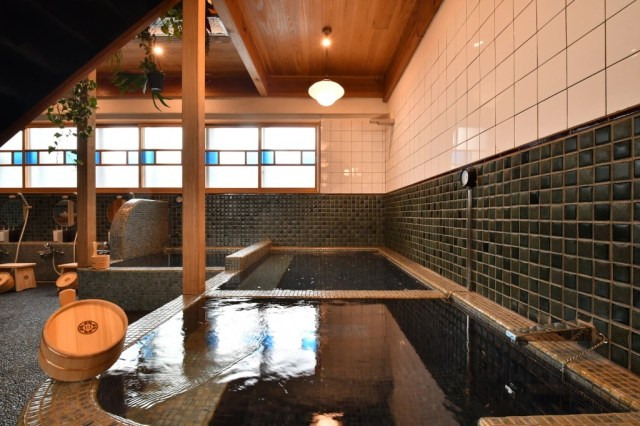
After another good sweat, she headed down to the baths to rinse off and cool down. The first floor has three different cold baths, each cooled to a slightly different temperature for different customers’ preferences.

There’s even a small waterfall in one of the baths to cool your head, which warms up the most in a sauna. This isn’t a feature available in all saunas, so Mariko was excited! One bath was a lukewarm 16 degrees Celsius (61 degrees Fahrenheit) and another just 9 degrees Celsius (48 degrees Fahrenheit). It’s the closest you’ll get to an ice bath-sauna experience.
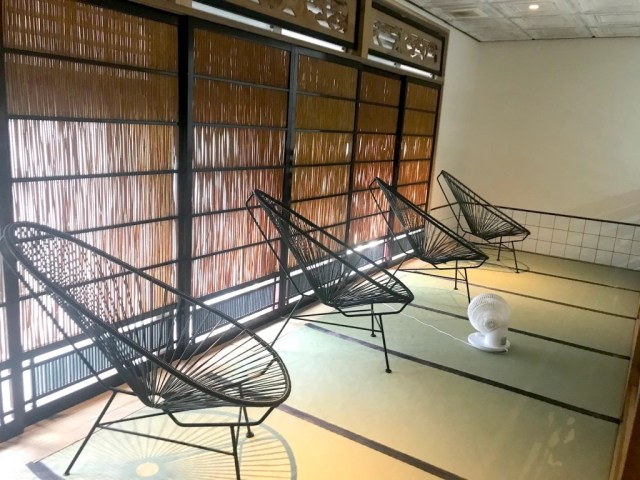
You’re allowed to just hang out on the first floor, but the second floor has an actual resting space. The tatami floors are dotted with wired chairs and electric fans.
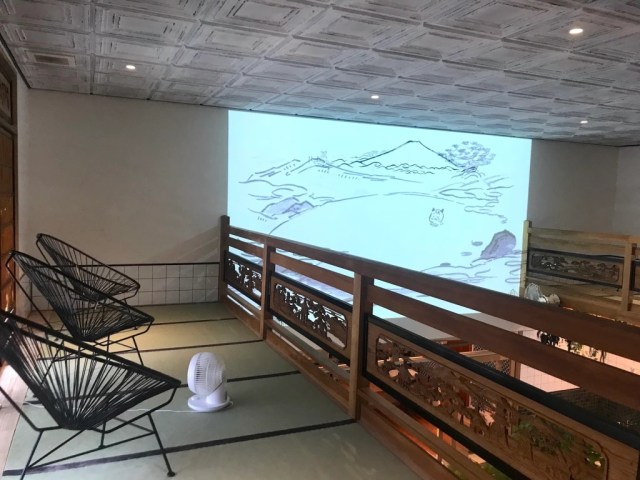
There’s even a screen that projects art! Truly a Paradise.
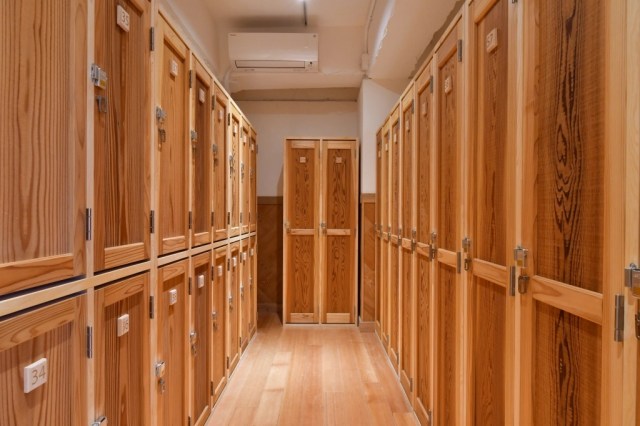
Mariko was even impressed with the locker room and changing room! The lockers are made in the same warm wood tones as the rest of the facility.
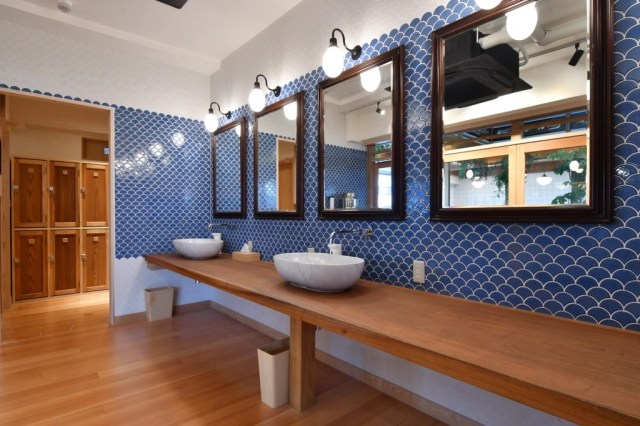
There were five hair dryers (a true blessing for women’s only day), all by a reliable and powerful Japanese company Salonia.
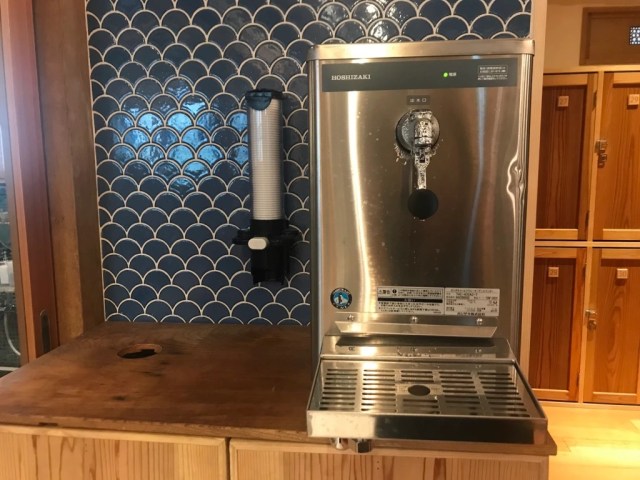
The most important post-sweat supply: water!
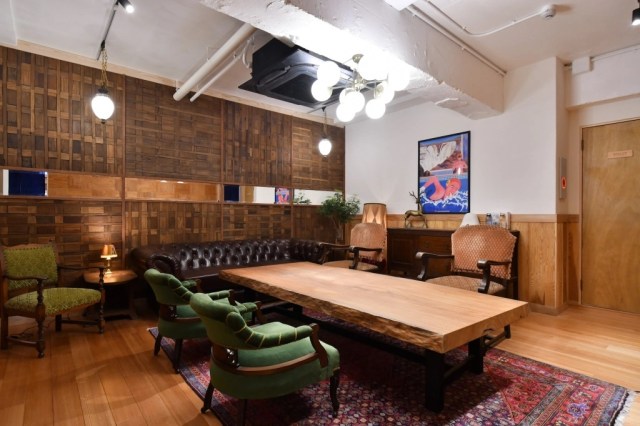
And after you get dressed, there’s a lounge space with cushy sofas and a large table to hang out in. It’s a great space to prepare to venture back out into reality.
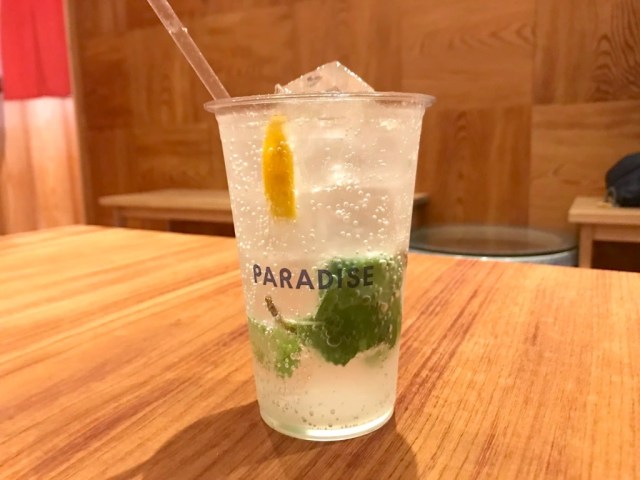
Mariko also enjoyed a lemon soda (600 yen) before heading out. Overall, Mariko highly recommends a visit! The only things she’d note are that payment is totally cashless, so make sure you have an electronic payment method ready; and that they don’t serve food in order to encourage customers to visit the nearby local eateries.

Sauna information
Paradise
Tokyo-to, Minato-ku, Shiba 5-23-16
東京都港区芝5-23-16
Open 24 hours (except for cleaning time from 3 a.m. – 6 a.m.)
Ladies only day on the 10th, 20th, and 30th (10 a.m. – midnight)

Photos ©SoraNews24
● Want to hear about SoraNews24’s latest articles as soon as they’re published? Follow us on Facebook and Twitter!

We try Japanese cafe Komeda Coffee’s summer desserts that are so big, they’re overflowing

https://ift.tt/d901cBo Shannon

Hope you don’t mind getting a little messy.

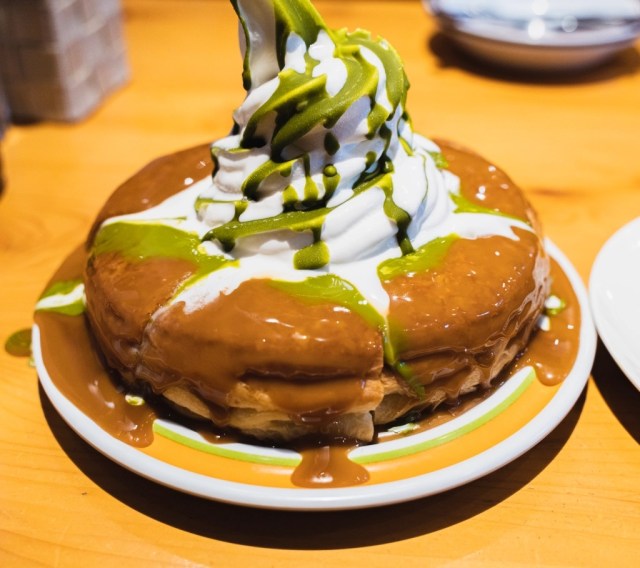
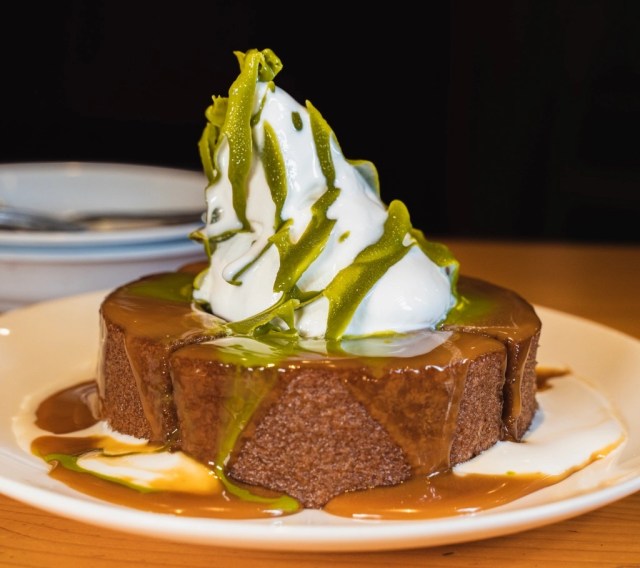
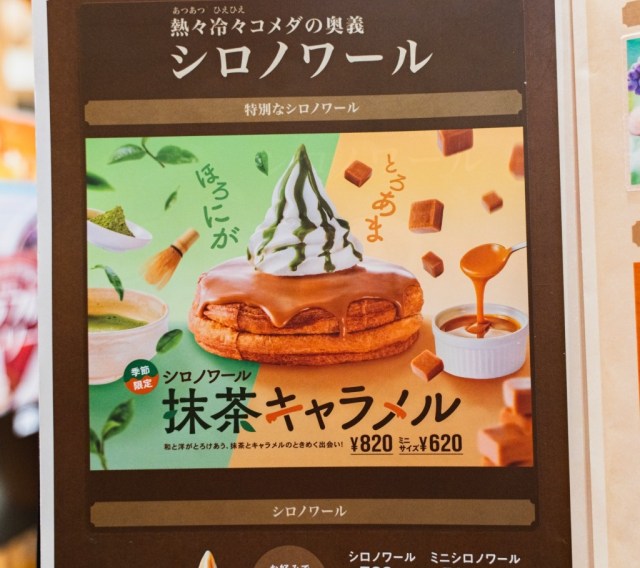
Some Japanese desserts this summer have been innovative and at times verging on weird, but tried and true Japanese flavor combinations still abound. Japanese café chain Komeda Coffee is serving up two limited-time desserts that combine earthy matcha with sweet, rich caramel. The Shiro Noir Matcha Caramel has a plain Danish pastry base and is topped with a mound of soft serve ice cream, caramel, and matcha chocolate, while the Kuro Neige Matcha Caramel has a cocoa base.

Our Japanese-language reporter and local Komeda Coffee menu expert Egawa Tasuku decided to try out both of the new desserts, so he stopped by his favorite branch to review them. He was especially curious about the Shiro Noir since some reviews said the portion size was “overflowing”.

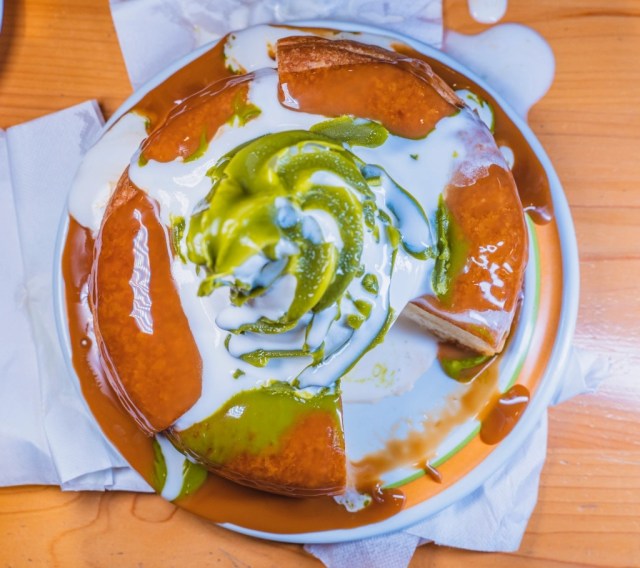
Both arrived at the same time: the Shiro Noir on the left and the Kuro Neige on the right. The difference in size was clear enough, but even more surprising was the difference in plating. The Shiro Noir did look like it was on the verge of spilling over the plate. In fact…

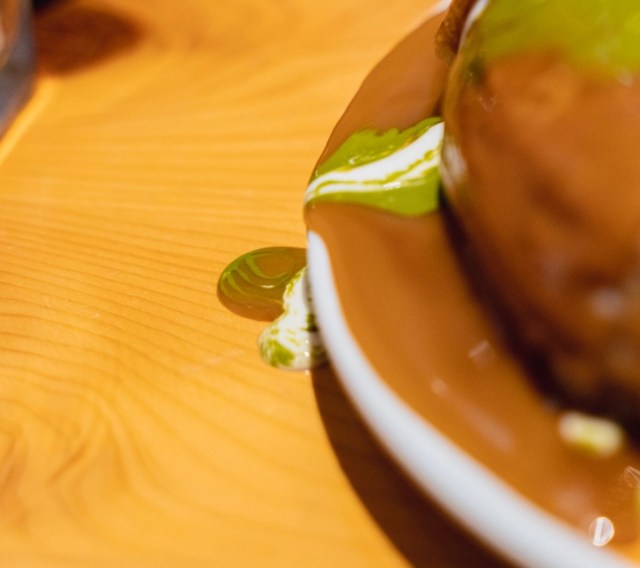
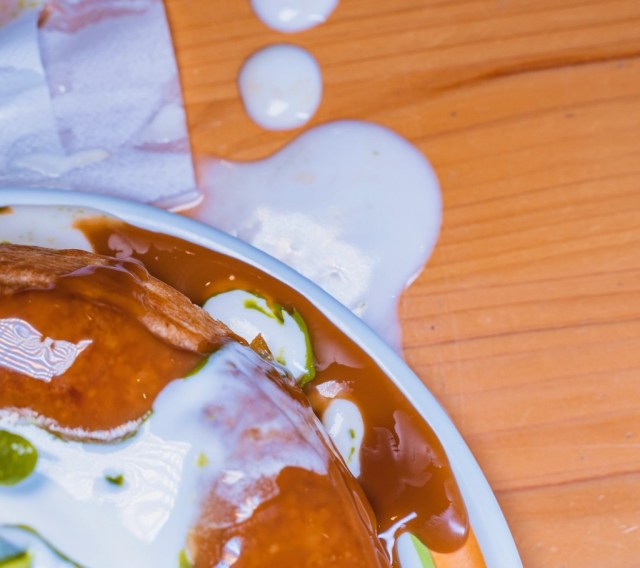
…it did just that as Egawa prepared to take some photos. At least it’s only a little bit, he thought, wiping it away with a napkin. But that wasn’t the end of it.

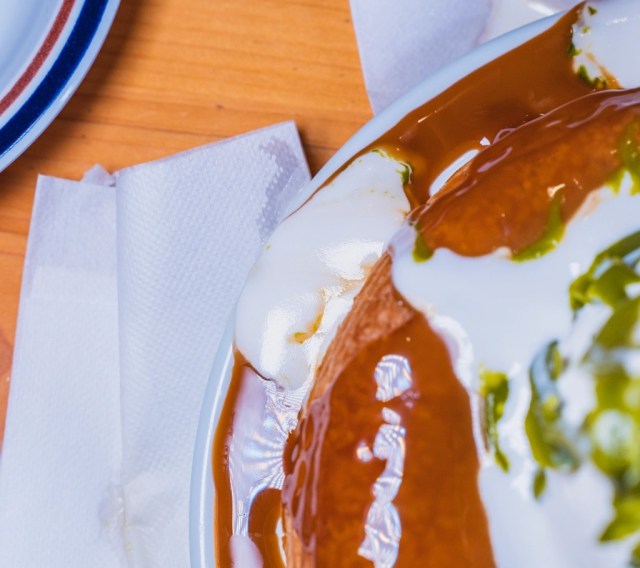
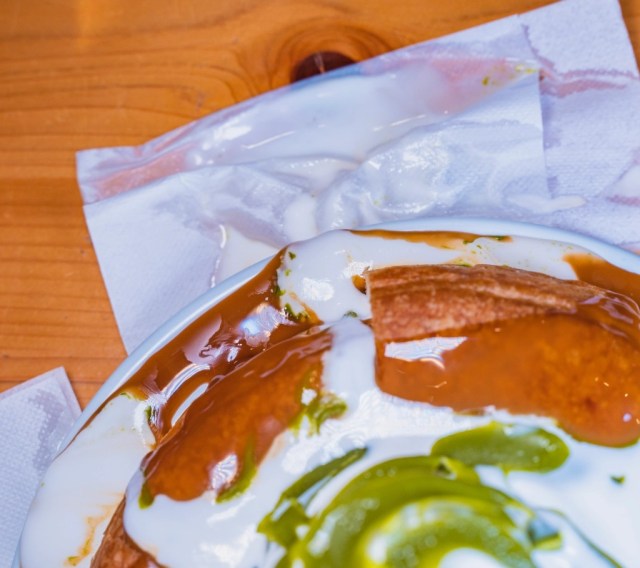
More and more of the dish spilled out onto the table–matcha chocolate, caramel, melted ice cream, the whole shebang. Some of his napkins got completely soaked. There are times when Komeda gets a little overzealous with their dishes, so Egawa took it in stride.

But seriously, it wasn’t stopping. No chance at getting an Instagram-worthy photo here. It was clear that Komeda didn’t choose the right plate size for this (or perhaps they just didn’t want customers complaining that there wasn’t enough ice cream), but no more time for worrying about that. He quickly took a bite in hopes of stopping the sweet tide.

The caramel was rich and sweet, definitely not for the fainthearted. Its viscosity contrasted nicely with the slight crunch of the matcha chocolate bits. The plain Danish made it into a full-on meal without taking it overboard in the sweet department. All in all, a pretty delicious dish, but make sure you’re ready to eat it quickly!

Then, Egawa moved onto the much less intimidating dish, the Kuro Neige. The ice cream had already started melting at this point, but it was firmly supported by the spongy Baumkuchen cake base.

He took a big bite. It wasn’t as sweet as the Shiro Noir dish, likely due to the slight bitterness of the cocoa in the cake base. Egawa recommends both dishes, but which one you end up choosing will likely depend on your appetite and the amount of sweetness you’re looking for. By the way, the Shiro Noir is also available in a mini size!

These dishes will be around until the end of October, so stop by your local Komeda Coffee branch if you can. Perhaps it will be less of a melty fiasco when the summer heat is finally over. In any case, have a pile of napkins ready. And if you’re still craving more matcha? Try making your own yuzu green tea float!

Photos ©SoraNews24
● Want to hear about SoraNews24’s latest articles as soon as they’re published? Follow us on Facebook and Twitter!

Pizza Hut’s new rice pizzas debut in Japan, but are they any good?

https://ift.tt/w7kKHgz Oona McGee

Not every topping is a perfect match for rice instead of pizza dough. 

Just the other week, Pizza Hut Japan announced it would be introducing a new product called “Gohan Pizza” to cater for local tastes.

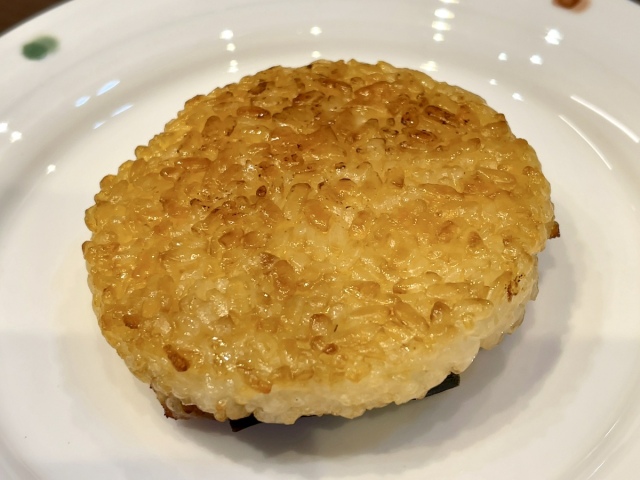
Gohan Pizza, which translates to “Rice Pizza“, uses a new base made from rice instead of pizza dough, and when we say “rice” we don’t mean rice flour — these bases are made with actual rice grains.

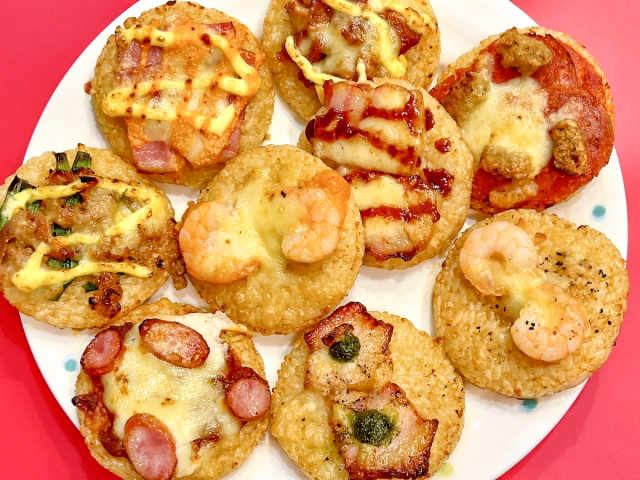
Available as part of a one-person “My Box” set, there are three different sets to choose from: Japanese StyleEuropean Style, and American Style. Each box contains three different pizzas, meaning there are nine in total to try, so we bought every one of them.

▼ The kanji for rice, ““, can be read as “Mai“, which sounds like “My

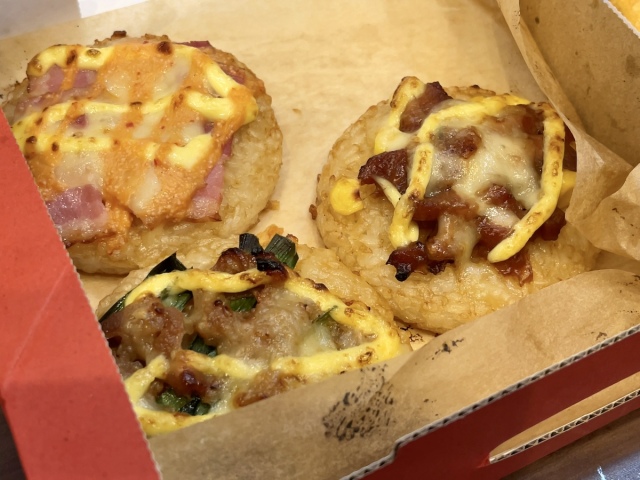
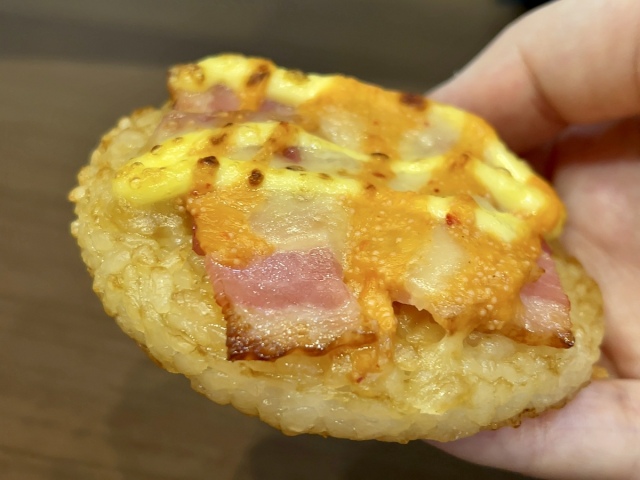
Opening the lid on the Japanese Style Set, we were greeted by Yakiniku Beef Ribs, Teriyaki Chicken, and Mentaiko (Spicy Pollock Roe) Mayonnaise Soy Sauce pizzas.

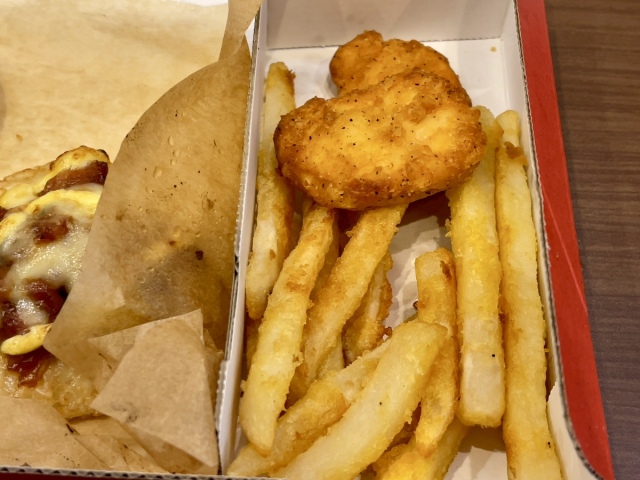
On the side, we have a separate section for French fries and two chicken nuggets, which are included in every box.

This was a great little set, but of course, the stars of the show here were the pizzas, and they were much smaller than any other pizzas we’d ever seen.

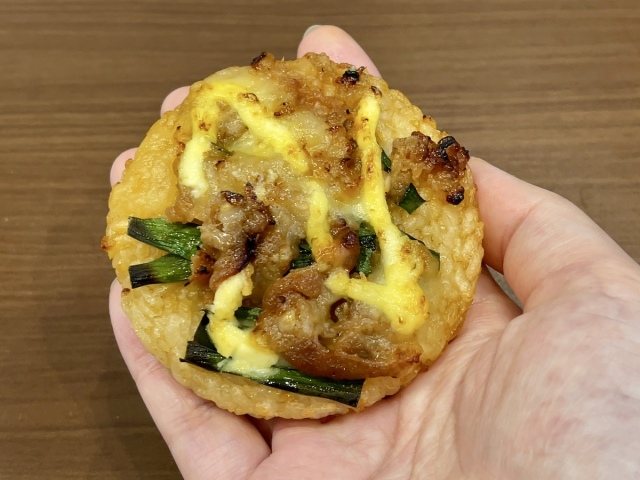
▼ Each one measured 7.5 centimetres (three inches) in diameter.

Rice is pretty filling, though, so three of these, along with fries and nuggets, would make for a substantial meal. How would they taste, though? Let’s start with the Yakiniku Beef Ribs, which, like all of the Japanese pizzas, is topped with mayonnaise. 

▼ Mayo is a popular addition to pizzas in Japan.

Wow. The flavours here were fantastic — the beef ribs were sweet, salty, juicy, and perfectly complemented by the green onions and mayonnaise. As for the disc of rice it all sat upon, this too exceeded our expectations as it was perfectly round, evenly cooked, and the fluffiness of the rice grains remained intact, despite the grilling process.

▼ It felt and tasted somewhere in between a grilled rice ball and a regular, non-grilled rice ball.

The unusual rice grain base was so good we couldn’t wait to try it with more flavour combinations on top, so we quickly picked up the Teriyaki Chicken for a taste.

Similar to the Beef Ribs, this was also sweet and salty, however, the chicken had a smoky flavour to it, making the presence of the meat stand out. Paired with corn and mayonnaise, the Teriyaki Chicken was a very Japanese-tasting pizza.

The last pizza in the set was the Mentaiko Mayonnaise Soy Sauce, which had a more subdued flavour profile by comparison. The roe was slightly salty, and a perfect match for the rice base, and though the addition of bacon seemed an odd choice at first, it helped to lift the overall taste, creating a moreish morsel that was a great counterpart to the other pizzas in the set.

▼ Probably best to eat this one first, as it’s the most delicate in flavour.

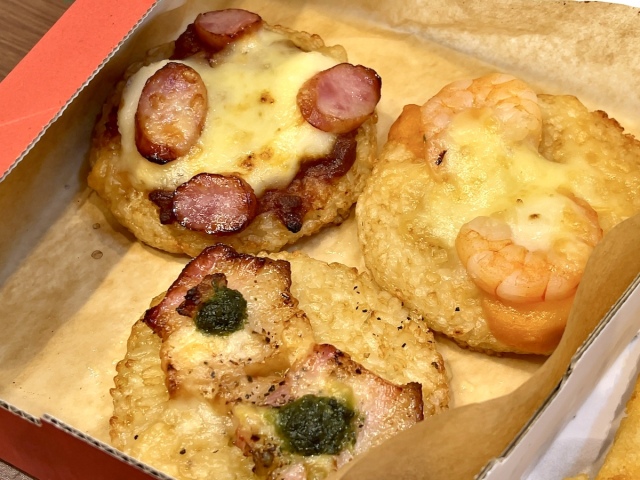
Next up, it was time to take the taste buds on a trip overseas with the European Style Set, which includes Iberico Pork and Basil, Prawn and Lobster Sauce, and Milanese-style Sausage pizzas.

▼ Spain, France and Italy seem to be the countries behind this concept.

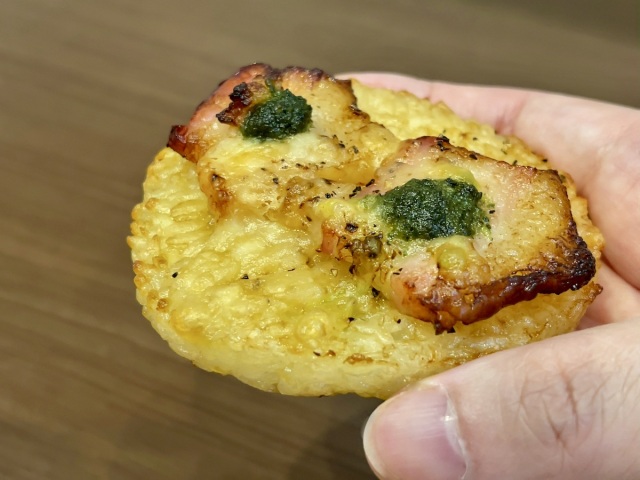
The Iberico Pork and Basil is topped with two luxuriously thick slices of Iberico pork, grilled to perfection with a slight charring on the edges. As expected, the fatty pork was juicy and slightly oily, but the basil on top helped to cut through the grease and add a wonderful freshness to the pizza.

▼ A delicious treat for bacon lovers.

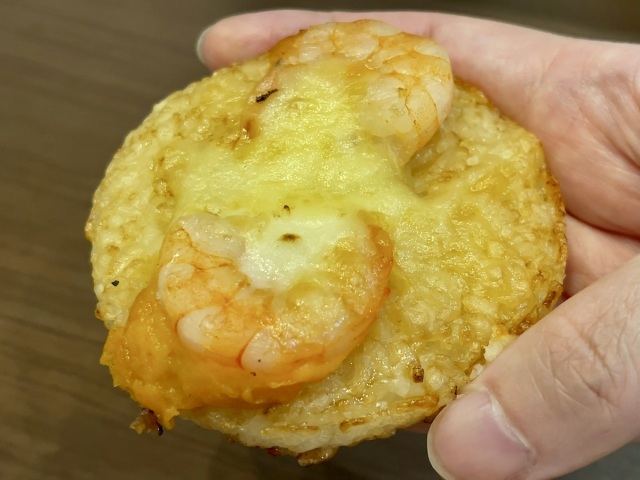
Next up is the Prawn and Lobster Sauce, which has the only creamy topping out of all nine pizzas. The cheese and white sauce created a gratin-like flavour, and combined with the two prawns on top, this was creamy yet mellow, and a fantastic match for the rice base.

▼ The lightest out of all three European pizzas, and a top rice partner.

The last stop on the taste tour took us to Italy, where the Milanese-style Sausage greeted us with thinly sliced ​​Milanese sausages, a big mound of Gouda cheese, and a tomato-based sauce.

▼ Nothing out of the ordinary here, but still, it was downright delicious.

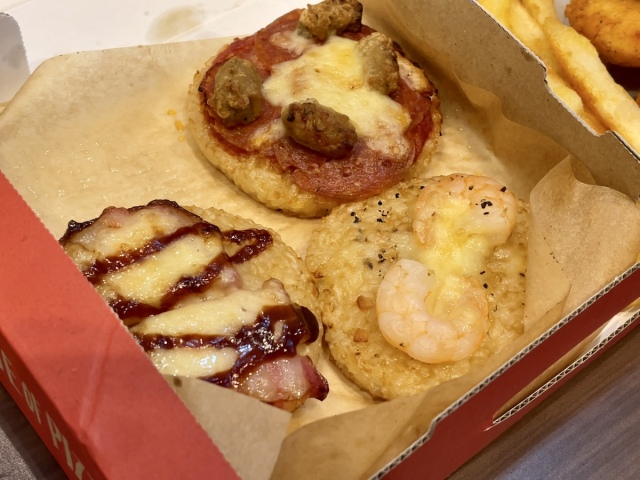
The final box in the lineup is the American Style Set, which contains Garlic Shrimp, Barbecue Pork, and Pepperoni Lover pizzas.

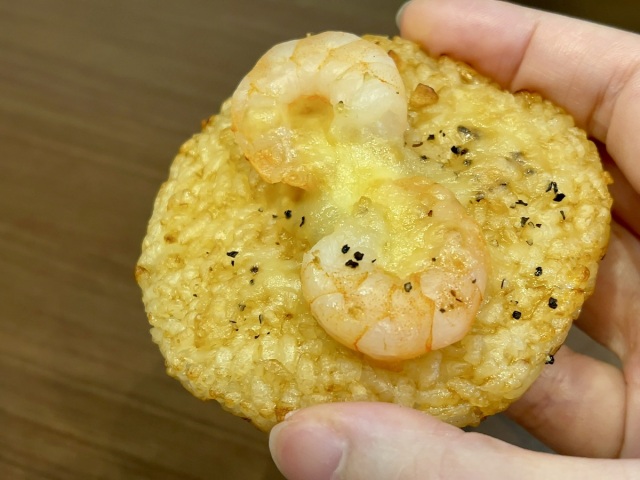
Out of all nine pizzas, the Garlic Shrimp was the plainest looking of all, with an overall white look to it and almost no sauce on top. However, it delivered a much stronger flavour than expected, with the garlic and pepper packing a delicious punch to the palate.

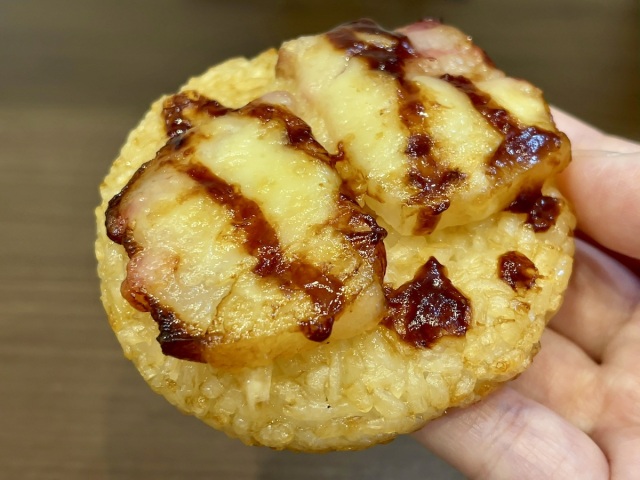
The Barbecue Pork also contained Iberico pork like its European brethren, but this time the concept was entirely different, with a sweet barbecue sauce creating a more American flavour.

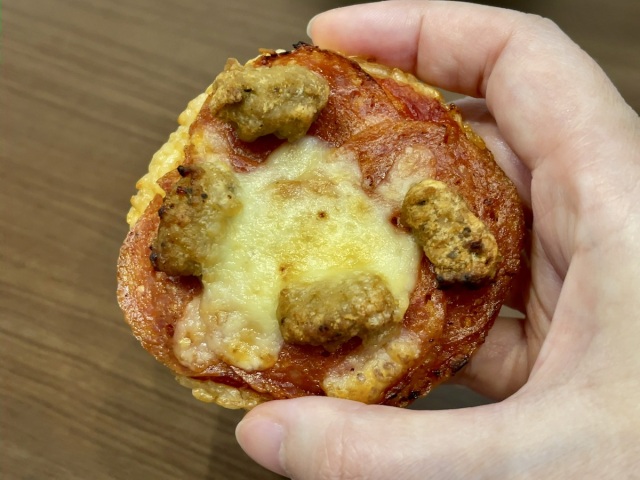
Finally, we have the Pepperoni Lover. The salami was only slightly spicy, so as to appeal to a wide variety of palates, but it was a great match for the Italian sausage and Gouda cheese.

▼ It was delicious, but this one made us pine for a crusty pizza dough.

With our bellies now full, it was time to take a look back at all the new rice pizzas, and rank our top three:

No. 1 Yakiniku Beef Ribs (Japan)
No. 2 Prawn and Lobster Sauce (Europe)
No. 3 Teriyaki Chicken (Japan) 

It’s no surprise that two of our top three pizzas were from the Japan set, seeing as Japanese flavours are designed to pair well with rice. The other pizzas were still tasty, but somehow they seemed better matched for a crusty pizza dough rather than a chewy rice base.

All the pizzas were light and surprisingly easy to eat, and we have to commend Pizza Hut for thinking outside of the box for ways to support local farmers and get more people eating rice, especially as people in Japan now consume 40 percent less rice than 50 years ago.

The new pizza boxes went on sale from 22 August, priced at 1,000 yen (US$7.40) for takeout and 1,350 yen for eat-in diners. Unlike Domino’s, chopsticks not included.

Photos © SoraNews24
● Want to hear about SoraNews24’s latest articles as soon as they’re published? Follow us on Facebook and Twitter!
Travelling to Miyajima and Itsukushima Shrine? Best to be a glass-half-full type of tourist

https://ift.tt/ouJUIBO Oona McGee

Heartfelt advice for those hoping to visit the World Heritage site before the end of the year. 

It’s been three years since our reporter Mari Morimoto has been on an airplane, and more than 10 years since she’s visited the Chugoku region of Japan. So when she found herself in Hiroshima for business last week, she decided to make the most of her time there by adding a quick trip to nearby Miyajima to her itinerary.

This would be her first time visiting the famous World Heritage site, which is home to the beautiful Itsukushima Shrine and its equally beautiful giant vermillion torii gate, which stands in the water in front of it.

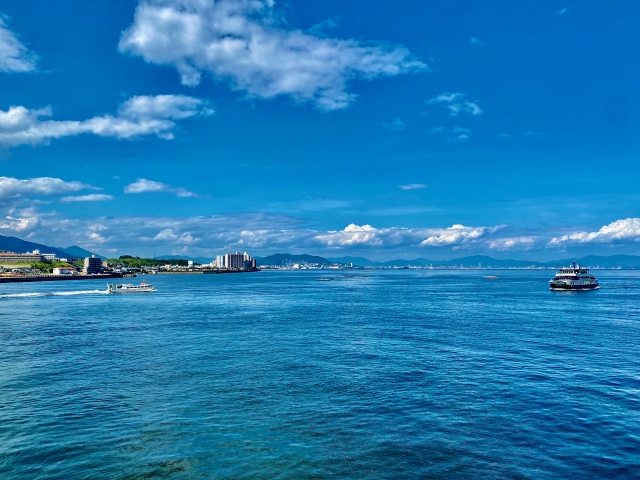
After alighting at Miyajimaguchi Station on the JR Sanyo Main Line, Mari followed the directions to the ferry terminal, where she hopped on a ferry for the short ten-minute ride over to the island.

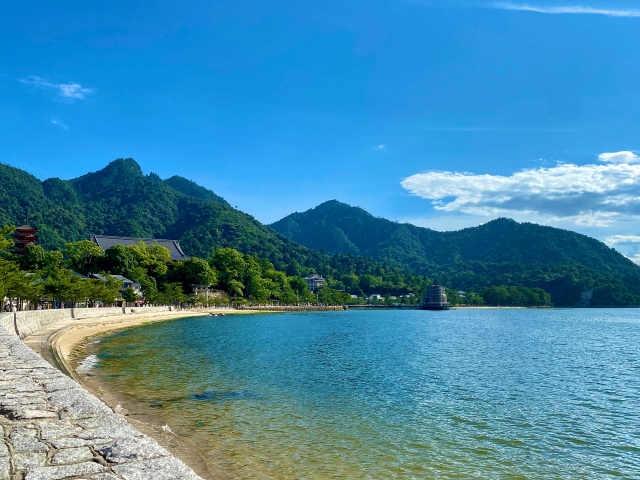
The verdant green of the mountains and the fresh blue of the sea and sky were vivid and soothing to the eye. As she breathed in the sea air, she realised it had been years since she was able to get away on a trip like this to unwind away from her home and office.

Stepping off the ferry and onto the picturesque island, Mari was immediately surrounded by deer, who roam freely around the island, just like the deer in Nara Park.

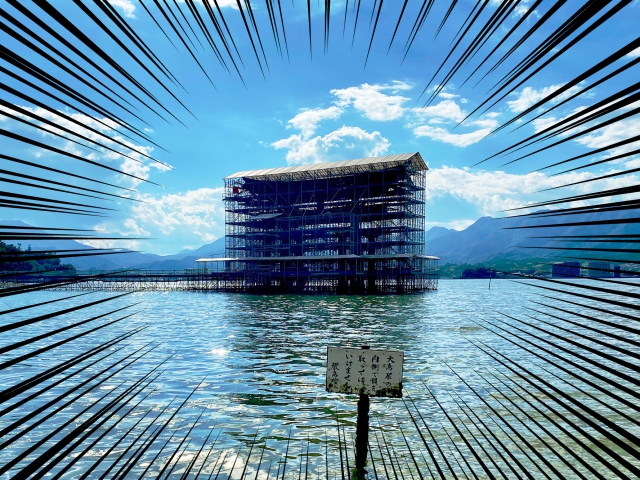
Momentarily distracted by the deer and soft-serve ice cream shops, a few minutes passed before Mari looked out to sea in search of the famous torii gate that’s so symbolic of the island. However, when she gazed out over the water, she discovered…

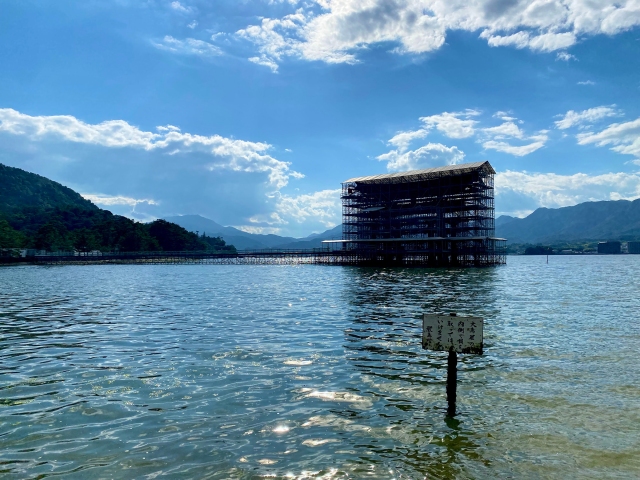
▼ …the torii gate was surrounded by scaffolding!
Mari’s hopeful gaze quickly turned into one of disappointment, as she realised she should’ve done some research before travelling to the island. If she had done her research, she would’ve known that the giant torii gate has been undergoing restoration work since 2019.

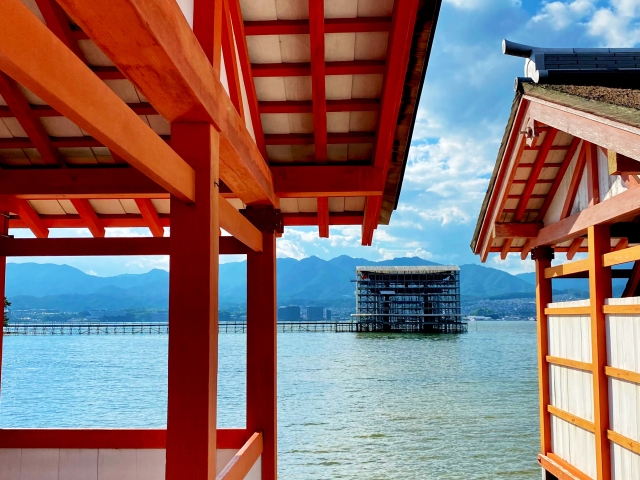
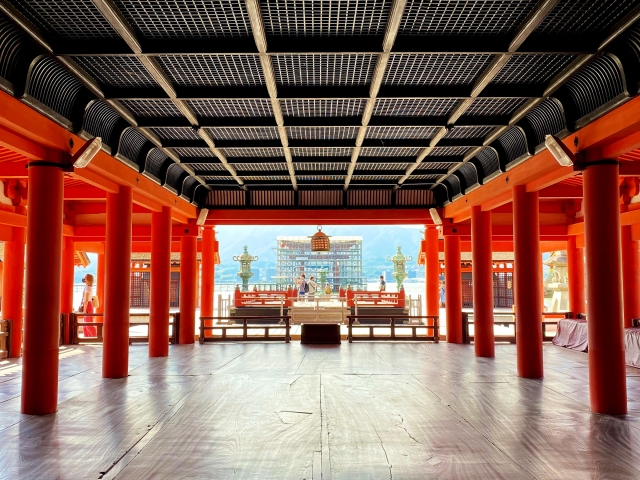
Thankfully, Mari is a glass-half-full type of traveller, so she decided to simply be grateful that she was able to travel to the island at all. With this sense of gratitude, the view of scaffolding from the shrine buildings didn’t look so bad at all.

She figured she was actually fortunate to be able to see it like this. Sure, other travellers may have captured picture-perfect selfies of themselves with the gate in the past, but out of all the millions of people who’ve visited the island, not everyone can say they’ve seen the view look like this. 

According to the Miyajima Tourism Association website, this is the first time the gate has undergone repairs since it was built 140 years ago. So from that point of view, seeing the gate like this is a once-in-a-lifetime opportunity.

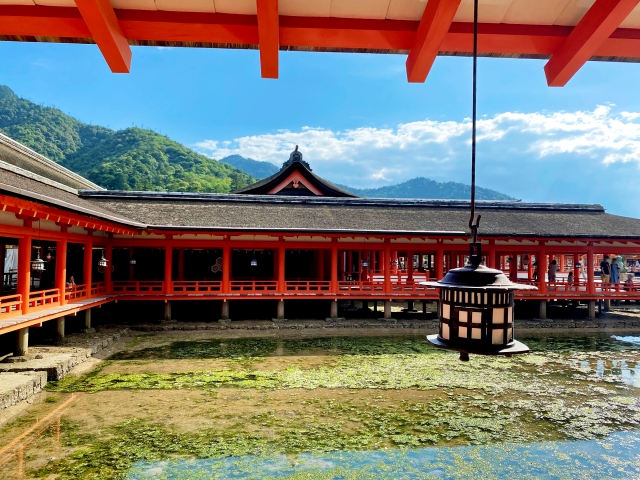
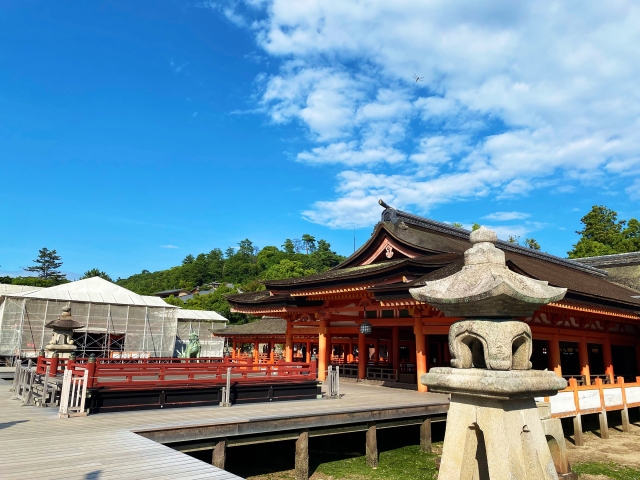
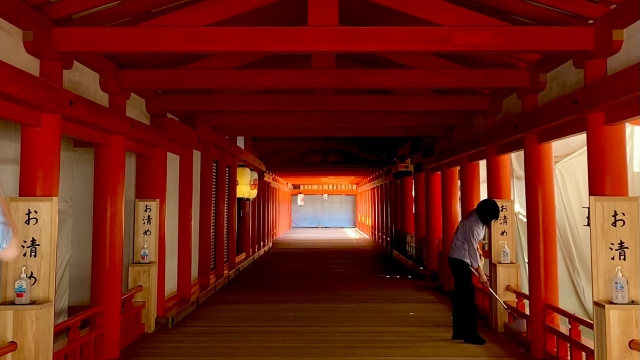
▼ There’s more to Miyajima than just the famous gate, of course — the shrine buildings are looking absolutely beautiful at the moment.

▼ Hand sanitisers are a modern addition to the shrine.

Mari found herself wishing she’d visited at high tide so she could view the buildings surrounded by water, as if they were floating. But then she stopped and reminded herself again to be grateful.

Not everyone can travel to Miyajima right now, so Mari decided to live in the moment and enjoy it for what it was. There’s beauty in imperfection everywhere, if only you open your eyes to let it in.

Mari spent a good few hours strolling around the island and seeing the sights before she had to get back on the ferry and return to her work duties. And when she did, she turned for one more look at the splendour of the shrine, surrounded by the green of the mountains and the blue of the sky and sea.

It was a majestic sight, and Mari was glad she was able to spend time there, if only for a short while. The shrine and its gate has been greeting visitors since 1875, and with repairs and restoration underway like this, it’ll be around long after the scaffolding comes off later this year.

So whenever you come across scaffolding at a historic site in Japan, remember to stop and see the beauty and joy in the moment. And sometimes, you might just be able to see something that makes you laugh a little too!

Images © SoraNews24
● Want to hear about SoraNews24’s latest articles as soon as they’re published? Follow us on Facebook and Twitter!