Páginas

lunes, 28 de febrero de 2022

Japanese Twitter user gives perfect comeback when grandma starts hating on video games

https://ift.tt/nfAgM8t Scott Wilson

So simple, yet so effective.

We’ve all been there before, where a family member is making fun of something we like, whether it’s cardboard standing desks or Pokémon stamp collections.

Usually we just give them a fake smile, ignore them, and make a mental note to avoid them better at the next family reunion barbeque… only to come up with the perfect comeback later, long after the moment had passed.

But Japanese Twitter user @extrmmtkchan recently shared a conversation he had with his grandmother when she started putting down video games, and we absolutely enjoyed it vicariously from beginning to end:

(Translation below)

“My grandmother said to me, ‘Your younger brother does nothing but play video games. You’re so much smarter than he is. How did you get so smart?’ ‘By playing video games,’ I replied immediately, feeling like a boss.”

Now that’s a comeback most of us can only dream of!

When asked how his grandmother reacted, @extrmmtkchan said that he asked her, “Are you okay? You feeling all right? Do we need to get you a PCR test?” Apparently it was quite a shock for her!

But in all honesty, it’s unfortunate how video games are still seen by so many people as a waste of time. For me personally, I grew up playing RPGs, and they taught me math, strategy, and how to read really fast in order to react to enemy attacks and heal my party. I’m sure I’m not alone in knowing that video games sharpened my mind when I was younger and shaped me into who I am today.

Japanese netizens shared their admiration for @extrmmtkchan’s response:

“I learned all the prefectures in Japan by playing Momotaro Dentetsu.”
“I set all my games to English. 80 percent of the English I know came from them!”
“I’ve learned so many random things from games.”
“If you’re not having fun, you won’t learn, that’s probably why the younger brother is struggling.”
“Cannot like enough. Games use your brain and your heart. Manga does too.”
“That comeback was so good even I felt like a boss just reading it.”

Of course while too much video gaming can be bad, the same goes for anything. As long as it’s done in moderation, gaming can not only be extremely awesome, it can help you learn new things too.

And if you play games in Japanese, it may just help you pass the JLPT N1 someday as well!

Source: Twitter/@extrmmtkchan via My Game News Flash
Top image: GAHAG (Edited by SoraNews24)
● Want to hear about SoraNews24’s latest articles as soon as they’re published? Follow us on Facebook and Twitter!

domingo, 27 de febrero de 2022

Japanese ambassador stayed in Ukraine to fight in his grandfather’s samurai armour? No, not true

https://ift.tt/Jf7YGIF Oona McGee

Fake news story goes viral around the world, but the real story behind it is just as compelling.

During times of war, misinformation can spread like wildfire online, as the Internet becomes saturated with images and reports related to the conflict that aren’t always true.

That’s what happened this week, when a photo of a man in samurai outfit went viral online.

The image above appeared on Reddit, Facebook, Twitter, and a host of other social media platforms, where it was shared with the following message:

“The Japanese ambassador to Ukraine stayed in Kiev.
His great-grandfather’s samurai sword and traditional armor was delivered to him from Tokyo, Japan.
In a FB post, he declared that the samurai must protect the country in which he is!
‘Glory to Japan! Glory to Ukraine!'”

However, as readers of our site will know — seeing as we reported on the photo on 18 February, almost a week before the invasion of Ukraine began — this is not the Japanese Ambassador To Ukraine. It’s the Ukrainian Ambassador to Japan, and he’s not in Kiev, or Kyiv, he’s in Tokyo.

The photo first appeared online in this 15 February post from Ambassador Sergiy Korsunsky, the Ukrainian Ambassador to Japan.

As for the samurai armour being delivered from his great-grandfather, that’s also a lie, as it was provided by samurai artist Tetsuro Shimaguchi. Shimaguchi (below) who lives in Japan where he teaches kengido, a style of samurai swordplay. He also choreographed and appeared in sword-fighting scenes in Quentin Tarantino’s 2003 blockbuster Kill Bill: Vol. 1.

Korsunsky initially met with Shimaguchi as part of a cultural exchange activity after he took up his position as ambassador at the Embassy of Ukraine in Japan in April 2020, and the two have been vocal about their support for each other’s countries ever since.

While it’s unclear whether Visegrád 24, which claims to deliver “news, politics, current affairs, history and culture from the Visegrád countries” (Czech Republic, Hungary, Poland and Slovakia), was responsible for skewing the story behind the ambassador’s photo, they haven’t made any moves to correct the story or take the misleading post down.

The Embassy of Ukraine in Japan says it has been attempting to correct the misleading narrative, but the fake story has spread so rapidly it’s now become impossible for them to rectify.

Thankfully, people who know the truth online are continuing to make the real story known, including news agency Agence France-Presse (AFP), who ran a story on the truth behind the photo on their digital verification site, AFP Fact Check.

So next time somebody tells you about the mysterious Japanese ambassador in Ukraine fighting with his great grandfather’s samurai armour, you might want to ask them to check their sources.

And then tell them the truth about the Ukrainian ambassador in Japan, who dressed in samurai armour as a show of strength against Putin and the impending invasion. Because that story is equally compelling, and best of all, true.

Sources: Twitter/@KorsunskySergiy, Twitter/@kamuitetsuro, Twitter/@visegrad24 via AFP Fact CheckYahoo! News 
Top image: Twitter/@KorsunskySergiy
● Want to hear about SoraNews24’s latest articles as soon as they’re published? Follow us on Facebook and Twitter!

Hinnyari Snack Time for cats helps pets look cool and stay cool

https://ift.tt/HKwlOYR Master Blaster

All the cool cats in Japan have one.

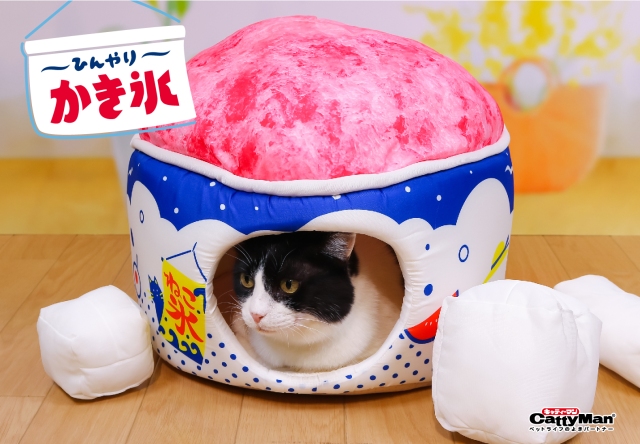
Now that the Winter Olympics are behind us and all the creepy men dressed like pandas on the street have gone home, its time to prepare for the blistering hot summer months that lie ahead. It’s a particularly difficult time for our furry friends who need to endure the heat with a constant layer of fur. This is a problem that CattyMan, the feline-oriented arm of major dog goods company DoggyMan, has set out to remedy with their line of Hinnyari Oyatsu Time (Icy Snack Time) cat beds.

There are three types of bed, starting with the Hinnyari Kakigori (Icy Shaved Ice) bed. This palatial soft dome is shaped like a cup of ice shavings drenched in strawberry syrup and some extra cubes on the side that can act as throw pillows for cats to rest their heads on or just bat around the room as they see fit.

Next is the Fresh Fruit Sandwich, which is a large fluffy cushion shaped like a diagonally cut half of sandwich filled with whipped cream and fruit. When your cat enters, it becomes one with the sandwich and undoubtedly has some sweet dreams next to its kiwi fruit pillow.

The orange is also removable, allowing for different entrance and exit orientations and aesthetic fruit orientations.

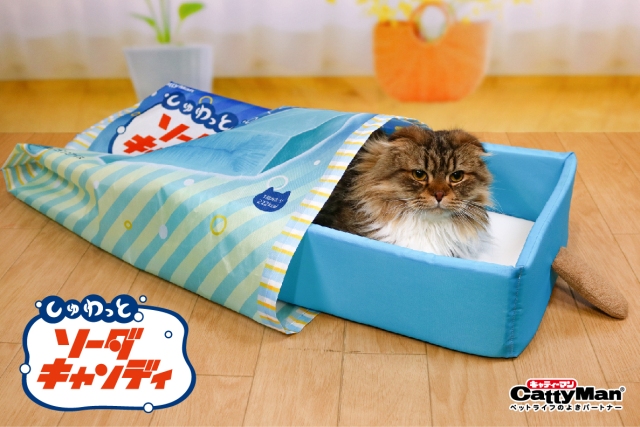
Finally, there’s the Shuwatto Soda Candy (Effervescent Soda Candy) bed shaped like a bright blue bar of ice candy. Its box-like shape is sure to please kitties of all shapes and sizes, and comes with a blanket styled as a wrapper for those not-so-hot nights or simply hiding out. The wrapper/blanket also makes a rustling sound when disturbed, which ought to drive cats wild with curiosity.

All of these beds don’t just look the part of staying cool either, they all use a specially designed material that stays cool to the touch.

All Hinnyari Oyatsu Time beds went on sale now at pet supply stores in Japan, with prices varying by location. Luckily, that gives cat owners more than enough time to track down the style that best suits their pets’ summer tastes before the heat really kicks in.

Source, images: Newscast
● Want to hear about SoraNews24’s latest articles as soon as they’re published? Follow us on Facebook and Twitter!

Japanese expat remembers the words that changed his life when he started working in Australia

https://ift.tt/gyx8BYw Casey Baseel

Having never left Japan before, he was worried his English wasn’t good enough, but a coworker knew just what to say.

Japanese Twitter user @KoalaEnglish180 lives in Australia and is the author of multiple books for Japanese-speakers who’re studying English. He wasn’t born into an English-speaking household, though, and before turning 20 years old had never left Japan.

▼ @KoalaEnglish180’s newest book, Kore wa Eigo de Ieru ka na? (“Can You Say This in English?“) just went on sale in January.

Needless to say, @KoalaEnglish180 didn’t step off the plane in Australia and immediately start speaking English with smoothly flowing sentences and perfect pronunciation. Yes, English is part of the required curriculum in Japan, but as anyone who’s ever studied a foreign language in their home nation can tell you, there are a ton of quirks, nuances, and other aspects of language that don’t really become apparent until you’re in-country.

So even after @KoalaEnglish180 had managed to find a job and start working in Australia, the Japanese expat still wasn’t feeling very confident, until an Australian coworker said some life-changing words.

As @KoalaEnglish180 recently recounted:

“On my first day working in Australia, I had no confidence in my English ability, and I’ll never forget what my coworker said to me. ‘Nobody thinks your English is bad. I can only speak one language, English, so I respect you for working so hard to learn a second. If I can’t catch what you’re saying, it’s my fault, so don’t worry about anything while you’re talking.’

The life I have now is thanks to those words.”

It’s a touching example of how a simple act of kindness, especially one tinged with common sense, can give someone the encouragement to keep going past the first tentative steps on an intimidating adventure. In addition to over 100,000 likes, @KoalaEnglish180’s tweet has prompted responses like these from those not too overcome with emotion to type them out.

“Your coworker is a wonderful person.”
“So…so kind.”
“He respects you for learning another language, and I respect him for being so considerate.”
“I had someone say something like that to me too when I was studying abroad in the U.S.”
“I was having a meeting with some Australian clients, and when I apologized for me poor English, they said ‘Thank you for speaking English, because it’s the only language we can speak.’”

What’s more, several commenters chimed in to say how much they appreciate the linguistic efforts made by foreigners in Japan.

“At the supermarket I work at, a lot of our cashiers are students from other parts of Asia, and I like how our manager always tells them he respects how hard they’re working to learn Japanese.”
“I’m always filled with respect for how well the foreign workers at my local convenience store can speak Japanese.”
“I’ve told people I’m amazed with how well they speak Japanese, and next time I’m going to make sure to say I respect them too.”
“At my office, we have people who can speak Japanese, English, and their native tongue. All I can speak is Japanese, and I don’t even do that all that well.”

Learning a language isn’t a binary process, where you suddenly clear a checkpoint and go from not being able to speak to being fluent. It’s very much the opposite, where pretty much the only way you’ll ever become able to speak perfectly is by first becoming able to speak imperfectly. Those awkward early stages can be filled with anxiety over inconveniencing whoever you’re talking to with your potentially unintelligible attempts, but there will always be people who appreciate and respect the attempt, as @KoalaEnglish180’s story and the reactions to it show, so keep at it.

Source: Twitter/@KoalaEnglish180 via Hachima Kiko
Top image: Pakutaso (edited by SoraNews24)
● Want to hear about SoraNews24’s latest articles as soon as they’re published? Follow us on Facebook and Twitter!

sábado, 26 de febrero de 2022

Japanese YouTuber in Harajuku w/ Vintage Street Style, Corduroy Pants & The Tote Bag by Marc Jacobs

https://ift.tt/ONbsyei

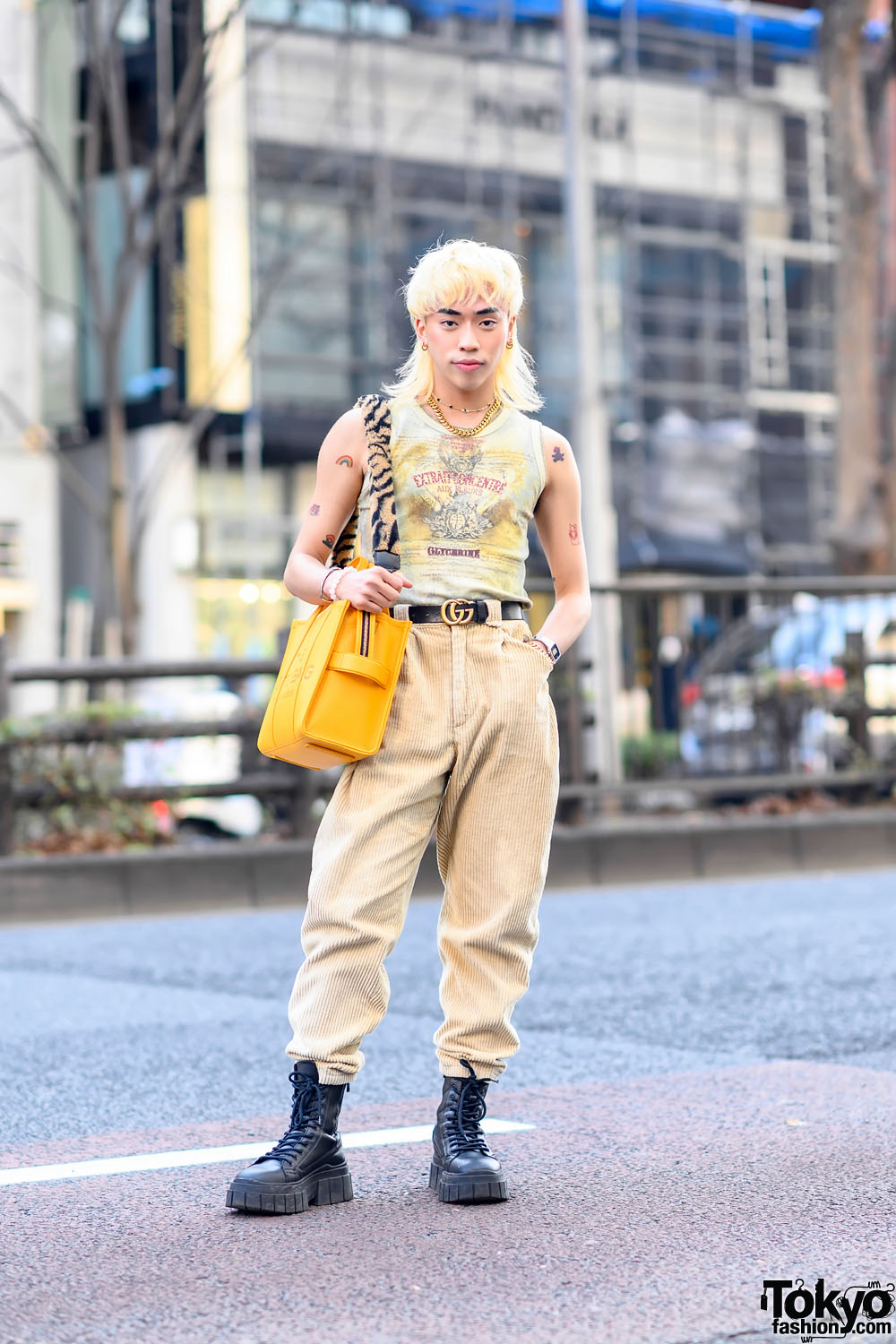
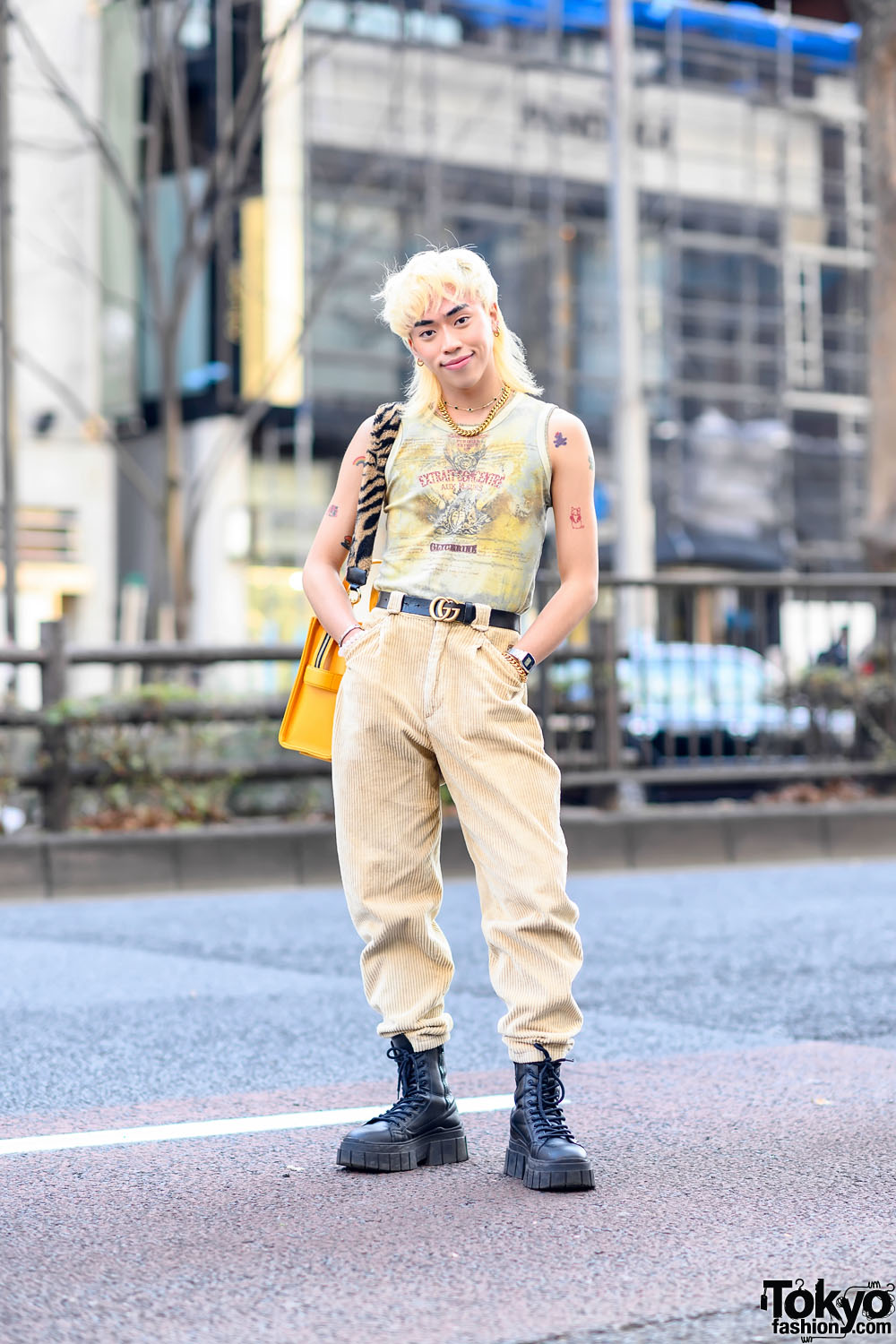
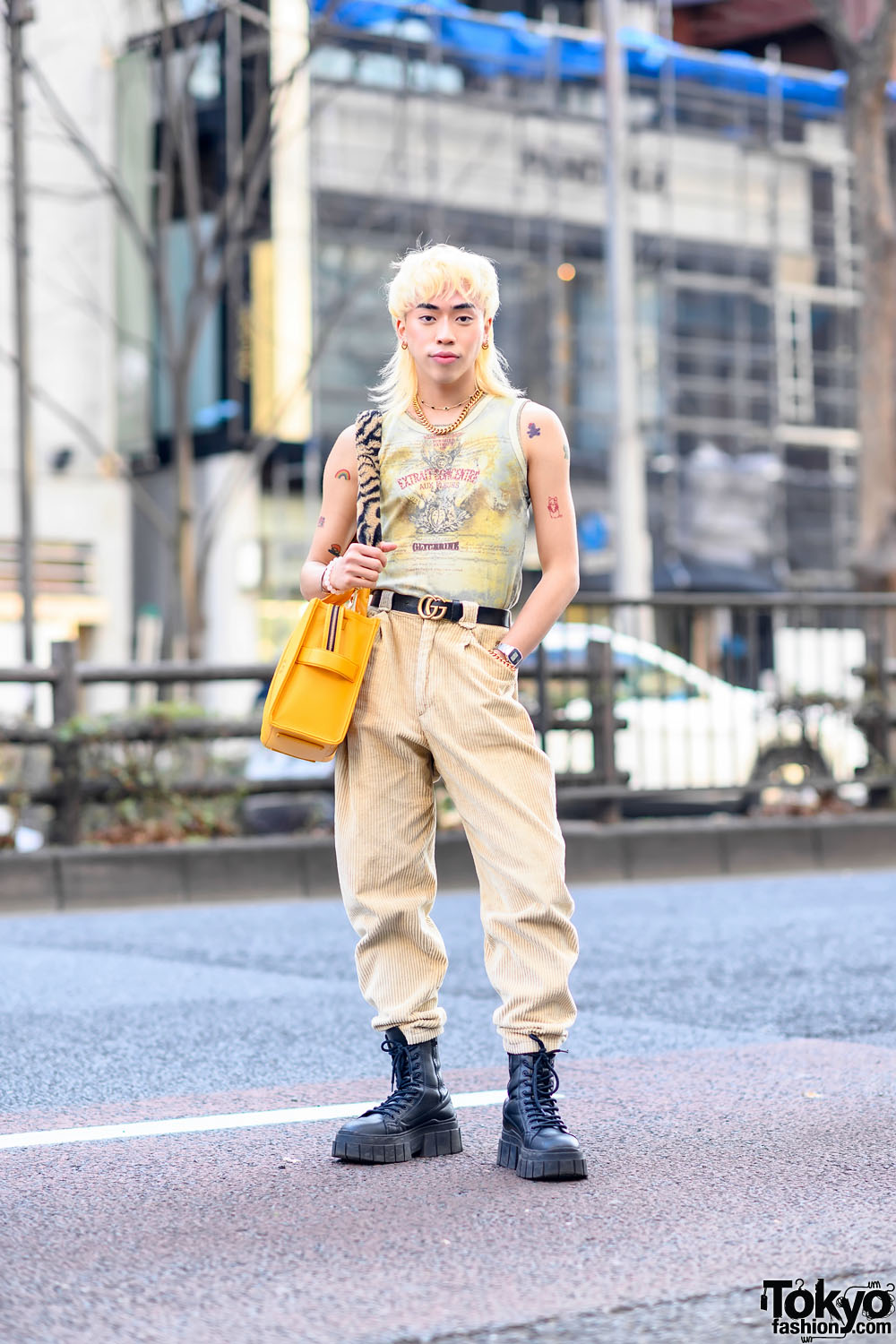
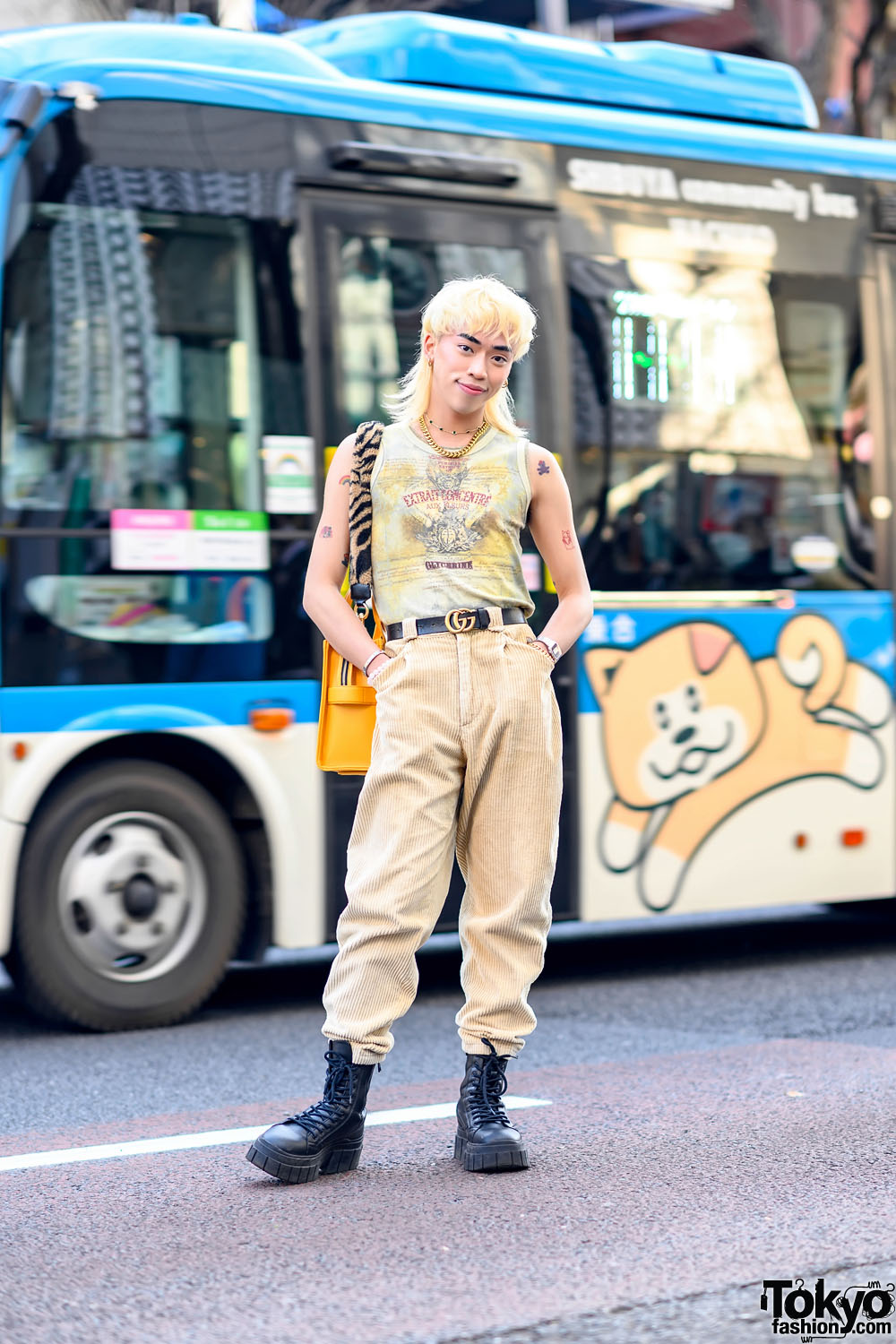
Stan is a Japanese YouTuber who we met on the street in Harajuku.

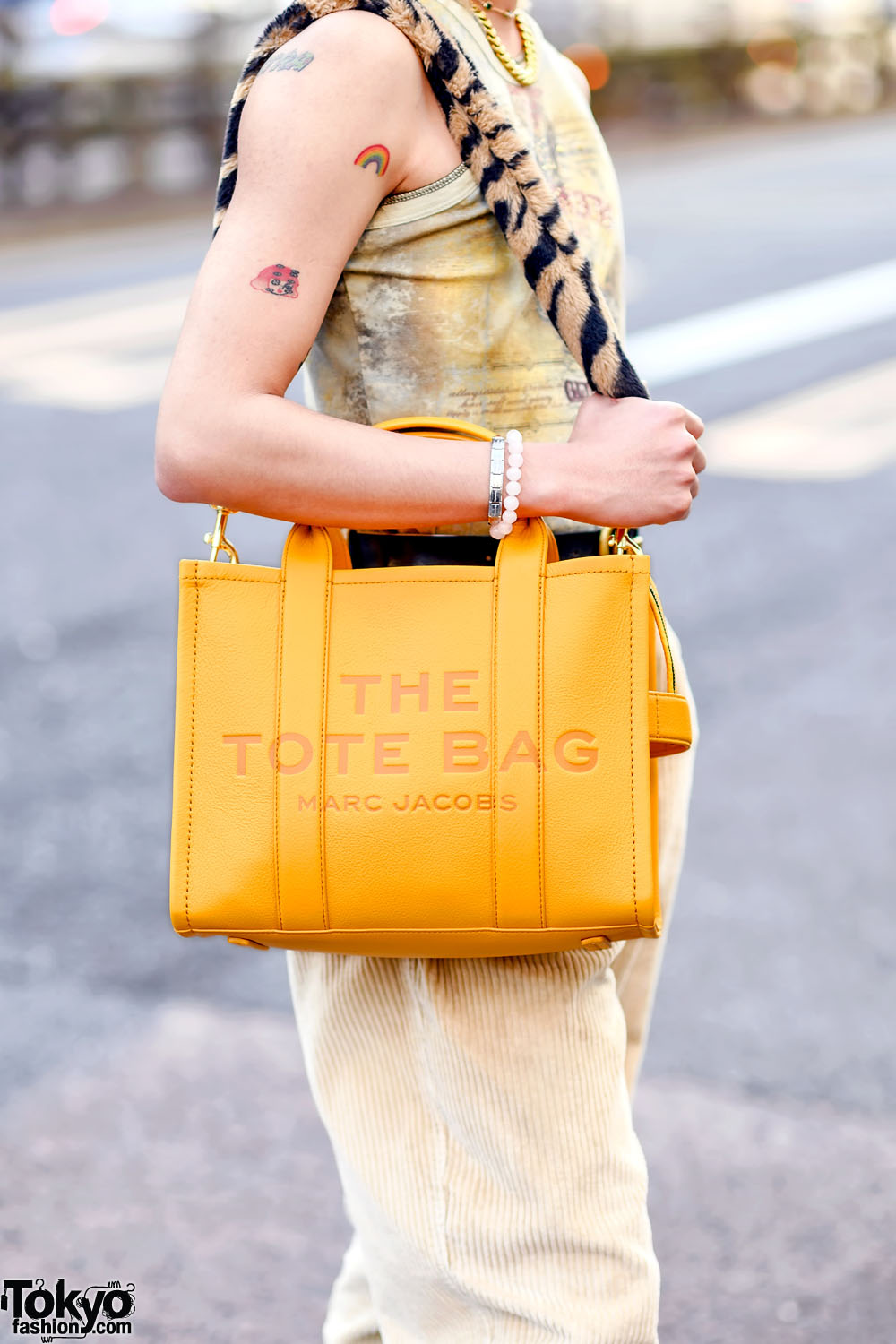
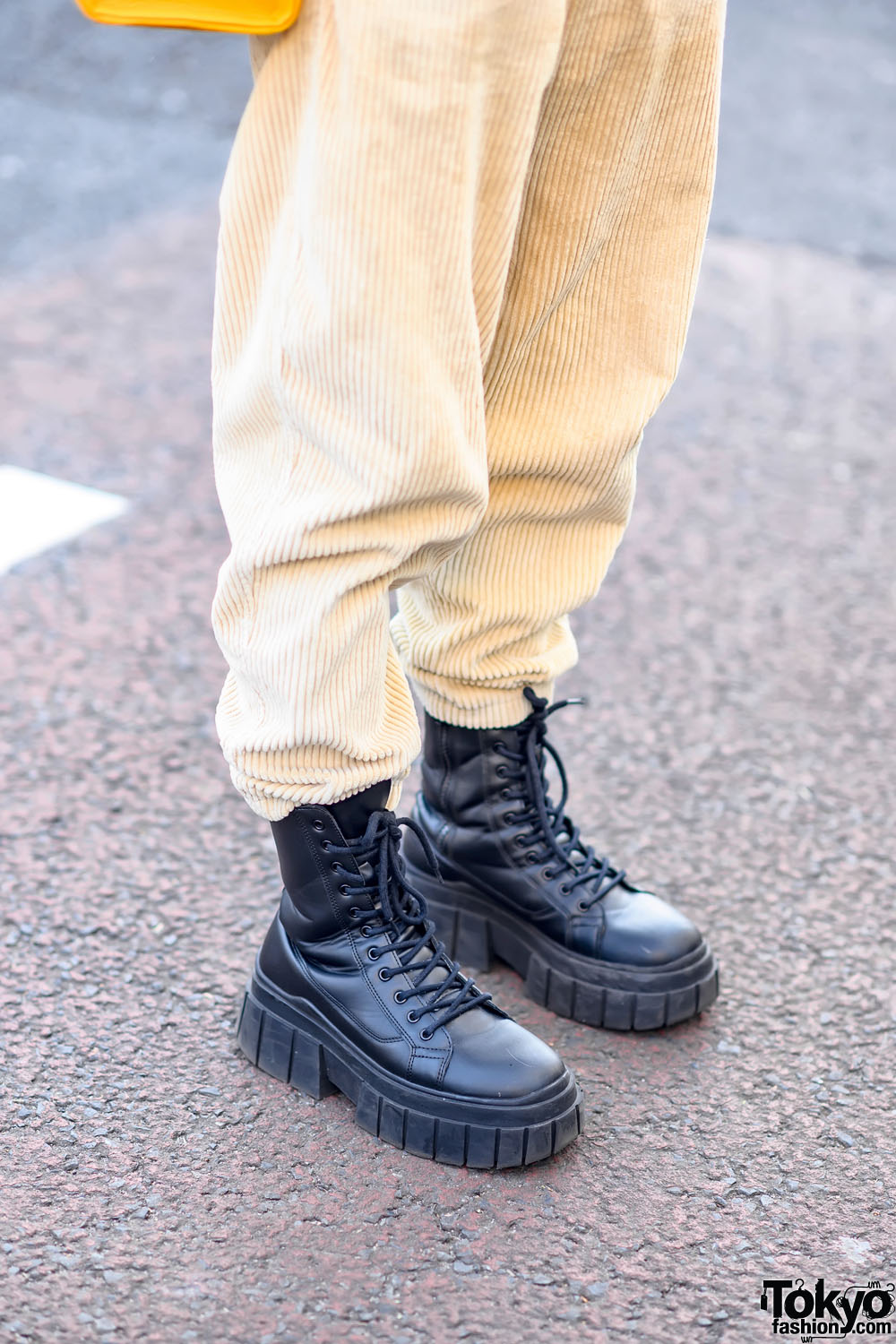
His look features a cool hairstyle along with a vintage tank top that he purchased at a thrift store, vintage corduroy pants, vintage accessories (including a Gucci belt buckle), a The Tote Bag by Marc Jacobs, and Bershka boots.

Stan’s favorite fashion brands include Marc Jacobs and Heaven by Marc Jacobs and he likes the music of SZA. Follow him on Instagram, Twitter, YouTube, or his official website for more of his Tokyo life.

Click on any photo to enlarge it.

tokyo

Ukraine chapters from manga “If There Is Conflict, Call Hatta” released for free online

https://ift.tt/6yIZMbP Master Blaster

The geopolitical series hopes to educate people on the Russian invasion of Ukraine.

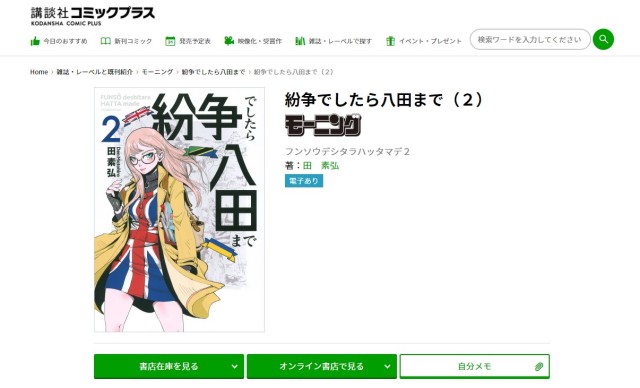
On 24 February, just as Russia was launched its invasion of Ukraine and people were trying to make sense of the situation, a small buzz on Twitter started in Japan because of the chapters of the manga If There Is Conflict, Call Hatta (Funso Deshitara, Hatta Made) that were urgently made available for free.

If There Is Conflict, Call Hatta follows the work of Yuri Hatta, a globe-trotting geopolitical consultant who uses her skills of chisei (a portmanteau of the Japanese words for “knowledge” and “geopolitics”) to help de-escalate conflicts between nations. And when she’s not out solving complex diplomatic issues, she likes to kick back and watch pro-wrestling.

It is the second and third volumes of this manga that have released for free because in them Hatta goes to Kyiv at the request of her former college roommate to help defuse a potential crisis with Russia.

Although it’s a fictional story, it is based on the real history between these countries as well as the rest of Eastern Europe. It also outlines many of the issues behind the current situation in detail and has bits of more casual trivia about Ukrainian culture, like their traditional food of Broscht, to keep people interested and help us gain a deeper appreciation for the region.

▼ The free release was suddenly announced via Twitter by the manga’s magazine.

The full series was published in the weekly magazine Morning since 2019, but moved to their online platform D-Morning, where new episodes continue. However, for a limited but undetermined period the Ukraine arc in its entirety can be read freely on the website Comic Days immediately and without any registration.

Unfortunately it is only available in Japanese, but every bit helps when it comes to educating and giving a background to what’s going on. By getting as much information as possible we can prepare ourselves for whatever happens next in this rapidly unfolding situation.

Source: Twitter/@morningmanga, Comic Days
Top image: Kodansha Comic Plus
● Want to hear about SoraNews24’s latest articles as soon as they’re published? Follow us on Facebook and Twitter!

viernes, 25 de febrero de 2022

New hot natural spring water at 7-Eleven proves Japanese convenience stores really are convenient

https://ift.tt/3q4YeKz Oona McGee

Surprising beverage exemplifies the chain’s commitment to customer service.

Lots of people in Japan like to drink hot water as a way to cleanse the digestive system and control gut health. While the science is out on whether it actually works, it’s something our reporter Mr Sato has been trying out lately, after his doctor told him he should start taking better care of what he puts into his body.

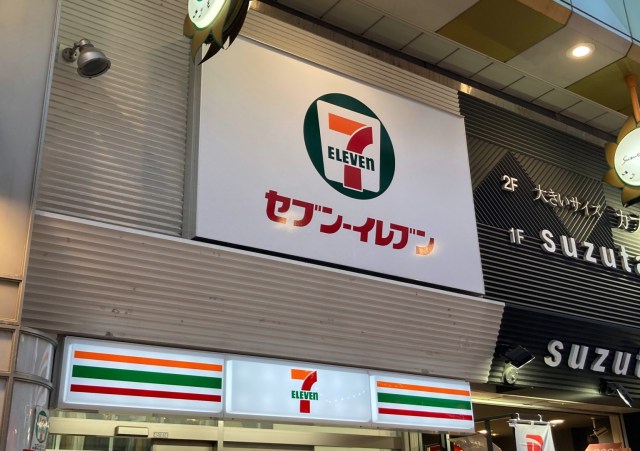
So when he heard that 7-Eleven was now catering to to the desires of the hot water-drinking public by selling bottles of hot water, Mr Sato immediately headed down to his nearest branch of the chain to check it out.

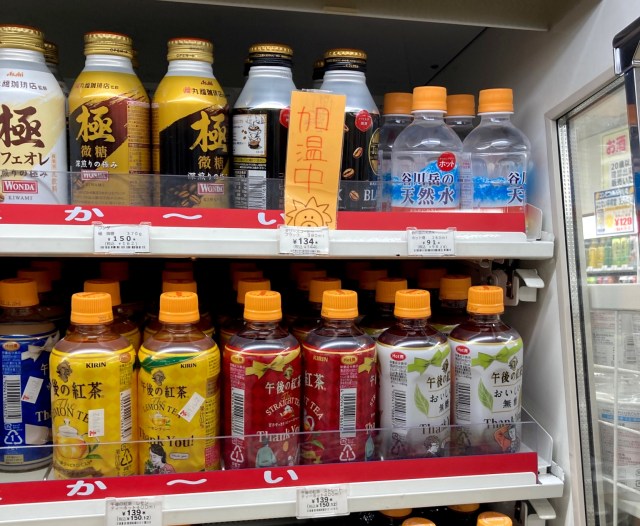
▼ Sure enough, when he arrived, there in the hot drinks section was…

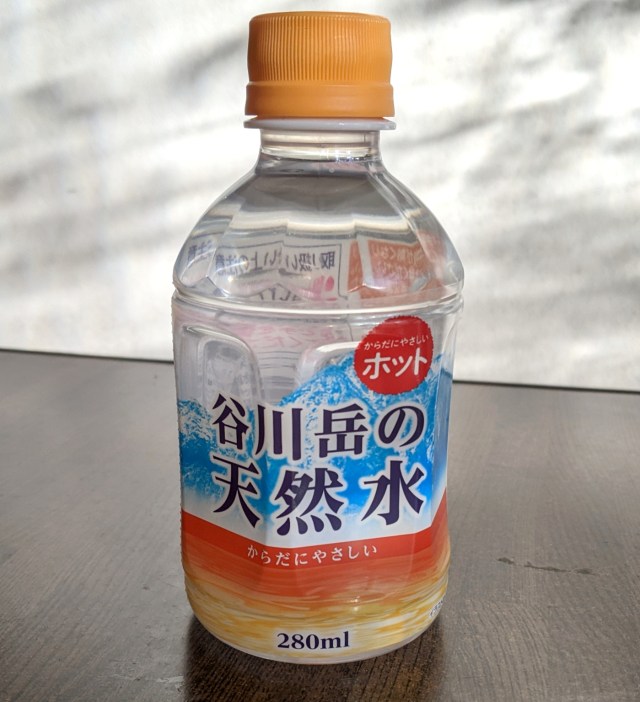
…hot natural spring water from Mt. Tanigawa!

Mr Sato had always thought Japanese convenience stores stocked everything he could ever want in terms of great food and beverages, but now that he had a bottle of hot water in his hand, he knew that to be true.

Plus, this wasn’t just any hot water — it was hot natural spring water from Mount Tanigawa, a 1,977-metre (6,486-foot) mountain on the border of Gunma and Niigata prefectures.

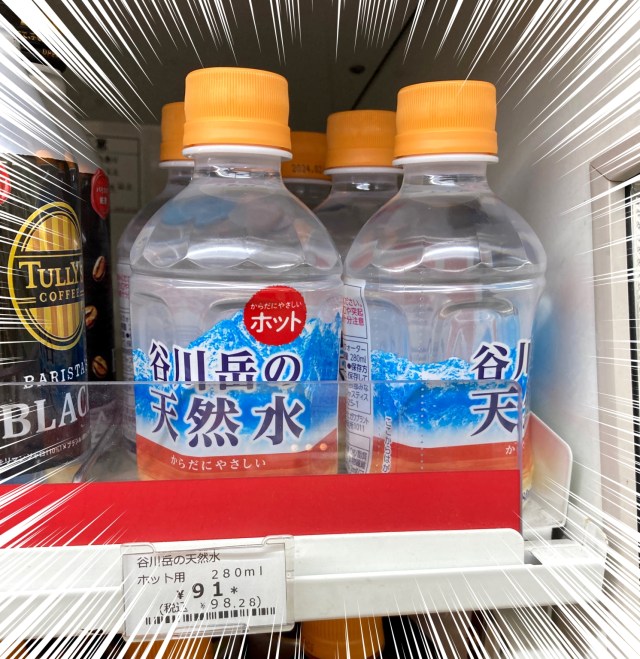
▼ Each 280-millilitre bottle retails for 91 yen (US$0.79).

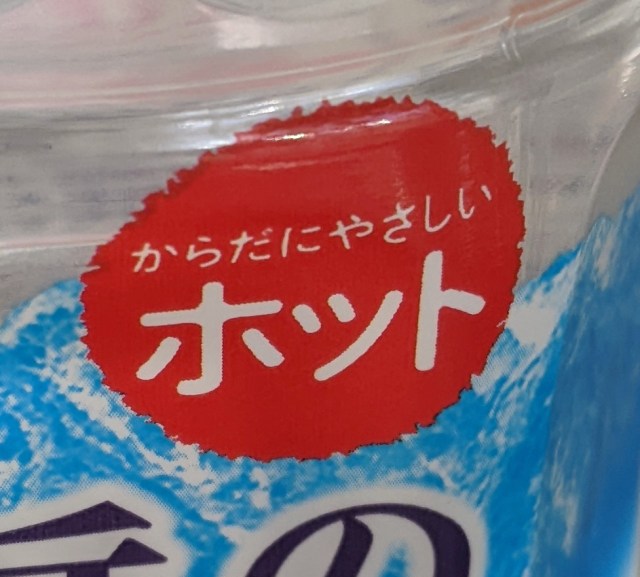
What makes this new release even more intriguing is the fact that it comes with special branding that makes it clear this water is designed to be served hot, so you’ll never find it in the refrigerated section.

The “ホット” (“Hot”) sign on the label comes with the words, “gentle on the body“, and while it looks like a sticker from a distance, it’s not — it’s part of the label.

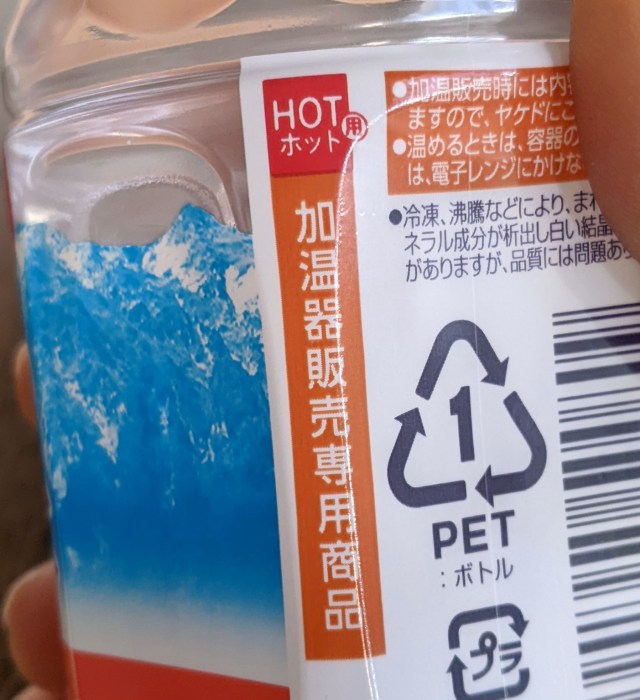
That means this water can only be sold hot — a fact that’s further reinforced by this part of the label that reads “Hot Use” and “Hot container sales exclusive product“.

Despite having tried gallons of weird and wonderful exclusive drinks in Japan, this hot water beverage was the weirdest thing Mr Sato had seen since, well…bottled water. Having grown up without any bottled water on the market, Mr Sato remembered the days when water simply came out of the tap, not mountains, which made him wonder if he’d been duped into paying for something he could easily make at home. So he did what any experienced water drinker would do — he sought to silence the eye-rolling inner critic in him with a taste test.

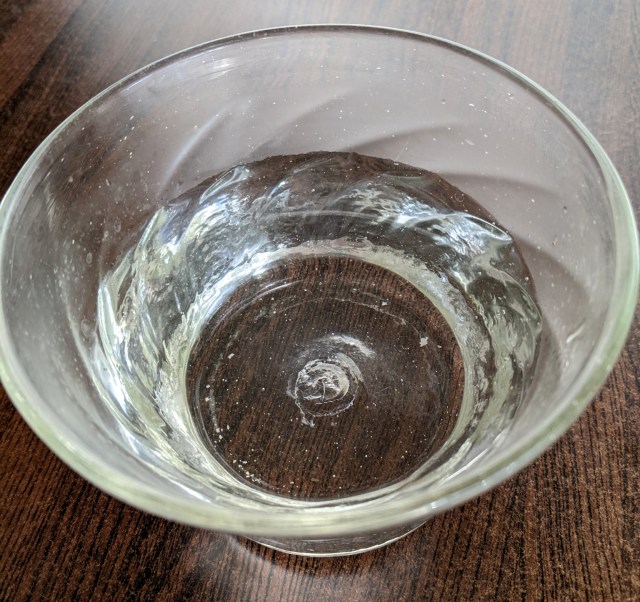
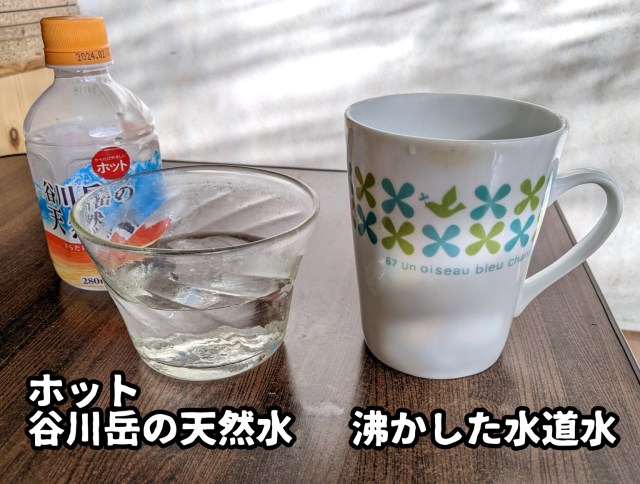
▼ We never thought we’d see the day when we would be comparing water with water, but here we are.

Mr Sato poured the water out of the bottle and into a clear glass. Inspecting it closely, he found the liquid to be colourless, transparent and odourless, which is what you’d expect from spring water sourced from a Japanese mountain.

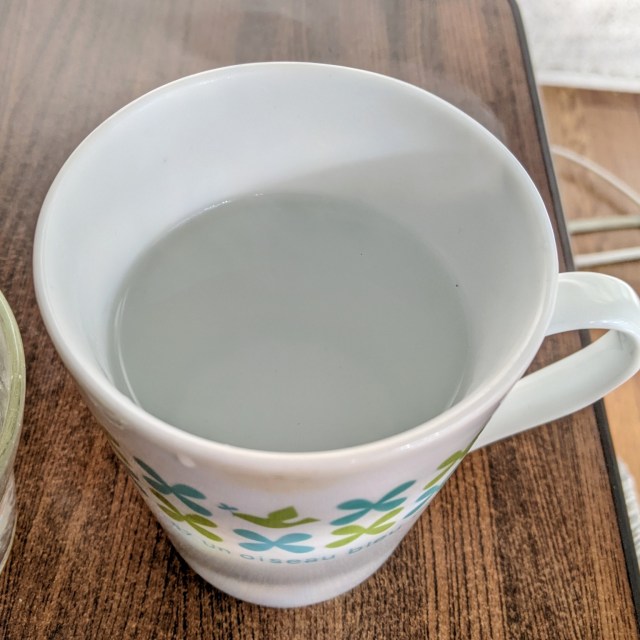
Mr Sato then grabbed a mug and filled it with water from the kettle, figuring it would be best to compare two purified forms of water rather than spring water vs tap water, which would have an obvious tap-water taste.

Inspecting the two side by side, the boiled tap water was also colourless, transparent and odourless. At this point, if this was a blind tasting, Mr Sato wouldn’t be able to tell the difference between the two.

However, after taking a sip of each one, the difference became abundantly clear. The hot bottled water from Mt Tanigawa was overwhelmingly delicious! Mr Sato actually described it as “incomparable”, saying it had a smoother texture and no unpleasant taste, while also mentioning that it “suited his body”.

While Mr Sato was swayed on the taste and the gentle-on-the-body health benefits of the hot water, other happy customers have pointed out how convenient it is in helping mothers mix formula for their babies, and its ability to help create meals like ochazuke.

When it comes to making ochazuke, that’s something Mr Sato is a bit of an expert at, having tried it with a cup of plain hot water from Starbucks recently. However, now that he knows there’s a more convenient way to get his hot water fix, he’ll definitely be making more frequent stops at his local Japanese convenience store!

Photos ©SoraNews24
● Want to hear about SoraNews24’s latest articles as soon as they’re published? Follow us on Facebook and Twitter!