Páginas

jueves, 29 de abril de 2021

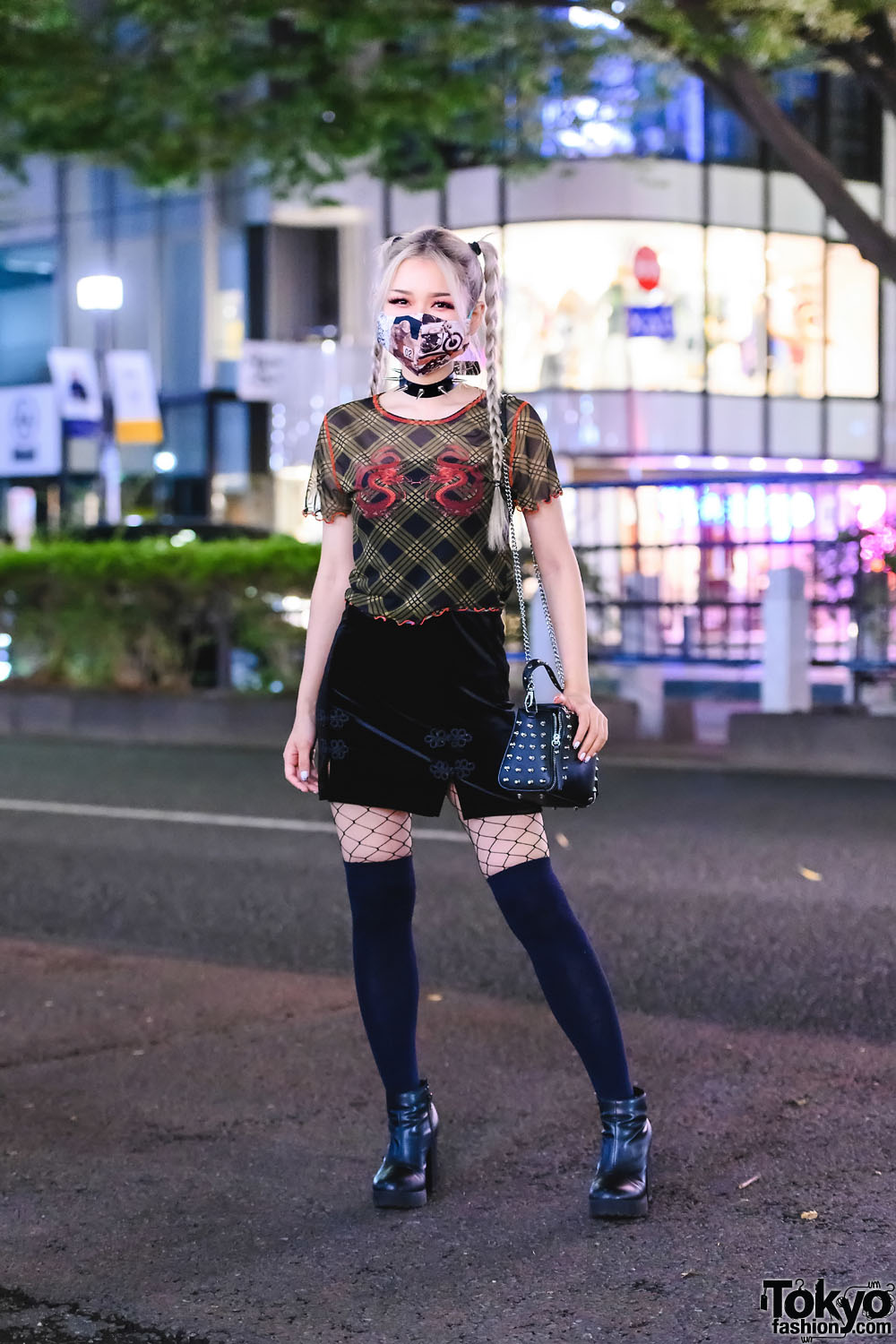
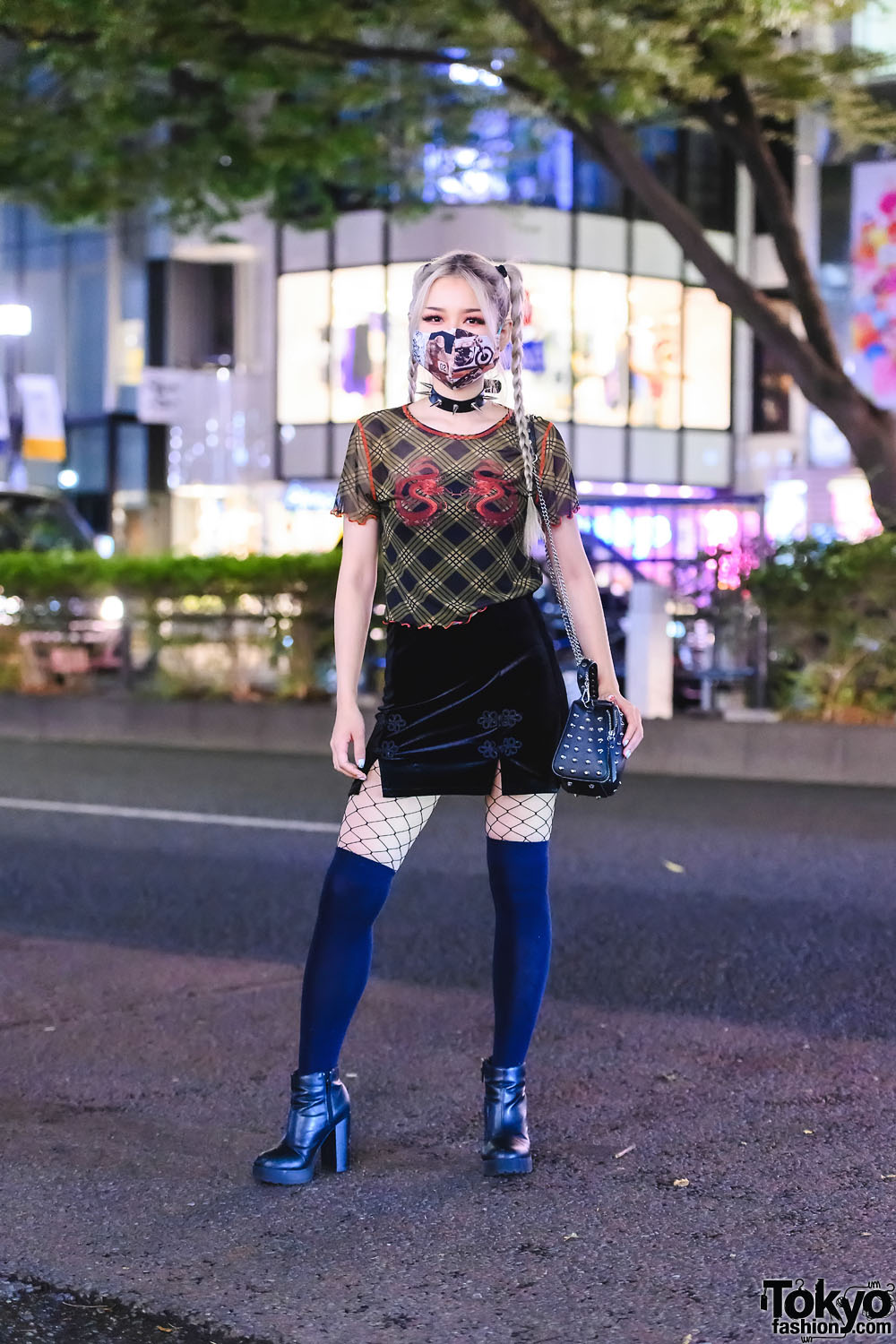
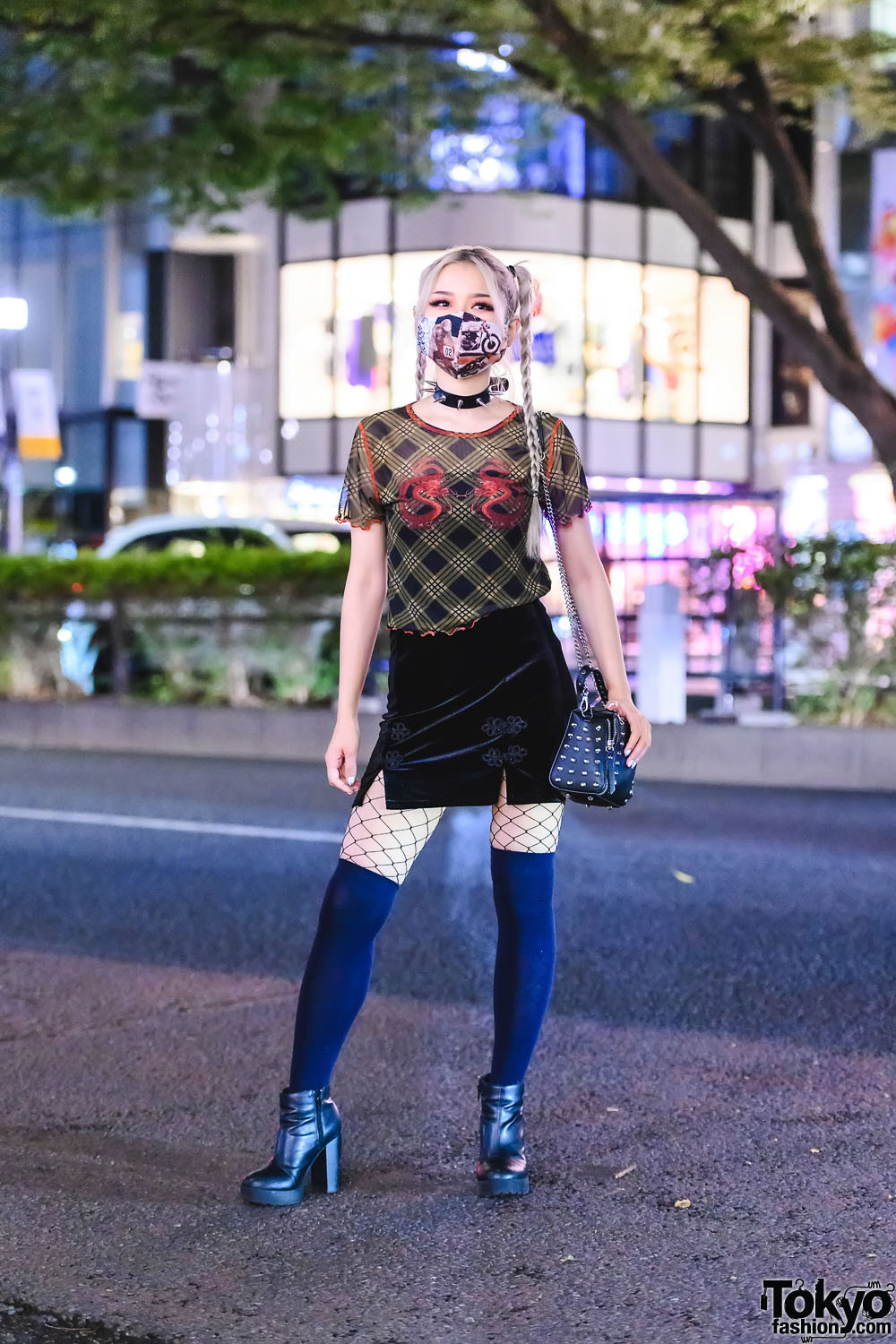
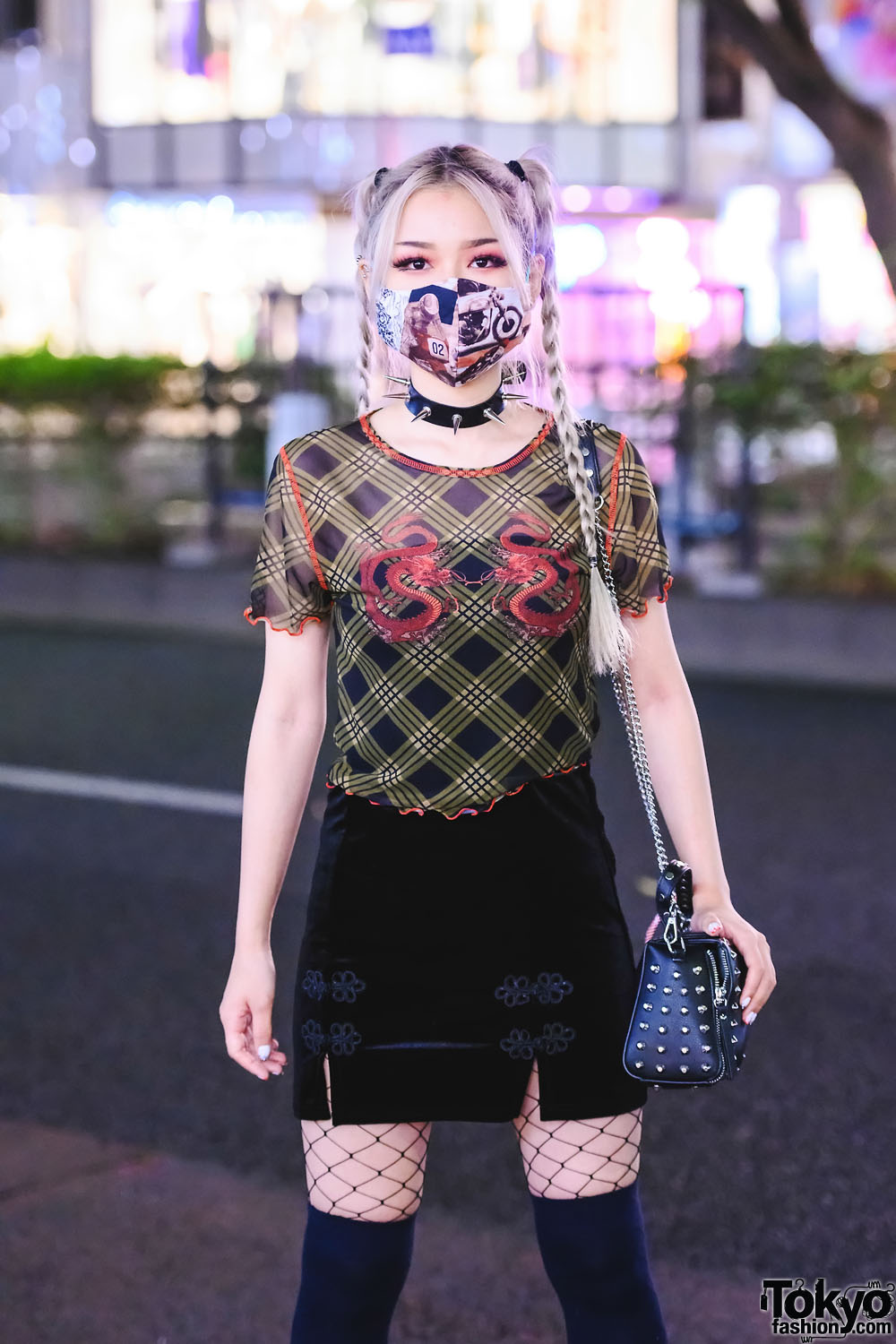
Harajuku Street Style w/ Twin Braids, Dragon Blouse, Velvet Mini Skirt, 24h Party Spiked Choker, Studded Handbag & Heeled Boots

https://ift.tt/3gQgf1I

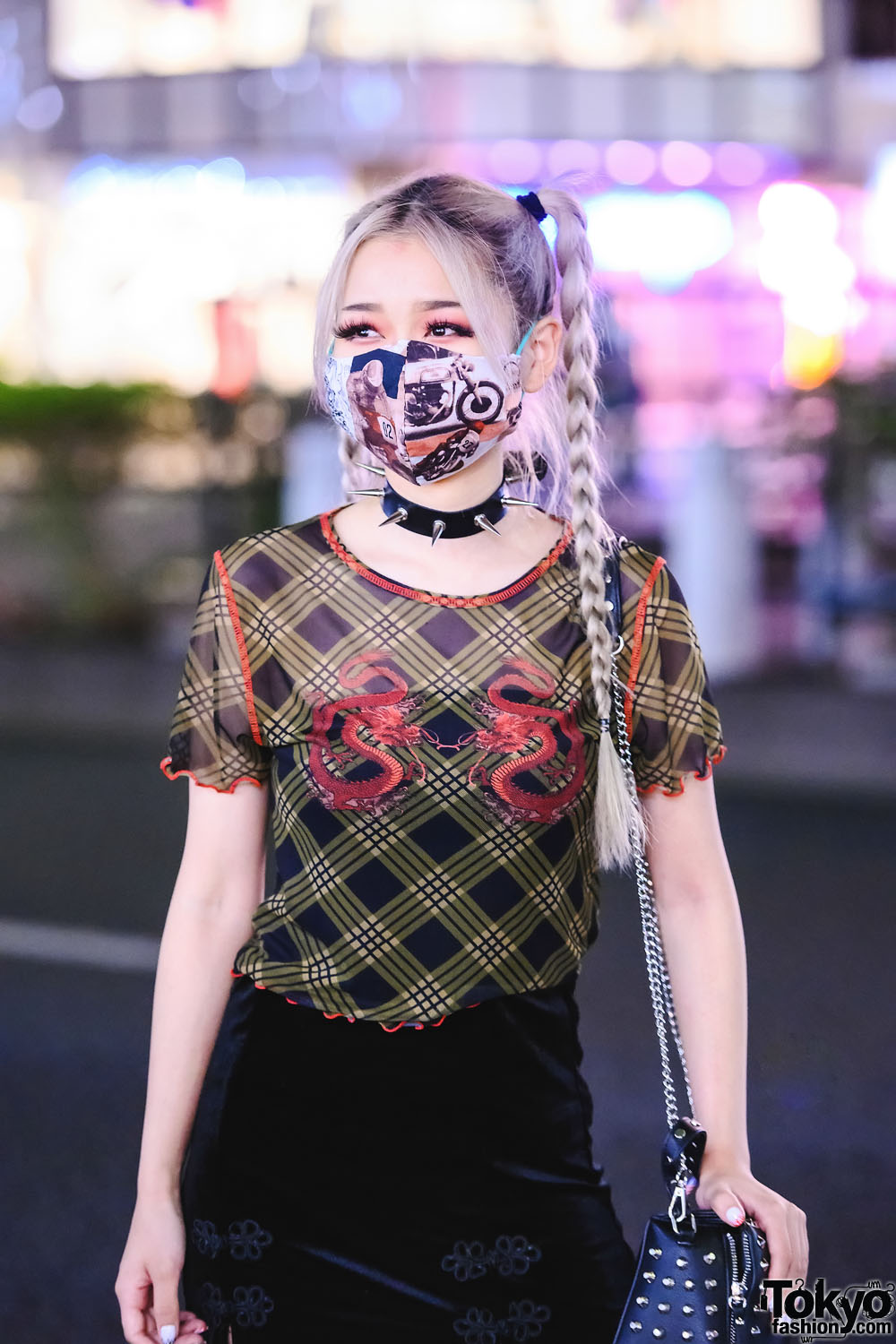
Sporting a striking ensemble on the streets of Harajuku after dark is Naya-chan, a 20-year-old beauty school student.

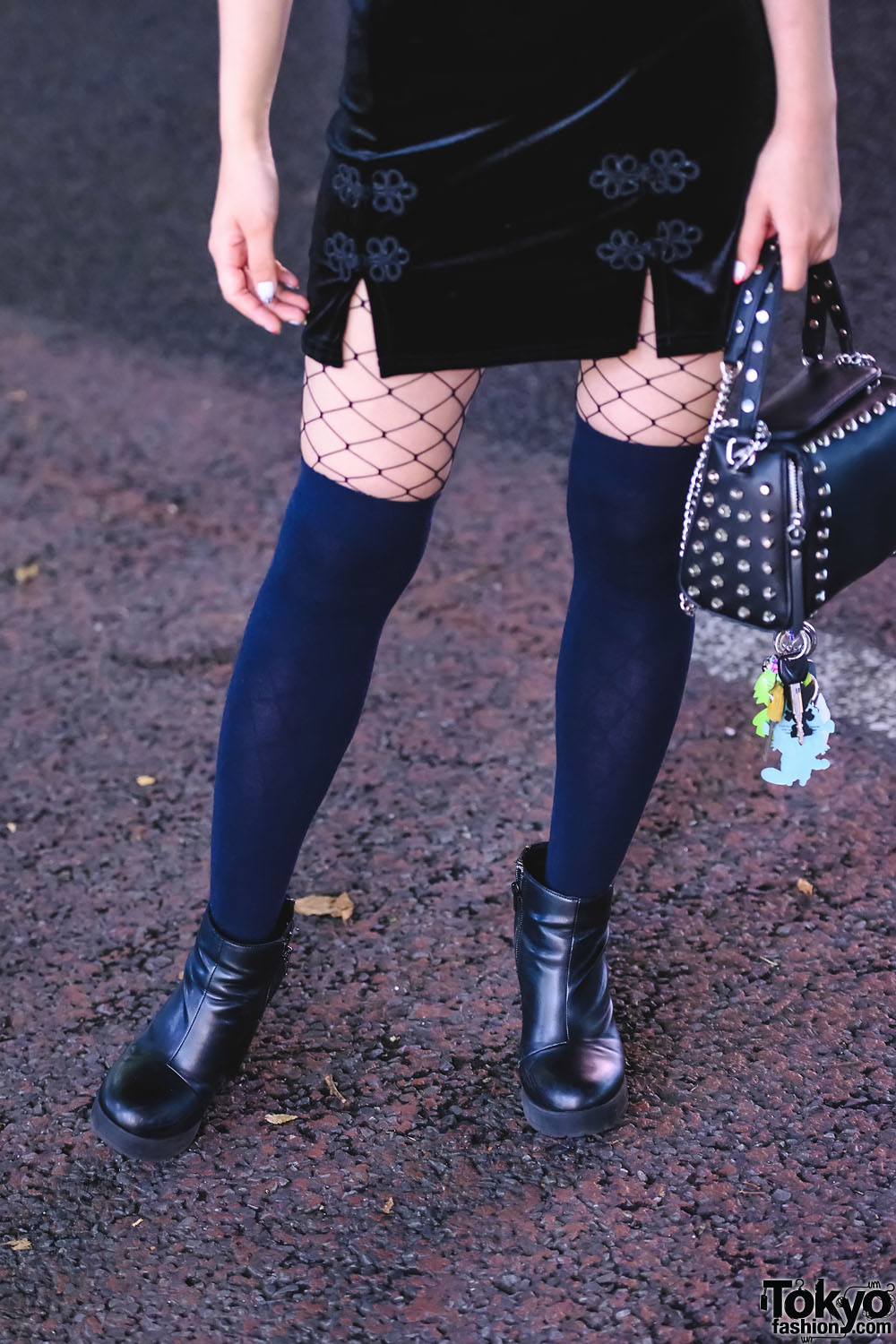
In addition to her ash grey twin braids, Naya-chan is dressed in a sheer checkered blouse with red dragon prints and red contrast stitching, which she styled with an inner black tank top. She also wore a black velvet skirt with side slits and Chinese-style knot buttons over black fishnet tights. Thigh-high black stockings, black H&M heeled booties and a black Zara studded handbag with a silver chain strap completed her ensemble. Accessories – mostly from 24h Party – such as a printed face mask and a spiked leather choker are the finishing touches to her streetwear style.

Naya-chan likes listening to Japanese idol group, Momoiro Clover Z, and she is active on Instagram.

Click on any photo to enlarge it.

Tokyo Street Style

miércoles, 28 de abril de 2021

Mos Burger’s new release takes raw onions to the extreme

https://ift.tt/2ScxLD7 Oona McGee

Celebrating local produce with some very Japanese condiments.

Japanese fast food chain Mos Burger is famous for using locally sourced ingredients grown by local farmers, and ever since 2016, they’ve been supporting onion growers from Awaji Island with their “Awaji Island Onion Festival” campaign.

▼ Awaji Island (“Awajishima” in Japanese) is one of the country’s premier onion-producing regions

In celebration of the island onions, Mos Burger released a special burger called the Awajishima Onion Burger Tailored with Japanese-style Soy Sauce last year. It proved to be so popular with customers that the chain was inundated with requests to re-release the burger, and so the fast food chain is adding it to the menu again for a limited time this year.

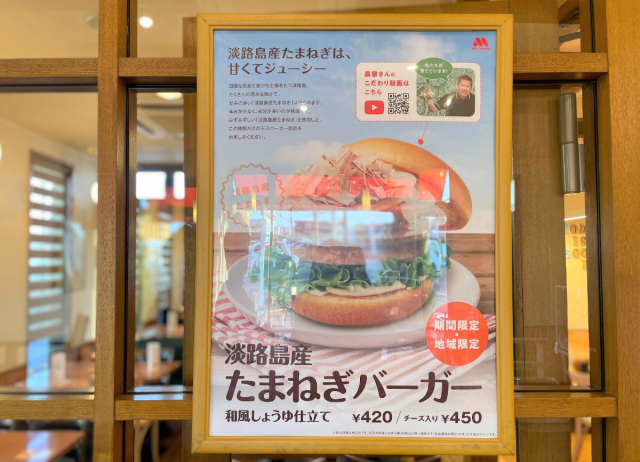
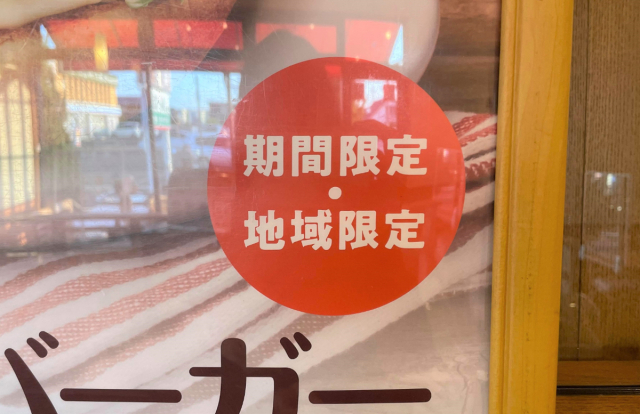
With freshness in mind, the burger is only available for a limited time and will only be sold in the Kansai and Chu-Shikoku regions in and around Awaji Island.

▼ “Limited Time / Limited Regions”

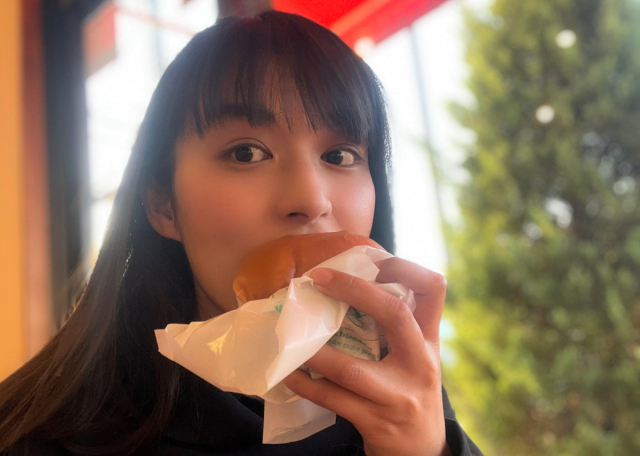
Our reporter K. Masami is based in Osaka, which is located in the Kansai region, and so she was able to pick up one of the limited-edition burgers when they were released on 26 April.

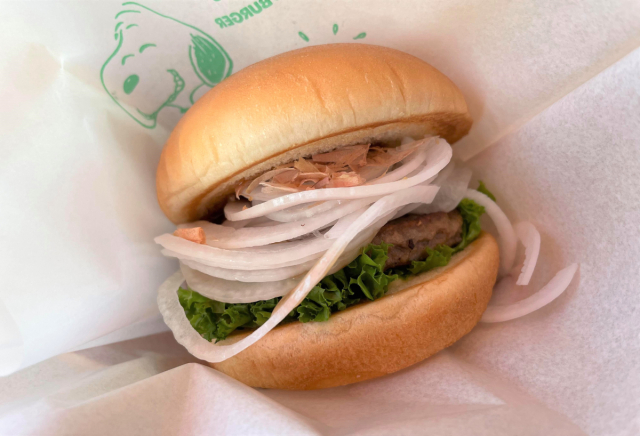
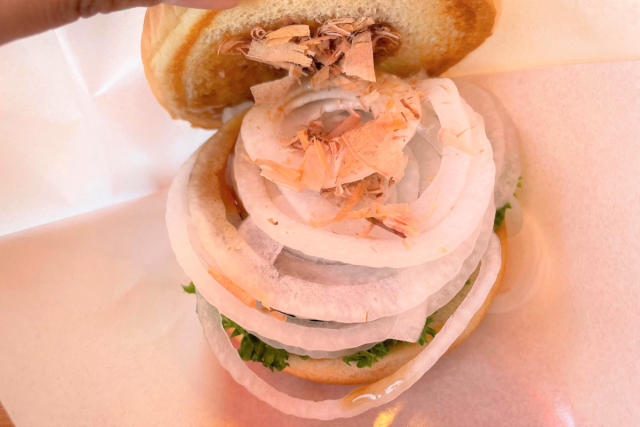
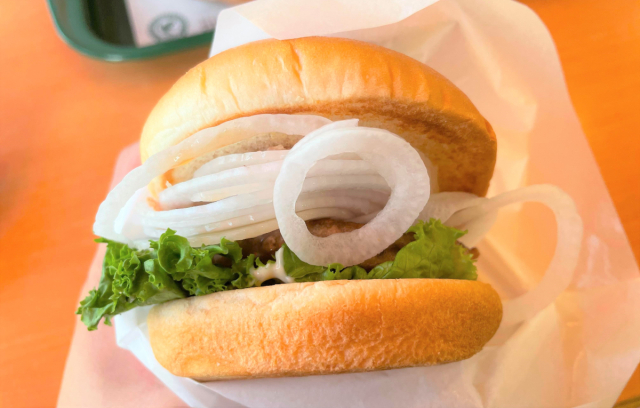
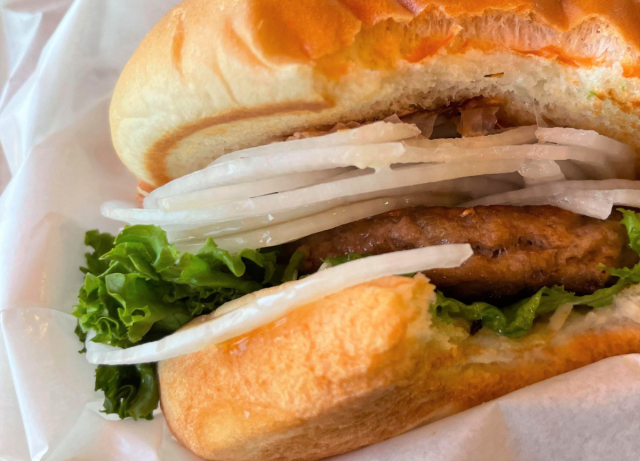
As soon as Masami lifted the top bun on her burger, she was immediately impressed by the simplicity of what lay beneath. There were rings and rings of fresh onions, topped with a dollop of sauce and a serving of shaved bonito flakes.

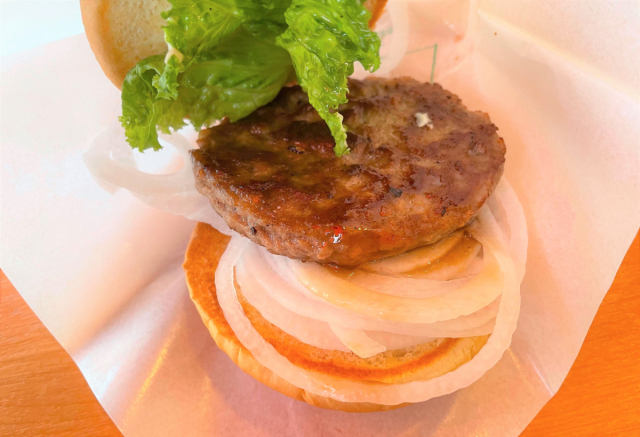
It was hard to see beneath the massive mound of onion rings, so she turned the burger upside down and lifted the bottom bun to find a green lettuce leaf and a meat patty hiding underneath it all.

Masami had never seen so many onions in a burger before, and was worried they might destroy her taste buds with their spicy bite. However, after her first mouthful, she was pleased to find that the onions weren’t hot but actually sweet, due to the fact that they were freshly picked. Had they been dried onions like the ones you usually find at the supermarket, the flavour would’ve been far more intense, but as they were new onions, Masami was able to enjoy their pleasant savoury sweetness.

The subtle flavour of soy sauce and the smoky notes from the shaved bonito flakes complemented the onions perfectly, and even the meat patty took second place behind the onion rings, which clearly stole the show.

Masami gives this unusual burger a big thumbs-up, and says her only criticism is that it should be on the menu for longer and expanded nationwide so that more people around the country can fall in love with Awajishima’s onions.

Priced at 420 yen (US$3.85), or 450 yen with cheese, the burger will be available until mid-May.

Photos © SoraNews24
● Want to hear about SoraNews24’s latest articles as soon as they’re published? Follow us on Facebook and Twitter!

After 3 tries, we finally got to eat purple ice cream and crepes from a popular Tokyo food truck

https://ift.tt/3eUele3 Dale Roll

The truck is only open for five hours a day during the weekend…but we had to have it!!

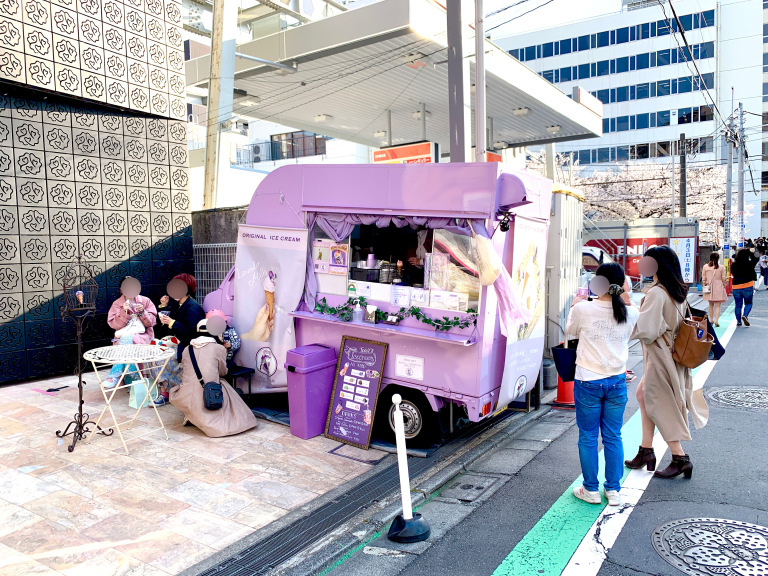
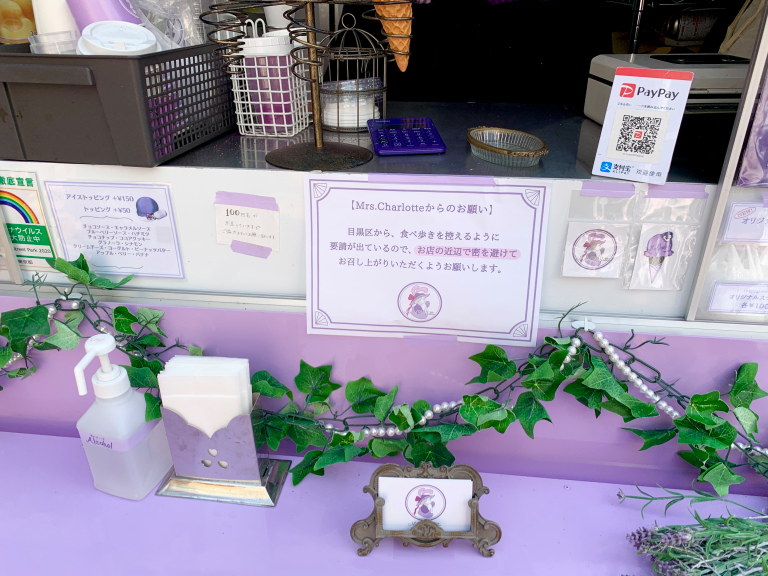
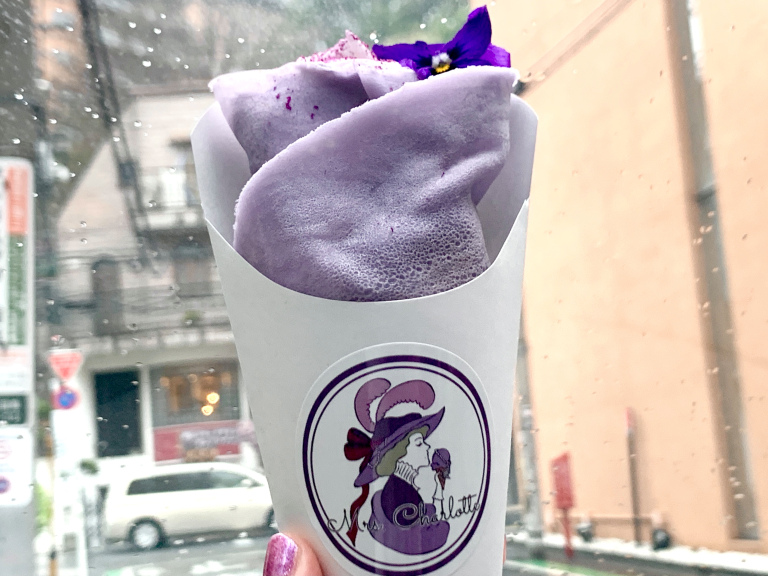
There’s a mysterious little sweets food truck in Tokyo that only appears on the weekends: it’s called Mrs. Charlotte, and it’s themed on the color purple. The whole truck is decked out in purple and much of what they serve is purple, so Mrs. Charlotte has made a name for itself for being the cutest little sweet shop in town.

Our Japanese-language reporter Ayaka Idate’s favorite color is purple, so when she heard about Mrs. Charlotte, she knew she had to go check it out. She heard that their purple crepes are especially popular, but as it turns out, they’re so popular it was rather hard for her to get her hands on one. It took her three tries to taste them!

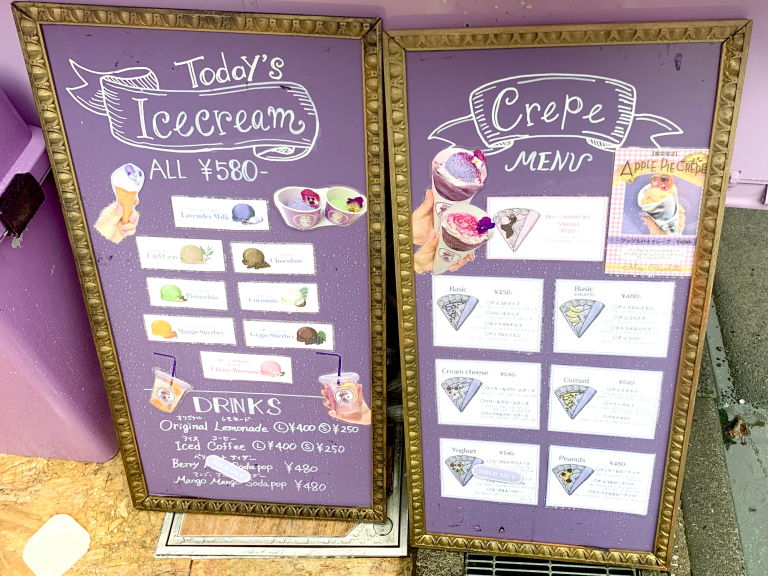
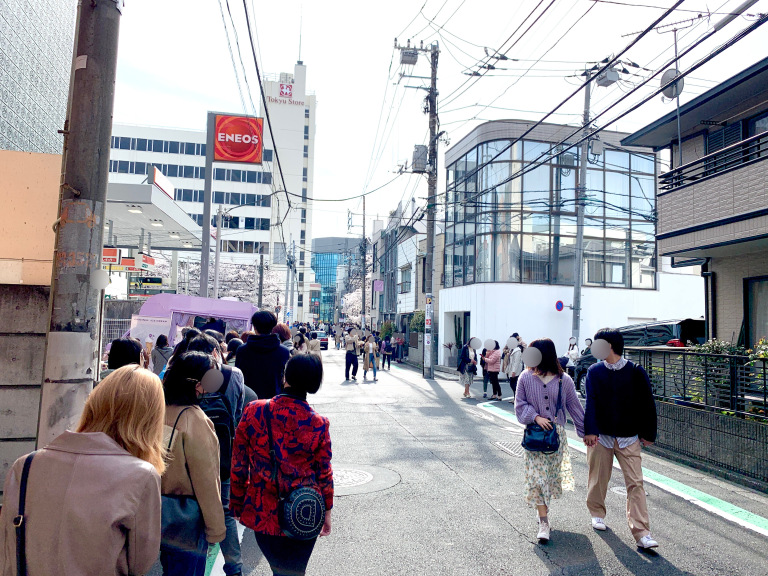
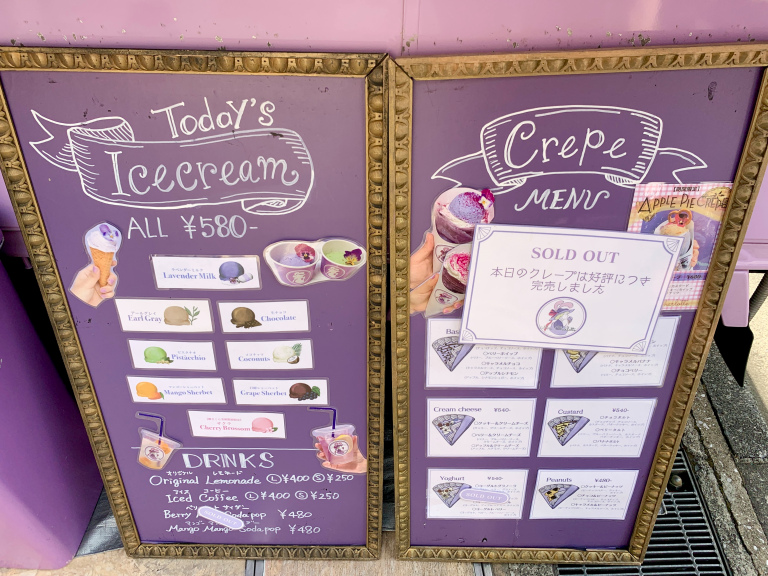
Ayaka found Mrs. Charlotte parked in front of the Sato Sakura Museum in the Nakameguro neighborhood of Tokyo. Its cute, soft purple color attracted the attention of passersby, who couldn’t help but stop to look at it. The menu–which was purple–did have some items that weren’t purple, but of course, Ayaka was set on trying some of Mrs. Charlotte’s purple fare.

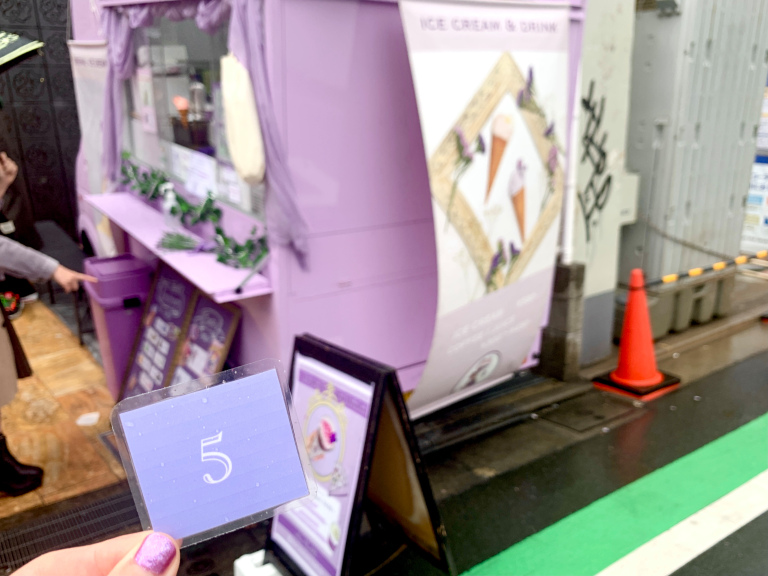
She chose to try the Lavender Milk Ice Cream (580 yen/US$5.37) and the Berry and Cream Cheese Crepe (540 yen). After receiving a number card that was–of course–purple, Ayaka waited just a few minutes for her order.

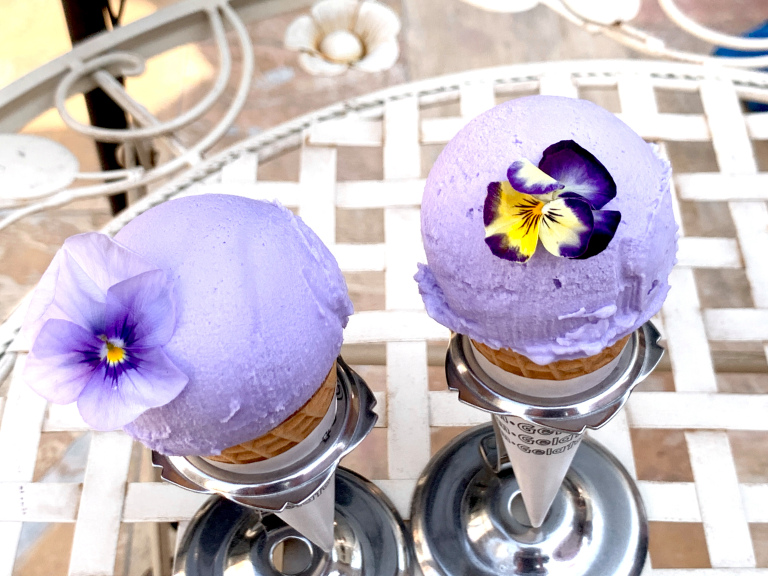
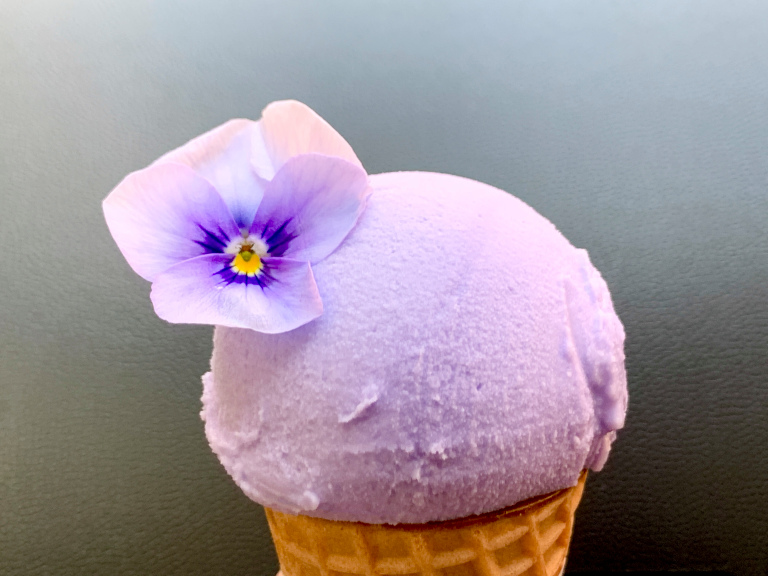
First up was the Lavender Milk Ice Cream. What a pretty shade of pastel purple! It was a slightly more purple-y periwinkle, and prettily decorated with edible purple elderflowers. Even Ayaka, who isn’t much of a social media user, found the look very Instagrammable.

Since the ice cream was “Lavender Milk” flavored, Ayaka expected it to have a nice scent of lavender to it, but it really didn’t. Hoping it had a taste of lavender, she took a bite, but what really came through instead was a deliciously rich milky flavor.

As it turns out, the “lavender” in the name comes not from the use of lavender in the recipe, but rather from the color of the ice cream. The actual flavor of the Lavender Milk Ice Cream is, in fact, milk. While the refreshing pastel color implies something on the lighter side, this ice cream is actually quite rich and sweet.

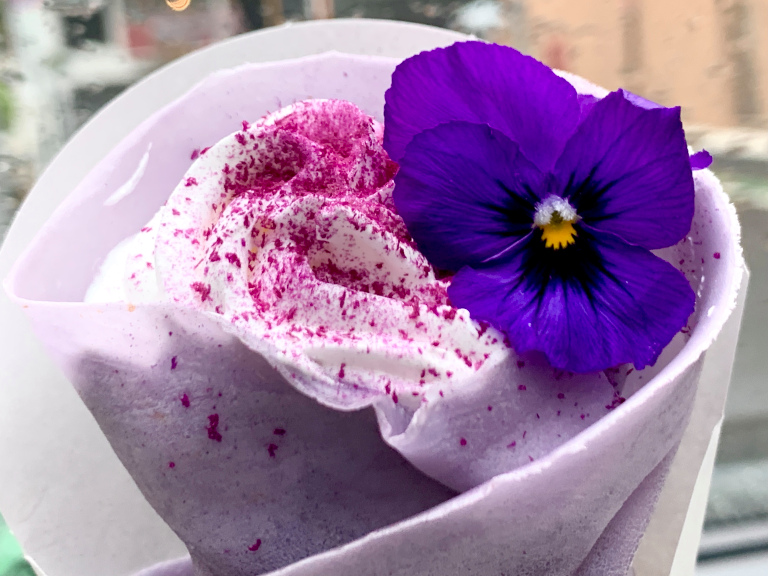
The elusive Berry and Cream Cheese Crepe, by the way, was also a delightful shade of pastel purple, and was also decorated with colorful elderflowers. It was very appealing to Ayaka, who could not wait to try it.

The crepe seemed nicely cooked, and when Ayaka peeled back the paper around the crepe, she noticed a nice golden-brown coloring to it, which had her mouth watering. But you may have already guessed that while it looked pretty, this purple crepe did not have any special flavor to it–it just tasted like a regular crepe. Just like the ice cream, the flavor of the crepe did not match the color.

The berries and cream cheese flavor on the inside, however, did fit the bill. It was lightly sweet and quite pleasant–tasty, and yet not moreish. Very delicious!

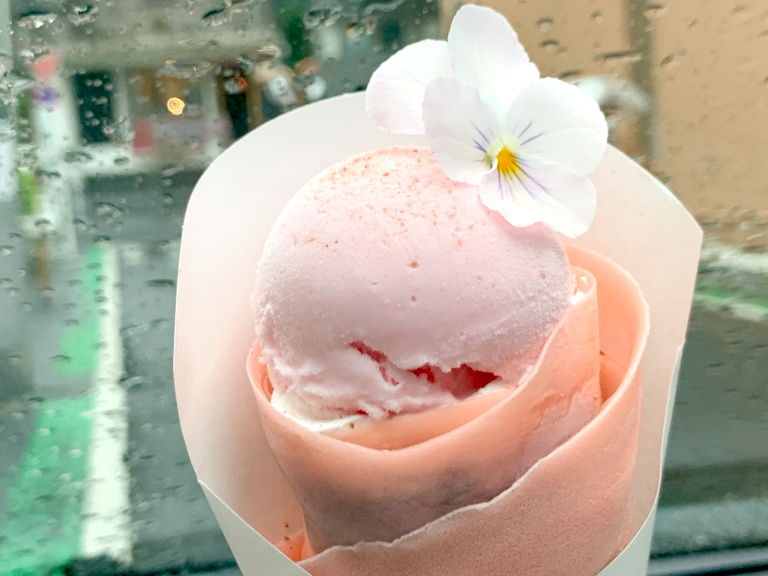
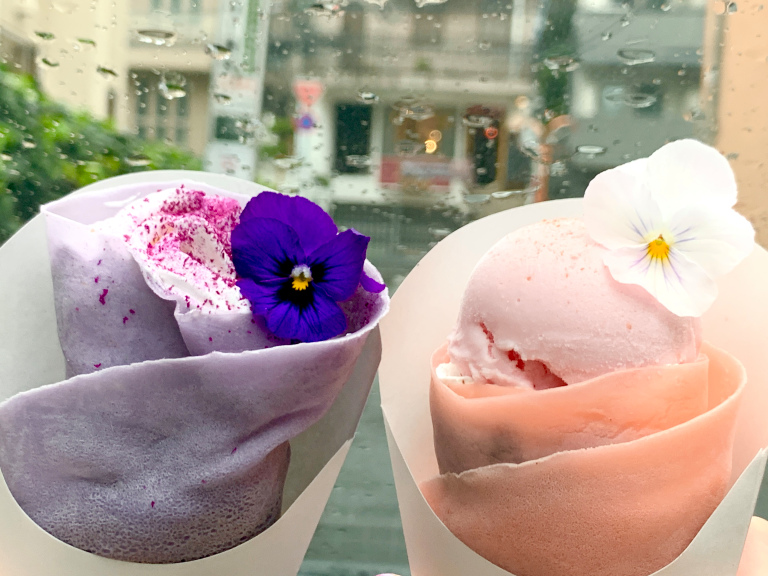
Ayaka also ordered a cute pink crepe called the “Sakura” (650 yen). It’s only available while Mrs. Charlotte is in front of the Sato Sakura Museum, so if you want to try this beauty, you’ll want to keep an eye out for them there.

Unlike the purple offerings, this one actually had a cherry blossom flavor that matched its cute pink coloring. Of course, both crepes were very tasty, so you might have a hard time choosing which one to get if you visit!

Did you notice that the Sakura Crepe has ice cream on top? That’s because you can choose to add ice cream to your crepe for just 150 yen. Now, the reason why Ayaka didn’t do that with her purple crepe is because the shop is so popular that things tend to sell out quickly–and she had to order the ice cream and the crepes on separate trips.

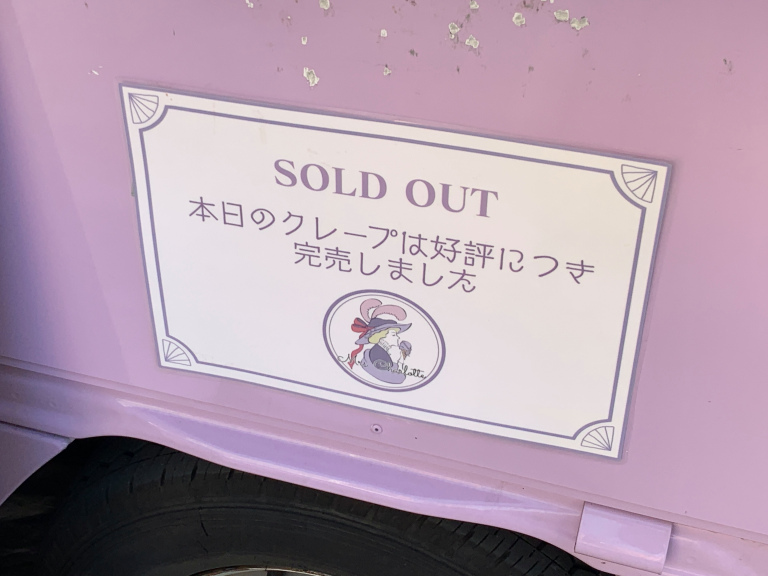
In fact, the first time she went, everything on the menu was sold out! Mrs. Charlotte opens at 11 a.m. and closes at 4 p.m., so Ayaka thought it would be okay to stop by at around four o’clock. That turned out to be a tremendous mistake, because there was absolutely nothing left by then.

Thinking that if she came just a bit earlier she’d have a better chance, Ayaka stopped by a little after lunch for her second try, around two o’clock. To her surprise, there was a line down the street that took her an hour and a half to get through!

Sadly, on that day, the last of the crepes sold out about three parties ahead of Ayaka. Even though she had been looking forward to trying the crepe with the ice cream, Ayaka decided just to try the ice cream since she had, after all, been waiting in line all that time.

To be absolutely certain she wouldn’t miss out on the crepes this time, for her third trip Ayaka arrived just before opening time, and she was finally able to try them. According to the staff, it’s pretty common for things to sell out before 4 p.m., so if you have your heart set on trying out some of Mrs. Charlotte’s sweets, you’ll want to stop by earlier rather than later. If you wait too late, you might end up having to wait until the next weekend before you can try it!

By the way, Mrs. Charlotte does change locations every once in a while, so make sure you check out their website to see where they’re going to be before you go. You don’t want to head to the wrong place! And if you’re looking for another cute and tasty sweets experience, the Crocodile Who Dies in 100 Days now has his own pop-up-cafe, but it’s only for a limited time, so make sure you check it out before it’s gone.

Images © SoraNews24
● Want to hear about SoraNews24’s latest articles as soon as they’re published? Follow us on Facebook and Twitter!

Dom Dom Burger sells chicken sandwich sandwiched in two egg sandwiches

https://ift.tt/32VsLoj Master Blaster

Sandwinception.

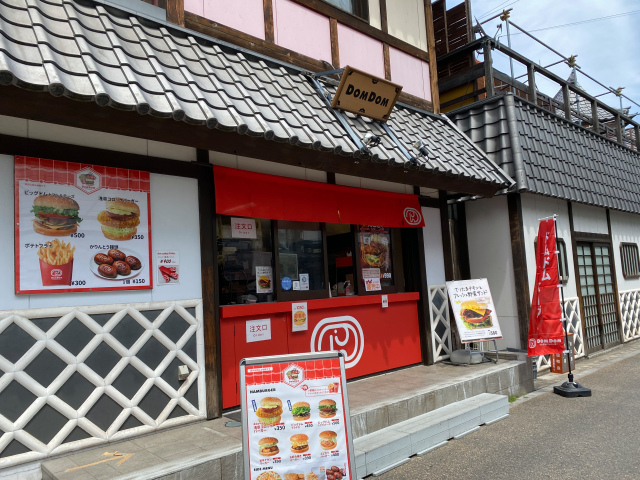
Often overshadowed by chains like McDonald’s and Mos Burger in terms of business, Japan’s plucky fast food restaurant Dom Dom Burger is a beast when it comes to originality and daring, whether it’s with their whole soft-shelled crab burger or hamburger with two pucks of camembert cheese as buns.

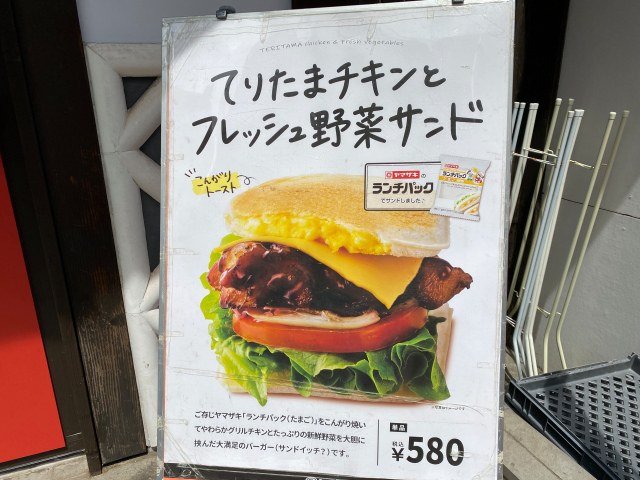
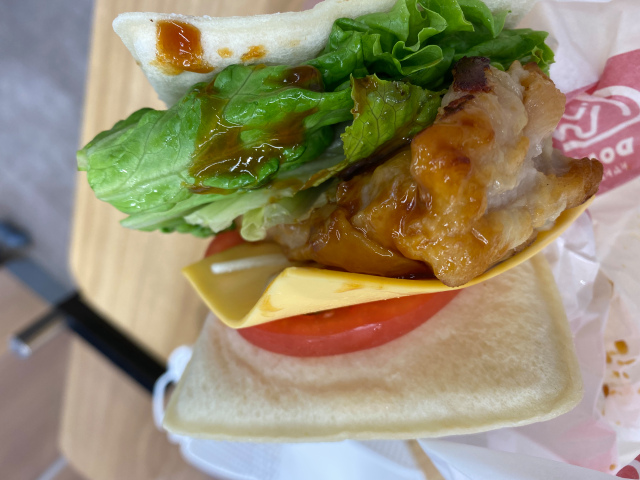
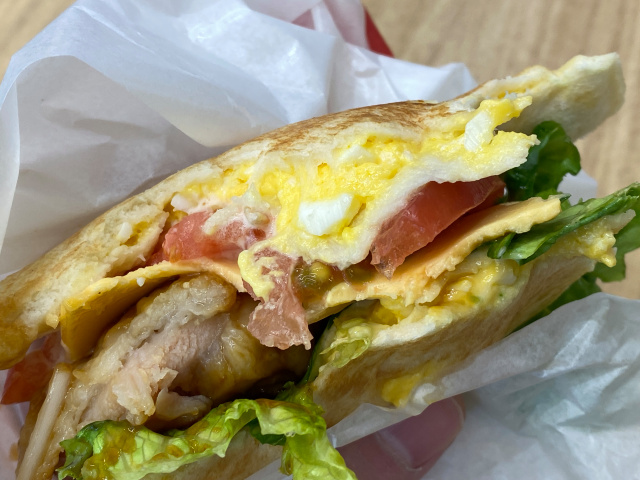
Now, they’ve come up with the Teritama Chicken and Fresh Vegetable Sandwich, for 580 yen (US$5.40). Compared to those other burgers we just mentioned, the name isn’t terribly adventurous, with “teritama” a fairly common style of burger in Japan that uses teriyaki sauce and fried egg as toppings, and at first glance this sandwich might not look like much either.

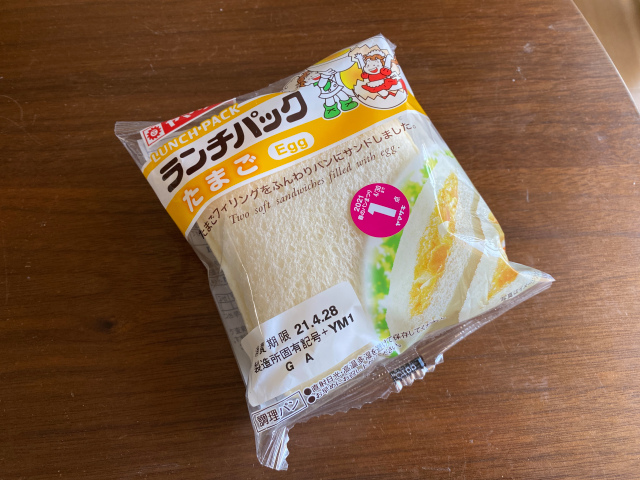
But upon closer inspection you might notice that this sandwich doesn’t use just conventional bread. Those are Yamazaki’s Lunch Packs holding everything together! Lunch Packs are sealed bread sandwiches sold in pretty much every convenience store and supermarket in the country and with almost every conceivable filling.

▼ Lunch Pack (Egg Flavored) is the flavor used here

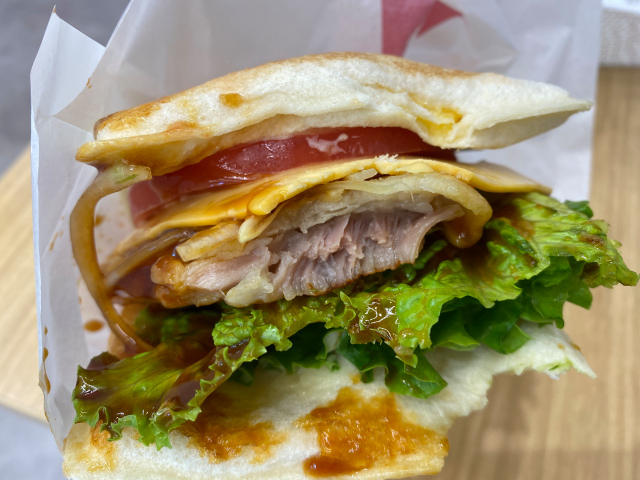
Dom Dom Burger has teamed up with one of Japan’s most widely consumed snack foods to create an unprecedented masterpiece in the sandwich arts. Even at face value, it’s a solid meal with juicy chicken, sweet and creamy cheese and mayo, crispy lettuce and tangy tomato.

However, unlike other teritama sandwiches, there is no egg on the meat here.

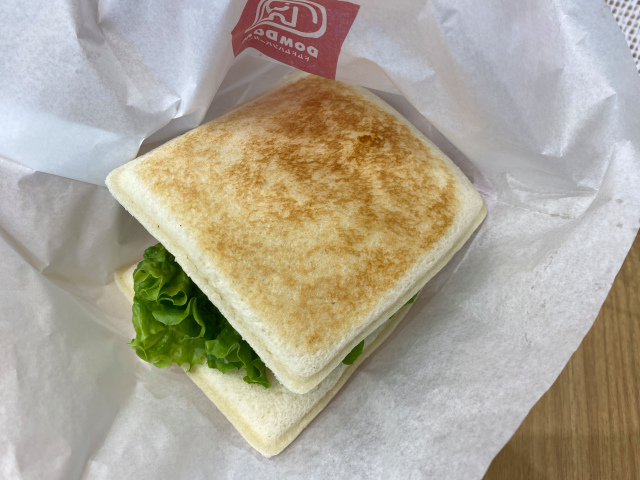
That’s because it’s inside the Lunch Pack that Dom Dom so graciously gave a light toasting to for maximum enjoyment.

Once you reach the center, Lunch Pack’s famous lightly seasoned egg – warmed from the toasting – fully emerges and blends with all that other greatness within, creating an overwhelming combination of deliciousness.

It’s such a simple idea that a college kid in a dorm could have come up with it – and probably has in some form or another. But it’s flawless in execution and opens up a whole other world of possibilities thanks to the seemingly endless varieties of Lunch Pack out there.

I’m thinking a nice Roast Beef and Ramen Lunch Pack Sandwich might work, or we could get really crazy and pull a Baskin Robbins’ Berry Berry Strawberry Lunch Pack Cheeseburger, and it’s all thanks to the intrepid crew at Dom Dom Burger who opened this Pandora’s box of makeshift cuisine to the masses.

Photos ©SoraNews24
● Want to hear about SoraNews24’s latest articles as soon as they’re published? Follow us on Facebook and Twitter!

New virtual reality attraction allows thrill-seekers to bungee jump off Tokyo Tower

https://ift.tt/32XeYOf Ingrid Tsai

Introducing a place where both the real and the virtual Tokyo landscape converges.

Since its conception, virtual reality has offered exciting pathways for novel experiences, whether it’s offering folks the opportunity to work behind a ramen restaurant counter or helping people to enjoy the cherry blossoms from the comfort of their couch. Now a new virtual reality event is coming to town, and this one is particularly for those seeking an adrenaline rush: bungee jumping off Tokyo Tower. 

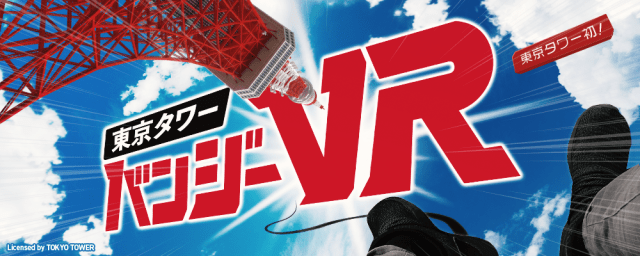
Dubbed “Tokyo Tower Bungee VR,” this VR event provides a way for folks to leap off one of Tokyo’s tallest structures without the usual safety risks involved. Stationed on the second floor of Tokyo Tower’s main deck, the VR system for this attraction is a collaboration between virtual reality developers Logilicity and Cad Center with the former arranging the logistics and the latter providing the digitized layout of Tokyo’s metropolitan sprawl.

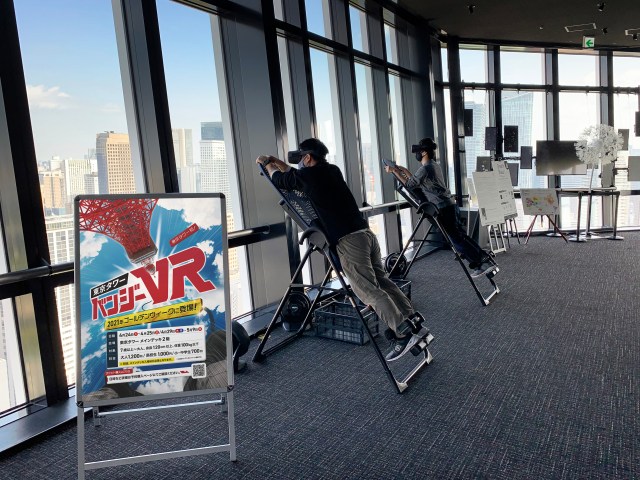
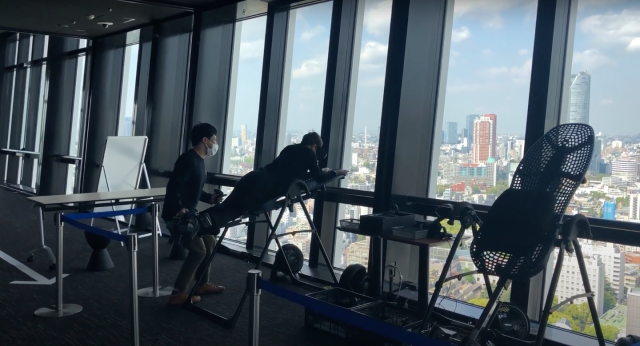
In terms of how bungee jumping in virtual reality goes, participants for this event are essentially strapped to a rack-like structure shown in the photo below. VR headsets are provided by the event organizers, so no worries about having to lug in your own set from home.

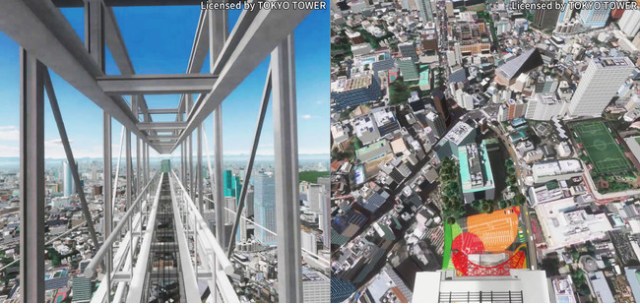
Once strapped in, the VR system transports the user to a digitized Tokyo, where they start from a narrow, open-air walkway protruding from Tokyo Tower. After all, similar to bungee jumping in real life, part of the fun is the jitters you get while observing the view below. Participants are more than welcome to look around and enjoy the Tokyo landscape before the big jump—chances are iconic landmarks such as Tokyo Skytree will be somewhere in the distance.

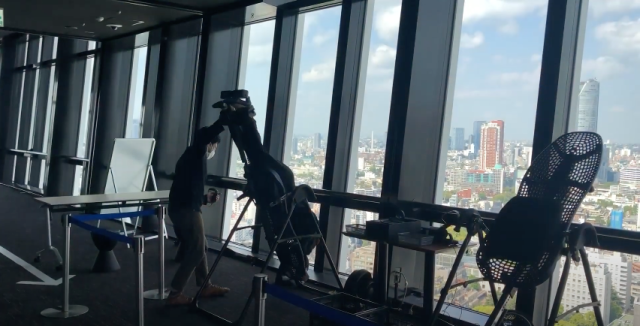
For the fall itself, however, the process is a lot more manual: participants strapped to the rack-like device are basically tipped over. While the scale of the movement may not be the exact same as jumping from a height of 150 meters (164 yards), the visuals do a good job of making you feel as if you’re plummeting down the side of the tower on the end of a bungee rope.

▼ Here we…

▼ … GO!!!

▼ A video released by the developing companies shows the contrast between what you see in VR and what’s going on outside of it

Tokyo Tower Bungee VR will be available until May 9. Tickets go for 1,200 yen (US$11.05) for adults, 1,000 yen (US$9.21) for high school students, and 700 yen (US$6.44) for junior high and elementary school students, separate from the cost of entering Tokyo Tower’s main deck. Reservations are required beforehand and you can reserve your spot here. If you consider yourself a non-thrill-seeker instead, regardless if the thrill is in VR or not, there’s also a plethora of different activities to enjoy in what is one of the most well-known features of the Tokyo skyline.

Event Information
Tokyo Tower Bungee VR / 東京タワーバンジーVR
Address: Tokyo-to, Minato-ku, Shibakoen 4 Chome-2-8 Tokyo Tower Main Deck 2F
東京都港区芝公園4丁目2−8 東京タワー メインデッキ 2F
Open 10:00 a.m.-6:00 p.m. until Sunday, May 9
Website

Source, images: Youtube/どこでもバンジーVR via PR Times
● Want to hear about SoraNews24’s latest articles as soon as they’re published? Follow us on Facebook and Twitter!

Japan to open its first-ever esports gym in Tokyo, with options to pay for professional training

https://ift.tt/3eFejq7 Dale Roll
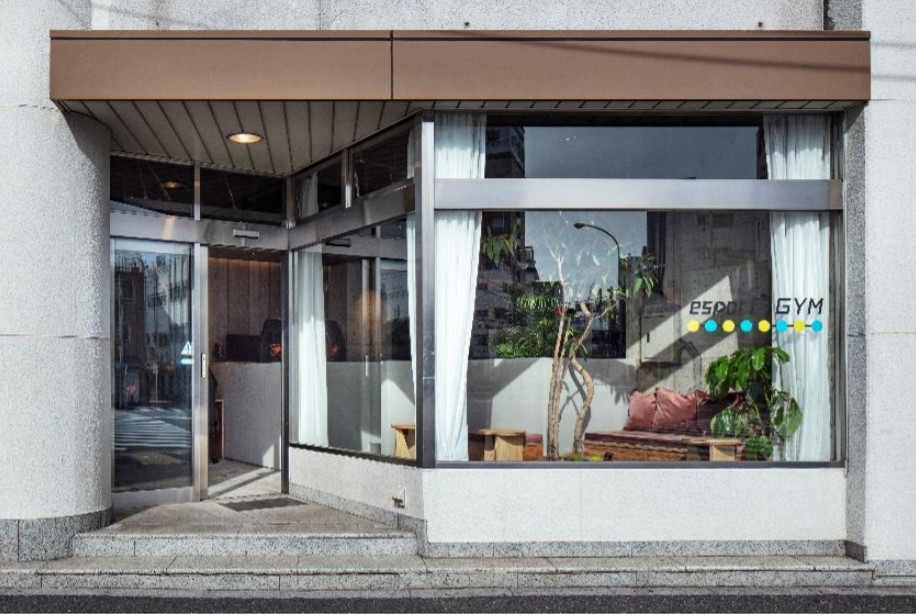
A new venue where anyone can train to be a pro gamer!

Years ago, when competitive gaming started to become more and more popular, many dismissed it as “nerds being nerds”, and hotly debated whether it was worthy of being called “esports”. But as competitions became hot and “gamers” built a billion-dollar industry with millions of fans around the world, people began to acknowledge that esports are, in fact, a serious intellectual and physical competition, where winners can earn huge paychecks in the form of prize money and sponsorships.

Luckily, with the acknowledgement of esports as a legitimate sport, so too, then, have esports resources become available for the general public, like the esports facility for seniors that opened up in Kobe last year. Now, things are heating up even further with the announcement that Japan’s first ever esports training gym will be opening in Tokyo!

The gym, which will be simply known as “Esports Gym”, is set to open on May 19 in the Akabane neighborhood of Kita Ward, in the northern part of Tokyo. Tokyo Metro, Inc. and esports facilitator Gecipe have partnered together to foster a culture of joint development in and appreciation of Tokyo through esports. They hope to one day create a world where “anyone and everyone can enjoy serious esporting whenever they want”.

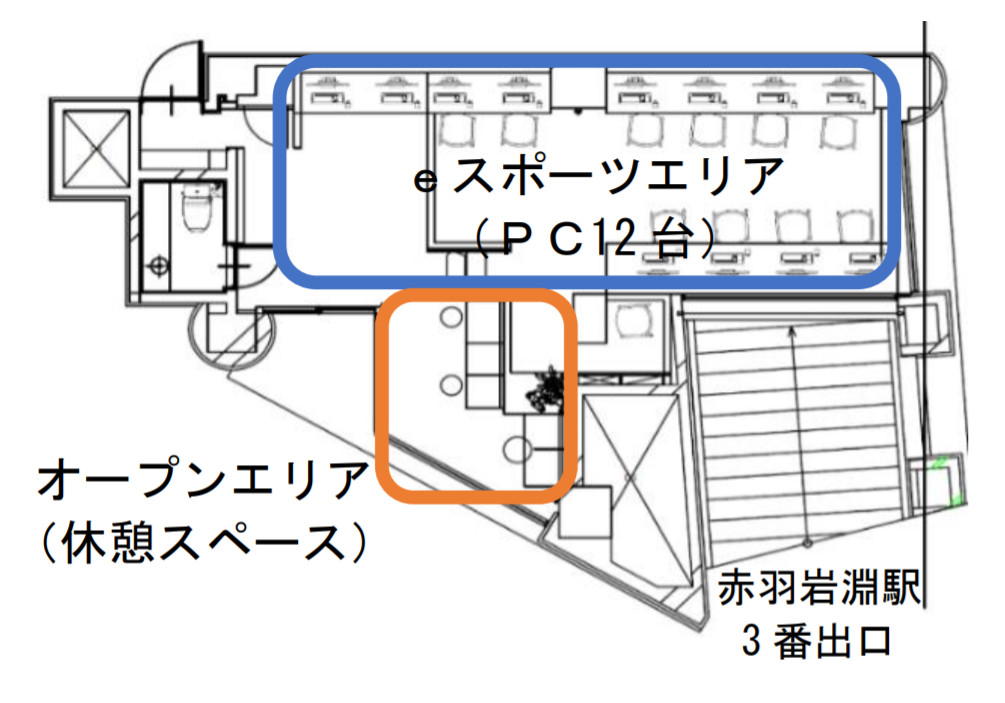
The Esports Gym will be located just outside Exit 3 of Akabane Iwabuchi Station, which is the last stop on the Tokyo Metro Namboku Line, which crosses the bulk of Tokyo, all the way from Meguro in the southern part of the city. It will feature a lounge and an esports space composed of twelve gaming PCs, complete with gaming chairs and headsets.

▼ Blue is the esports training area, and orange is the lounge. The stairs lead down to the third exit of the Akabane Iwabuchi subway station.
It’s intended to be not only a place for esports players to casually practice their trade, but to also undergo serious training; the gym is expected to be the first one in the country to offer paid coaching sessions from professional esports players. Coaches will hail from Crest Gaming, Glory be esports, and Delta, all champion teams in various games.

Players of all levels, from beginner to advanced, can enroll in training, either in-person or online, and students can even aim to become professional esports players. There will be a special online course for advanced students that, if passed, could lead to tryouts for Crest Gaming.
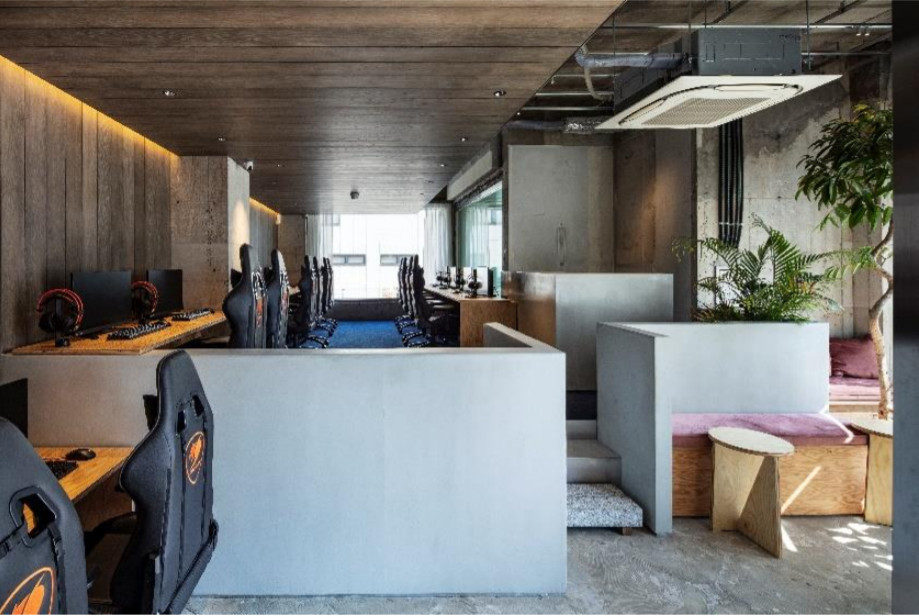
The facility is expected to open on May 19, with regular afternoon hours during the week and full-day hours on the weekends. The PCs will be outfitted with five of Japan’s most popular games: VALORANT, League of Legends, Identity V, Rainbow Six Siege, and Puyo Puyo Champions.

Customers have the option to register as a regular gym member for 5,500 yen a month (US$50.60), which affords them daily access to PCs in 3-hour time slots. They can also add coaching from a professional esports player for an additional 2,750 yen per hour. Customers who wish to skip the contract can enjoy three-hour time slots for 1,430 yen each, but will not have access to the professional coaching.
After May, the gym is also planning to hold free-play events and esports lessons on the weekends and holidays, so if you’re interested in improving your esports game, it might be good to keep an eye on their official Twitter account to see what’s coming next. Tokyo Metro and Gecipe also intend to add more services to the gym, to open more gyms, and to hold more esporting events in the future, so hopefully esports will become just as accessible as physical sports very soon!
Gym Information
Esports Gym Iwabuchi / eスポーツジム 赤羽岩淵店
Tokyo-to Kita-ku Iwabuchi 36-1 (right next to the stairway to Exit 3 of Tokyo Metro Akabane Iwabuchi Station)
東京都北区岩淵町 36-1 (南北線赤羽岩淵駅 3 番出入口地上部すぐ)
Hours: Mon-Fri 15:00 to 22:00; Weekends and holidays 11:00 to 23:00
Website

Source, images: PR Times
● Want to hear about SoraNews24’s latest articles as soon as they’re published? Follow us on Facebook and Twitter!