Páginas

domingo, 2 de julio de 2023

1032 statues and one thing too many people miss at this Kyoto temple

https://ift.tt/p5zjISM Dale Roll

And it was his first time visiting, too!

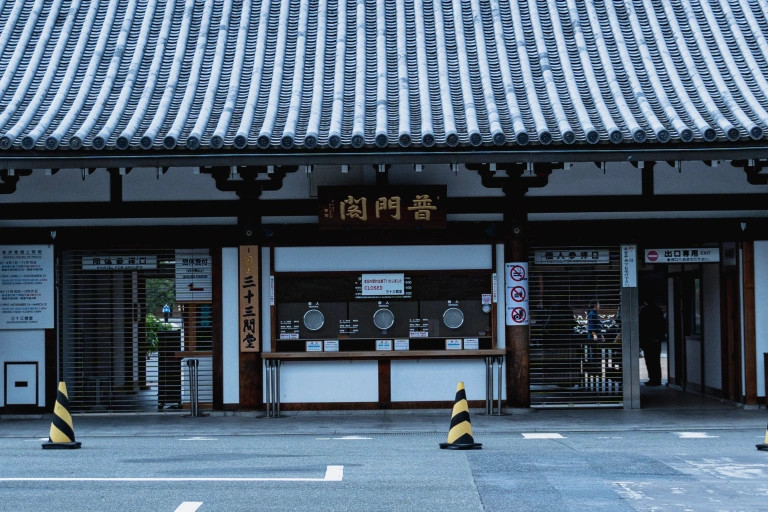
Sanjusangen-do, officially known as Rengeo-in, is a pretty famous temple among Japanese citizens and international tourists alike. The Kyoto Buddhist temple, which has been ranked in the top 30 sightseeing spots for tourists on Trip Advisor, is famous for its rows upon rows of 1,032 Buddhist statues. According to our Japanese-language reporter Tasuku Egawa, probably about 90 percent of school kids visit this temple during their school field trip to Kyoto–so just about everyone knows about it.

But Tasuku, now 40 years old, has only just visited for the first time. He happened to be invited on a press tour held by Central Japan Railway that showcased this year’s Buddhist statue-themed “Sou da Kyoto, Ikou” promotion for Kyoto, and one of the stops was Sajusangen-do.
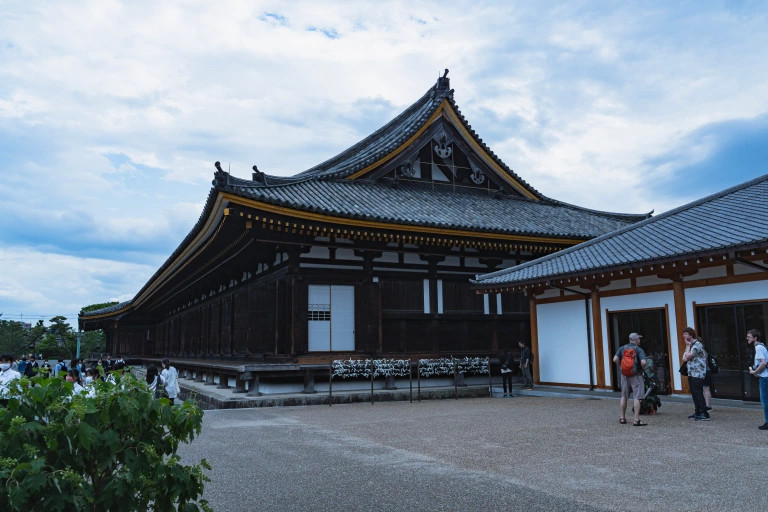
Image © SoraNews24

Inside, the temple was packed with students on field trips. Tasuku mused that it must really be a staple in schools’ itineraries, but for some reason, it hadn’t been a stop on his school’s field trip. In fact, even though his school trip took him to Nara and Kyoto, they didn’t go to a single temple.

Why? Because they spent about 80 percent of their time in Nara, being forced to peddle around on rusty bicycles in the pouring rain to an unknown burial mound in the midst of a field out in the middle of nowhere, which they had to sketch on their sopping wet sketchpads for some reason.

They spent the remaining 20 percent of the time in Kyoto, eating ramen at some ramen shop in front of Kyoto Station and only getting to see the sign in front of the famous Kiyomizudera Temple before the time was up and they had to go home. It was the weirdest and most pointless school trip ever, and young Tasuku decided to commemorate it with a suitably weird souvenir, a 2,000-yen (currently US$13.94) ski mask.
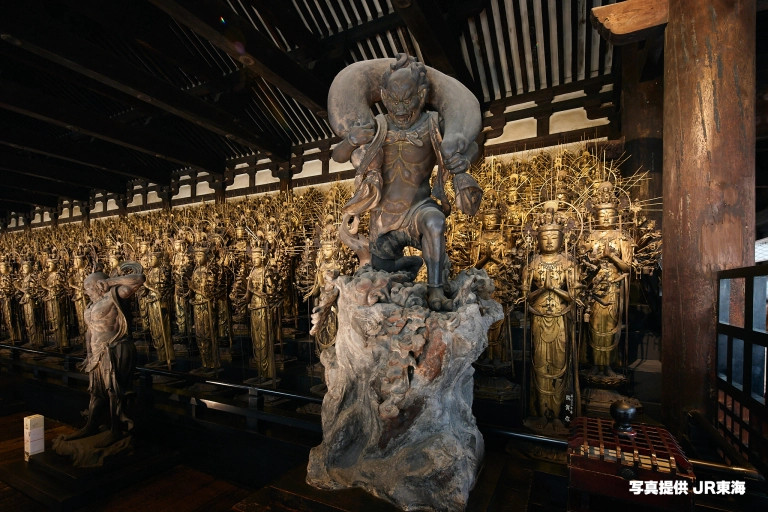
Now, as an adult, all of the kids exploring Sanjusangen-do on their fun-looking school trip couldn’t help but remind Tasuku about how salty he still is about that. It’s such a special thing to get to see such a splendid display of statues at such an impressionable young age–and he didn’t get to experience that.

Still, for Tasuku, who was seeing it for the first time at 40, the place was fascinating. But as his eyes trailed over the many statues on display, he couldn’t help one thought that popped up:

“How could anyone ever see the ones in the back?”
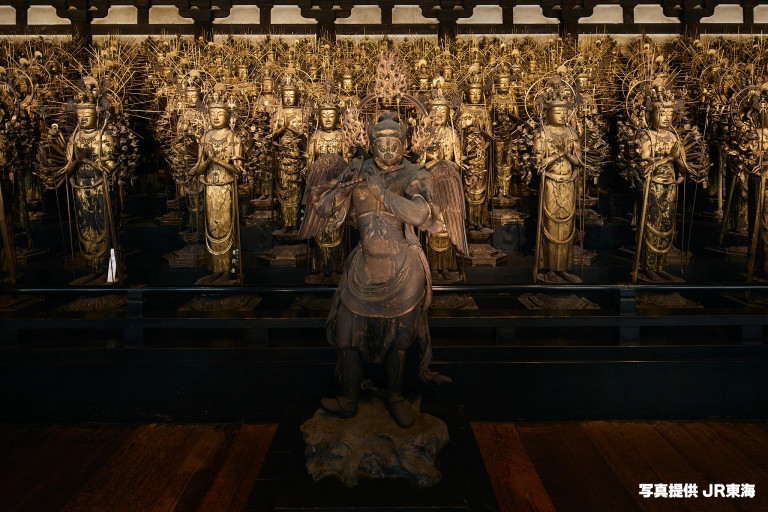
Each and every statue is different, and each and every one is also considered a national treasure. If that’s the case, Tasuku would have wanted to see all of them, even the ones in the back.

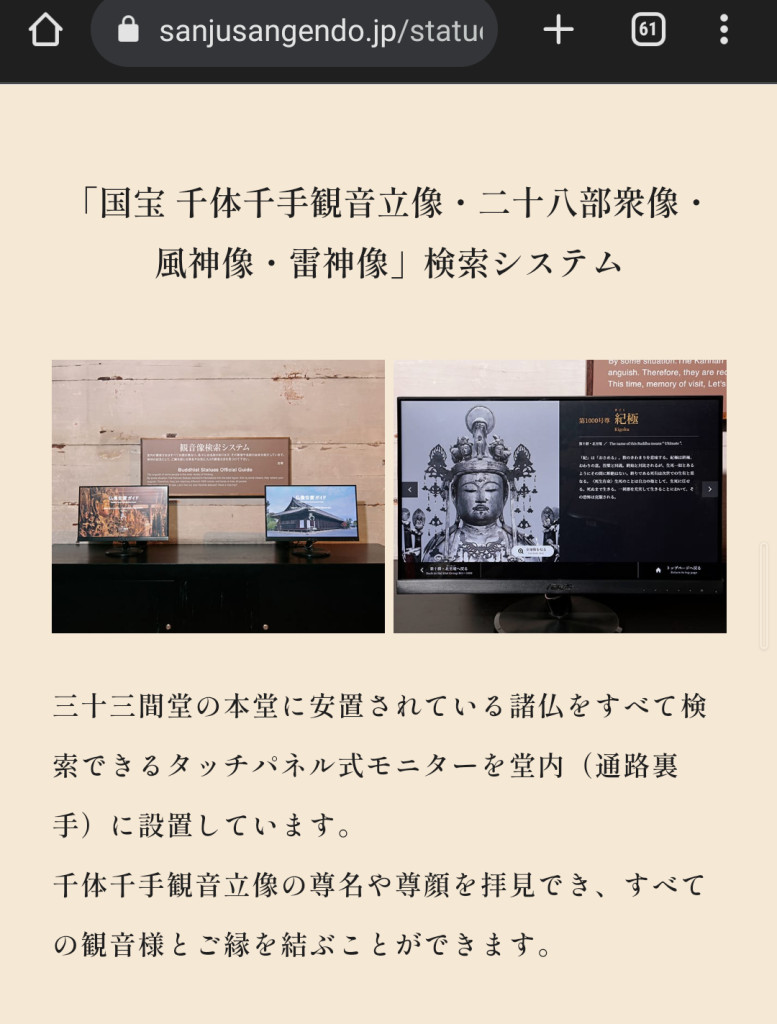
It turns out you actually can! Using the “National Treasure Sentai Senju Kannon Standing Statues, The 28 Legions, and the Fujin and Raijin Statues Search System,” you can browse all 1,032 statues in detail, with descriptions in both English and Japanese.

▼ The Search System as shown on the temple’s website
Screenshot from Sanjusangen-do

On the path behind the principal object of worship, a small computer station is set up with monitors on a counter. The screens portray a map of each of the statues and their exact placement, and you can use the touch screen to navigate between them and see pictures of each one, as well as learn more about it.

Since photography is not allowed within the facility, Tasuku had to memorize the setup on the screen and then draw it out in the blank spaces of his pamphlet when he went back outside. The main screen looked a bit like this:

▼ The real thing had more detail, with statue names included, but Tasuku’s memory doesn’t stretch so far.
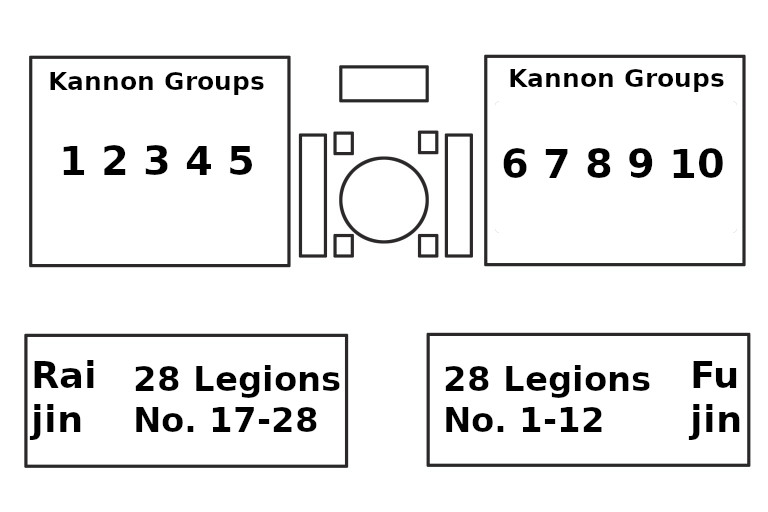
From this screen, if you tapped on “Group No. 1”, it would show the 100 statues included in that group, from which you can select one to learn more details about it. The thing that really shocked Tasuku when he used this feature was the fact that all 1,000 of the Kannon statues each have their own name. He couldn’t help but wonder how they came up with so many.

The other thing Tasuku came to realize with a jolt was that, because there are so many statues, this system must contain a huge database of information. Tasuku had no idea how such a thing would have been created, but he was so dumbfounded by the sheer passion needed to do so that he actually laughed out loud.

Sadly, perhaps because the computer station just doesn’t stand out, most tourists seemed to ignore it. Tasuku had to doubt that there was any person out there who had read through the page for each statue, which had to mean that there could also be a page that has never been read by anyone (except maybe the people who made it).

That’s an absolute shame! More people should know about this feature and take advantage of it. If you happen to visit Sanjusangen-do, definitely check it out!

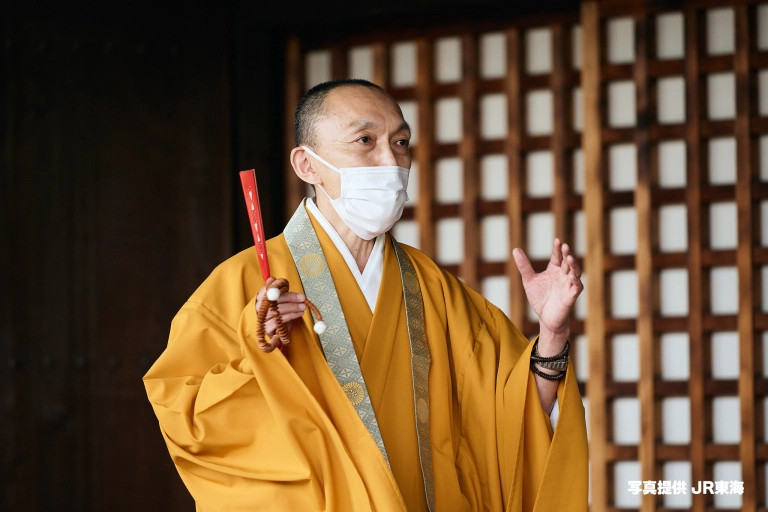
▼ The temple workers also give very interesting talks about the temple, its statues, and the building’s construction.
And while you’re in Kyoto, don’t forget to try a modern local delicacy, tomato okonomiyaki, or treat yourself to the Ultimate Matcha Float!

Related: Sajusangen-do, Souda Kyoto, Ikou
Top image ©SoraNews24
Insert images provided by Central Japan Railway (except where noted)
● Want to hear about SoraNews24’s latest articles as soon as they’re published? Follow us on Facebook and Twitter!

90 minutes of all-you-can-drink alcohol for 550 yen at revolving sushi restaurant Koma Sushi

https://ift.tt/lm7CdAc Master Blaster

With this deal, the sushi won’t be the only thing swirling around the room.

These days it seems like the price of everything is rising at an alarming rate. But at the same time, this is a prime opportunity for businesses to really turn heads by offering shockingly cheap deals against the tide of inflation.

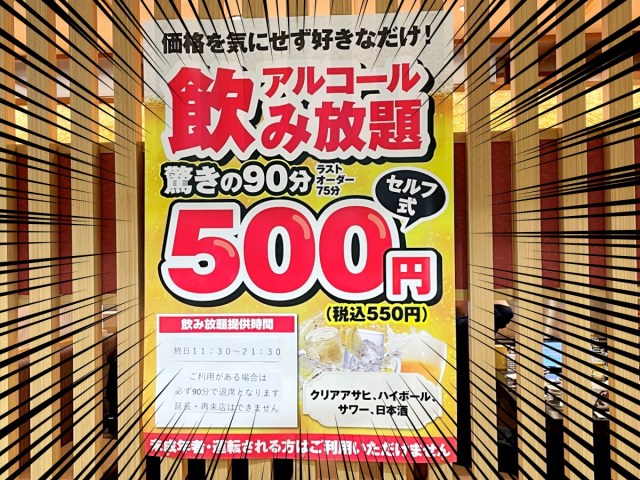
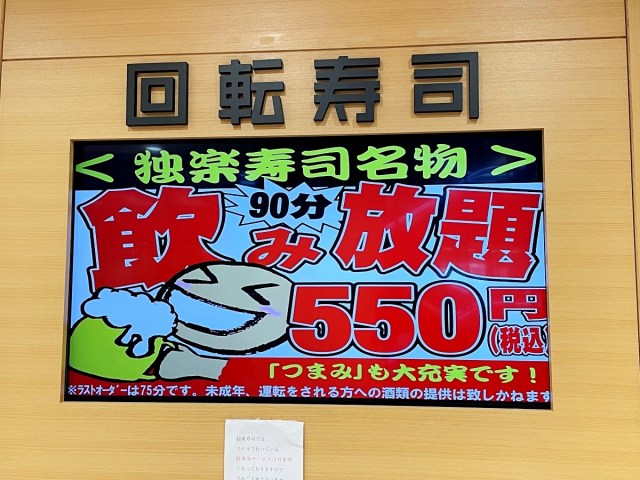
One such business is Koma Sushi, a chain of conveyor belt sushi restaurants located in Kanagawa and Tama, Tokyo. They have an amazing offer of all-you-can-drink alcohol for 90 minutes for just 550 yen (US$3.82) and no strings attached.

To check it out we sent our reporter Ahiruneko, who always enjoys a nice drink as long as it isn’t with Mr. Sato. Upon entering the restaurant, he was taken aback by the number of people inside, and it seemed nearly all of them were there for the all-you-can-drink deal.

As mentioned before, there are no special conditions to ordering the booze buffet, but the time limit is strictly enforced. The last drink must be obtained by the 75-minute mark and the table must be relinquished at 90 minutes exactly, so no lingering and no extensions. As long as you can play by those rules, then it’s a free for all.

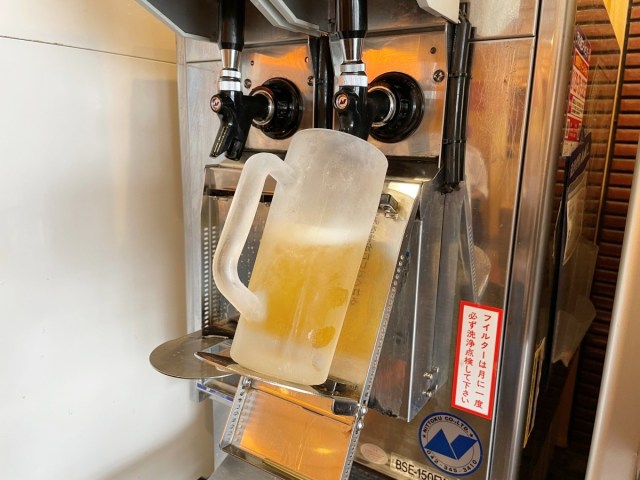
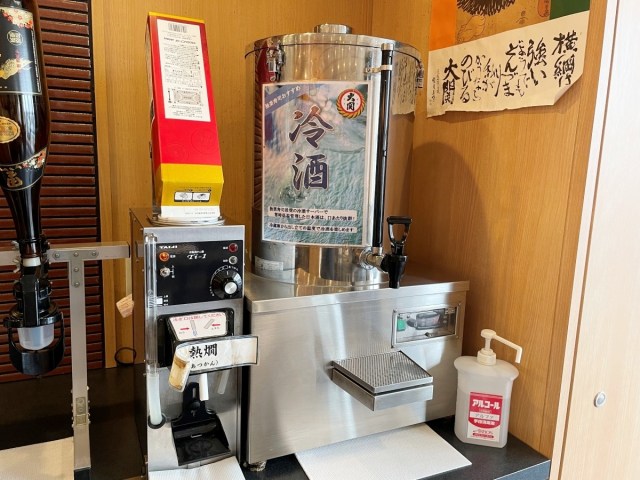
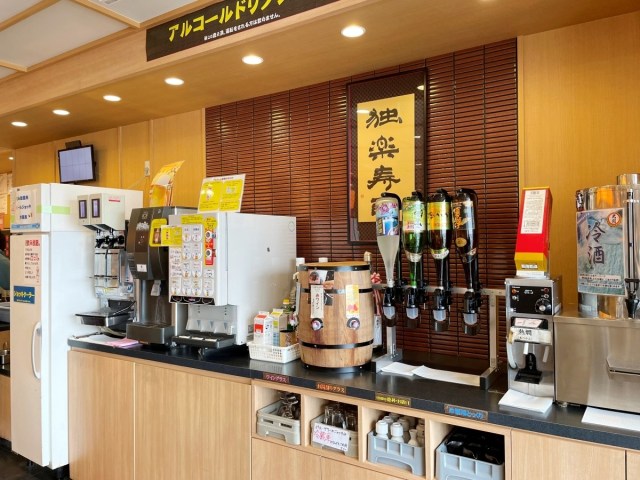
The alcohol here is completely self-serve and all the standards are lined up along the counter.

Unfortunately, the only beer option is Clear Asahi, which is a “class 3 beer” making it more of a beer-flavored alcoholic beverage than an actual beer.

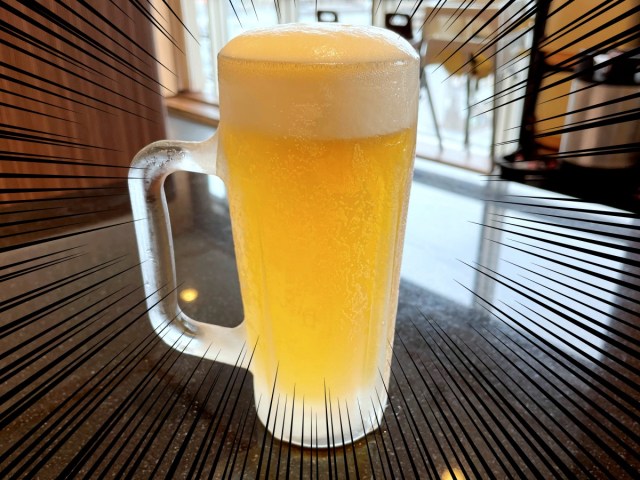
Still, considering what he was paying, it was understandable and Ahiruneko was more than happy to get  a frosty mug of it.

▼ Ahiruneko: “Yayyyyyy!”

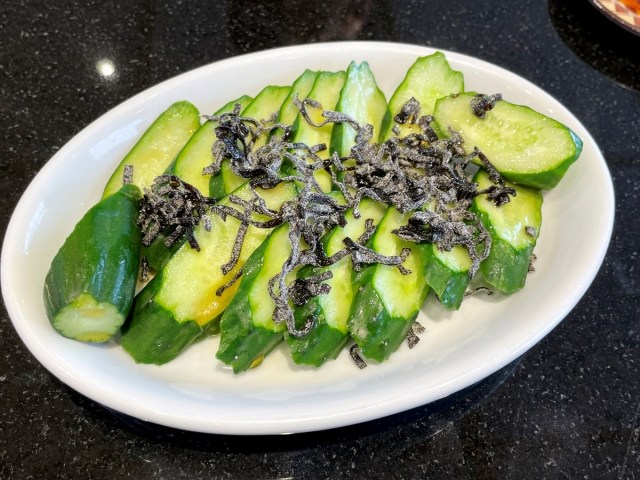
Although Koma Sushi is a revolving sushi restaurant with a cheap all-you-can drink deal, it’s actually more of a high-end restaurant compared to chains like Sushiro. Single dishes, like this cucumber platter, are in the range of 200 to 300 yen ($1.39 – $2.08).

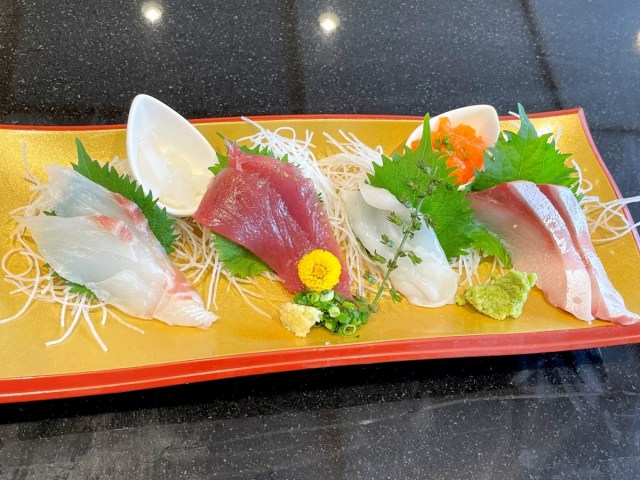
It’s all prepared by a chef working in between the lanes so you can tell everything is fresh. Luxurious little spreads like this sashimi set for 1,298 yen ($9) are also available.

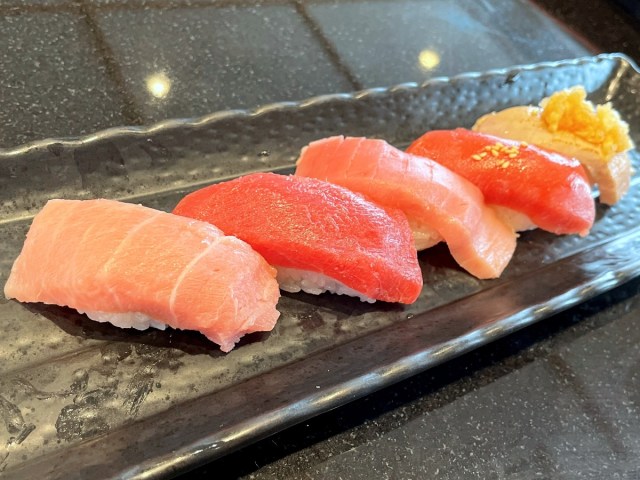
The quality was definitely much better that other revolving sushi chains and Ahiruneko was tempted to buy a five-piece bluefin tuna plate for 1,265 yen too.

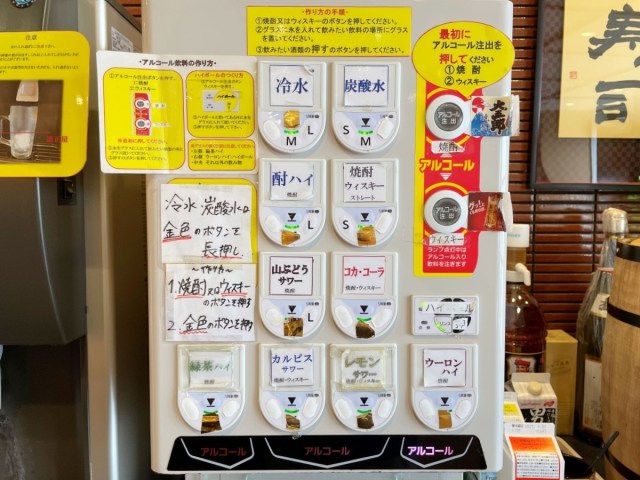
For his next drink, Ahiruneko went to the soda dispenser that was retrofitted to make cocktails. First, you need to choose either a shochu or whiskey base and then add whatever flavor you like such as cola, grape, tea, or Calpis.

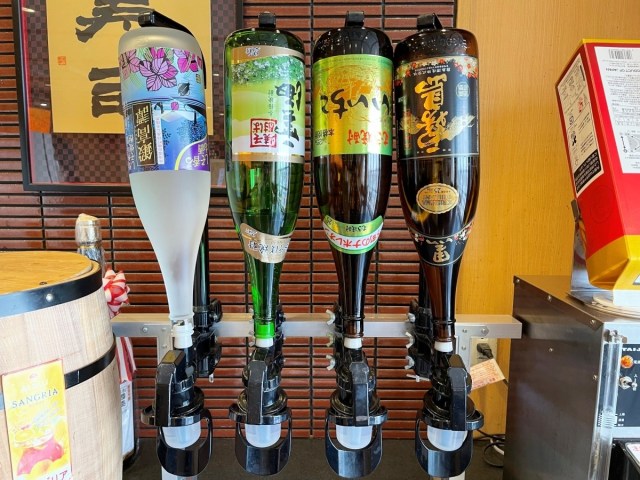
There are also four flavors of shochu straight from the bottle: barely, sweet potato, soba, and shiso.

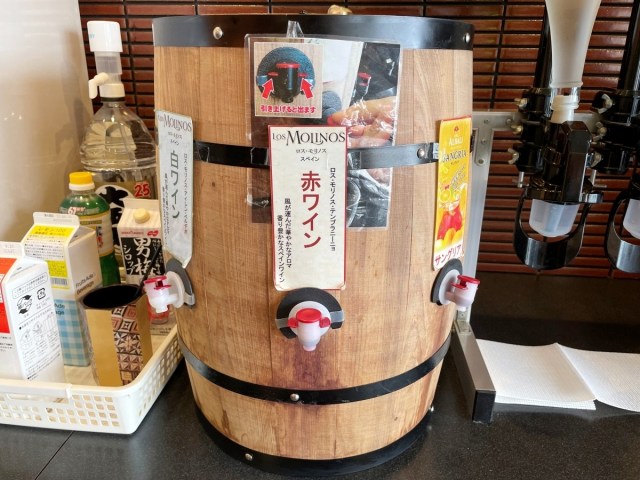
And there’s a choice of white wine, red wine, or sangria.

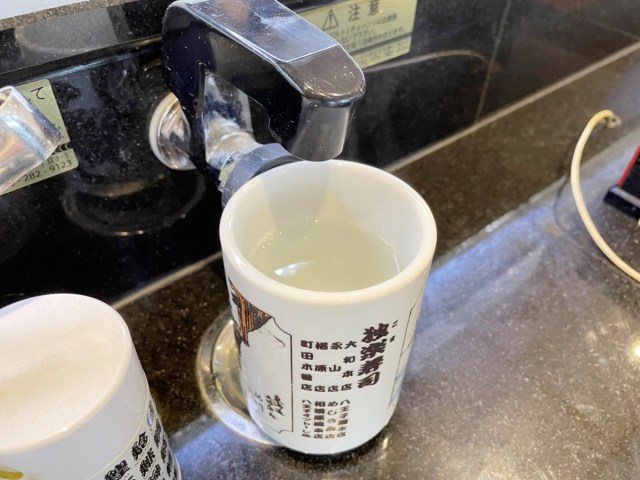
Finally, sake is dispensed either hot or cold to suit your mood.

Since it’s all self-serve you can also mix and match if a certain combination catches your eye. There’s a wide variety of glasses tailored to the various drinks, but Ahiruneko was confused by the glasses for hot drinks.

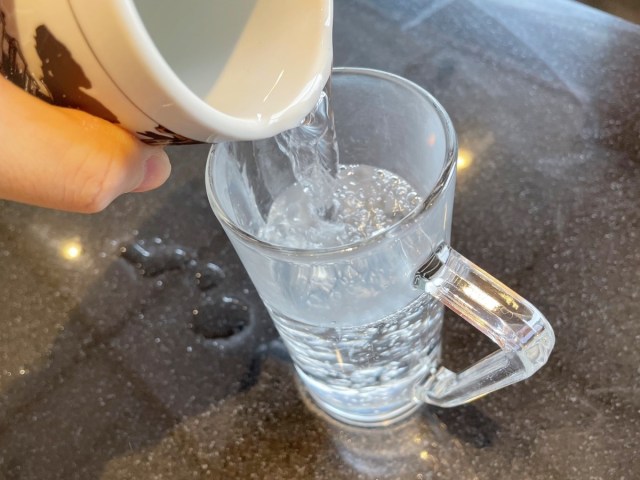
Mixing shochu and hot water is not unheard of, but there did seem to be any hot water at all at this bar. Already a little tipsy, our writer repeatedly scanned the counter but found nothing. It took him longer than he cared to admit to realize that the hot water faucet was back at his table.

Most revolving sushi restaurants have this feature, but it’s typically to make glasses of tea. It didn’t occur to Ahiruneko that they could be used to cut his drinks too.

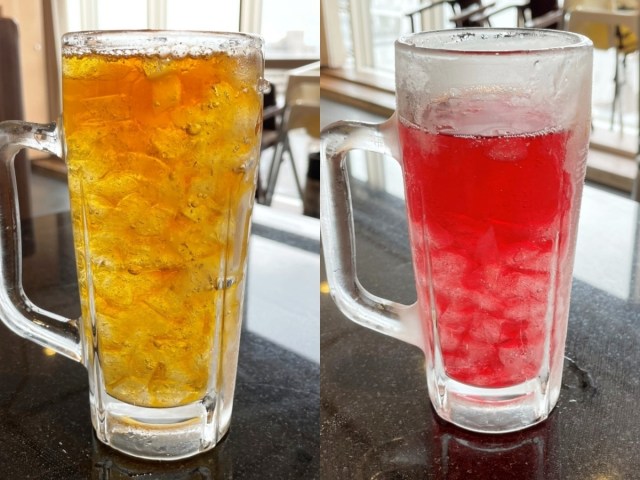
He then remembered that he was on the clock and had wasted far too much time thinking about hot water. He stepped things up and got a oolong tea highball, followed soon after with a grape sour.

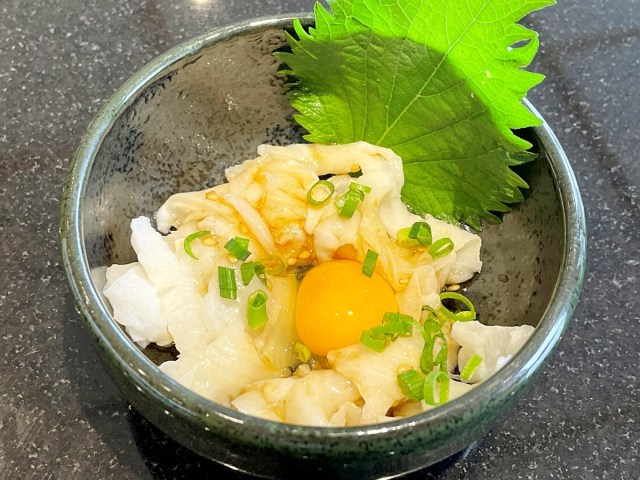
In the meantime, he grabbed a type of yukhoe made with flounder for 440 yen.

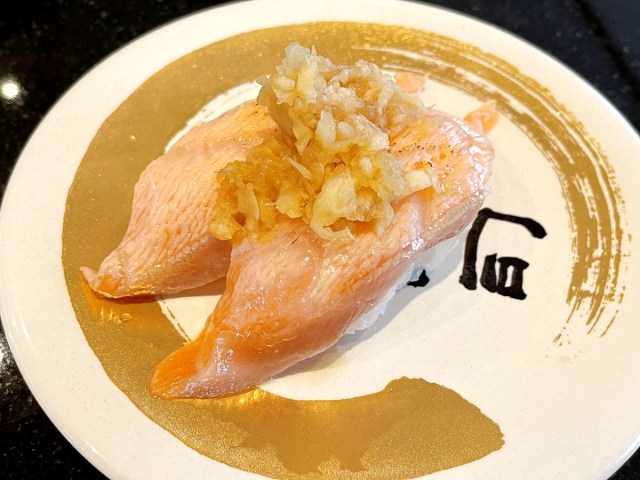
And he also got a very delicious seared salmon sushi plate for 385 yen.

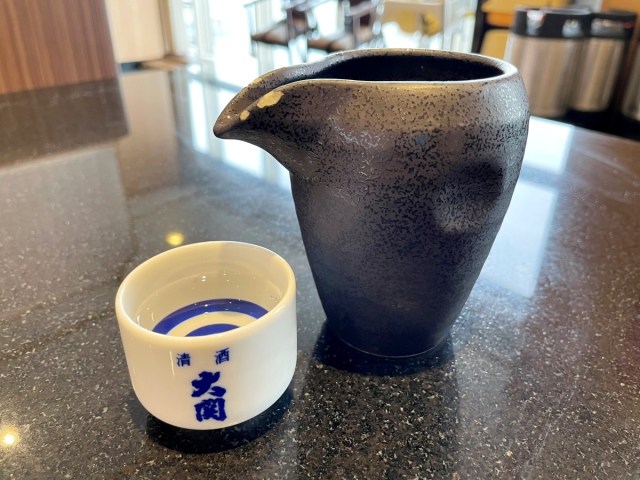
As his time neared the end, he settled down with some chilled sake. The kind offered was Ozeki, known for their One Cups at convenience stores and supermarkets. It often gets a bad rap as cheap sake brand for this, but is actually quite good. Ahiruneko was really able to appreciate this fact when it was served in a proper cup.

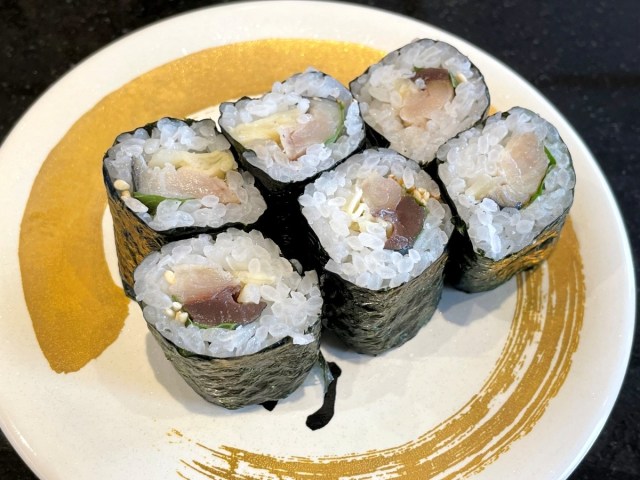
And for his last dish, he got an unusual sushi roll called Saba Gari Maki for 275 yen ($1.91). It was the first time he ever ate this combination of mackerel, pickled ginger, and shiso, but was very impressed with it.

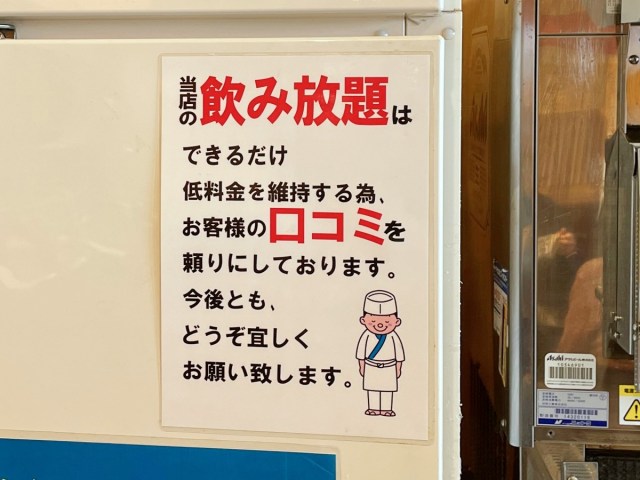
There wasn’t anything to criticize about Koma Sushi, and Ahiruneko summed it up as a total paradise for drinkers. Hanging in the store was a sign that reminded him: “We rely on positive word of mouth about our restaurant from our customers to keep the all-you-can-drink prices as low as possible.”

As luck would have it, Ahiruneko’s got one of the biggest mouths around being one of our writers. So be sure to check out Koma Sushi for great food and lots to drink. The all-you-can drink offer is available pretty much all day and at all locations except for the one near Narayama Station.

Restaurant information
Koma Sushi (Hachioji Octore branch) / 独楽寿司(八王子オクトーレ店)
Tokyo-to, Hachioji, Asahicho 9-1, 9F
東京都八王子市旭町9-1 9F
Open 11:30 a.m. – 10 p.m.
All-you-can-drink: 11:30 a.m. – 9:30 p.m.
Website

Photos ©SoraNews24
● Want to hear about SoraNews24’s latest articles as soon as they’re published? Follow us on Facebook and Twitter!
sábado, 1 de julio de 2023

Hayao Miyazaki is getting worried about how his new anime is being marketed Ghibli producer says

https://ift.tt/xw5PBDy Casey Baseel

Toshio Suzuki also discusses how Ghibli has stayed in business without releasing a theatrical feature in almost a decade and whether this is Miyazaki’s final film.

It’s been six years since Studio Ghibli announced that Hayao Miyazaki was coming out of retirement to direct a new anime movie. At that point, it had been four years since his last film, 2013’s The Wind Rises, and after years of anticipation, the remaining wait time to see the finished work of How Do You Live?, as Miyazaki’s new anime is called, is down to just a couple of weeks, with its premier date set for July 14.

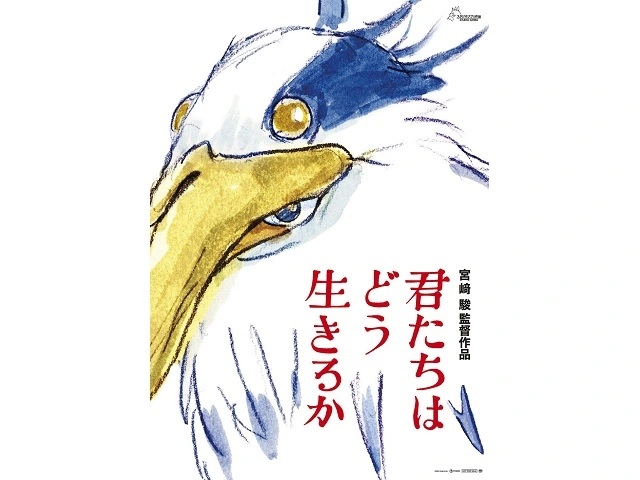
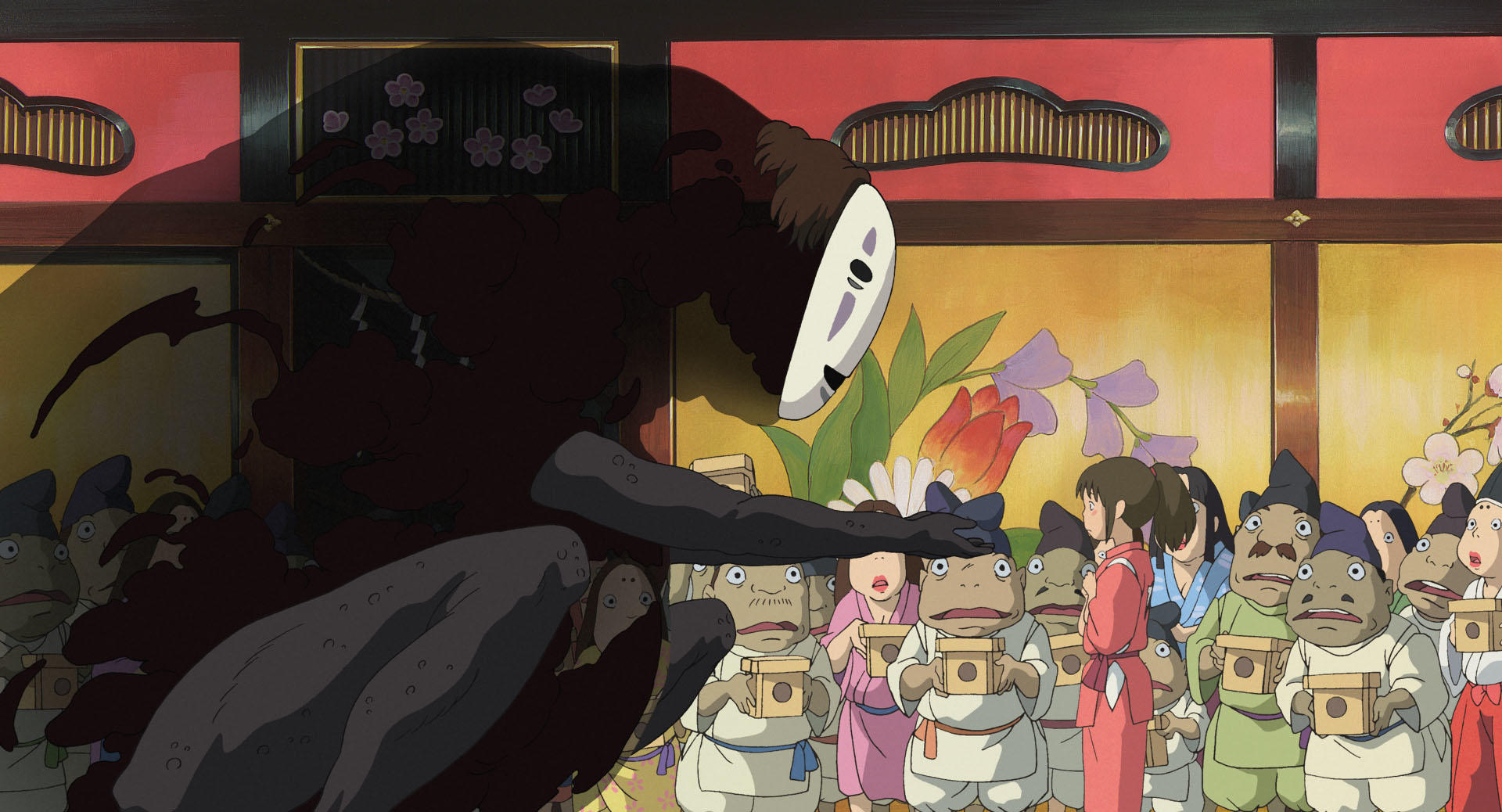
And yet aside from the movie’s title, its genre (fantasy action/adventure), a single illustrated poster, and a clarification that it is not an adaptation of the 1937 Japanese novel of the same name, Ghibli has revealed absolutely nothing about How Do You Live?’s contents. As producer Toshio Suzuki recently explained, that’s by design, as he made a deliberate decision to do no other advertising, previews, or promotions for the film. For such a high-profile entertainment release, it’s an unheard of strategy, definitely the sort of thing that would have most studio executives and movie distributors shaking in their boots…and it’s even got Miyazaki feeling unnerved.

While speaking at a press event for the unrelated Friday Roadshow and Ghibli Exhibition, which just opened in Tokyo, Suzuki revealed:

“[Miyazaki] has said to me ‘I trust you, Suzuki-san, but at the same time, he’s also saying ‘Are we OK doing no promotion? I’ve become worried.’”

Given Miyazaki’s outspoken disdain for focusing on profits and popularity during the movie-making process, one might find it surprising that the director would bother to think, much less worry, about marketing. The flipside to Miyazaki’s all-about-the-art attitude, though, is that Suzuki, who’s also been with Studio Ghibli since its founding, is one of the shrewdest producers in Japanese show business history. So while Miyazaki himself might not have been interested in advertising or actively stoking the public interest for Princess Mononoke, Spirited Away, or Howl’s Moving Castle, it was a given that Suzuki, in his role as producer, would be masterfully promoting them while Miyazaki focused exclusively on the films’ stories, sounds, and visuals.

“I’m not really sure if [the no-promotion plan] is going to work out well or not, but I believe in it, and right now that’s what we’re going with,” said Suzuki. That said, the producer did laugh as he quoted Miyazaki’s comment of concern, implying that the director isn’t in full-on panic mode about the marketing of How Do You Live? Suzuki being asked about the new anime even while he’s doing promotional work for Ghibli’s other projects is likely something the veteran producer knew was going to happen as well, and allows the studio to indirectly keep the knowledge that How Do You Live? is coming out in Japanese theaters in July in the public’s mind.

As mentioned above, Suzuki was speaking at a event for the new Friday Roadshow and Ghibli Exhibition. Friday Roadshow (Kinyo Roadshow in Japanese) is Nippon TV’s weekly Friday-night movie broadcast. In Japan, TV broadcasts of major motion pictures are still considered appointment viewing by many people, and every year multiple Ghibli anime make their way into Friday Roadshow’s summer schedule. “It’s been [almost] 10 years since Ghibli released a new [theatrical] anime, and it’s thanks to Friday Roadshow that we’ve continued to be supported,” Suzuki said, referencing how the annual TV broadcasts help keep Ghibli’s films relevant and, ostensibly by extension, profitable.

Suzuki was also asked if How Do You Live? is going to be Miyazaki’s last anime movie. Miyazaki has already nominally retired twice from theatrical features, having said that both 1997’s Princess Mononoke and 2013’s The Wind Rises were to be his final films prior to their release. Taking into account Miyazaki’s current age of 82 and the fact that he’s not an especially speedy filmmaker, one might think that he’s done the math and decided that after How Do You Live?, he’s really, truly, no-fooling-this-time retiring. If he has reached such a decision, though, he hasn’t told the public, and Suzuki isn’t about to speak for him. “Right now, we’re getting ready for the release of How Do You Live?, so I’d say that talking about anything beyond that is against the rules,” the producer said with another laugh.

In other words, we’re just going to have to wait and see if Miyazaki decides to keep on making theatrical anime, just like we’re going to have to wait and see what How Do You Live? is about.

Source: Sports Hochi via Yahoo! Japan News via Jin
Top image: Studio Ghibli
Insert images: Studio Ghibli
● Want to hear about SoraNews24’s latest articles as soon as they’re published? Follow us on Facebook and Twitter!

Hokkaido Osaka and Fukuoka: Taste-testing McDonalds oddly named Adult Regional Teriyaki burgers

https://ift.tt/VnKita4 Casey Baseel

Three of Japan’s best foodie meccas step into the burger spotlight.

With teriyaki sauce as the star ingredient, the Teriyaki McBurger is already a pretty Japanese sandwich. McDonald’s Japan is making it even more Japanese, though, by releasing three new Teriyaki McBurger versions that each feature special ingredients representing the regional cuisines of three of Japan’s best foodie spots: Hokkaido, Osaka, and Fukuoka.

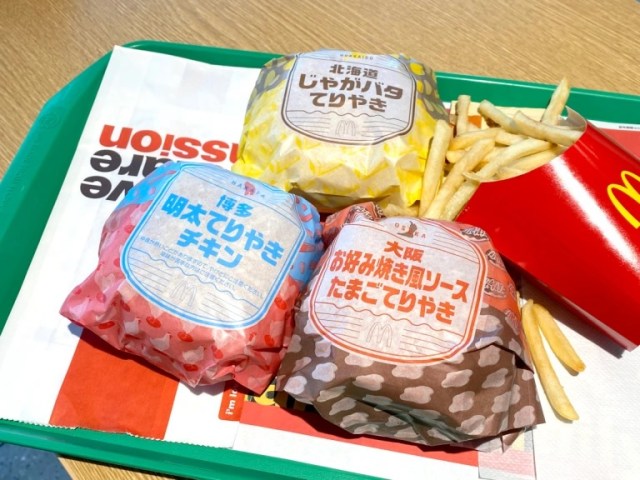
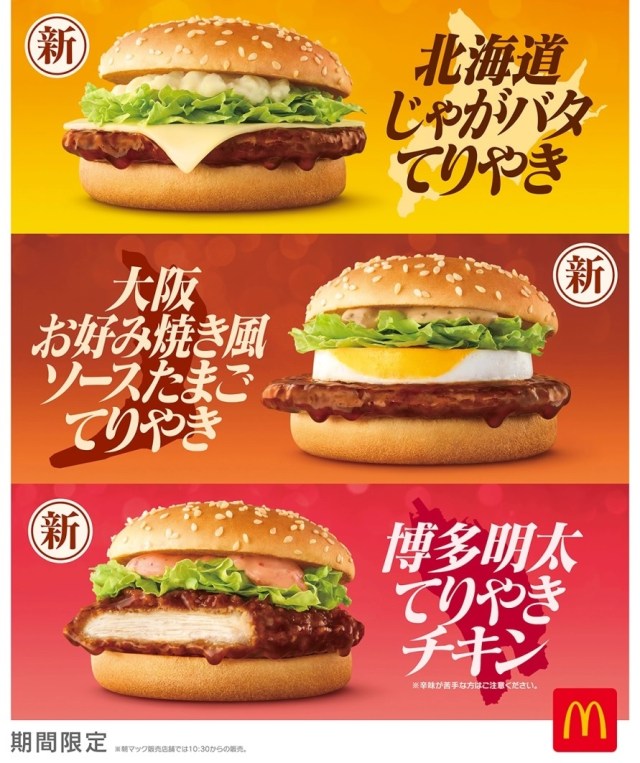
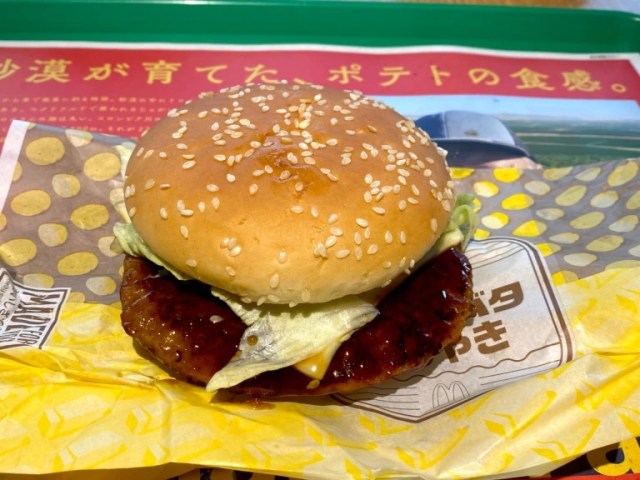
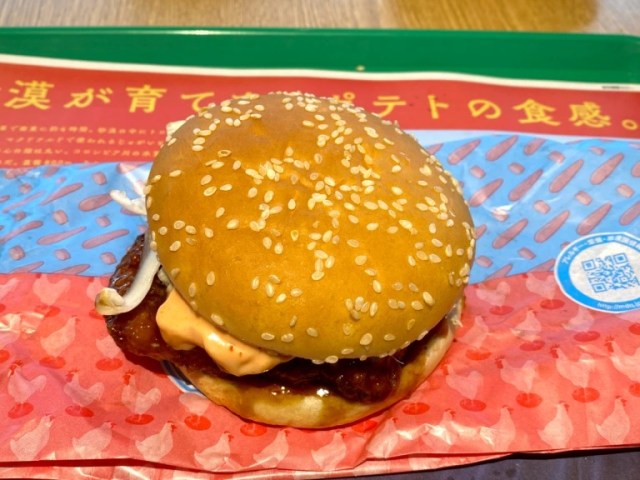
▼ From top to bottom: Hokkaido Jaga Butter Teriyaki, Osaka Okonomiyaki-style Sauce Tamago Teriyaki, and Hakata [Fukuoka] Mentai Teriyaki Chicken

Collectively, they’ve been dubbed the Otona no Gotouchi Teriyaki, or “Adult Regional Teriyaki,” burgers. Honestly, we’re not exactly sure what makes them “adult,” as two of the three foods serving as inspiration for the burgers are also perennially popular with kids. As immature adults, though, we figure we’re in the target demographic wither way, so our Japanese-language reporter P.K. Sanjun headed out to pick up all three of the Adult Regional Teriyaki McBurgers for a taste test.

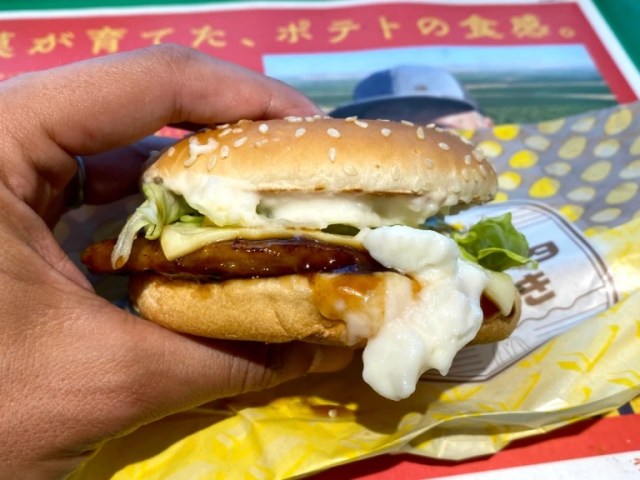
● Hokkaido Jaga Butter Teriyaki (450 yen [US$3.20])

For the pork-patty Hokkaido-themed burger, the inspiration is jaga butter, a festival food popular with young and old made of mashed potato drenched in butter (Hokkaido being Japan’s biggest producer of potatoes and dairy products). What the Hokkaido Jaga Butter Teriyaki McBurger’s name doesn’t mention, oddly enough, is that it’s actually a cheeseburger.

For the purposes of this burger, the jaga butter has been whipped into a buttery potato sauce. You might think it’d get lost in the flavor profile compared to the teriyaki and cheese, but the jaga butter sauce makes its presence felt in a surprisingly strong way. If anything, it’s the cheese that as the most subtle effect, playing a supporting role as it comes on as a gentle aftertaste, and P.K. strongly recommends this sandwich to those enjoy rich but not overpowering flavors.

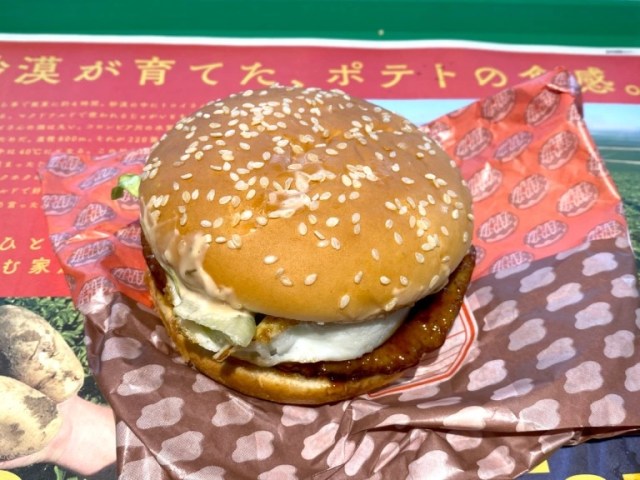
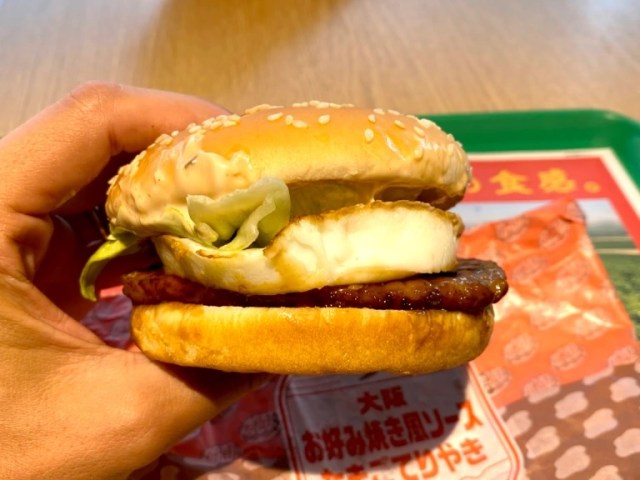
● Osaka Okonomiyaki-style Sauce Tamago Teriyaki (450 yen)

There’s a bit of a rivalry between Osaka and Hiroshima as to which city makes the best version of okonomiyaki, a sort of savory crepe/pancake. Osaka is definitely known as an okonomiyaki town, though, and the savory/sweet Worchester-like sauce used for the dish is what sets the pork-patty Osaka Okonomiyaki-style Sauce Tamago Teriyaki McBurger apart. As for the “Tamago” part of the name, that refers to the thick fried egg that sits atop the patty.

With both okonomyaki and teriyaki sauces, P.K. figured he was in for a very saucy sensation here, and that was instantly confirmed as he bit into the burger. But hey, a burger doesn’t have to surprise you as long as it delights you, and this one definitely did. Like jaga butter, okonomiyaki is something that’s popular with both adults and kids, and with the Osaka Okonomiyaki-style Sauce Tamago Teriyaki McBurger’s strong, straightforward flavors, P.K. thinks it’d be the one kids would enjoy the most out of the three Adult Regional Teriyaki sandwiches.

● Hakata Mentai Teriyaki Chicken (450 yen)

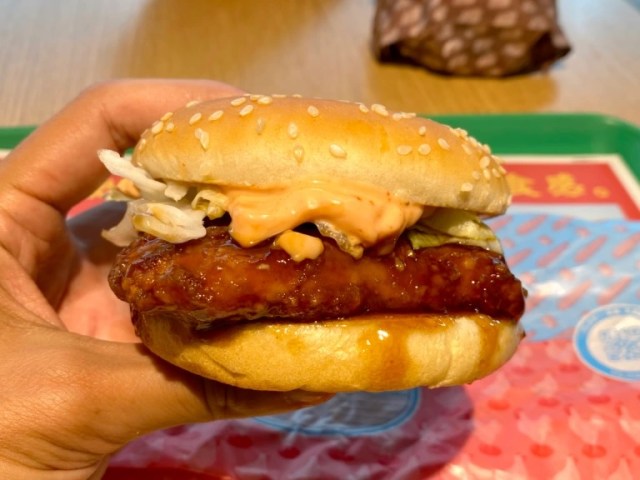
Hakata is the name of the liveliest section of downtown Fukuoka, a city famous for mentaiko (spicy cod roe). Riverside food stalls in Hakata sell a kind of chicken seasoned with mentaiko, and that’s the concept behind the Hakata Mentai Teriyaki Chicken fried chicken cutlet sandwich.

Just from appearances, though, we can tell that something might be off here. Usually mentaiko has a red or pink hue, but in P.K.’s photos, the sandwich’s mentaiko sauce looks orange.

Maybe it’s just the lighting at the McDonald’s branch he went to, but the bigger problem is that the sauce didn’t particularly taste like mentaiko to him either. Mentaiko has a mix of spicy and seafood-salty notes, but the sauce on this sandwich was almost exclusively heat, with hardly any cod roe flavor. If McDonald’s were calling it the “Deliciously Fiery Teriyaki Burger” or “Teriyaki Hot Sauce Burger,” P.K. would have no complaints. When you mention mentaiko in the product name, though, you build up an expectation that it’s going to taste like mentaiko, and not delivering on that promise left P.K. feeling disappointed.

That said, with its high spice level, the Hakata Mentai Teriyaki Chicken is the only one in the group that really feels like a sandwich specially made for adults. At the end of the day, though, names aside, all three sandwiches are tasty and satisfying, just as long as you focus more on the flavor than the names.

Top image: SoraNews24
Insert images: McDonald’s, SoraNews24
● Want to hear about SoraNews24’s latest articles as soon as they’re published? Follow us on Facebook and Twitter!
Ice cream cakes splattered in ink marks Splatoons return to Baskin Robins in Japan

https://ift.tt/N06VQw3 Master Blaster

Three is the magic number this time around.

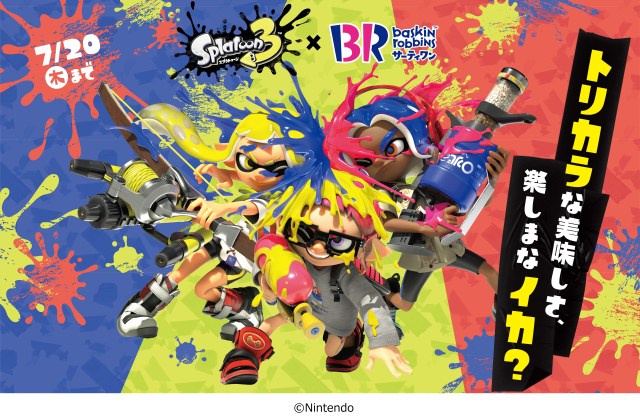
Last September the world was given a splash of color with the release of Splatoon 3, the game which pits squid and octopus people against each other to douse as much of the terrain and opponents as possible with brightly colored ink. And with the game’s release came a collab with leading ice cream parlor Baskin Robbins (widely known as “31” in Japan).

Considering both brands’ preference for vibrant colors, it was a match made in heaven, and now it’s back from not until 20 July!
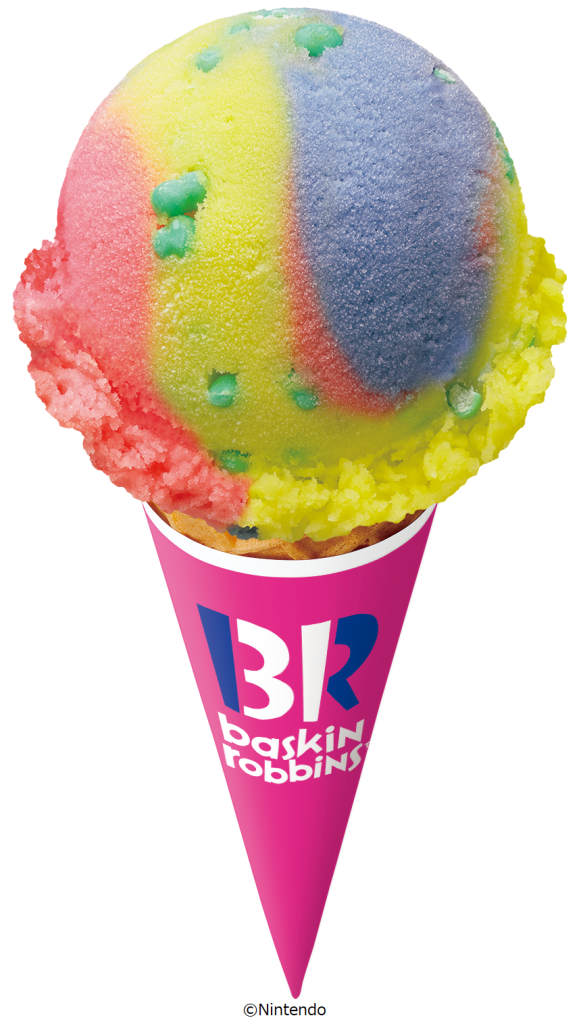
Splatoon 3 has seen a number of additions since its launch, with new modes that add to the gameplay. These changes have been reflected in this latest tie-in as well. For example, last year’s Ikasu Soda and Grape flavor that featured blue and yellow ice cream to represent the two teams in the game has been upgraded to the Ikasu Tricolor Fruit Punch for 390 yen (US$2.70).

The soda-flavored (referring to an apple/citrus flavor in Japan) yellow and grape-flavored blue sorbet have returned but are now joined by a red sour-peach-flavored sorbet. This is a reference to the Tricolor Turf War that has been added to Splatfests and pits three teams against each other.

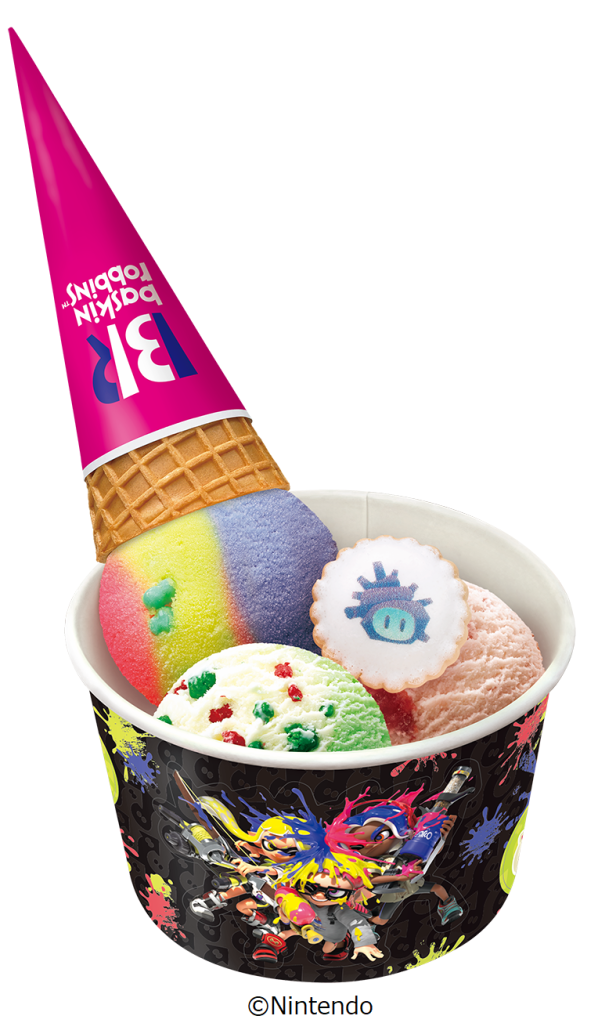
Likewise, Baskin Robbins’ Triple Pop, which is a cup with three scoops of any flavor, has leveled up to the Tricolor Pop for 650 yen ($4.50), in which one of the scoops is Ikasu Tricolor Fruit Punch with a cone sticking out of it for good measure. It’s also topped with a Super Sea Snail cookie.

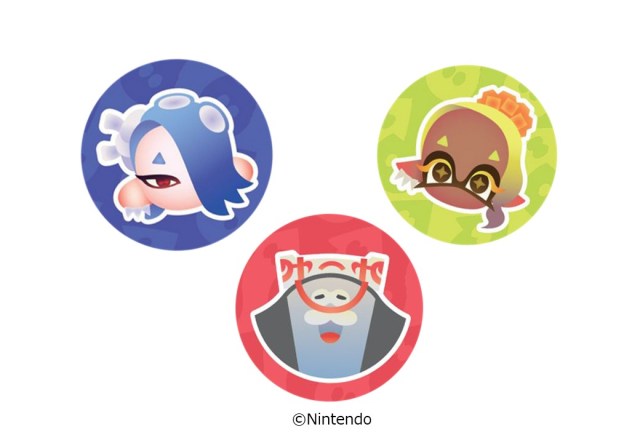
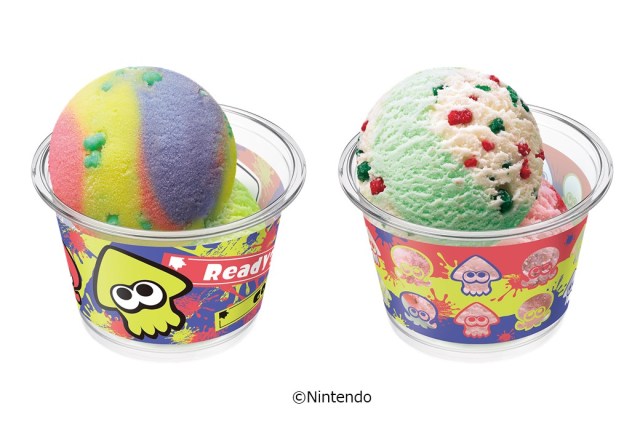
They come in a special Splatoon 3 cup that has stickers of various characters that you can remove and use elsewhere after eating.

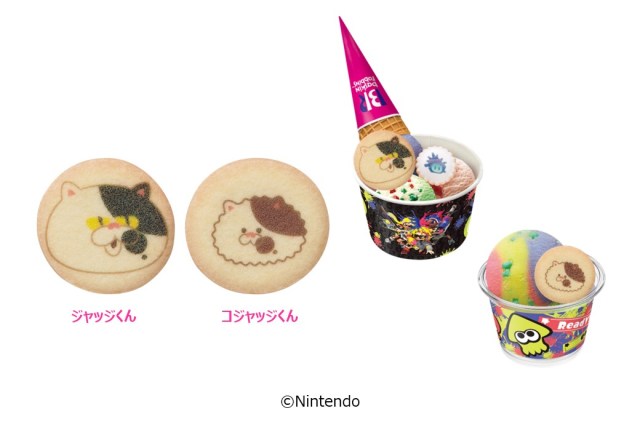
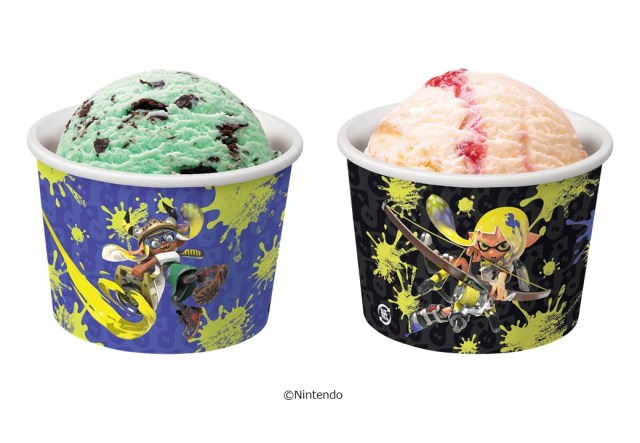
Double Cups with two scoops of any flavor will also come in one of two special Splatoon 3 cups, each with a Tricolor Turf War theme.

And the first 310,000 people to order either the Tricolor Pop or Double Cup will get one of two cookies featuring one of the two cat judges from the game. Much like in the game, the judges are assigned randomly and you can’t choose which one you get.

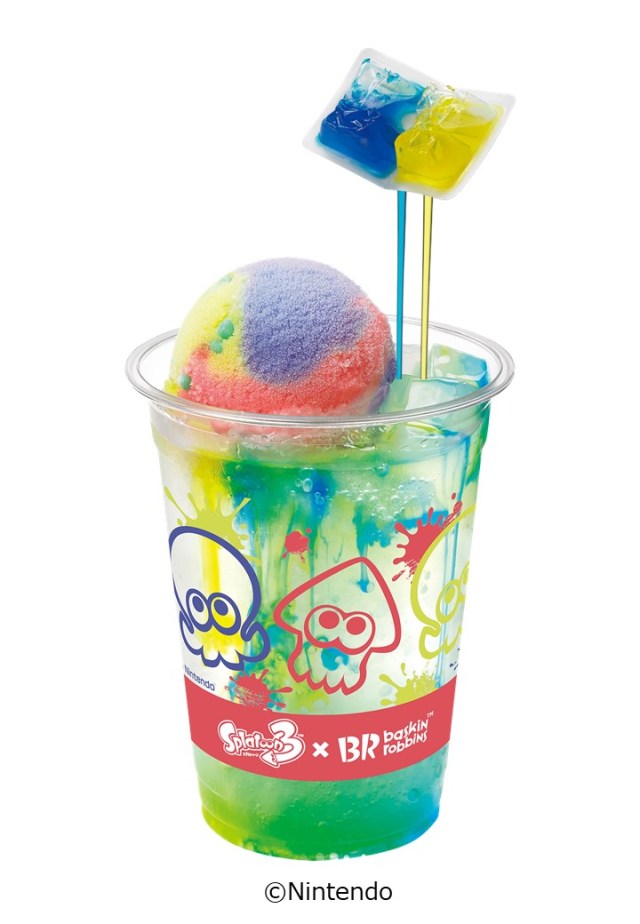
Last year’s Nice! Gelatin Soda has be replaced with the Tricolor Battle Clash Soda for 680 yen ($4.70), which has the same packet of blue and yellow syrup and scoop of ice cream, but replaces the bits of gelatin with more crushed ice for an all around crisper and cooler beverage.

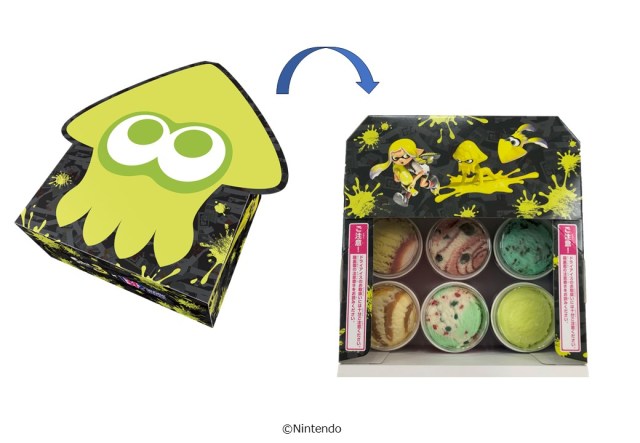
That all is just the beginning though, because two big new items have also been added to the line up. First is the Ikashita Ice Cream Set, which are six scoops of any ice cream in Splatoon 3 cups.

And all this is wrapped in a big Splatoon 3 box.

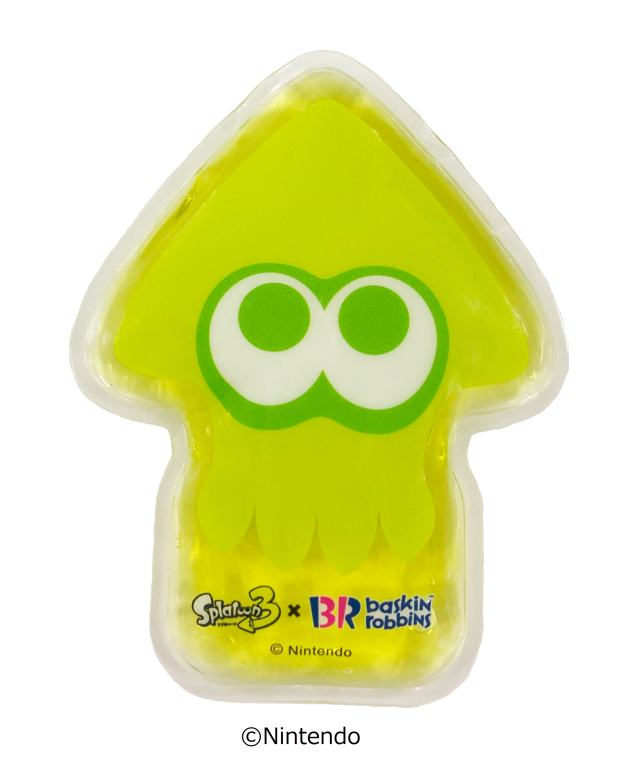
But best of all, to keep your ice cream cool during transport, there’s also a Splatoon 3 squid-shaped cooling pack!

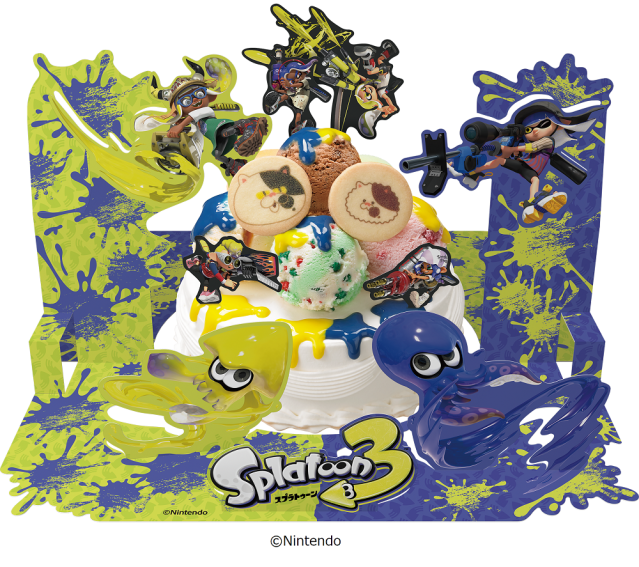
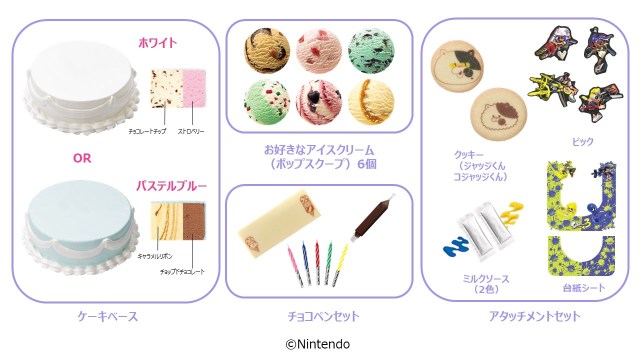
Finally, the pièce de résistance is the Splatoon 3 31 Deco Cake for 4,300 yen ($29.72). This starts with your choice of a Chocolate Chip / strawberry or Caramel Ribbon / Chopped Chocolate ice cream cake which is then topped with six scoops of whatever ice cream you want. Decorations include cat judge cookies, paper cut-out of Splatoon fighters, a chocolate pen with chocolate message board, candles, and best of all, two packets of blue and yellow milk sauce that you can goop all over the cake, just like in the game!

Put it all together and you’ll get something like this:

This alliance doesn’t end in the ice cream shop either. In Japan from 15 to 17 July, Splatoon 3 will be holding a special Splatfest asking players to vote for their favorite ice cream flavors and then defend the honor of said flavors in a Tricolor Turf War. Vanilla, Strawberry, or Mint Chocolate: Which one will prevail?

Of course, Popping Shower couldn’t have been included because everyone would just vote for that and end up on the same team.

Source, images: PR Times
● Want to hear about SoraNews24’s latest articles as soon as they’re published? Follow us on Facebook and Twitter!