Páginas

lunes, 2 de mayo de 2022

Hotel guest who boiled crabs in room’s kettle angry to have to pay for damages

https://ift.tt/sATf7U8 Master Blaster

Legal dispute has everyone feeling crabby.

Every once in a while we come across warning labels that seem to fall under common sense like “don’t put your PlayStation in the microwave” or “don’t engage in sexual activity with your Pepper robot.” But it’s rare to actually see one of these in the making, so next time you’re in a hotel room and a sign tells you not to boil crabs in your room’s electric kettle, you’ll know exactly why.

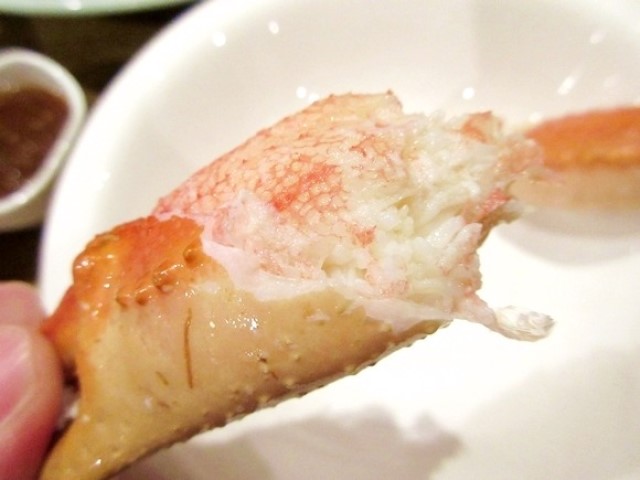
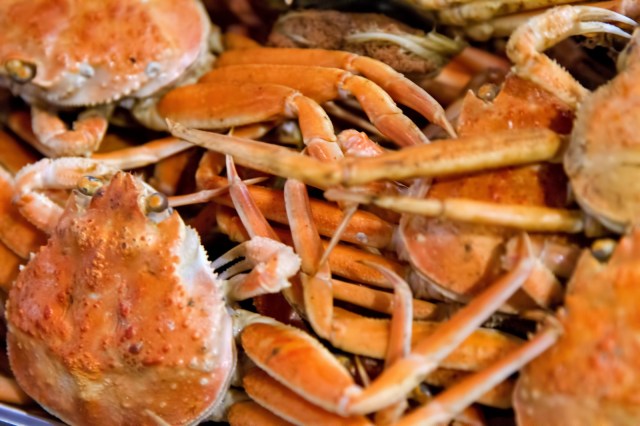
As reported by legal news website Bengoshi Dot Com, an unidentified hotel was claiming damages of 40,000 yen (US$308) from a guest who, over a stay of several days, used the electric kettle in their room to boil crabs on two occasions.
Pakutaso

The hotel said that the makeshift cuisine caused an odor that was difficult to remove and made them unable to rent room for days while it was removed. The guest challenged that, saying it was unlikely the room would have been booked every day afterward anyway.

The hotel conceded that point and reduced their demands to 17,000 yen ($130) for the deodorization of the room and 5,000 yen ($38) for a new kettle. The guest, however, was still not satisfied with paying any form of restitution, claiming that the air purifier was turned on while cooking and there was no written rule against boiling crabs in the kettle.

The court of public opinion, meanwhile, sided unanimously with the hotel in this matter and felt the guest simply didn’t have a crab leg to stand on.

“I’m glad I don’t run a hotel.”
“It scares me to know there are people out there that do stuff like this.”
“It’s OK to do because no one said not to. That’s the typical logic of idiots.”
“It never even occurred to me to put anything other than water in a kettle.”
“There was nothing written against drawing on the walls either, but you still shouldn’t do it.”
“Isn’t part of going on vacation and staying in a hotel letting someone else cook your meals?”
“I heard some people use those kettles to clean their underwear, so I wouldn’t use it anyway.”
“Can you even boil crabs in electric kettles?”

It is a little surprising that a hotel’s electric kettle has the size and heat retention to thoroughly boil crabs, but since the guest doesn’t appear to be riddled with flatworms, it apparently does work.

As for the legal liability in such a matter, Bengoshi Dot Com spoke with a lawyer who explained that the guest is absolutely on the hook for any and all damages incurred from boiling crabs. Firstly, when renting the room the hotel and guest enter a contract which obliges the guest to not engage in behavior that would damage the room.

Furthermore, boiling water for tea or coffee would be the normal use of an electric kettle by anyone with sound judgement. So anyone using the kettle for any abnormal purpose, such as cleaning underwear, playing baseball, or boiling animals alive, is liable for damages incurred to hotel property in said act.

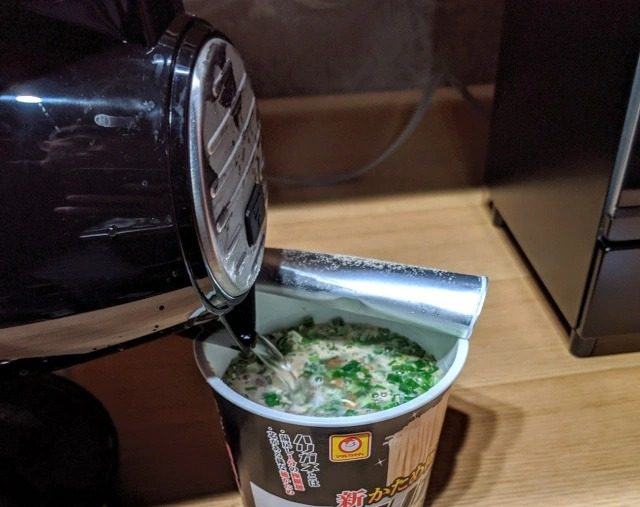
▼ Kettles the way they were meant to be used.
©SoraNews24

So the next time a crustacean is spotted scuttling along the street while on vacation, let’s resist the urge to pick it up and cook it in our rooms, and leave meal preparation to the trained professionals instead.

And for those preferring to dine in-room, there’s always Cani-Cola which a firm yet mellow aroma of crab that is certain to not seep into the wallpaper. Your hotel will thank you for it.

Source: Bengoshi Dot Com, Itai News
Top image: ©SoraNews24
● Want to hear about SoraNews24’s latest articles as soon as they’re published? Follow us on Facebook and Twitter!

Japan Railways offering ‘Shinkansen for Pets’, includes dog-friendly vacation packages

https://ift.tt/MlnzrsN Katie Pask

The ‘Woof-cation‘ package includes a photographer, veterinarian and dog trainer.

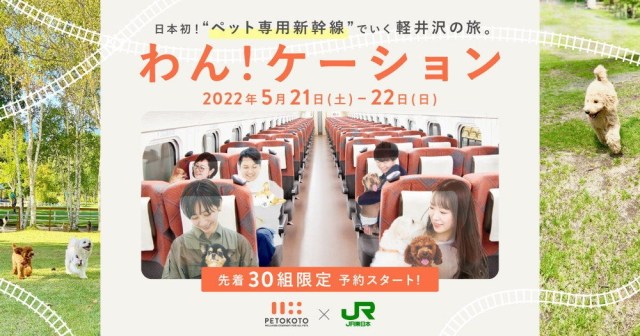
JR (Japan Railways) East are offering a new tour package that allows pet owners to travel on the Shinkansen with their pets in tow. While the package is being billed as ‘Japan’s first Shinkansen for pets‘, the promotional images and name ‘Woof-cation’ suggest that the tour is aimed at dog owners.

Current train guidelines state that passengers travelling with pets must keep them in cages for the duration of their journey, but the new ‘Woof-cation’ chartered Shinkansen train service will allow 40 minutes of ‘family time’, during which passengers can enjoy the trip with their dogs out of the cage, be it on their lap or on a covered seat.

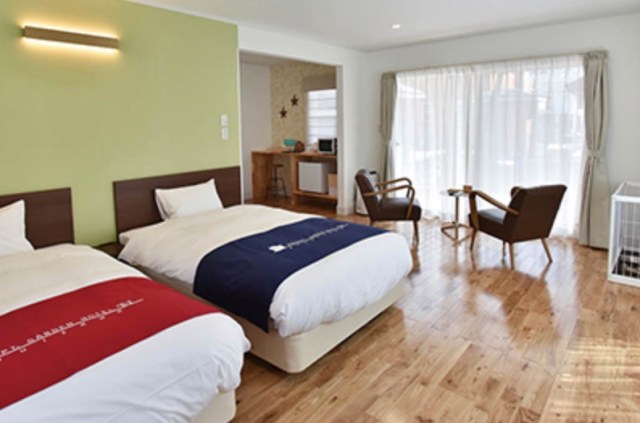
The Woof-cation chartered Shinkansen will take passengers from Tokyo’s Ueno Station to Karuizawa City in Nagano Prefecture, where they will spend the night at one of two pet-friendly accommodations that offer services for dog owners — the Karuizawa Prince Hotel East Dog Cottage, which offers services for canine guests on arrival such as nail clipping, ear cleaning and other treatments, or the Dog Dept Garden Hotel, a newly built resort-style complex with an open terrace café, restaurant, and an all-weather indoor dog run.

▼ Rooms in the Dog Dept Garden Hotel

▼ The Karuizawa Prince Hotel East Dog Cottage has a cabin-like feel

Upon arriving in Karuizawa, guests can take part in a photoshoot with a professional photographer in the hotel’s dog run, followed by a training class for the dogs, with a private evening party to finish. Professional trainers and veterinarians will be present for the run of the tour, and guests can enjoy socialising with other dog lovers, as well as letting their dogs hang out and have fun together too.

The tour will take place on May 21, 2022, with prices starting at 106,000 yen (US$812) per human couple or 67,000 (US$513) per person. The tour is also limited to 30 pairs, and anyone interested in taking a train trip with their pooch can apply via the website.

Guests should be aware that this is a test run for potential future tours, and as such the media will be there filming and taking pictures, so you’ll want to make sure your prized pup is camera ready before getting on the train!

Related: Karuizawa Prince Hotel East Dog Cottage booking site
Source: JR East via NetLab
Images: JR East press release
● Want to hear about SoraNews24’s latest articles as soon as they’re published? Follow us on Facebook and Twitter!
A creepy, unplanned visit to a Japanese ghost town…with ice cream!【Photos】

https://ift.tt/gHf8wPq Casey Baseel

A trip to Kiyosato on “the train line closest to the heavens.”

Having grown up in a coastal town on Japan’s southwestern island of Kyushu, our reporter Mariko Ohanabatake has always felt there’s a special allure to the mountains. So she recently found herself in Yamanashi, one of Japan’s landlocked prefectures, she decided to take a day trip to the Kiyosato Highlands, or Kiyosato Kogen, as they’re called in Japanese.

Why Kiyosato? Well, back in the ‘80s, during the height of Japan’s Bubble Economy, there was sort of a Kiyosato boom, with travel show features and celebrity leisure travelers creating a glamorously laid-back image for the place.

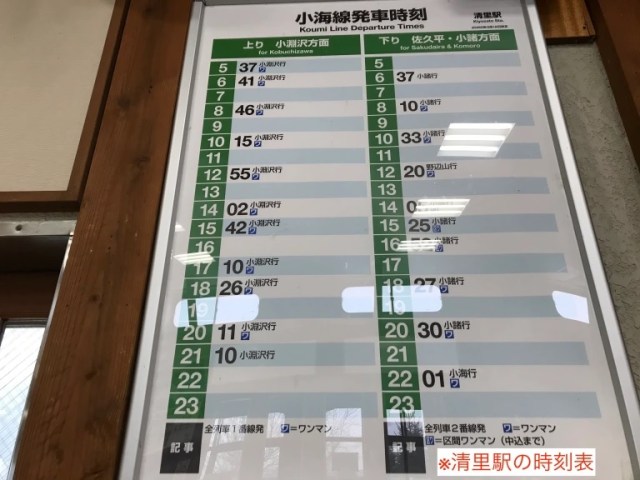
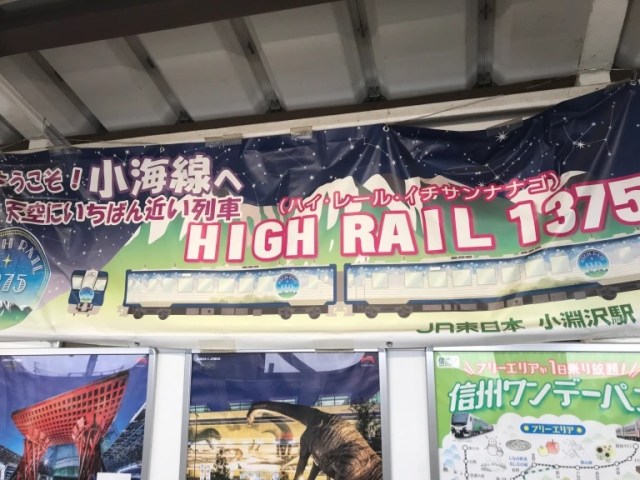
The last leg of the train trip out to Kiyosato involves a ride on the Koumi Line. This line has the distinction of being the highest-altitude section of track managed by Japan Railway, which calls it “the track closest to the heavens.” Before heading to the platform, though, you’ll want to check the timetable, though, because trains only come about once an hour, and sometime the wait can be as long as two hours and 40 minutes!

Now, when we said Mariko has long been drawn to the mountains, it’s because of her mental pictures of running along grassy plateaus under clear blue alpine skies. On this day though…

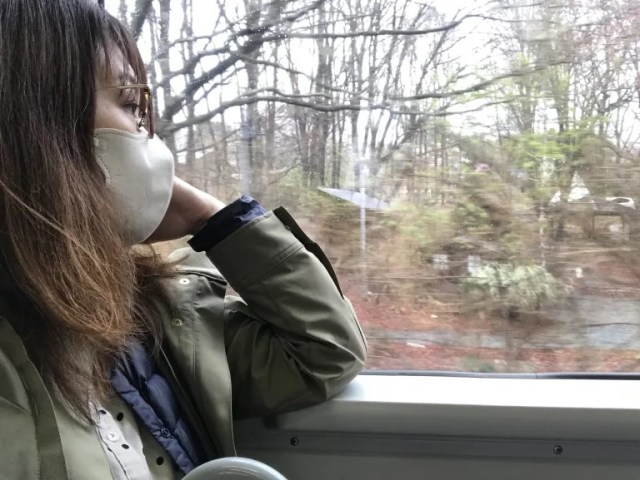
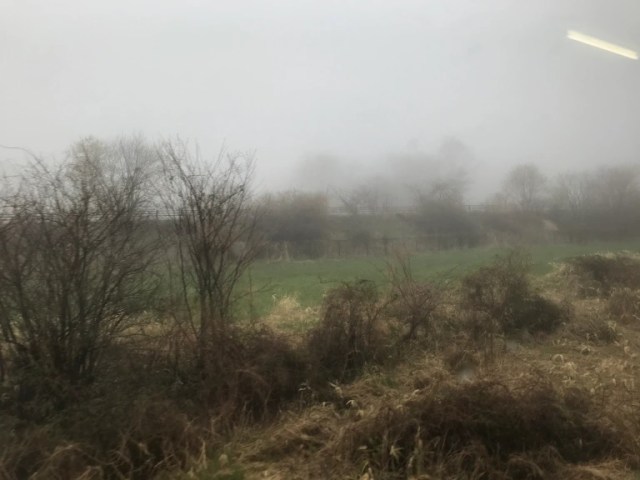
…the weather was unseasonably cold and cloudy. As the train chugged higher and higher, Mariko didn’t feel like she was approaching the heavens so much as a mysterious world of fog.

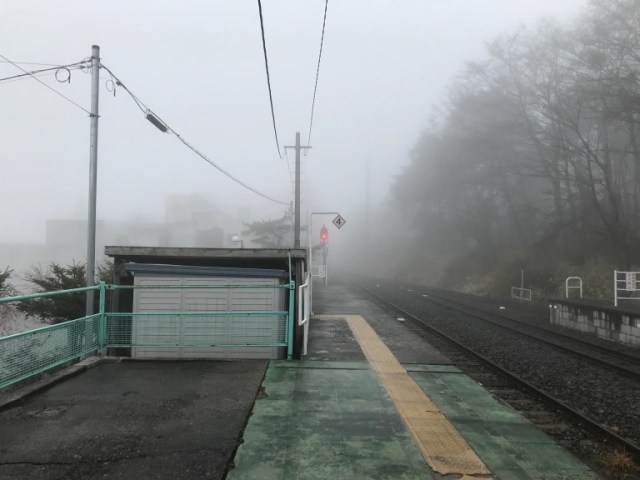
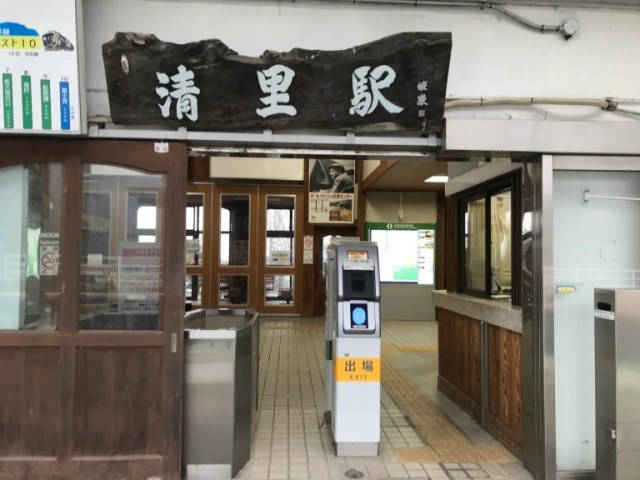
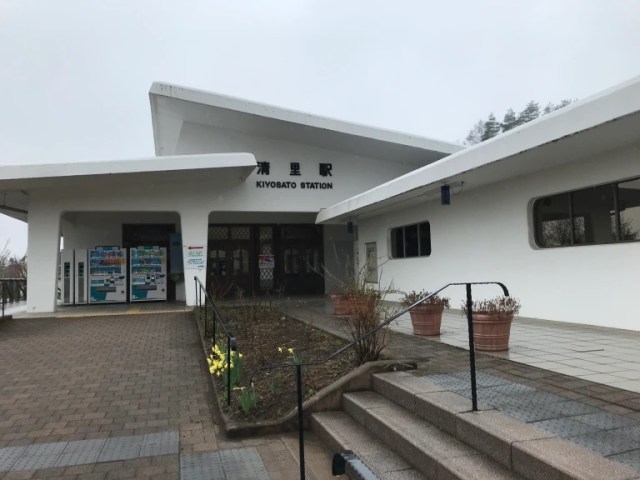
By the time she got off the train at Kiyosato Station, the mist had gotten so thick that she couldn’t see much farther than the end of the platform.

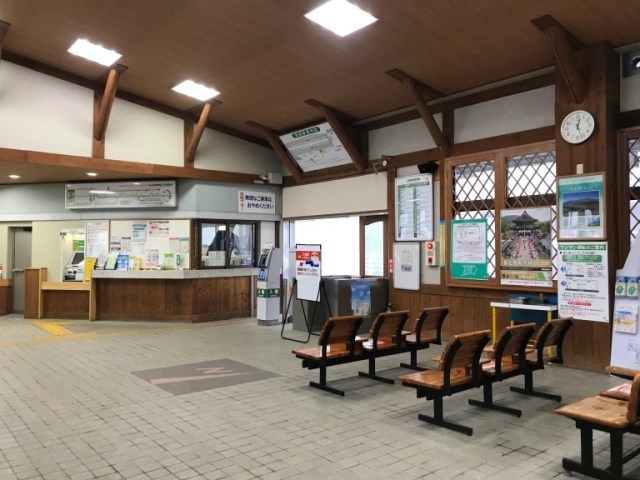
Stepping into the station building itself didn’t do much to alleviate that feeling of isolation.

Aside from a single station attendant, there was no one else there.

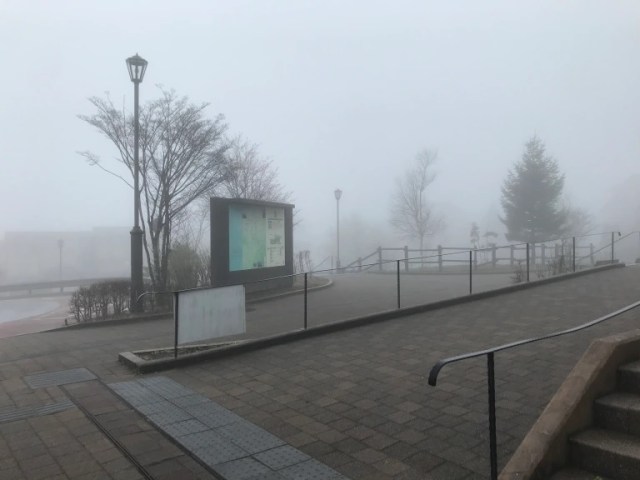
But the inside of the station felt like a hive of activity compared to what was waiting outside.

Mariko wasn’t just the only person in the town, she felt like the only living thing there.

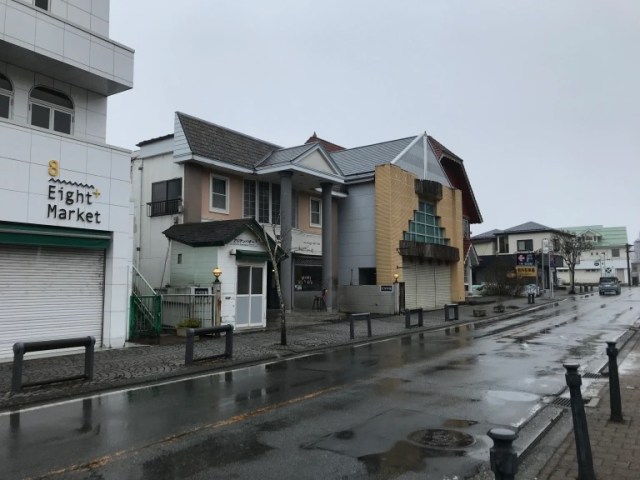
She’d had heard that the town around Kiyosato Station isn’t as lively as it had been back in the Bubble Era anymore, but she hadn’t expected a full-on ghost town.

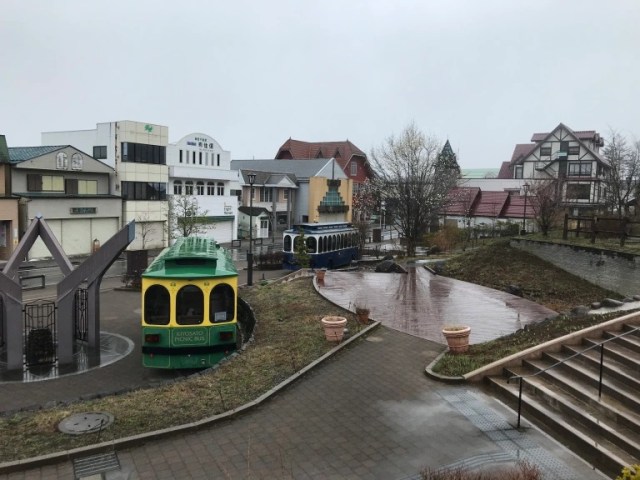
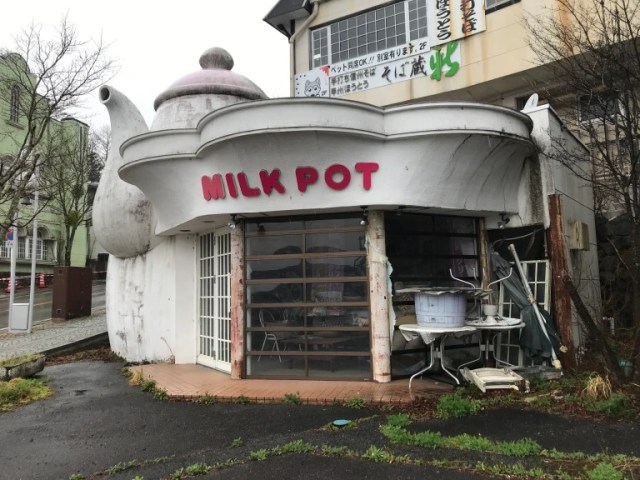
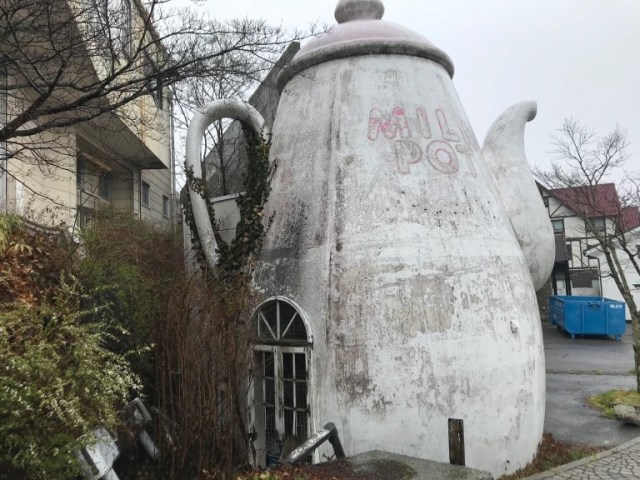
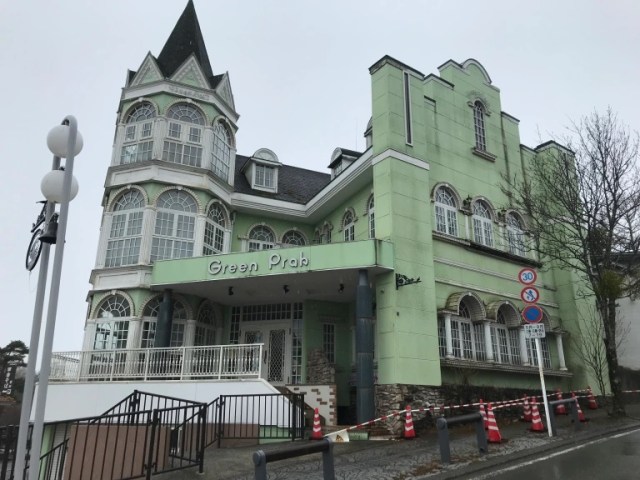
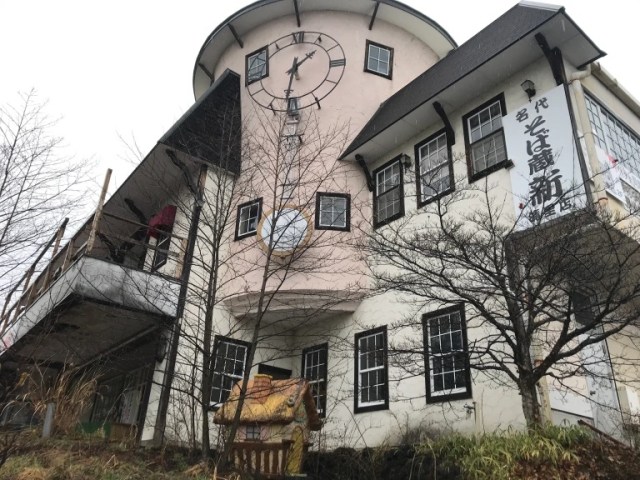
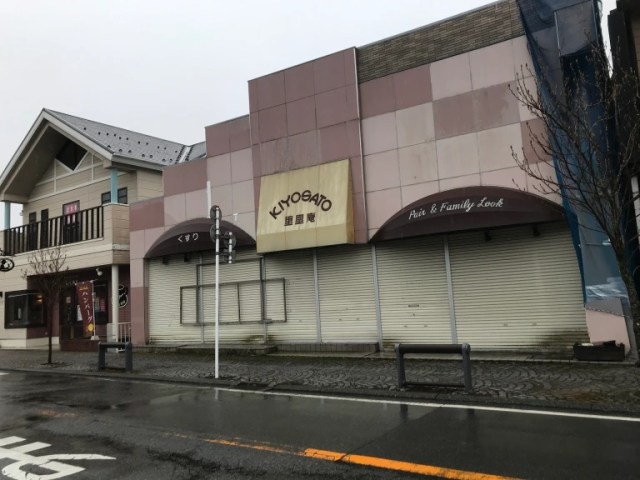
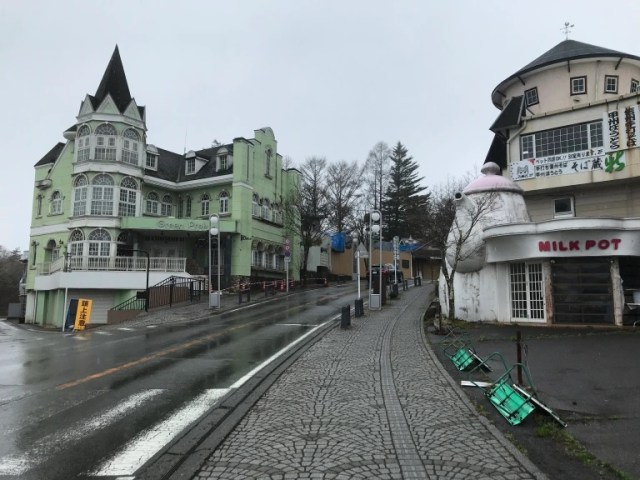
Store after store was closed, and looked like it has been for years. Making the atmosphere especially surreal is that since this was a vacation destination, a lot of the architecture is fanciful and brightly colored. Walking around town felt like being inside a forgotten fairy tale kingdom.

▼ Time seems to have stopped, in more ways than one, at this soba restaurant with a clock tower.

▼ Kiyosato is famous for its soft serve ice cream, but this place has served its last cone.

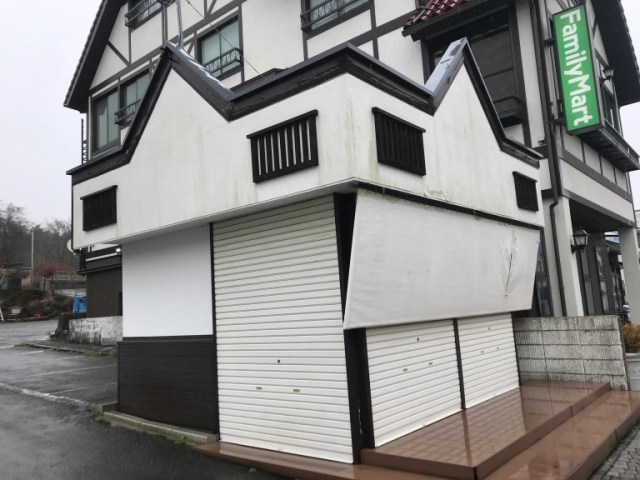
The one place Mariko found that is still in business? A solitary branch of convenience store chain Family Mart.

Sadly, like a lot of other overly optimistic places in Japan, Kiyosato overdeveloped during the heady days of the Bubble Economy, assuming that the crowds would keep coming forever and ever. Things didn’t pan out that way, though, but the buildings were built sturdily enough that they haven’t crumbled, even after extended periods of disuse.

However, while the area around Kiyosato Station has become a ghost town, the Kiyosato Highlands still offer a lot of sightseeing and leisure activities, such as hiking, skiing, cycling, and hot springs. You just have to get a farther away from the station. For example, the Kiyosato Terrace offers refreshments and reclining seating with jaw-droppingly beautiful views.

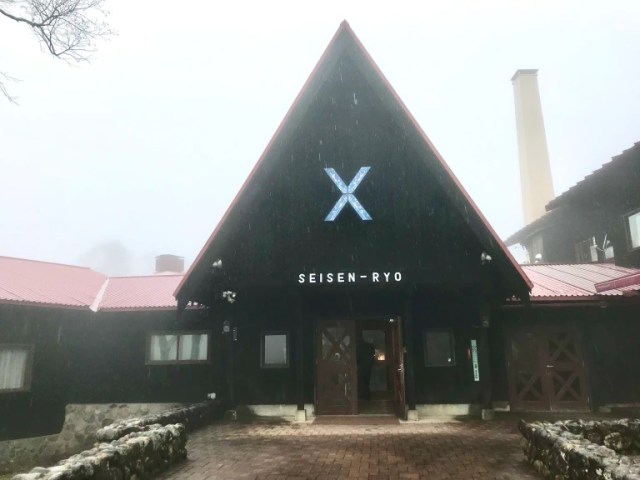
And even on a rainy day, a quick five-minute taxi ride had Mariko at the entrance to the Seisen-ryo resort lodge.

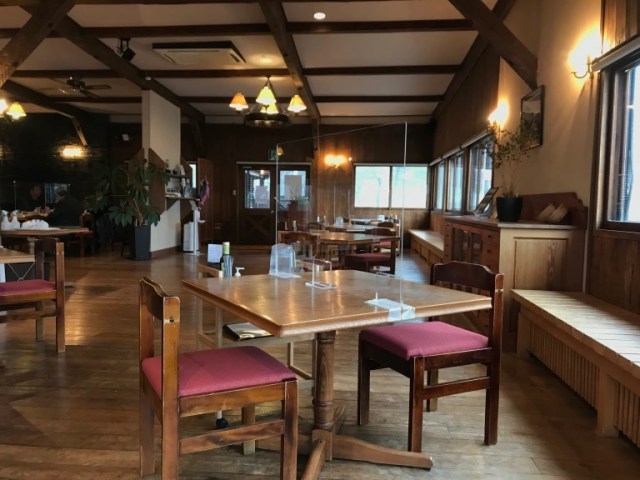
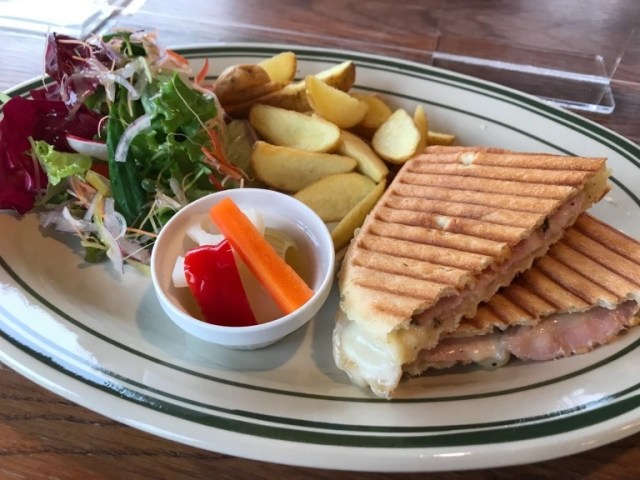
She wasn’t staying the night, but she could still enjoy a delicious lunch…

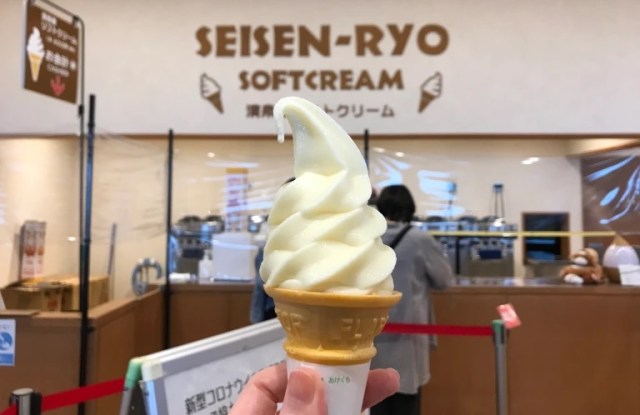
…and more importantly, in their attached shop they sell…

Kiyosato soft serve ice cream, made with milk sourced from local dairies.

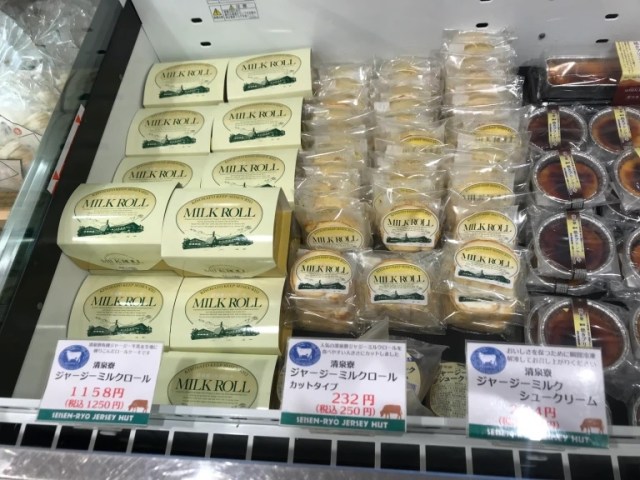
▼ Other local-ingredient treats include cheesecake, milk pastries, cookies, sausages, and ham.

So in contrast to the eerie emptiness around the station, there’s still plenty to do that makes a trip out to Kiyosato worthwhile. You’ll probably want to pick a day when the weather is sunny, though, and if you go between late spring and early fall, there’s also a sightseeing bus that departs from in front of the station, since most of the area’s attractions aren’t within easy walking distance.

Or, if you’re after some unique photos, head there on a spookily foggy day like Mariko did, and pair the chill in your spine with some nice cold ice cream.

Related: Kiyosato Kogen Tourism Association official website, Kiyosato Terrace, Seisen-ryo
Photos ©SoraNews24
● Want to hear about SoraNews24’s latest articles as soon as they’re published? Follow us on Facebook and Twitter!

Survey picks Japan’s top three (actually four) open-air museums【Photos】

https://ift.tt/jxvTbk9 SoraNews24

A day at the museum doesn’t have to mean a day inside.

When you hear the word “museum,” your mind might conjure up images of a quiet, stuffy hall filled with people talking in muffled voices. Japan, though, boasts a large number of beautiful, airy open-air museums, and Japanese Internet portal Seikatsu Guide recently asked its users to vote for the best in the country.

A total of 201 responses were collected from participants between the ages of 10 and 89. Ordinarily, we’d be looking at the top three, but since there’s a tie at third place, we present this four-entry top-three ranking.

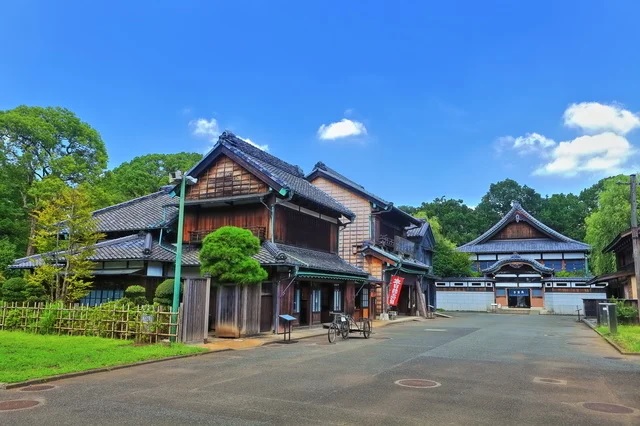
3 (tie). Edo Tokyo Open-Air Architectural Museum (Koganei City, Tokyo)

Established in 1993 as an “annex” of downtown Tokyo’s Edo-Tokyo Museum, the Edo Tokyo Open Air Architectural Museum has over 20 preserved homes and shops, ranging from the Edo period of the 17th century up to the mid-Showa era of the 1960s.

Visitors are allowed to go inside, allowing them to appreciate the architectural and cultural history both inside and out, and the museum is even reportedly a favorite of Studio Ghibli founder Hayao Miyazaki, who was a frequent visitor for inspiration and research while working on Spirited Away.

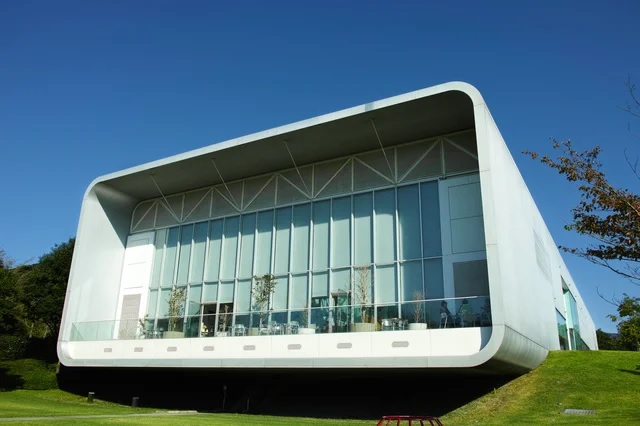
3 (tie). Kirishima Open-Air Museum (Yusui, Kagoshima Prefecture)

Though it also has indoor exhibition spaces, the real draw of this museum is its expansive 20-hectare (49.4-acre) area, which allows for all sorts of large-scale avantgarde sculpture displays.

Being located in the highlands near Mt. Kirishima also provides some beautiful views of the surrounding scenery, and with admission being just 320 yen (US$2.60) it seems pretty easy for guests to get far more than their money’s worth out of a visit.

2. Little World (Inuyama, Aichi)

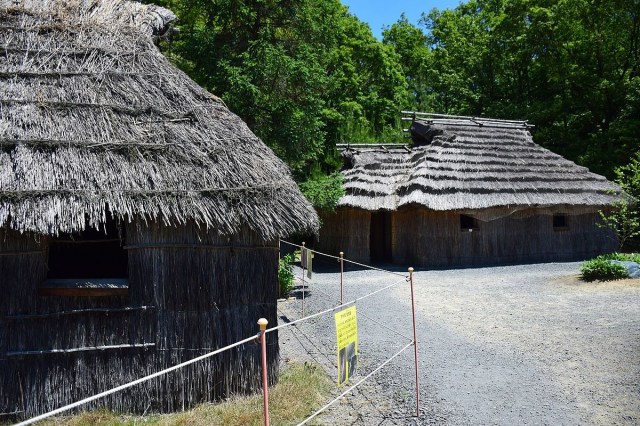
The full name of this place is The Little World Museum of Man, with its focus being a celebration of the world’s cultures through architecture, clothing, and food. Visitors even get a “passport” that they can stamp at each zone.

In addition to structures representing cultures from Europe, Africa, and elsewhere in Asia, there are also reconstructions of traditional Hokkaido Ainu and Okinawan homes, as pictured above.

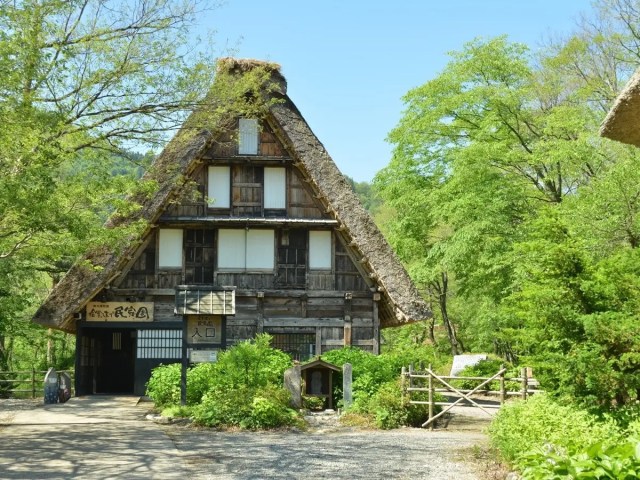
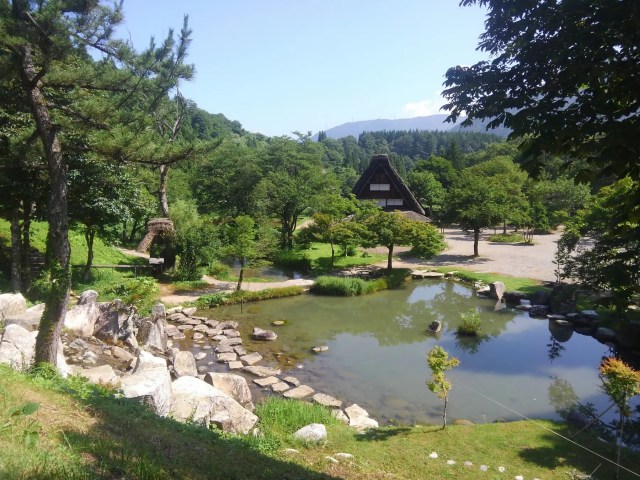
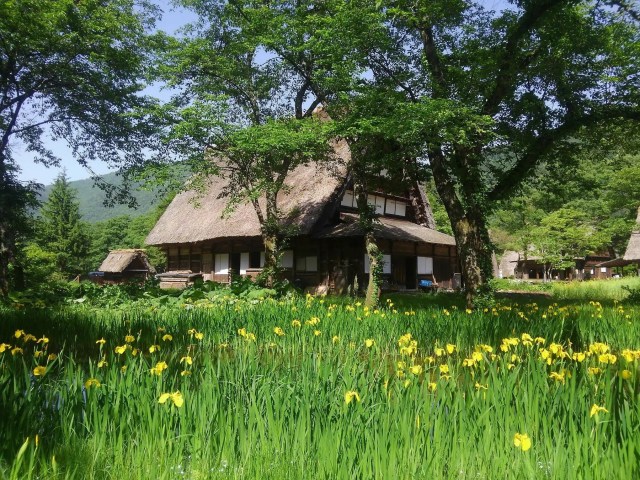
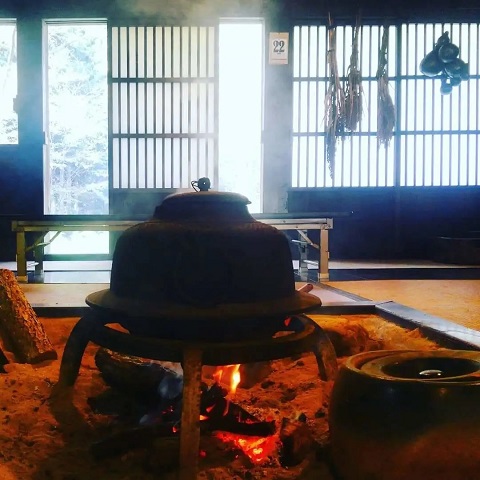
1. Gasshozukuri Minkaen (Shirakawa, Gifu Prefecture)

A longtime favorite, this cluster of preserved farmhouses tops Seikatsu Guide’s ranking. Gassho translates to “hands pressed together,” a reference to the steeply slanted thatched roofs these traditional homes were designed with in order to keep snow from piling up on them during the winter and collapsing the structure.

That unique design also means that the houses have massive attics, which visitors to the Gasshozukuri Minkaen can see in the buildings that allow them inside and up above the ground floor.

Gasshozukuri Minkaen makes for a beautiful visit in any season, not just the winter months the houses were designed to withstand. Oh, and if you’re worried about the possibility of a fire starting on those thatched roofs, put your mind at ease, because there’s a very clever sprinkler system hiding on the grounds.

Source: PR Times
Top image: PR Times
Insert images: PR Times, Wikipedia/Bariston (1, 2)
● Want to hear about SoraNews24’s latest articles as soon as they’re published? Follow us on Facebook and Twitter!
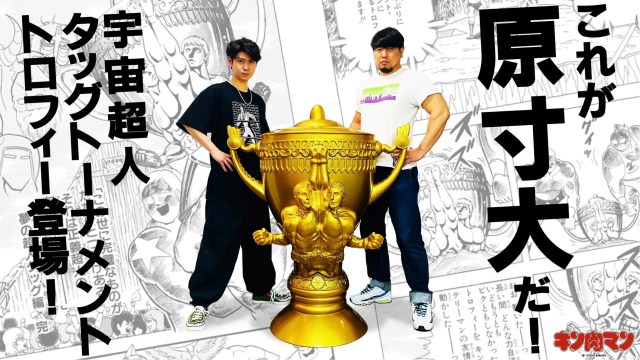
Life-sized Kinnikuman tag-team trophy selling for 1.1M yen, no more than 5 will be made

https://ift.tt/9Mk4f75 Master Blaster

Belts are for losers.

In the annals of manga, few titles are as enduringly endearing as Kinnikuman. Unfortunately, it was only localized in the West in toy form as M.U.S.C.L.E., depriving kids there like myself the long-running bizarre fun of the intergalactic wrestling drama and its huge cast of imaginative characters.

▼ Whichever network TV gatekeeper stopped this from entering my Saturday morning cartoon lineup in the ’80s really needs to be held accountable

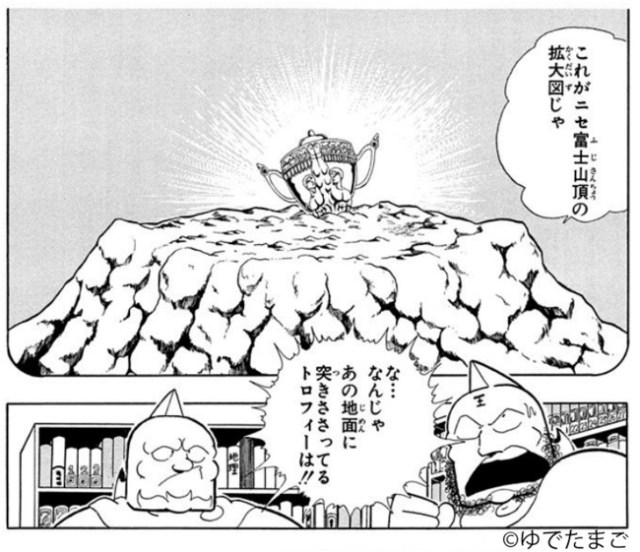
For example, in the story there is a place called Tournament Mountain, which is a fake Mt. Fuji built right next to the real Mt. Fuji. However, one side of the mountain is flat and has seven wrestling rings suspended from the side in a tournament bracket arrangement. And embedded in the top of Tournament Mountain is a tag team trophy which is kind of like the sword in the stone in that can only be removed by a tag team that possesses true friendship.

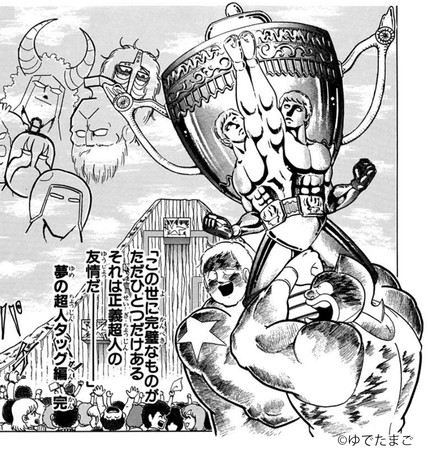
After winning the Space Chojin Tag Tournament, series protagonist Kinnikuman and his rival-turned-friend Terryman had built their relationship to the point that they became the first tag team to lift the trophy in 140 million years.

▼ Yeah that’s right, 140,000,000 years

And now, you can too!

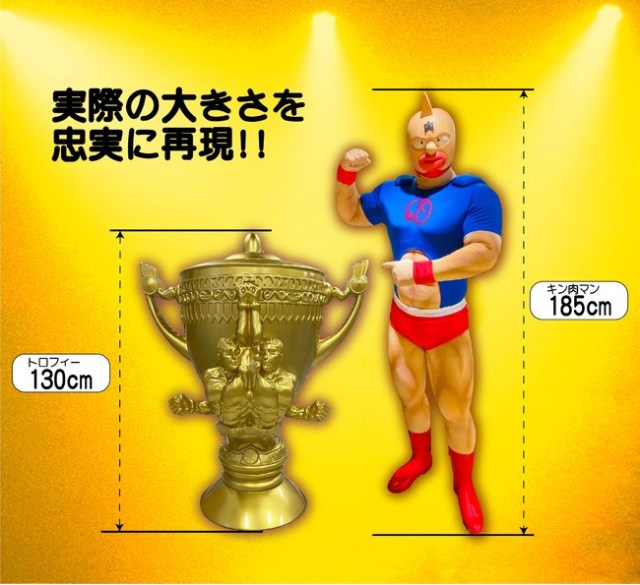
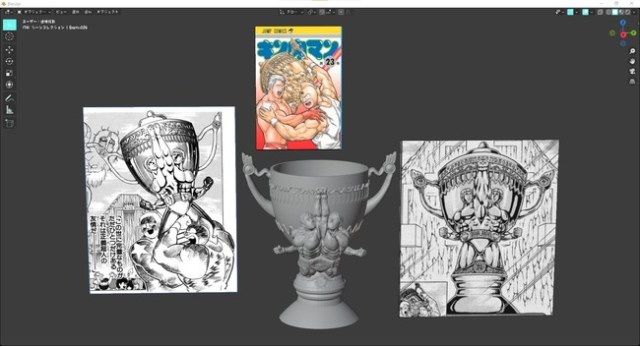
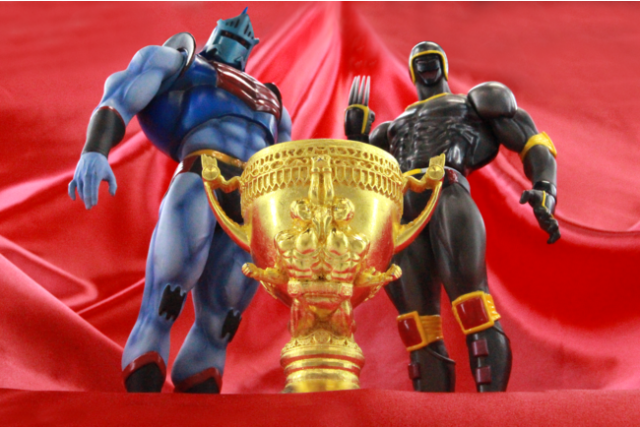
Precision parts maker Castem in Fukuyama City, Hiroshima Prefecture, has designed a 1:1 scale model of the actual tag team trophy that stands at a height of 130 centimeters (four feet, three inches). However, in order to allow mortals like you and I to lift it, this trophy is made from fiber reinforced plastic which is painted to give it the right metallic sheen and then finished with 24-karat gold leaf for a total weight of only 20 kilograms (44 pounds).

That’s pretty much where the differences end, though, as every detail of the trophy’s design was painstakingly lifted from the two-dimensional images of Yoshinori Nakai’s artwork and converted into a 3-D model by Castem.

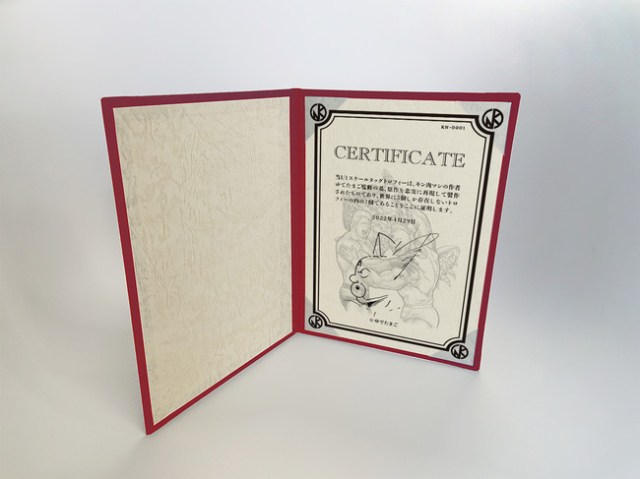
It also comes with a certificate of authenticity signed by Kinnikuman writer Takashi Shimada. Shima expressed his own pleasure with the life-sized trophy, saying: “Tag team trophies strike a chord with pro-wrestling fans and boys, so just looking at one can cause excitement. I think I want one too. Please get one!”

Kind words, but that might be easier said than done since one trophy costs 1,100,000 yen (US$8,400). Moreover, Castem is limiting production to only five, but since they will be made to order, if only one person buys one, they will end up having the only one in existence.

If that’s too steep or you simply don’t have space for a gigantic tag team trophy in your home, Castem is also offering a smaller, 1:14 scale version of the trophy.

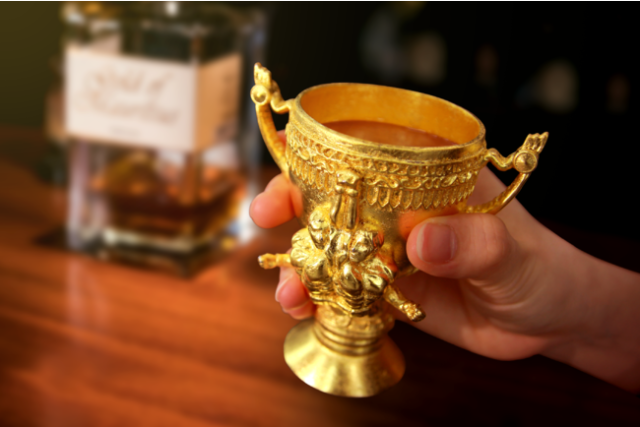
At only 10 centimeters (four inches) tall, this trophy is instead made of steel and then given a gold leaf finish by a specialist in Kyoto. The result is a much weightier 500 grams (1 pound).

The size makes it a perfect accessory for any super fan’s figure collection.

Or, it could also make a spiffy goblet to enjoy a nice aged whisky after a hard day of grappling to earn a seat on the throne of your home planet.

These smaller trophies are also made to order but have no limits and cost 33,000 yen ($252) each. Although it’s considerably cheaper than the life-sized trophy, it still makes for a rather expensive cup.

Perhaps, much like the trophy in the manga, these cups can only be purchased by teams who can demonstrate the truest of friendship by pooling large sums of money together and sharing extravagant cups without any problems. Luckily, this is a test our team already passed years ago, so Tournament Mountain here we come!

Source, images: PR Times
● Want to hear about SoraNews24’s latest articles as soon as they’re published? Follow us on Facebook and Twitter!
Muji is selling sake, and it’ll make drinkers feel good in more ways than one

https://ift.tt/xH7bEfn Casey Baseel

Delicious sake that gives a small town a helping hand is definitely something worth raising a cup to/of.

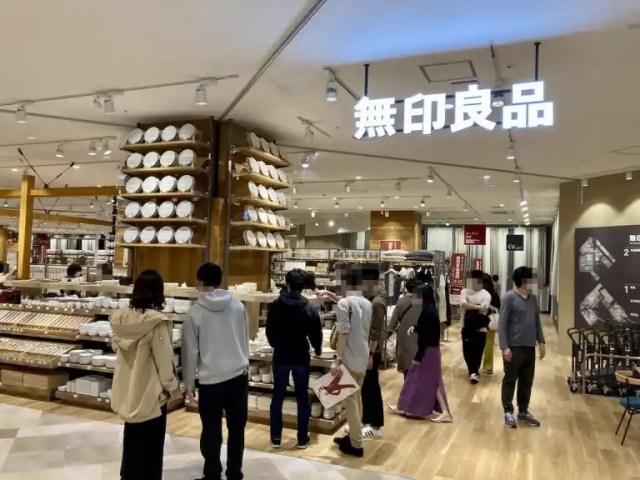
Mujirushi Ryohin, also known as Muji, is completely committed to the comprehensive nature of being a lifestyle brand. It’s hard to think of another store you can walk into and buy not only furniture for every room in your home, but a complete wardrobe of clothing to fill the closets, plus a washing machine to wash said clothing in after you wear it (oh, and also 53 different kinds of curry).

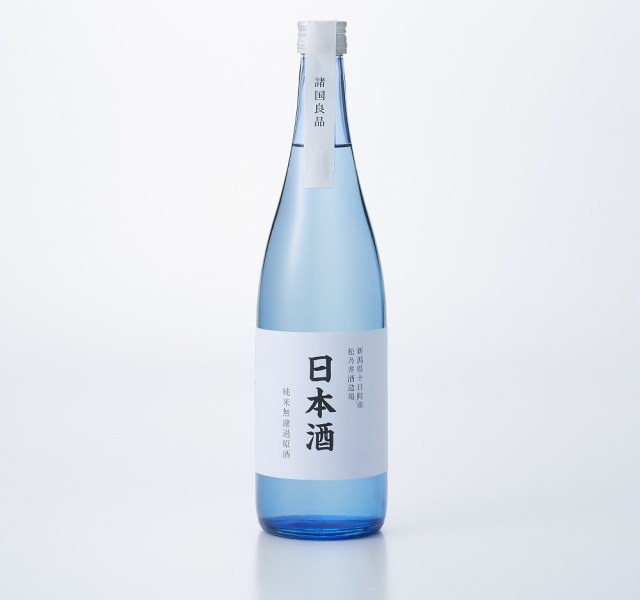
And if a nice stiff drink at the end of the day is also part of your lifestyle, Mujirushi is ready to support you on that front too, since this month it’ll be releasing its own sake.

In keeping with the brand’s penchant for understated design, it’s simply called “Nihonshu,” the term used in Japanese for what’s called “sake” in English (in modern-era Japanese, sake is more of a catch-all term for any drinkable alcoholic beverage). Brewed by Matsuno Shuzojo, a Niigata Prefecture brewery that’s been in business for more than 120 years, Mujirushi’s Nihonshu uses Koshihikari rice grown in the Matsudai district of the Niigata town of Tokamachi.

Matsudai’s mountain roads are too steep and narrow for large-scale agricultural machinery to traverse, meaning that much of the farming has to be done by hand. Combine that with an aging population, and growing rice isn’t exactly easy for Matsudai’s farmers, despite the flavor and quality of their produce.

▼ Terraced rice fields in Matsudai’s Hoshitoge (“Star Mountain Pass”) area

So to help them sell all they can grow, Mujirushi, as part of its Local Resource Utilization initiative, uses Matsudai rice, with a luxurious polishing rate of 65 percent, in its Nihonshu. Also part of the brewing process is water thawed from Niigata winter snow, and the result, Mujirushi says, is a dry junmai karakuchi sake with strong rice notes.

Mujirushi’s Nihonshu goes on sale in limited quantities April 29 at the chain’s Ginza, Tokyo Ariake, Shin Yurigaoka Opa, Naoetsu, Grand Front Osaka, Namba, Kyoto Yamashina, Canal City Hakata, and Share Star Hakodate branches, priced at 1,800 yen (US$14.50) for a 720-mililiter (24.3-ounce) bottle.

Source: Mujirushi via Japaaan
Top image ©SoraNews24
Insert image: Mujirushi
● Want to hear about SoraNews24’s latest articles as soon as they’re published? Follow us on Facebook and Twitter!