Páginas

domingo, 1 de agosto de 2021

How big (small?) is the smallest Great Buddha statue in Japan? Let’s visit and find out【Photos】

https://ift.tt/3zWztcj Casey Baseel

We’re not quite sure what to expect when we head out on a day trip from Tokyo to see the Great Buddha of Kamagaya.

Even if you don’t have a background in classical Japanese art, just about everyone can recognize the Great Buddha of Kamakura. Located in Kanagawa Prefecture, Tokyo’s neighbor to the south, the Great Buddha of Kamakura is 13.35 meters (43.8 feet) tall and one of the most famous symbols of Japan.

▼ Great Buddha of Kamakura
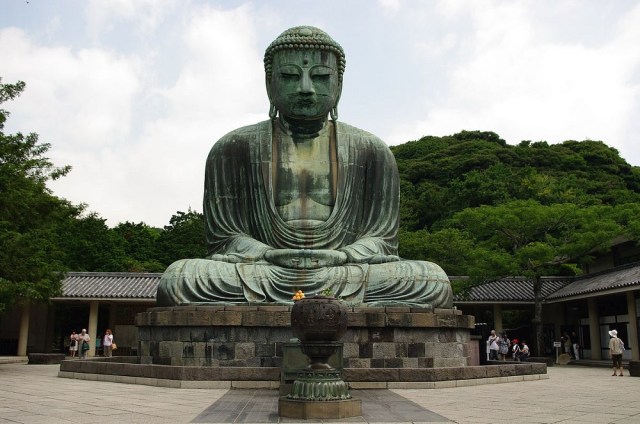
However, it’s not the only Great Buddha statue, or Daibutsu, to use the Japanese term, in Japan. For example, there’s a Great Buddha of Nara which attracts visitors to Todaiji Temple in Nara City. What a lot of people aren’t aware of, though, is that there’s also a Great Buddha in the town of Kamagaya, Chiba Prefecture, about an hour east of Tokyo.

But if it’s so close to the most populous city in Japan, why don’t more people know about the Great Buddha of Kamagaya? Probably because its claim to fame is a modest-sized one: the Kamagaya Daibutsu is the smallest Great Buddha in Japan.

Curious as to what this major/minor work of art looks like, we hopped on the train and took the Shin Keisei Line out to Kamagaya. The closest station to the statue is even called Kamagaya Daibutsu Station, and since the Great Buddha is said to be just a 30-second walk away, we figured we’d have no problem spotting it as soon as we stepped out of the ticket gate.

▼ Kamagaya-Daibutsu Station
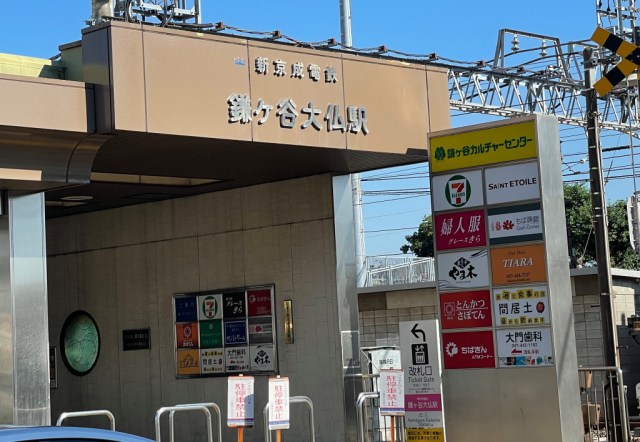
Okay, Kamagaya Daibutsu, let’s take a look at you!
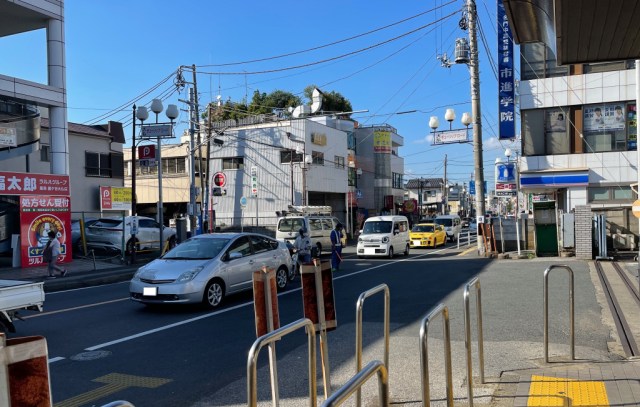
Umm…
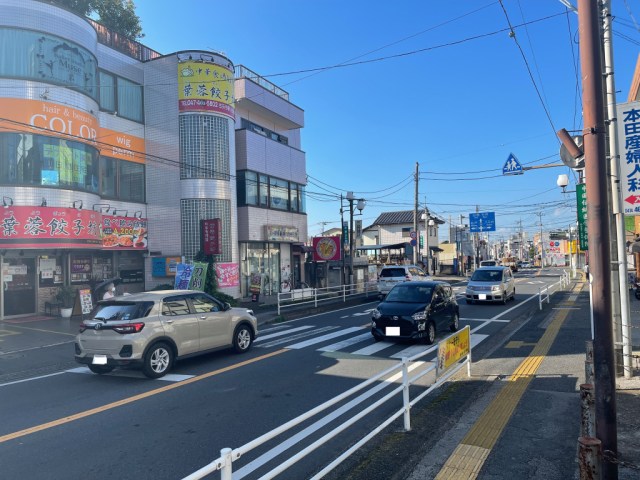
Huh…

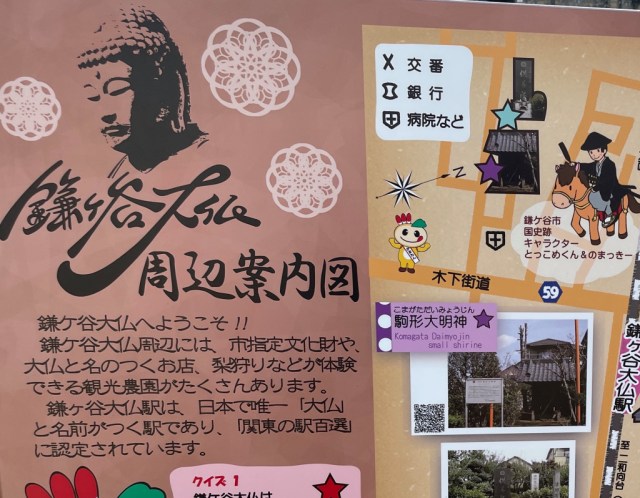
Looking around, we spotted a lot of the elements of a typical Japanese suburban cityscape, but no Great Buddha. We did at least see a sign designating this stretch of the road as the Kamagaya Daibutsu Bus Stop, though, and combined with the Kamagaya Daibutsu Station, there was no question that the statue should be nearby.

We looked around once more in confusion, and this time we noticed a cemetery across the street…and just barely peeking out from a sign, we say a shape that looked like the curly hair Buddha often has in statues.
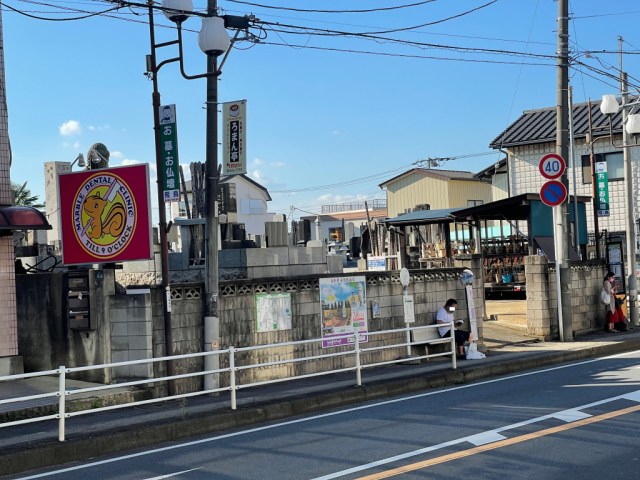
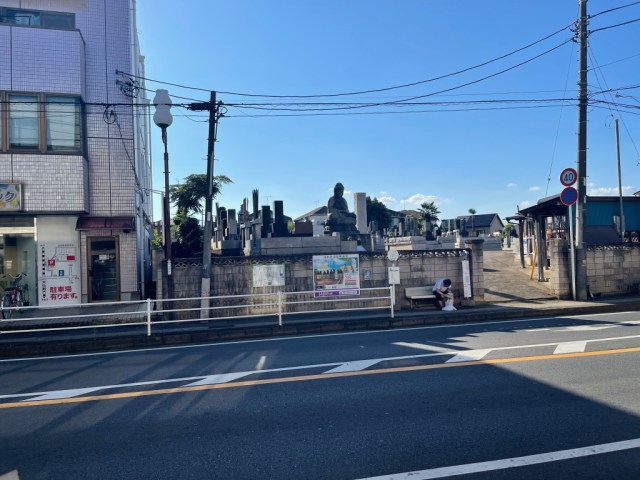
…and it turned out this is where the Great Buddha of Kamagaya had been hiding!
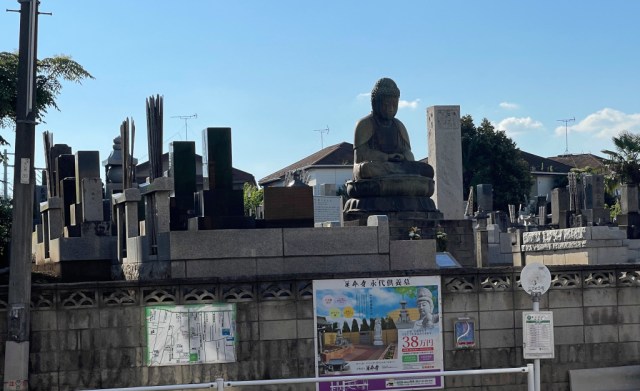
OK, maybe “hiding” isn’t the right word. After all, the Kamagaya Daibutsu is sitting as out in the open as it can.
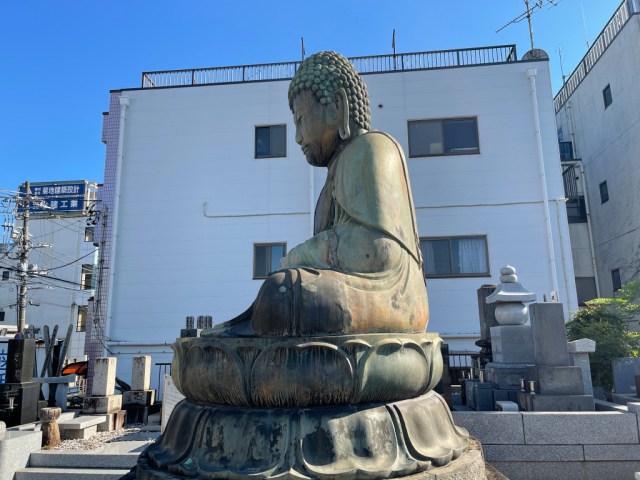
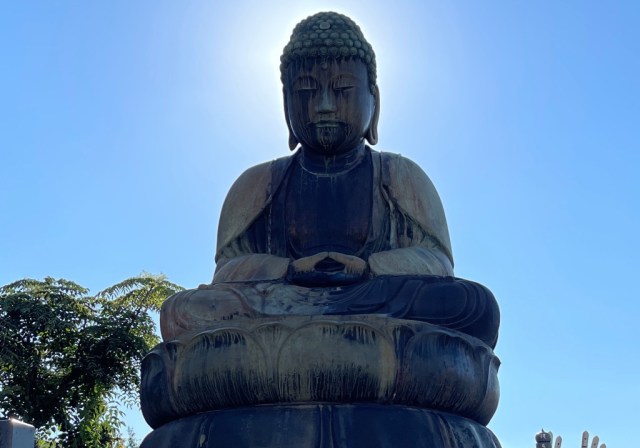
It’s just that even with the town’s modest level of development, the Great Buddha of Kamagaya is still dwarfed and concealed by the buildings and infrastructure around it. Granted, if you simply think of it as a statue, it’s not a tiny one. Including the pedestal, the Kamagaya Daibutsu is 2.4 meters (7.9 feet) tall. However, the Great Buddha itself is just 180 centimeters (70.9 inches) tall, only slightly more than average male height in Japan.
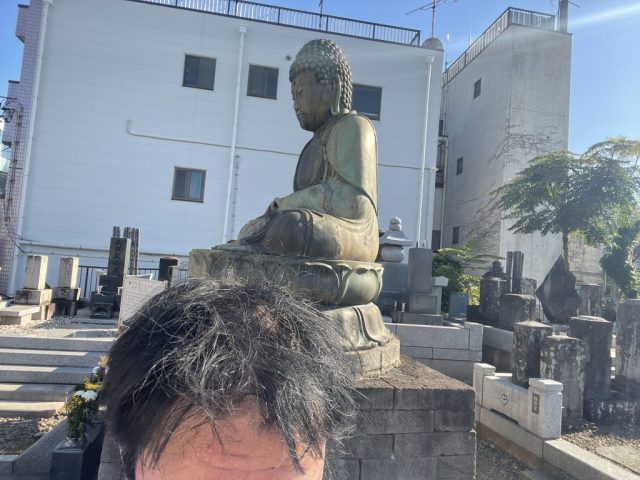
That’s not to say the statue is without its own special beauty, and having been commissioned by a local merchant in 1776, it’s got historical significance too. While it can’t match the awe-inspiring grandeur of its more famous Daibutsu brethren in Kamakura, Nara, and temples elsewhere in Japan, the statue has a kind, calm expression and a reassuring presence, in part because it’s simply not big enough to feel intimidating.

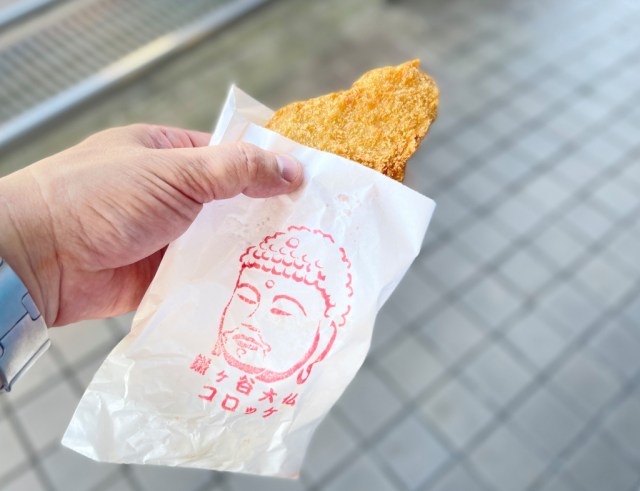
And undersized or not, the people of Kamagaya show big love for their Daibutsu, so we decided to get in the spirit and pick up a Daibutsu Croquette from a local vendor.
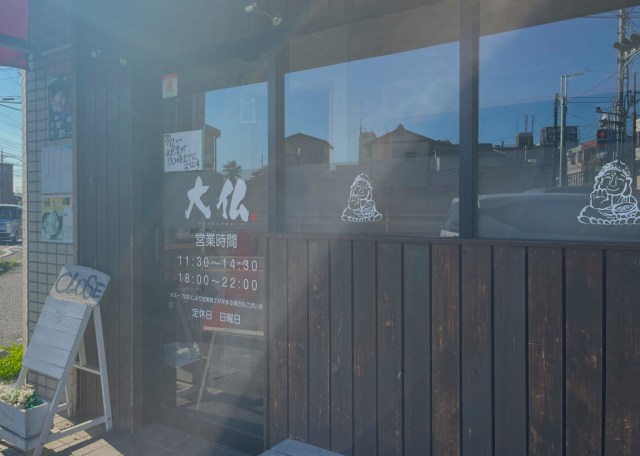
▼ The croquette, unsurprisingly, isn’t especially big.
The irony here is that there are plenty of Buddhist statues in Japan that are significantly larger than the Great Buddha of Kamagaya that don’t call themselves a Daibutsu. For that matter, there’s no official criteria on what does or doesn’t qualify a statue of Buddha for “Great” status. But maybe the lesson here is that any of us can be great in our own way as long as we choose to be.

Kamakura Daibutsu photo: Wikipedia/MGA73bot2
All other photos ©SoraNews24
● Want to hear about SoraNews24’s latest articles as soon as they’re published? Follow us on Facebook and Twitter!

A visit to statue of Tokyo comedian and COVID casualty Ken Shimura still brings smiles to hometown

https://ift.tt/2V2Cpp7 SoraNews24

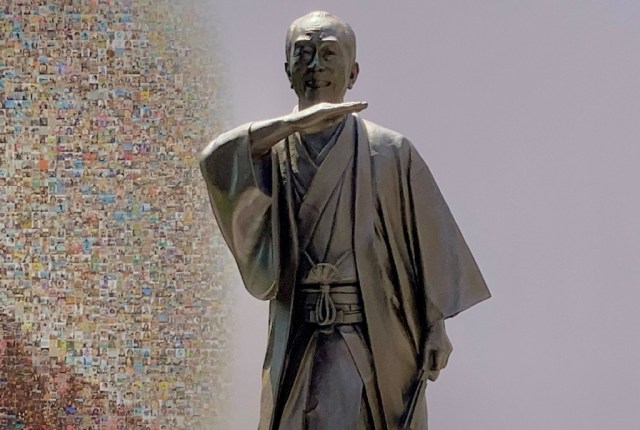
Ken Shimura put Higashimurayama on the map, and now Higashimurayama has put up a statue of him.

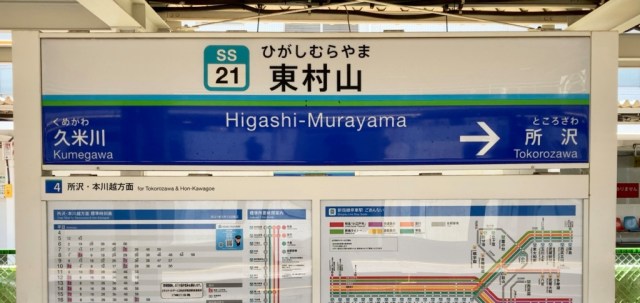
Like a number of other train stations in Japan, Tokyo’s Higashimurayama Station has a special chime that plays on its platform when trains are arriving or departing. The tune is Higashimurayama City’s local theme song, “Higashimurayama Ondo” (“Higashimurayama March”), but it’s not familiar only to nearby residents. People across Japan know the song, largely thanks to a cover performed by Ken Shimura, one of Japan’s most popular comedians, who was born and grew up in the area.

▼ The Higashimurayama Station chime

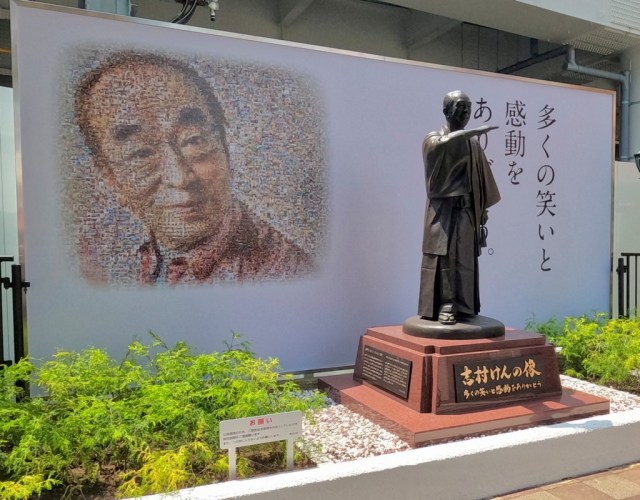
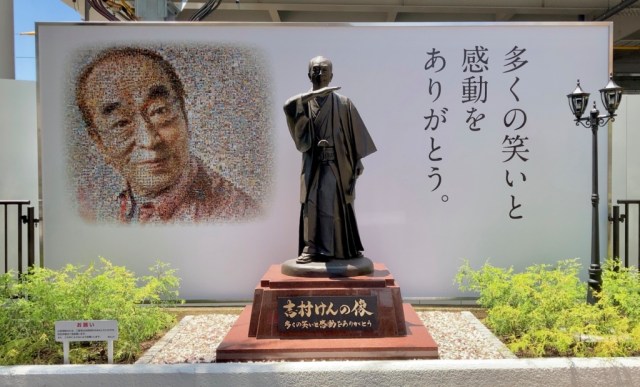
However, after nearly 50 years in show business, Shimura passed away in March of 2020 at the age of 70, becoming arguably Japan’s highest-profile loss of life to COVID-19. Recently, Higashimurayama saluted its hometown hero by erecting a life-size bronze statue of the comedian, and we took a ride out to see it for ourselves.

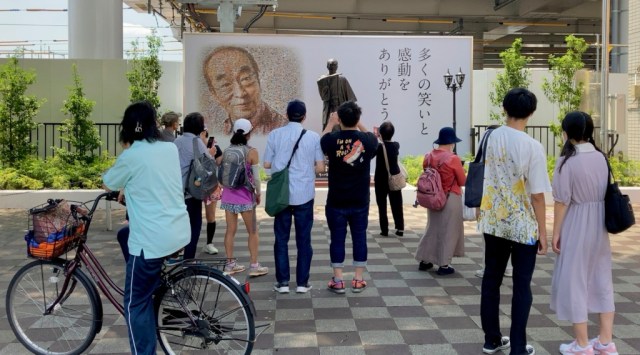
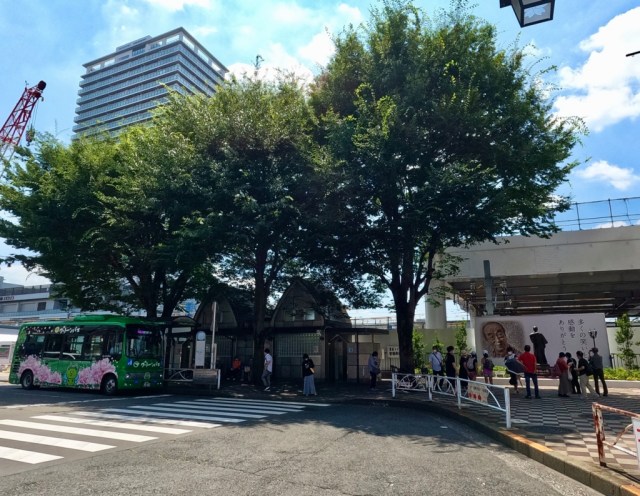
The statue is east to find. Right outside the station’s east exit is a traffic rotary, and on one side of it is a row of three Japanese zelkova trees which were planted in 1977 as Shimura’s cover of “Higashimurayama Ondo” was sweeping the nation. They’ve become known as the “Ken Shimura Trees,” and practically within the shade Of their boughs is where you’ll find the Ken Shimura statue.

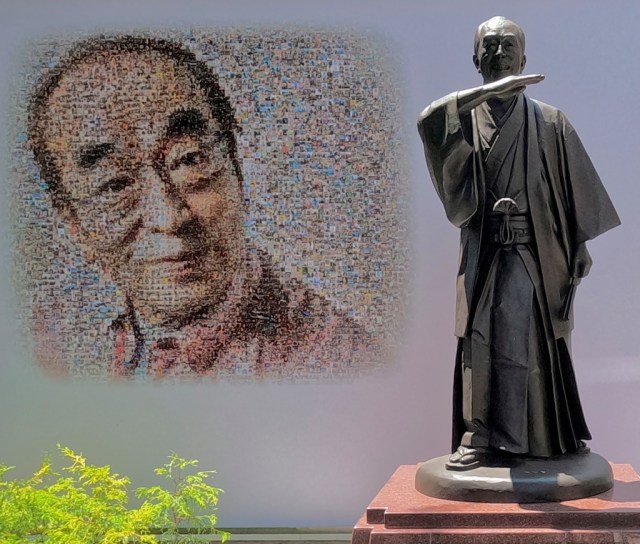
One early concept had been to portray Shimura wearing the jeans and Yokosuka jacket that were his preferred fashion in his day-to-day life. Ultimately, though, the designers decided to dress his likeness in a kimono instead. The statue is going to be a permanent part of the neighborhood, and so they wanted to give a more Shimura timeless look than a Yokosuka jacket, a garment that’s gone in and out of vogue multiple times over the past 50 or so years. Seeing a comedian wearing a kimono isn’t so shocking in Japan either, as formal traditional dress is often worn for TV specials at the end of the year or on other important occasions.

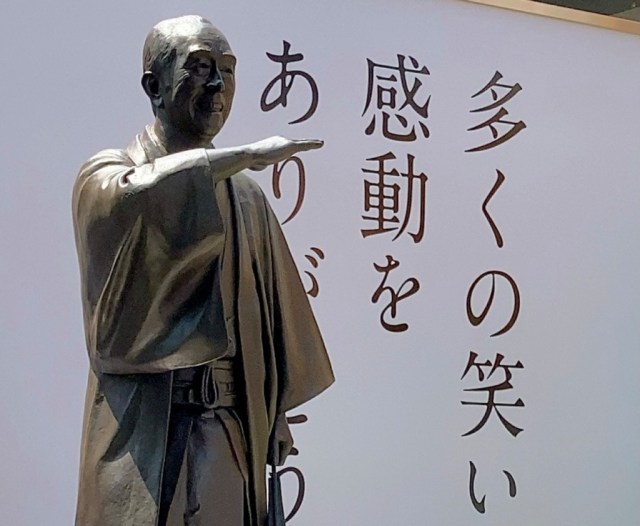
Of course, with Shimura having worked in comedy for roughly half a century, a certain amount of silliness is entirely appropriate, and so the statue has him doing his trademark “aiiin” pose with which he regularly punctuated his gags. To get his proportions as close to Shimura’s as possible, the sculptor asked the comedian’s older brother, who’s of a similar build, to act as a model during the design phase.

Behind the statue, which was created after a crowdfunding campaign that raised 27 million yen (US$244,000) from 6,600 donors, is a wall with a composite photo of Shimura, plus a message from the city saying “Thank you for all the smiles and good feelings.”

Being located right outside of a station that runs into Tokyo’s downtown district, there’s a steady flow of people walking by, but on our visit, many of them stopped to appreciate Shimura’s warm smile and snap a photo.

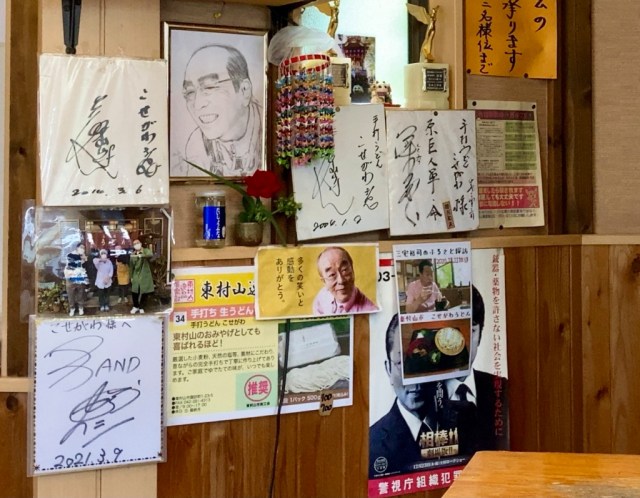
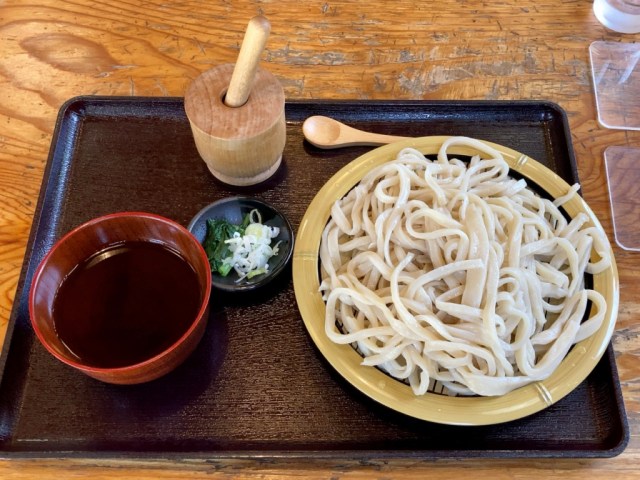
Since we’d come all the way here, we decided to extend our time in Higashimurayama by checking an udon noodle restaurant called Kosegawa, which Shimura had visited as part of a TV program highlighting local sights and businesses.

You can tell right away that the visit was a big day for the restaurant, as they’ve got photos, a screen grab of the program, and even Shimura’s autograph hanging on the wall.

The udon tastes great, but as we happily slurped the noodles, we couldn’t help but realize that if it weren’t for Shimura’s unabashed love for his hometown, we wouldn’t have known about Kosegawa, and if not for being in the neighborhood to see his statue, we wouldn’t have had any occasion to step inside and give them our business. Odds are we’re not the only people that holds true for either.

So even if he’s passed on, Shimura is still here in spirit, and still giving the neighborhood something to smile about.

Photos ©SoraNews24
● Want to hear about SoraNews24’s latest articles as soon as they’re published? Follow us on Facebook and Twitter!
sábado, 31 de julio de 2021

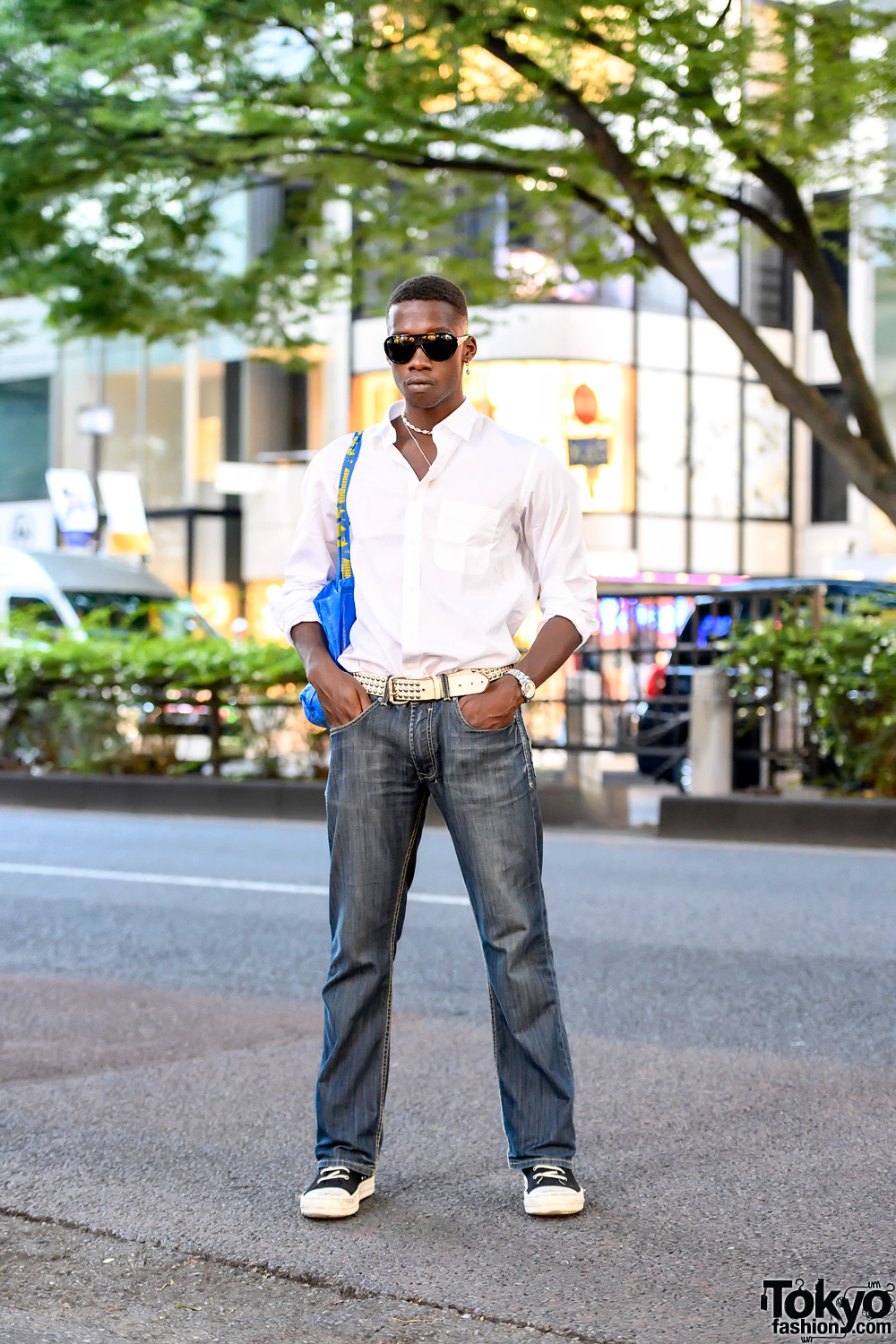
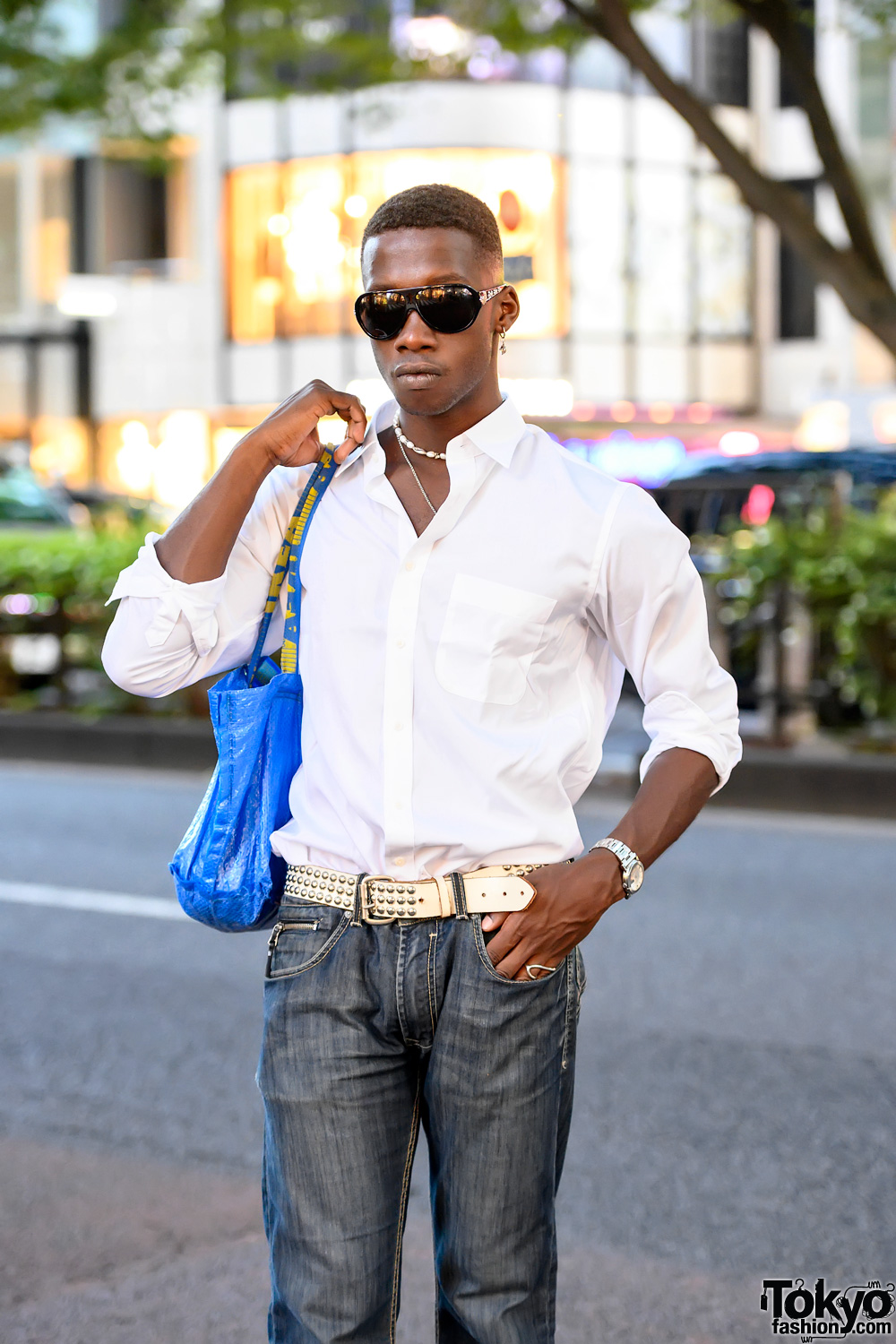
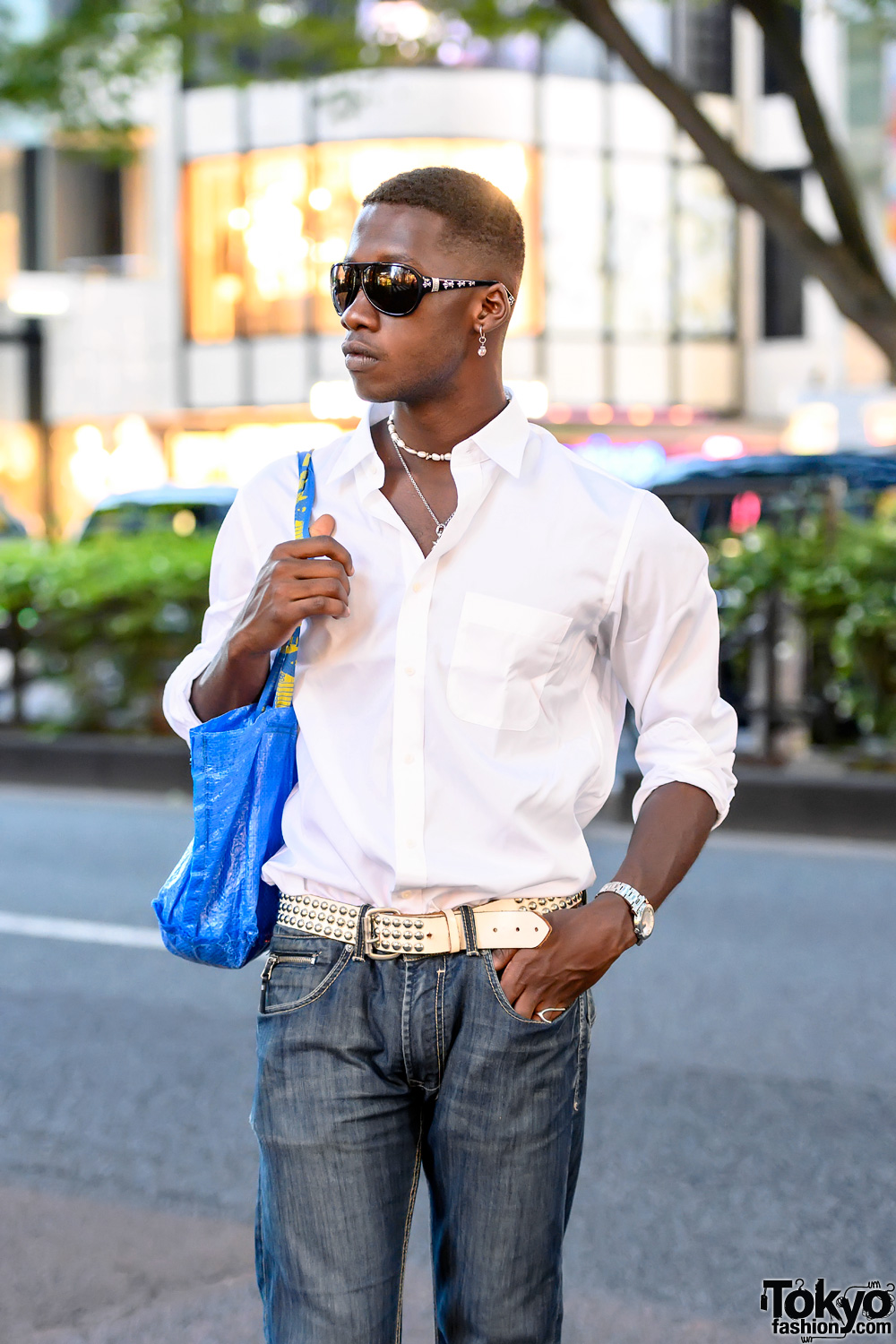
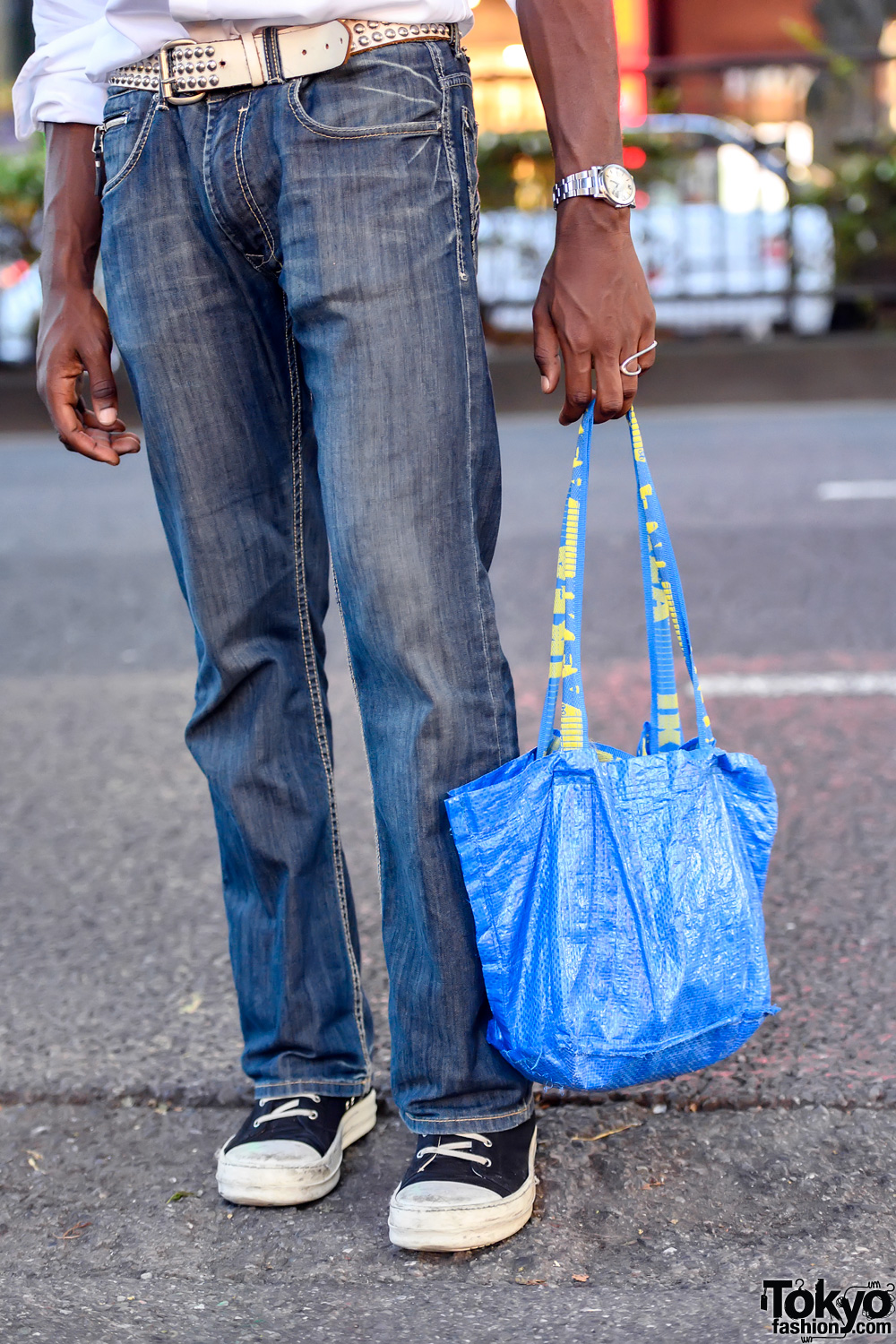
Fashion Model in Harajuku w/ Rick Owens, Ikea, UNIQLO, Gallery Dept, Chrome Hearts & UR Jewelry Japan

https://ift.tt/3xi7KAW

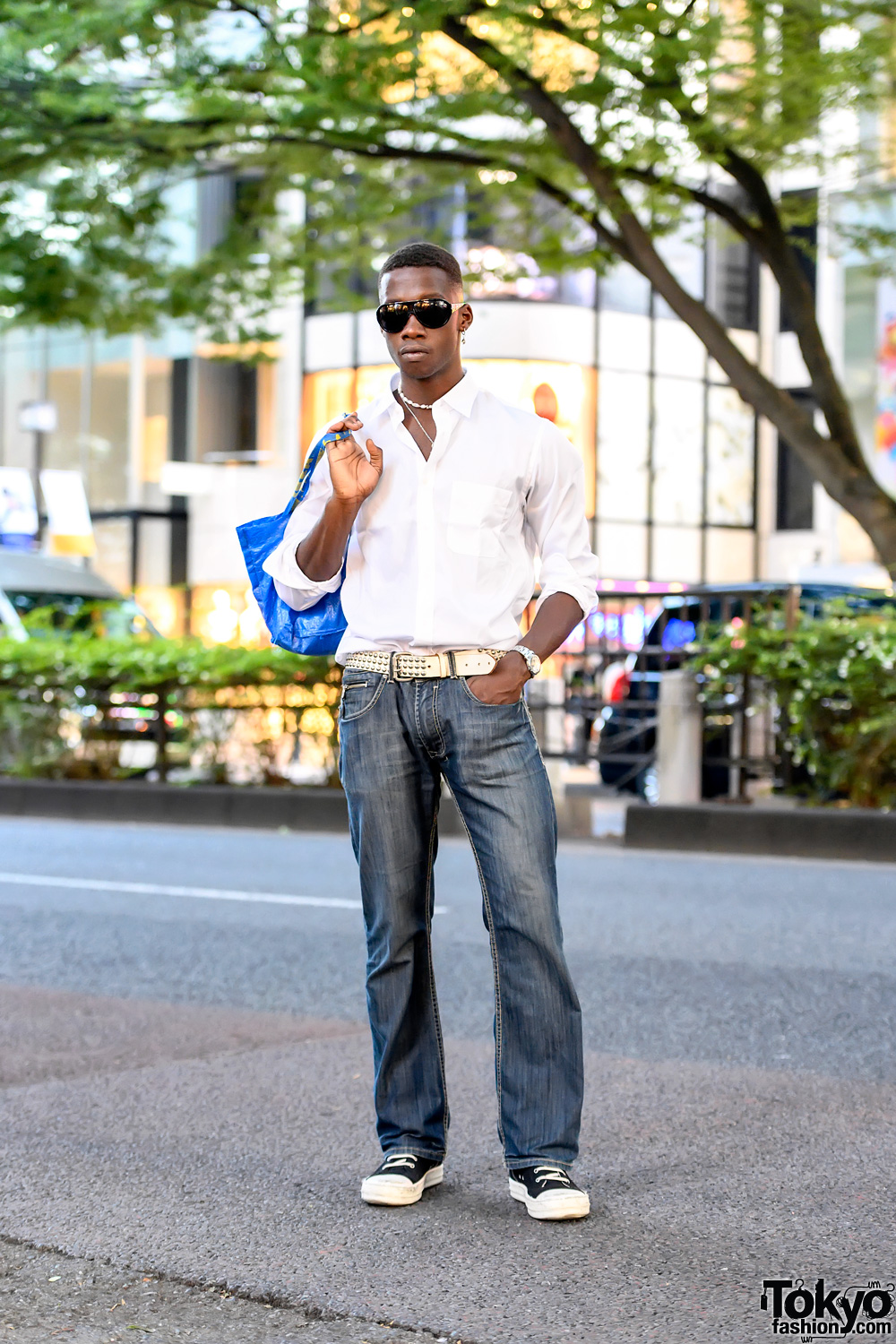
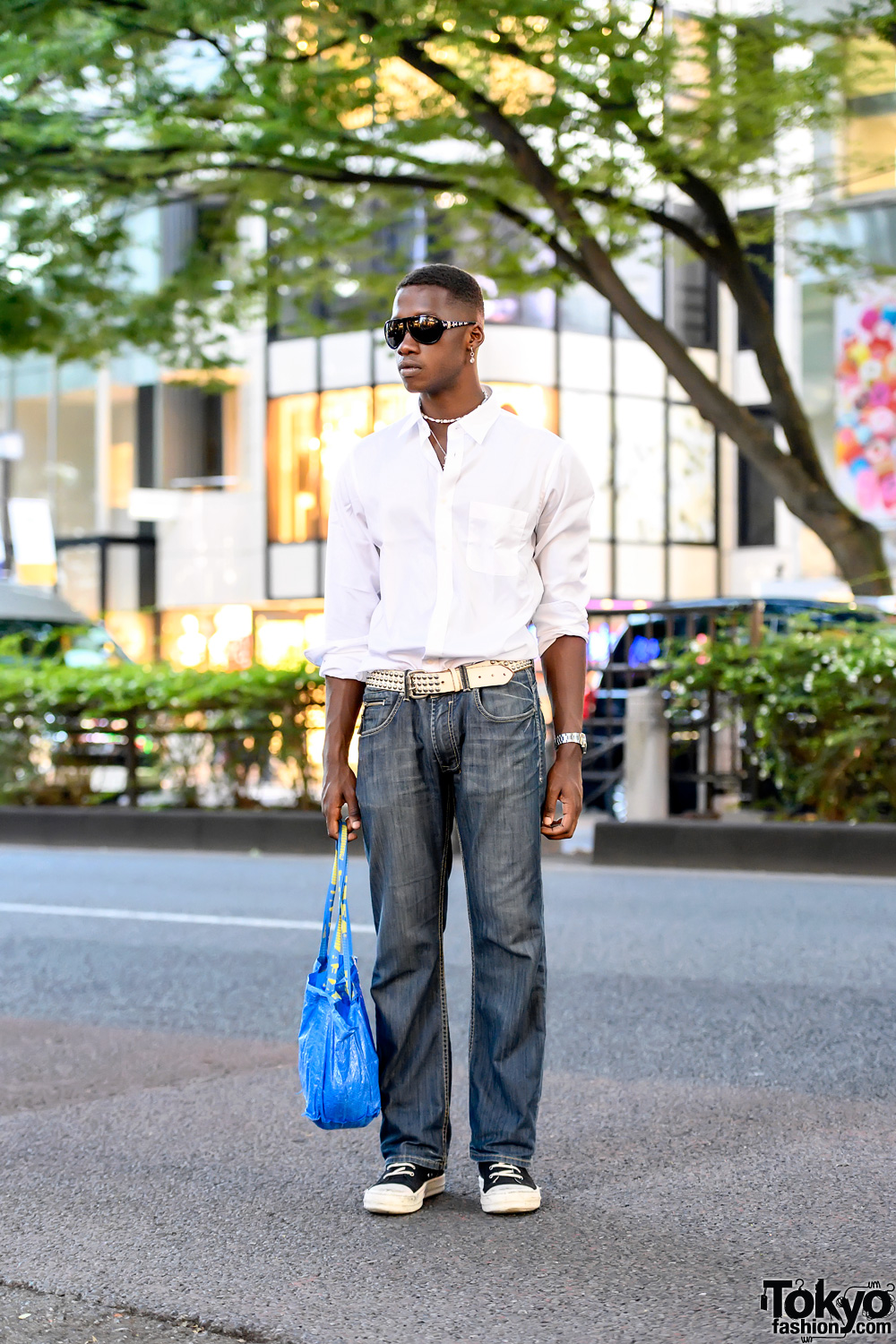
Alas is a popular fashion model – he walks in Tokyo Fashion Week and Paris Fashion Week among others – who we often see around the streets of Harajuku.

His look here features a UNIQLO button up shirt with Gallery Dept denim jeans, UR Jewelry Japan and Chrome Hearts accessories, an IKEA tote bag, and Rick Owens sneakers.

Alas lists Rick Owens as his favorite fashion designer and he likes the music of Santino Le Saint. Follow Alas on Instagram for more of his fashion and Tokyo life.

Click on any photo to enlarge it.

tokyo

Fish wholesaler’s HQ crashes Tokyo Olympic medal ceremony

https://ift.tt/3leDy7F Master Blaster

Hohsui gets gold in photobombing.

Hohsui is a wholesaler and distributor of seafood based in Tokyo, that was founded in 1945 and…uh.

That’s all I know unfortunately. I’d research more but I haven’t been able to access the company’s website for days now. Apparently I’m one of thousands of people trying to learn more about Hohsui recently.

It all began on 25 July, Just as the Tokyo Olympics were getting underway, Japan made history by getting the first gold medals in the first-ever men and women’s skateboarding events. In particular, young Momiji Nishiya became the youngest Japanese gold medalist and the second youngest in the world. Nishiya’s male counterpart Yuto Horigome also had the honor of the very first gold medal in Olympic history

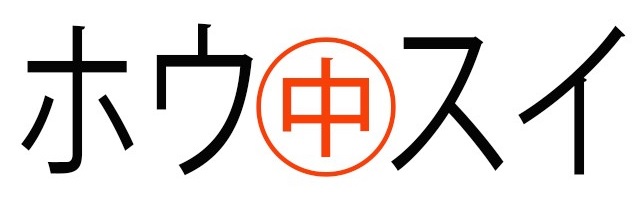
However, amid all this history being made the headquarters of Hohsui (whose logo we did our best to recreate at the top of this article) could be seen standing proudly with the medalists as if it too had just pulled off a frontside shuv nosegrind.

It did no such thing however, and is nothing more than a (photograph) poser.

Clearly, using some arcane power of foresight known only in dark seafood distribution circles, Hohsui knew the Olympics were to be held in Tokyo and would host the first skateboarding event in a park in Koto that had a podium facing south at a time when a global pandemic would force medalists to socially distance in such a way that their headquarters would be all too easy to spot on TV all over the world. So, they chose that exact spot to set up shop.

As a result, social media was flooded with comments about the company. It’s the kind of word of mouth that most businesses dream of.

“Hohsui is a kind of seafood business. I tried to go the website but so did everyone else so I can’t get in.”
“Congratulations Horigome for landing that Hohsui endorsement deal!”
“I’m intrigued by this Hohsui.”
“That Hohsui building is really conspicuous.”
“Hohsui looks really delicious.”
“That company really owes Horigome.”
“This event is just one big commercial for Hohsui.”
“The real winner today is Hohsui.”

It’s the oldest marketing trick in the book and it worked like a charm. Since the medal ceremony, people from all over were intrigued by that building in the background and took to the internet to find out more about it.

It’s also the kind of web traffic that such a company isn’t accustomed to and its webpage had to close temporarily. A spokesperson told NHK “I was really surprised because I didn’t think we would be seen.”

▼ Oh, you were seen alright.

The company added that this hasn’t caused any problems with their day-to-day work but has done wonders for morale among the staff.

So all’s well that ends well. I know I’ll be going to Hohsui next time I need some of whatever it is they do exactly. I’ll figure it out when I can finally open their site.

Source: NHK, Twitter/#ホウスイ
Top image: ©SoraNews24
● Want to hear about SoraNews24’s latest articles as soon as they’re published? Follow us on Facebook and Twitter!
viernes, 30 de julio de 2021

Okayama prefecture to receive its first Pokémon-themed manhole covers【Pics】

https://ift.tt/2TJEFRk Ingrid Tsai

Okayama? More like Pokéyama!

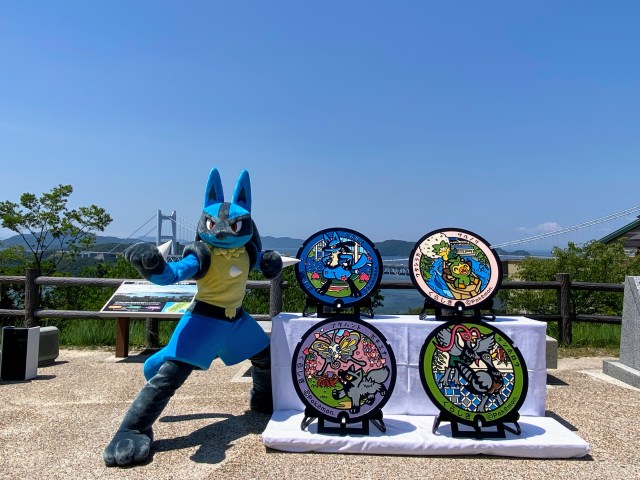
Pokéfuta, or Pokélids in English, are Pokémon-themed manhole covers which have so far made an appearance in every single region of Japan. While a few prefectures are still waiting for their Pokélids, Okayama has just received its first set with fan-favorite Lucario taking the spotlight.

▼ The Fighting and Steel type Pokémon has even made a special appearance to welcome Okayama’s inaugural Pokélids.

▼ Aura Sphere!

In total, Okayama will have four new Pokélids to debut, and these unique manhole covers will be installed in Kurashiki, which is the prefecture’s second-most populated city and famous for its scenic, well-preserved historical districts. Kurashiki’s Pokélids will also highlight its sightseeing spots and specialties.

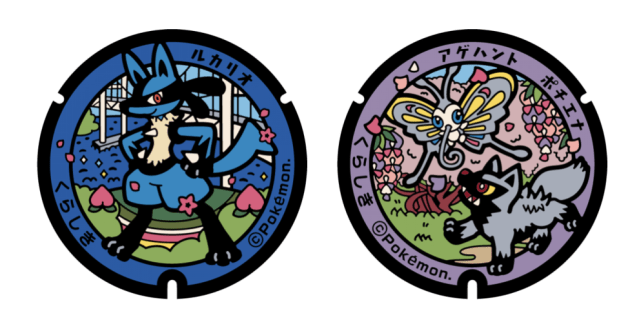
For example, this Pokélid on the left with Lucario in the center has the Seto Ohashi Bridge as its background coupled with twin peaches, which are grown locally. The one on the right, with a frolicking Poochyena, and Beautifly features a gorgeous wisteria tree, perhaps referencing the wisteria housed at Kurashiki’s Achi Shrine.

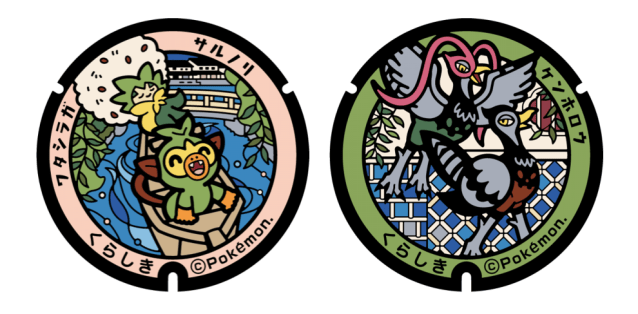
The other two Pokélids focus on Kurashiki’s historical district. On the Pokélid on the left below, an Eldegloss and a Grookey enjoy a ride down one of the city’s traditional canals. The Pokélid on the right, with a male and female Unfezant, emphasize the city’s unique architecture while the blue markings infer to the city’s traditional textile industry.

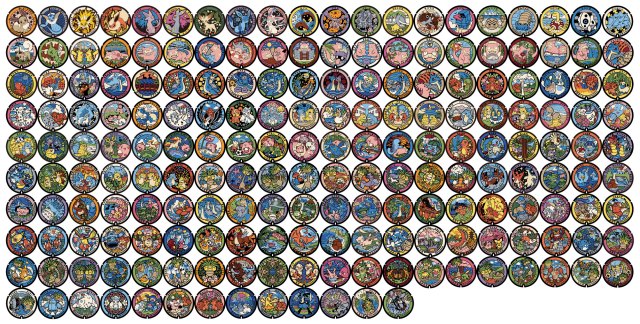
Similar to previous Pokélids, the new Pokélids will be converted into PokéStops on Pokémon Go, so be sure to bring your smartphone with you when you visit. Adding these four Pokélids to the official nationwide count, 193 Pokélids are now dotted across Japan.

▼ All 193 of Japan’s installed Pokélids.

Given that there’re over 890 different Pokémon across the franchise’s eight generations, there’s no doubt there will be many more Pokélids to come in the future, and hopefully prefectures which haven’t received one yet will soon be graced with Pokémon in town, or at the very least a parade of dancing Pikachus.

Source, images: PR Times
● Want to hear about SoraNews24’s latest articles as soon as they’re published? Follow us on Facebook and Twitter!
Japanese artist sells people’s darkest secrets encased in concrete

https://ift.tt/3xpzGTT Master Blaster

A novel idea for people who have something they want to get off their chest.

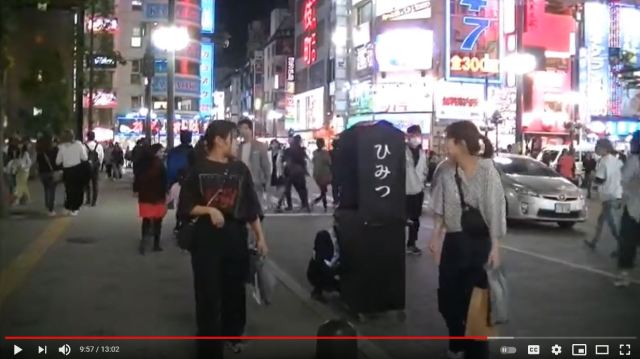
Some people who’ve gone to a convention or festival in Japan over the past four years or so, or even just wandered the streets of Tokyo, might have noticed a woman dressed like a construction worker dragging what looks like a black guard shack with “Himitsuya” (“Secret shop”) written on it.

This woman is Ribeka Kimura, an artist who began dealing in secrets in 2017. Customers to the secret shop need only jot down their deepest darkest secrets, things they would never tell another living soul, and hand it over to Kimura. Kimura then pours concrete over the secret, often in fun and unique designs, and sells them at a price of the customer’s choosing.

The notes are anonymous, so even if a buyer decides to jackhammer away the casing, chances are no harm would come of it. However, the simple act of letting a secret out has proven to be a liberating act to those who have taken the plunge.

For buyers too there is an interesting sense of power to holding not only a piece of art, but something that contains information which could greatly affect someone’s life. Prices can vary widely, however, from one yen (less than 1 U.S. cent) to 5 quadrillion yen ($45 trillion).

However, as with most good things, Himitsuya’s event-based business has been stifled by the recent pandemic. Luckily the ground work for an online variation of it began around 2019 with a Twitter account. Even now people’s deepest secrets are posted every few days for the world to see.

“I don’t invite friends and lovers to my home. It’s because, it’s messy.”

Other revelations from Himitsuya include:

“I want to divorce my wife right away, but I think I need to be patient and wait until the kids are grown up. However, in waiting I feel like my life is slipping away bit by bit. What is the right thing to do?”

“When I go to bed, I worry about whether robbers will break in, ghosts will appear, or the world will end and I can’t sleep.”

“Since both my parents are toxic, I seriously hope they get COVID-19 and die soon.”

“I bought cute underwear.”

“This summer I had an affair. I want to do it again.”

“I can’t eat with people. When I sit face-to-face with someone I don’t know what to say and the taste of the food disappears. I feel I’m disgusting when I eat, I’m repulsed by the other person while they eat, and my heart starts to palpitate. Going out to dinner is hell. If I eat alone I don’t have to worry about anything. Recently I try to never talk about food with anyone.”

“I think it’s been five years now, but I’ve been keeping my cut nails. The amount doesn’t seem to increase any more though, and I’m worried that something is going on at the bottom of the pile.”

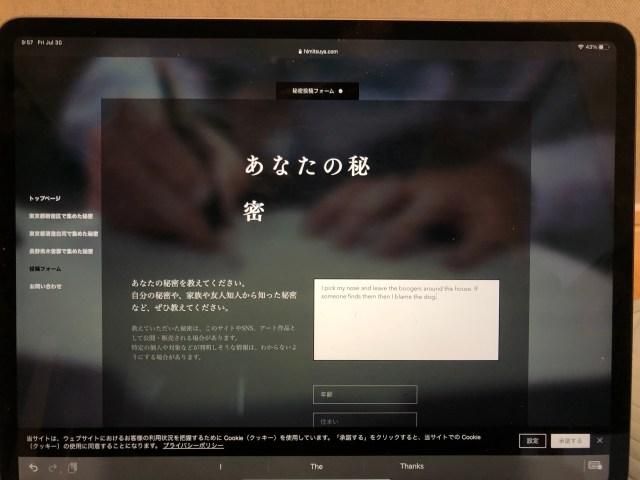
Kimura also set up an online shop where cement-bound secrets continue to be sold as well as a kit for people to submit their own secrets remotely by mail for Kimura to do her magic with. However, if you want to cut to the chase and skip all the literal foundation work, the Himitsuya website will also accept anonymous secrets that are then posted on the website or its Twitter account.

▼ I’m not sure if she accepts English secrets, but I don’t see why she wouldn’t.

As luck would have it, it seems that this shift to online has helped spread awareness of Himitsuya and the psuedo-business has been doing well as a result. However, Kimura told Yorozoo News in an interview that she would still like to get back out on the streets and festival circuits to interact with people like before.

Hopefully she’ll make it to my neck of the woods soon so I can finally let out this secret I’ve carried for years now… I know the true flavor of Pepsi Ghost.

Source: Himitsuya, Marchel (Online shop), Twitter/@himitsu_yasan, Yorozoo News
Top image: YouTube/Ribeka Kimura
● Want to hear about SoraNews24’s latest articles as soon as they’re published? Follow us on Facebook and Twitter!