Páginas

martes, 29 de noviembre de 2022

The joys of fatbiking around Okinawa’s remote Taketomi Island

https://ift.tt/kji2o4G Dale Roll

No other way will get you around the island so smoothly and quickly!

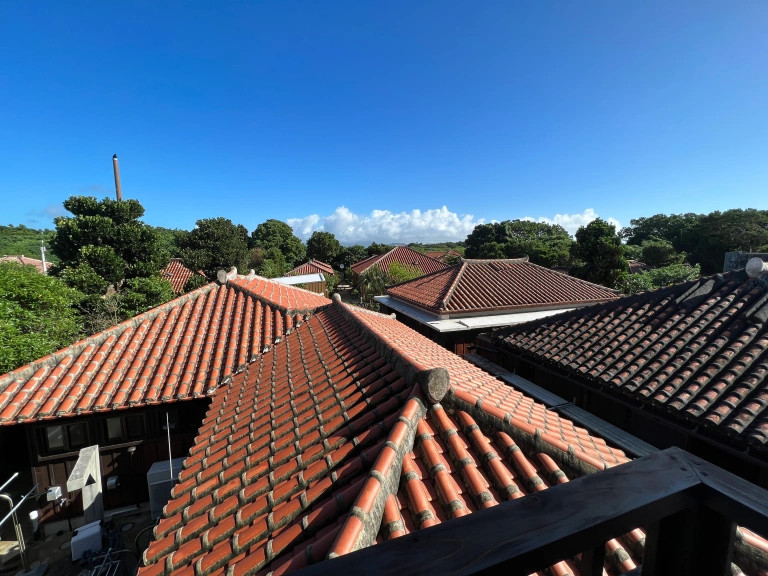
When it comes to beautiful ocean scenery, there’s nowhere better in Japan than the Yaeyama Islands of Okinawa, and if you want that and a look at the Okinawa of olden days, then you’ll certainly want to visit Taketomi Island. With a population of 323 and very little in the way of municipal development, visiting this remote island is like taking a step into the past, and since Taketomi is close to Ishigaki Island, the main travel hub of the Yaeyama chain, it’s an easy excursion for curious travelers to make.

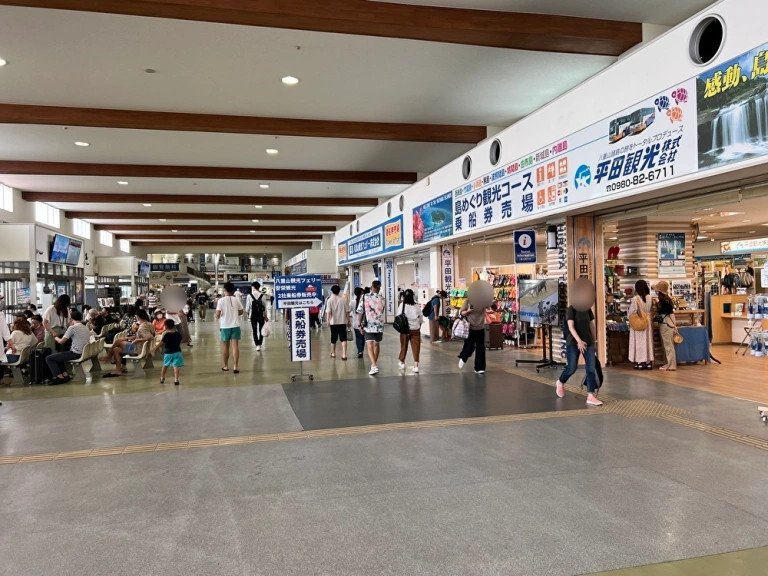
Our Japanese-language reporter Kouhey, who’s been eating and drinking his way around nearby Ishigaki Island, recently made his fifth trip to Taketomi Island, and discovered the perfect way to get around. But first, he had to get there. A 15-minute ferry from the Euglena Ishigaki Port Remote Island Terminal connects Ishigaki Island with Taketomi, the “gateway to the Yaeyama.”
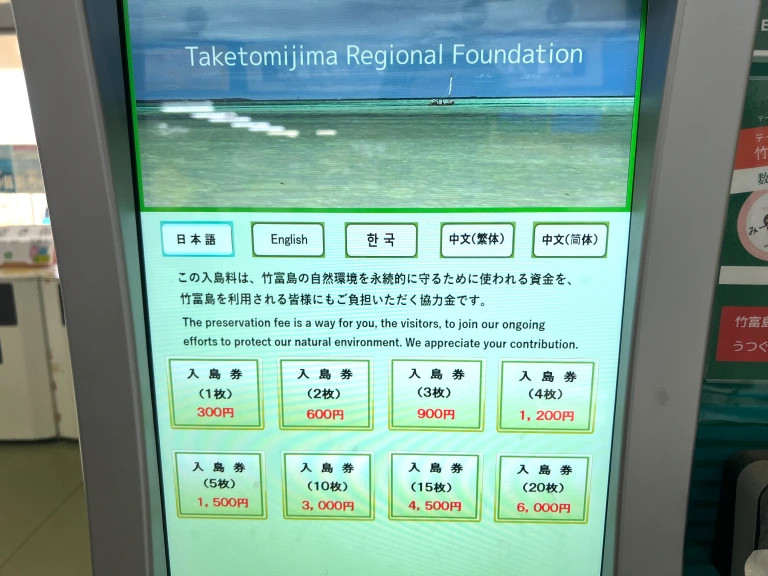
Unlike the other islands, Taketomi has something of an entry fee, which is 300 yen (US$2.15) per person. However, this fee is mostly dedicated to the environmental preservation of the island, and it’s actually voluntary. If you’re amenable, you can pay it either at the terminal or when you arrive at Taketomi Port.

▼ Naturally, Kouhey paid his dues. He loves Taketomi Island.
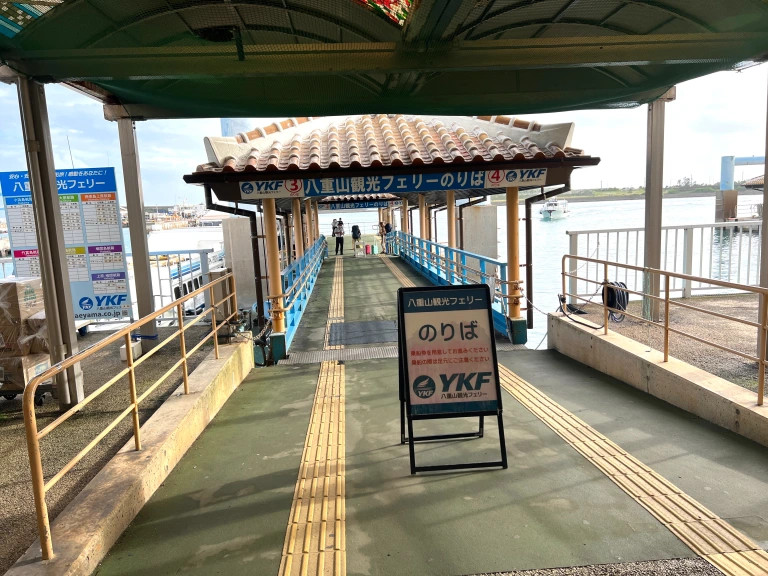
Once he paid his fee, he headed for the pier.
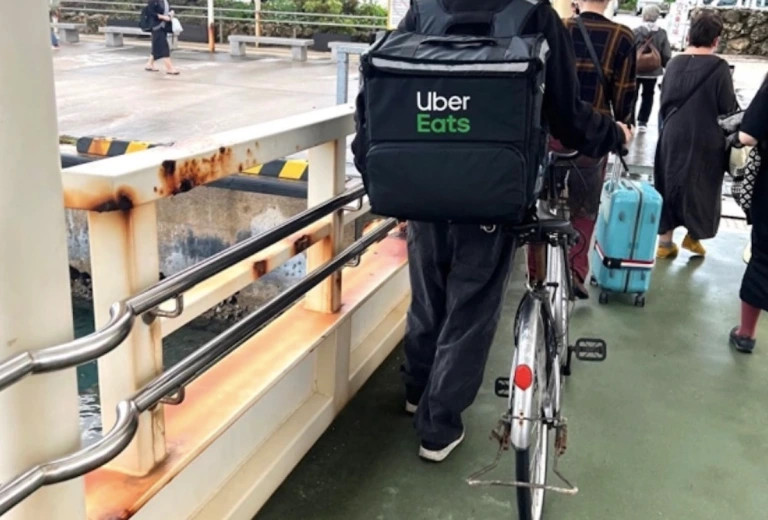
After a rocky, 15-minute ferry ride, he arrived at Taketomi Island. While alighting from the boat, Kouhey was surprised to see someone who looked like an Uber Eats delivery person. Could someone have ordered delivery all the way from Ishigaki…?!
Taketomi Island is famous for its water buffalo-drawn carts, which tourists can ride on a lazy circuit around the island while listening to the sanshin, an Okinawan string instrument. These carts are a unique part of Yaeyama Island culture, so just about everyone who visits takes a ride on one.
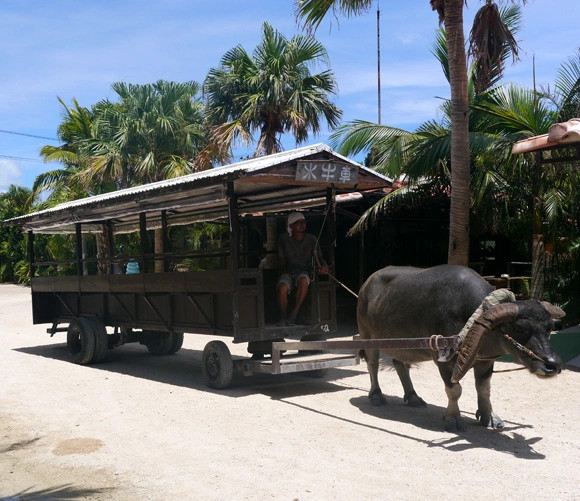
But Kouhey has another recommendation: renting a bicycle, and not just any bicycle, but a fatbike. Kouhey rented his from a fatbike rental store called Fatbike Rental Taketomi Island, located in the center of the island.
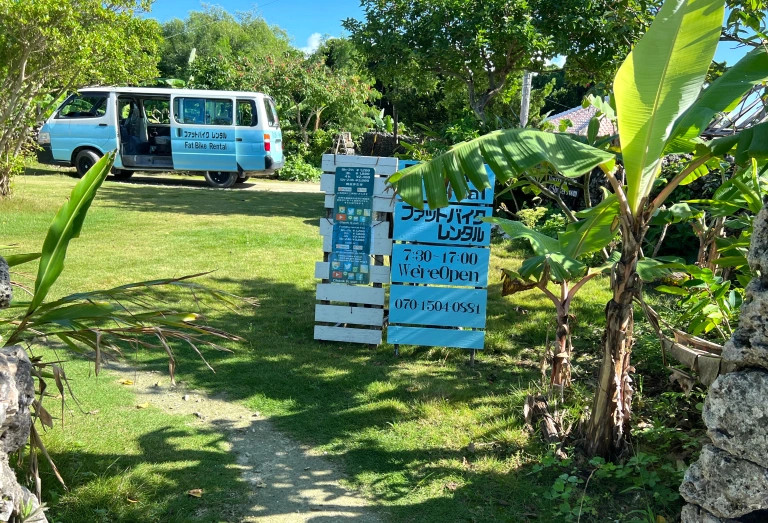
If you’ve never heard of a fatbike before, it’s a type of mountain bike with extremely thick tires.
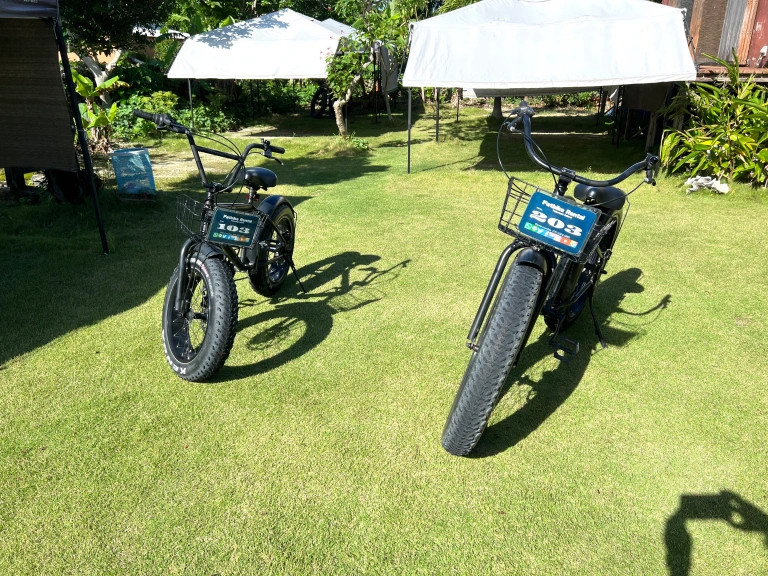
Their thick treads make peddling on difficult roads easy and smooth, even those covered with sand and snow. The fatbike that Kouhey rented also had gears, which he hoped would make it easier to ride on the island’s hilly terrain.
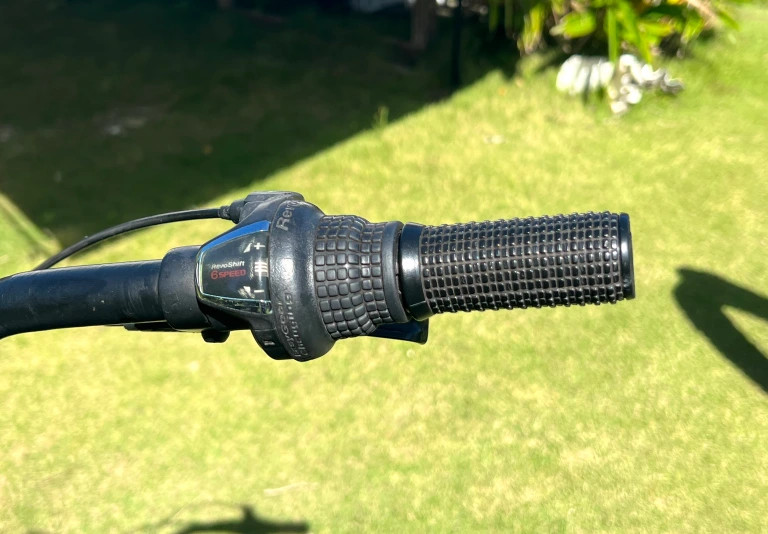
The cost was 1,200 yen for the first two hours, and 600 yen for every hour after that. Rental bikes on Taketomi generally go for 400 to 500 yen per hour, so the fatbikes are a little expensive by comparison, but the island is full of sandy soil roads and hills. If you think about the convenience afforded by their wide tires and gears, that extra 100 to 200 yen per hour is worth it.

After several days of bad weather, the sun was out bright and brilliant, making it the perfect day for sightseeing, so Kouhey was eager to get on his fatbike and get going. With the rental process complete, he headed out on a tour of the island.
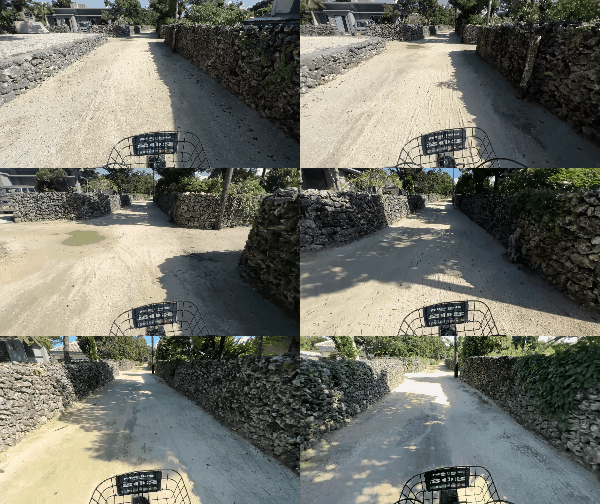
After the torrential rain of the day before, the dirt roads were in pretty terrible condition, but thanks to the fatbike Kouhey was able to quickly pass through the town and onto the island’s perimeter road without incident.
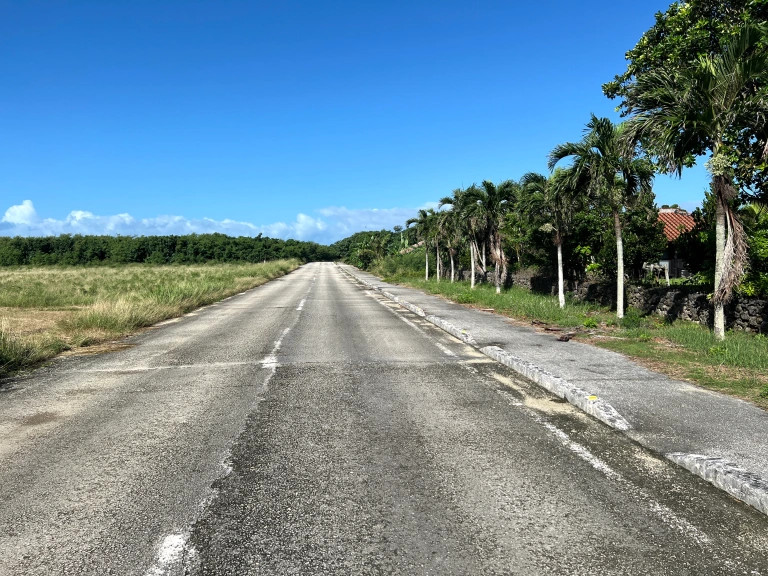
His progress was quick as he roared down the road.
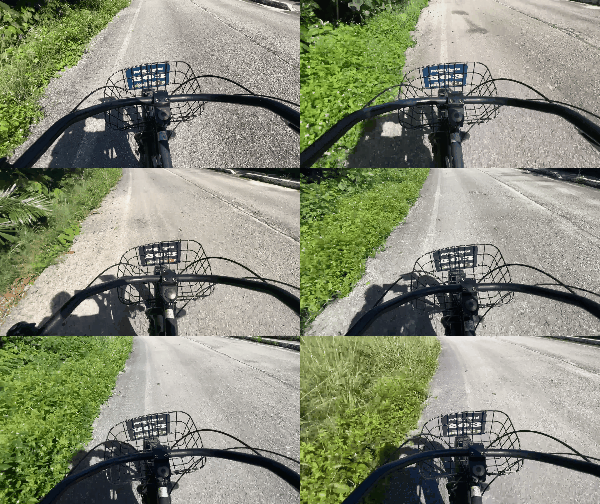
His first stop was Kondoi Beach, the most famous swimming spot on Taketomi, which is also known for its superb beauty.
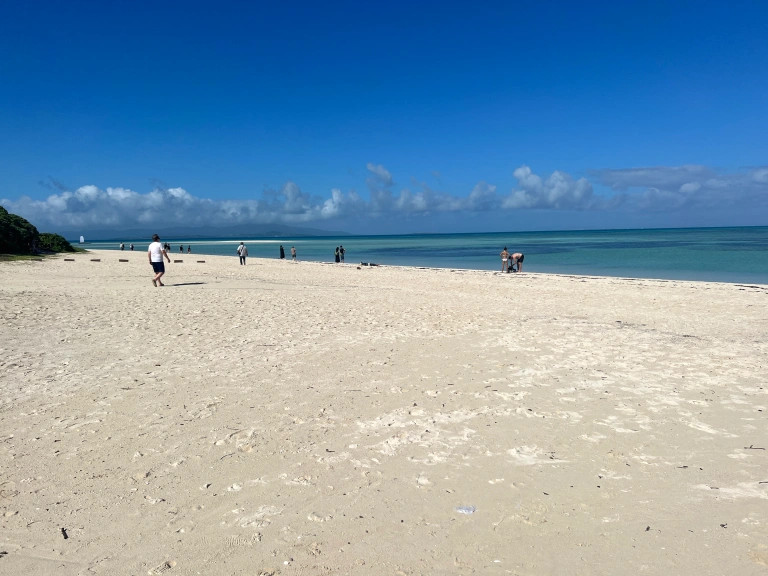
The water was amazingly crystal clear!
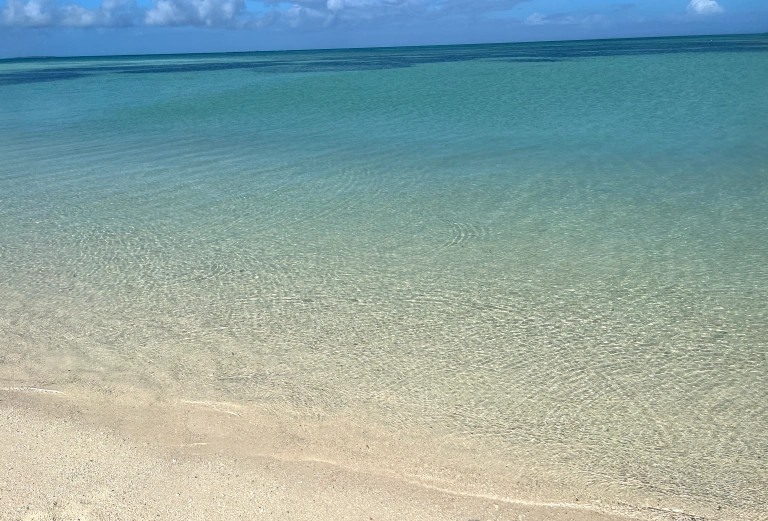
When Kouhey had his fill of its beauty, he headed back out on the perimeter road.
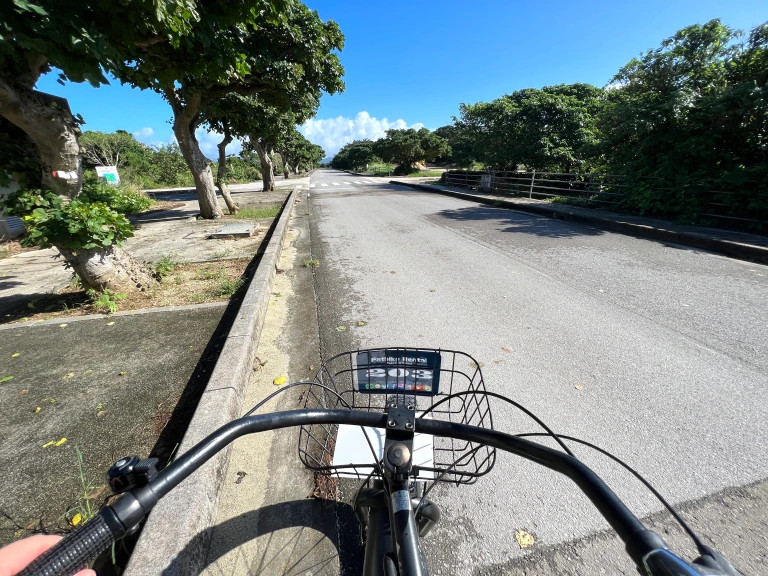
Ten minutes to the east, he came upon his second spot: Kaiji Beach, known for its star-shaped sand.
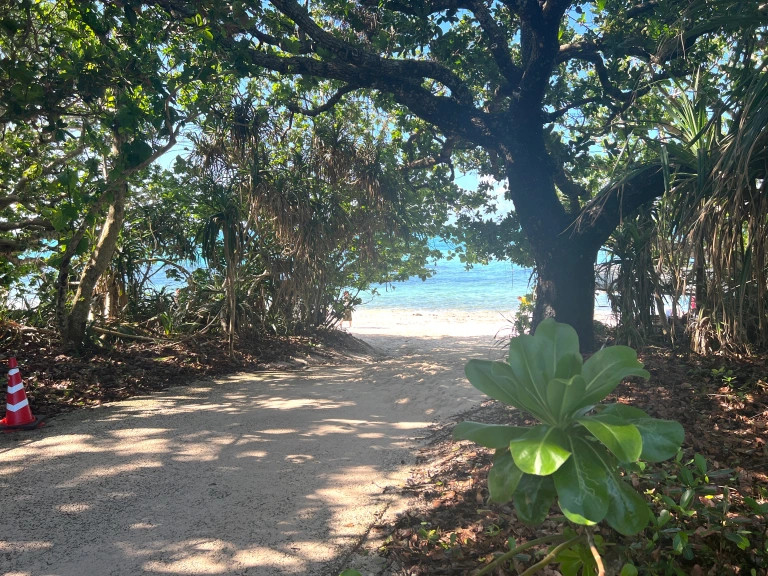
Here, too, the water was beautifully clear, making this a spot to compete with Kondoi Beach.
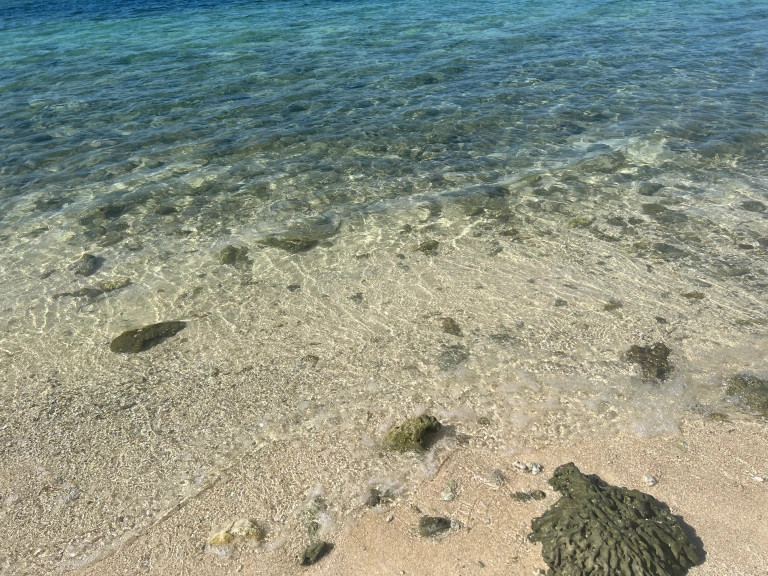
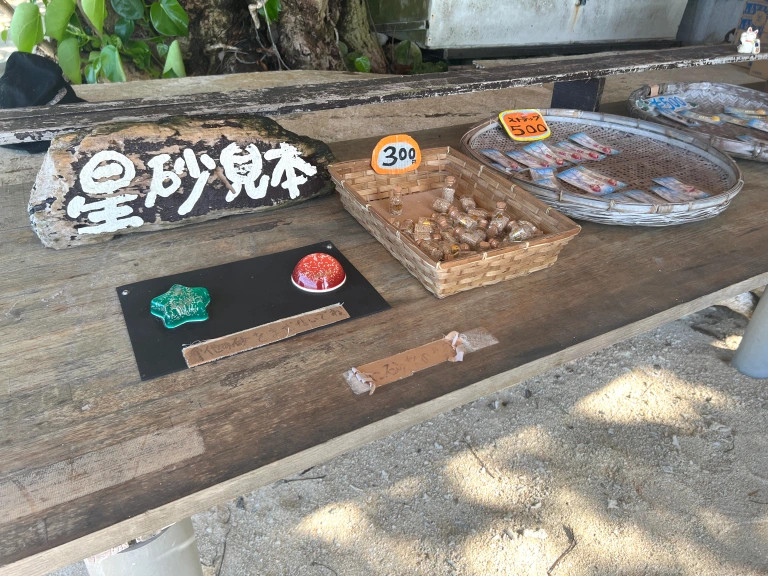
The sand was packed with tourists trying to find some star-shaped grains, but they aren’t so easy to find. Kouhey thought it would be easier to just buy them from souvenir shops.
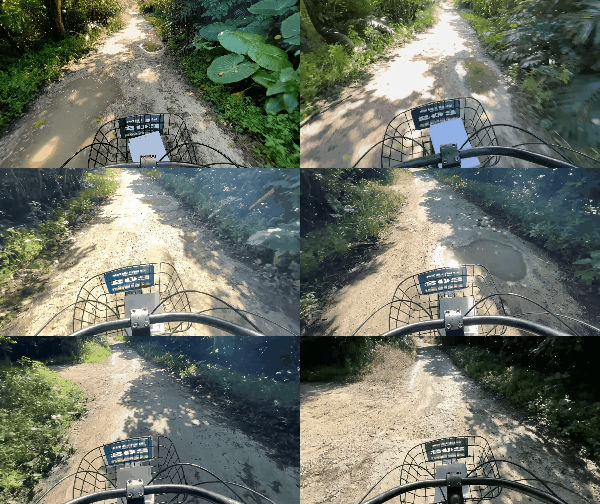
Kouhey rode another kilometer (a little more than a half mile) east before he came upon a street called “Chocho no Michi”, or “Butterfly Road.” This dirt road was muddy and filled with puddles, but the fatbike had no trouble navigating it.
This took Kouhey to his third spot, Aiyaru Beach.
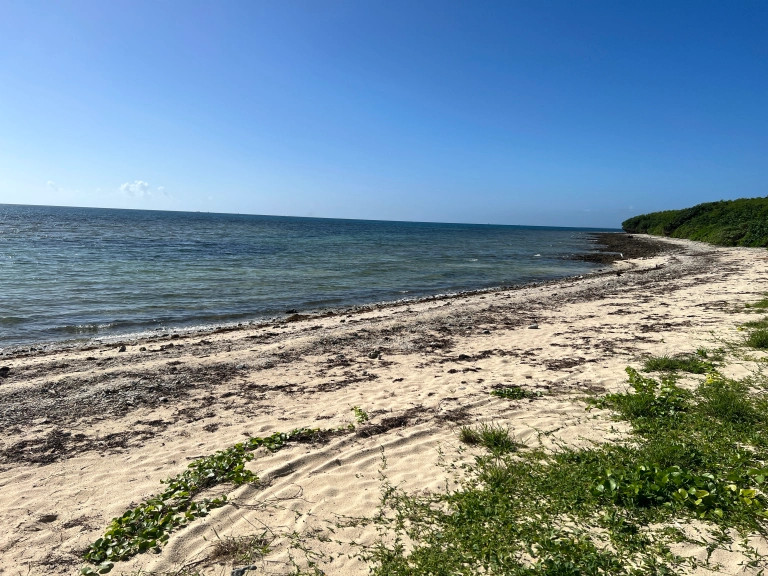
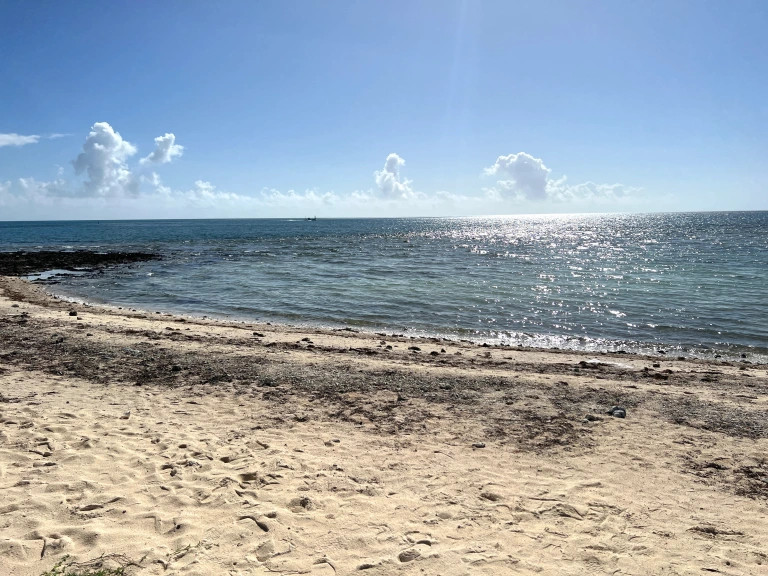
Since it’s relatively far from the main town, there were far fewer tourists there. Kouhey considers this a great hidden gem on Taketomi Island.
Back on the road for another kilometer, this time to the west. His destination: the West Bridge (Nishi Sankyo).
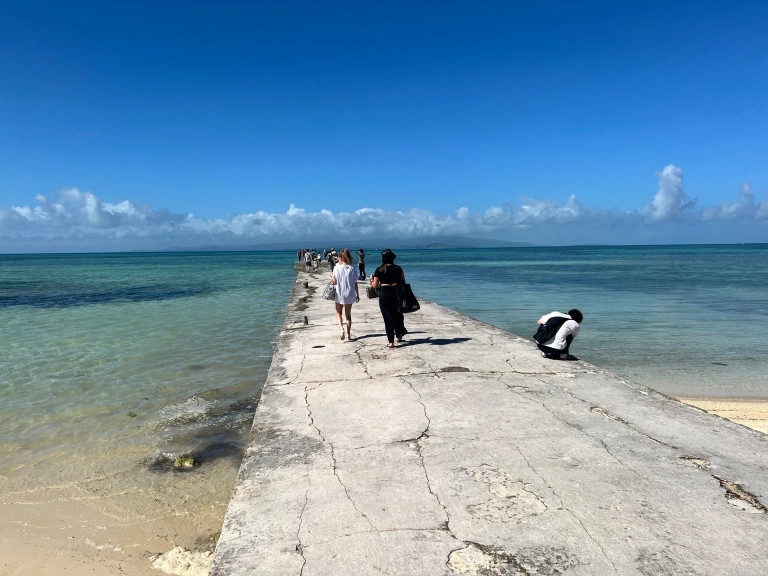
The very end of the bridge affords a gorgeous view of the sparkling blue waters surrounding the Yaeyama Islands.
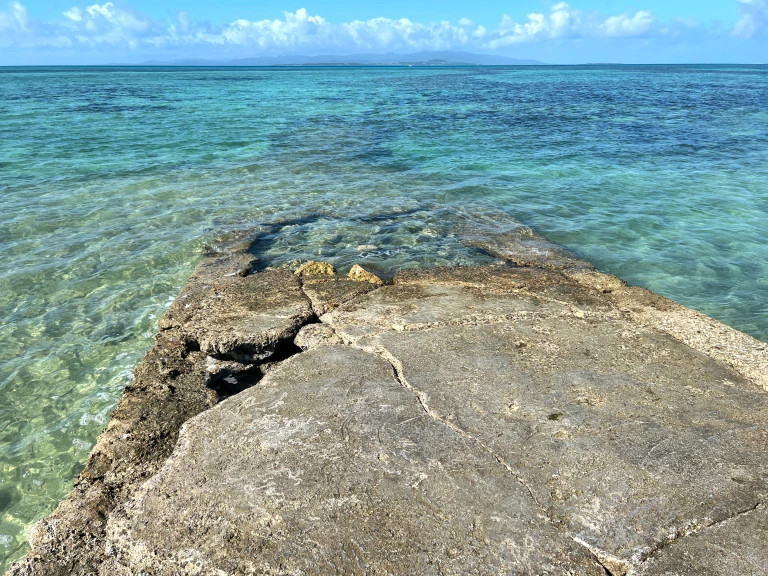
The ride back to the perimeter road from the West Bridge is all uphill, and that is when the gears on the fatbike really came in handy. By the time he made it to the top, Kouhey was grateful his bike was equipped with them.

The West Bridge was the last stop on his fatbike tour. The island itself has a perimeter of only 3.4 kilometers (about 2.1 miles), so, even if you take your time at each spot, you can easily enjoy all of Taketomi in about an hour with a fatbike.

His tour finished, Kouhey headed back to town…
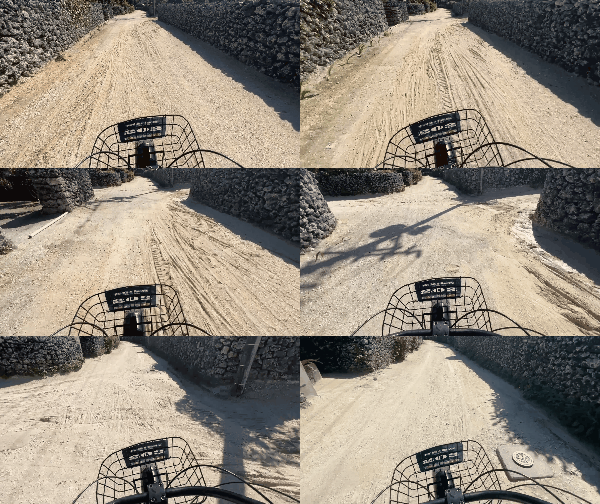
And returned the fatbike to the rental shop.

So there you have it–a tour of Taketomi Island by fatbike! Taketomi has plenty of bicycle rental shops that offer street bike rentals, but if you have the chance, Kouhey absolutely recommends renting a fatbike to help navigate the dirt roads and hills of the island.

But whether you decide to go with a fatbike or a street bike, make sure you follow the rules, including parking only in designated bicycle parking spots and not riding on the beaches themselves. Of course, you probably also shouldn’t get drunk on awamori jelly before you get on a bike, either.

As long as you ride safely and respectfully, though, a fatbike lets you fully enjoy the beautiful sights of Taketomi Island without a hitch!

Images © SoraNews24
● Want to hear about SoraNews24’s latest articles as soon as they’re published? Follow us on Facebook and Twitter!

Buying Japanese concert tickets may get even harder for foreign tourists with new government plan

https://ift.tt/eVX9Bb0 Casey Baseel

Digital agency wants to link sports and concert ticket purchases to resident-only government-issued ID card.

Back in September, Taro Kano, Japan’s Minister of Digital Affairs, called on the Japanese government to stop using floppy discs, cassette tapes, and other outdated storage media. It’s a move that many think is long overdue, but his latest initiative isn’t being met with nearly as happy a response from the public.

According to a Yomiuri Shimbun report, Kano has directed the Cabinet’s Digital Agency to begin concrete discussions with professional sports leagues and other event management organizations to encourage them to require eventgoers present their My Number Card, a government-issued ID card, both when purchasing tickets and attempting to enter the event venue.

The Digital Agency’s suggestion is that when buying tickets, you’d be required to touch your My Number Card, which is equipped with an IC chip, to your smartphone before you could finalize the purchase. You’d then also be required to present your My Number Card on the day of the event before being let into the stadium, concert hall, or theater.

▼ “Hello, Tokyo! Let me see everybody put your…My Number Cards up?”

The advantage to this system, the Digital Agency says, is that the increased security and improved identity confirmation would help prevent ticket scalping. That may be true, but it seems significant that it’s not the sports and entertainment industries who are going to the government and asking for their ideas on how to stop scalpers, but the government that’s initiating the talks.

Currently, all residents of Japan have been issued a My Number number, which is similar to a U.S. social security number and is used as a form of identification for pension, tax, and other government functions. In 2024 the My Number Card is scheduled to replace the current national health insurance card, and the government is also thinking of having it function as one’s driver’s license too.

However, only about 60 percent of Japanese residents have applied for the currently still optional IC chip-equipped My Number Card, with many saying they don’t see a significant benefit to it. The government wants to eventually increase that number to 100 percent, and making it easier to get sports and concert tickets if you have a My Number Card is being seen by many as a ploy to pressure the general population into applying for one.

Of course, it’s more accurate to say that the proposal would make it impossible to purchase tickets if you don’t have a card, so the Digital Agency’s recommendation wouldn’t so much be providing a new benefit to My Number Card holders as it would be taking away a convenience people already have and locking it behind the get-a-My-Number-Card gate.

The proposed system would also make it impossible for those without smartphones to purchase tickets, since the device is required to authenticate the buyer’s identity via the My Number Card IC chip. Many have also expressed concern over privacy and personal information security if they’re required to electronically send data that essentially links the card holder, the government, and the events they’re attending. And though it’s not something that’s currently a major point of discussion within Japan, ticket purchases and event entry requiring a My Number Card, something only residents of Japan can obtain, would essentially lock travelers and short-term visitors out of live entertainment events unless organizers go to the trouble of setting up a completely separate purchase protocol for them.

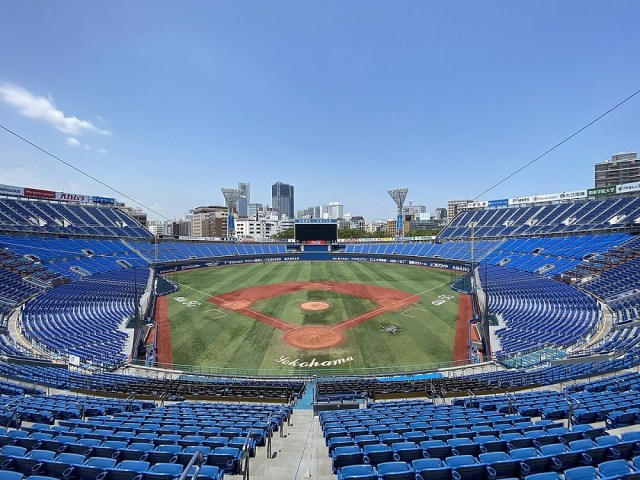
▼ Going to see a Baystars game as an international tourist doesn’t seem like it should require you to convince the Japanese government to let you into Yokohama Stadium.

Add it all up, and comments on Japanese Twitter about the proposal haven’t been at all positive.

“So I’m gonna need to take my My Number Card with me to idol concerts? Don’t appreciate the government sticking its nose in my oshikatsu.”
“That’s not what the My Number system was created for at all, is it? The Japanese government is really out of bounds here.”
“It’s like their ultimate aim is to create a total surveillance society.”
“Now they’re just doing whatever crazy thing they can think of to force people to apply for the card.”
“So they want us to put all sorts of personal data on a single card, and use that card when we buy tickets? They aint right in the head!”

Considering some of the scandals we’ve seen in just the past year involving government employees in Japan losing people’s personal data, the reactions aren’t surprising.

Source: Yomiuri Shimbun via Livedoor News, Twitter
Top image: Pakutaso
Insert images: Pakutaso, Wikipedia/横浜1978
● Want to hear about SoraNews24’s latest articles as soon as they’re published? Follow us on Facebook and Twitter!
Yakiniku Like in Tokyo starts serving up solo shabu shabu hot pot, and we tried it

https://ift.tt/7NkpoUx Shannon

Party of one? No problem at this Yakiniku Like.

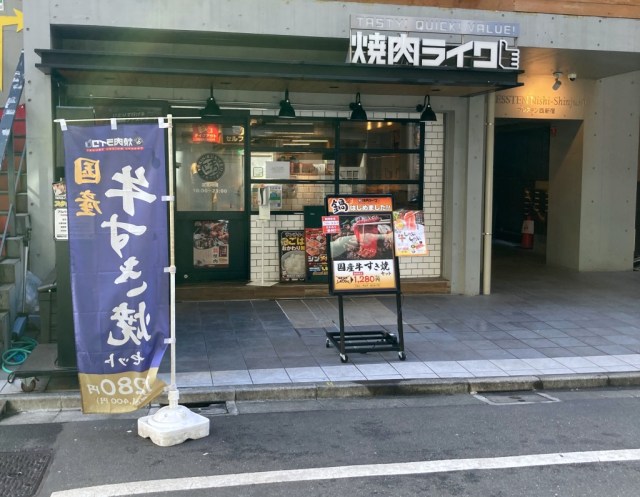
Yakiniku Like, a restaurant chain that serves up sets like solo yakiniku and solo sukiyaki, has started selling solo shabu shabu hot pot at one of their restaurants in Tokyo’s Shinjuku neighborhood.

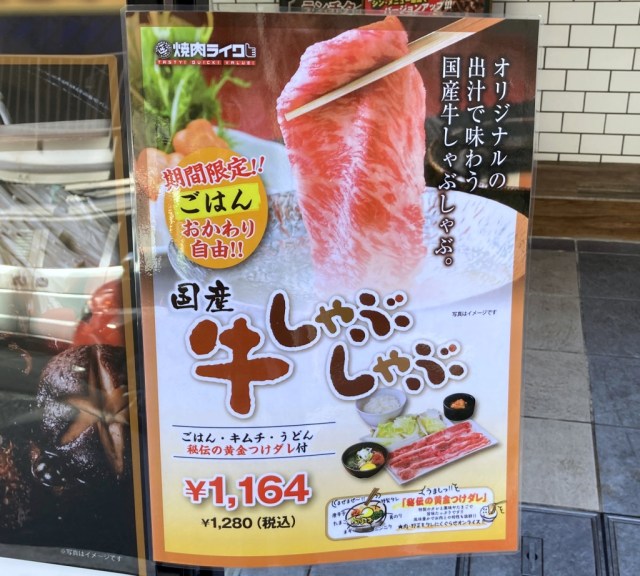
The Solo Domestic Beef Shabu Shabu Set at the Shinjuku Nishiguchi branch costs just 1,280 yen (US$9.20), and it comes with Japanese beef, rice, udon noodles, kimchi, and a tare dipping sauce set. Our Japanese-language reporter Mr. Sato made the journey to Yakiniku Like to test it out.

▼ He was pleased to discover that for a limited time, you can get free refills of rice with your shabu shabu set order.

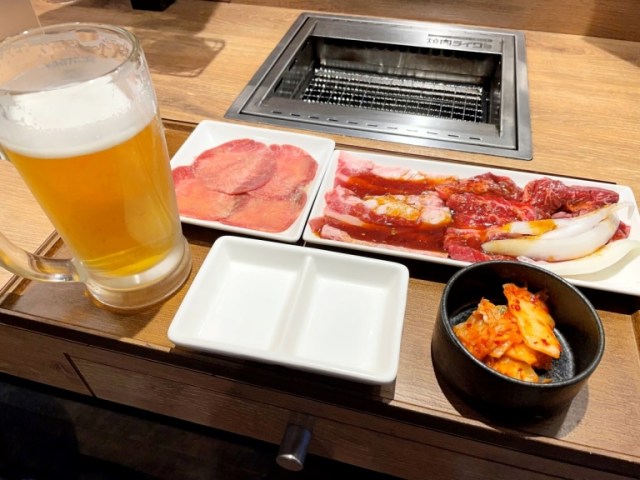
Tables at Yakiniku Like normally have a grill in the center of the table to cook your yakiniku, but when Mr. Sato put in his order for shabu shabu, restaurant staff removed the plate to reveal a personal shabu shabu pot.

▼ Yakiniku Like’s yakiniku set table configuration

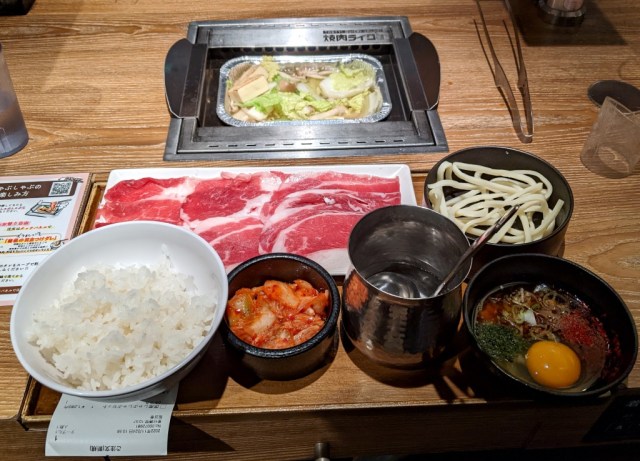
▼ This is what the shabu shabu set looks like.

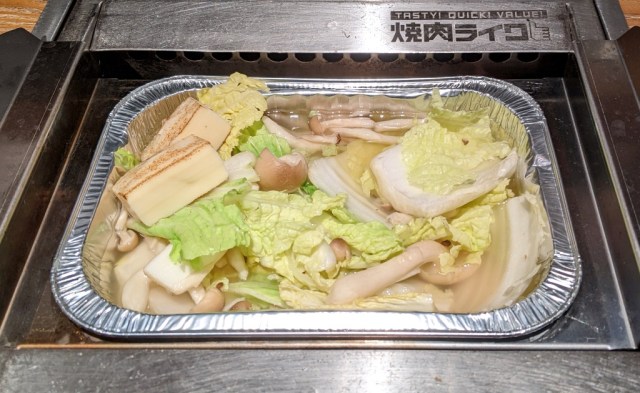
Mr. Sato’s order came ready for him to prepare: the beef, the rice, the kimchi, the tare sauce mixture, and some udon noodles to finish it off. His personal pan was also full of broth, cabbage, and mushrooms to accompany the beef.

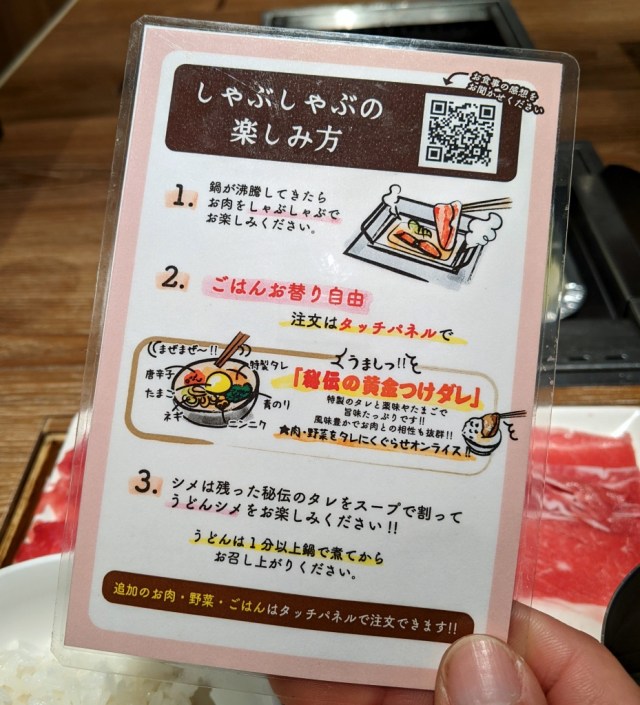
Not sure what to do? No worries! At the table there’s a helpful instruction card for shabu shabu newbies that explains how to prepare the meal. First let the broth in the pan come to a boil, then dip in the beef until it’s cooked. When all of your beef and most of your vegetables were gone, add your leftover tare dipping sauce to the broth , then add the noodles for a closer. It’s like two meals in one: shabu shabu and udon!

▼ The card also explained that Mr. Sato could ask for rice refills using the touch panel at his table.

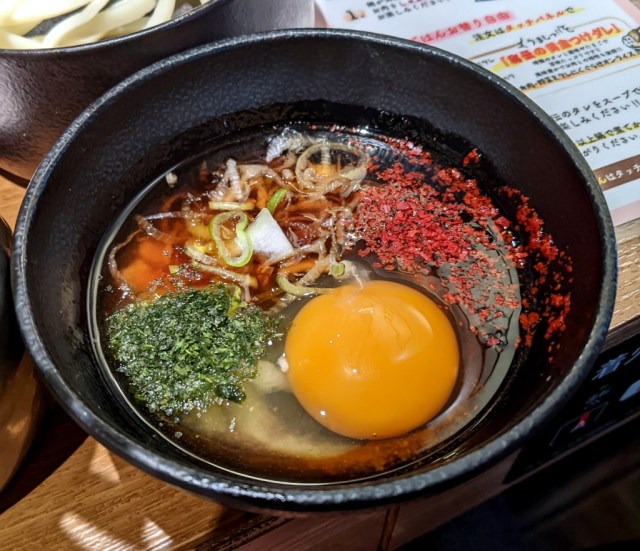
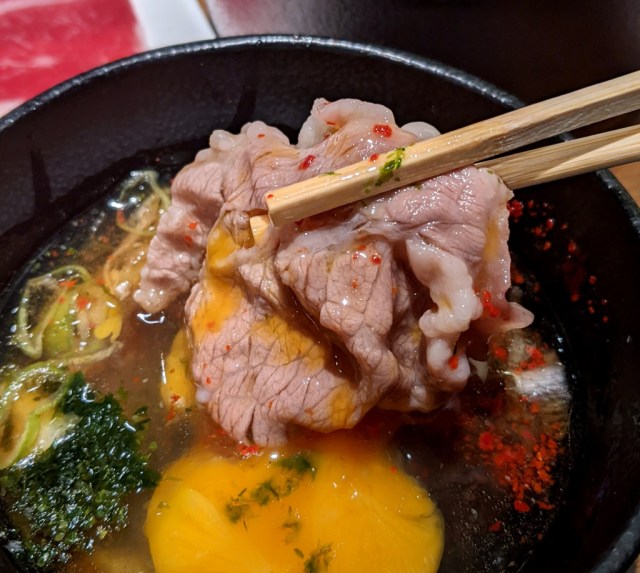
Mr. Sato quickly got to preparing what Yakiniku Like calls their Legendary Tare Sauce, which has green onions, seaweed, and chili pepper flakes in there along with the egg yolk.

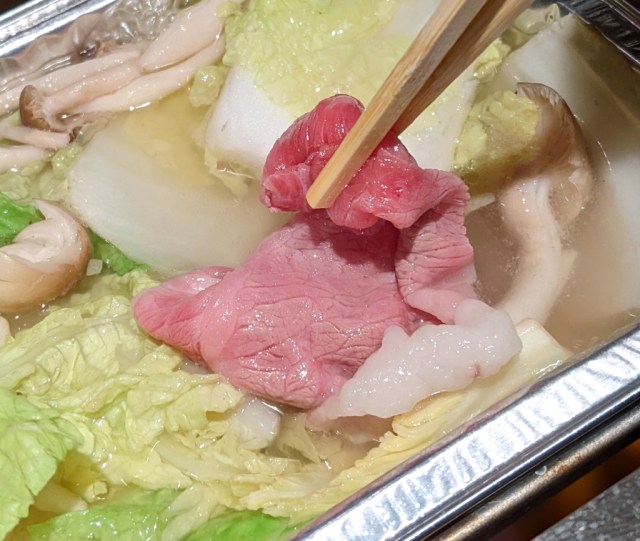
▼ Mr. Sato waited until the pan contents came to a boil as per the instructions, then dipped in the beef.

▼ When the beef was cooked, he lifted it out of the pan and then transferred it to his personal tare dipping bowl.

Delicious! He felt like it warmed him from the inside out. The garlic and chili flakes in the sauce overpowered the rest of the sauce, though, so maybe it would be better to let customers adjust the tare ingredients to their taste, he thought.

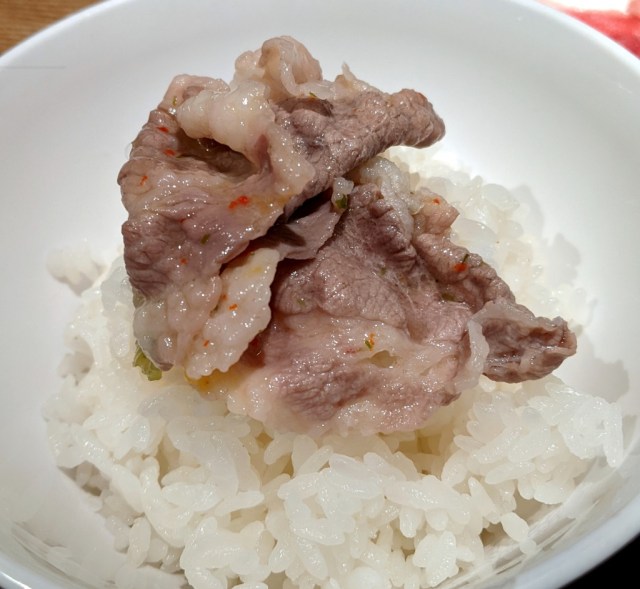
Still, it was a perfect pairing for rice. It made him wonder if the tare sauce was flavored more to accompany rice than to bring out the beef’s flavor. If you’re a rice lover, this is the ticket.

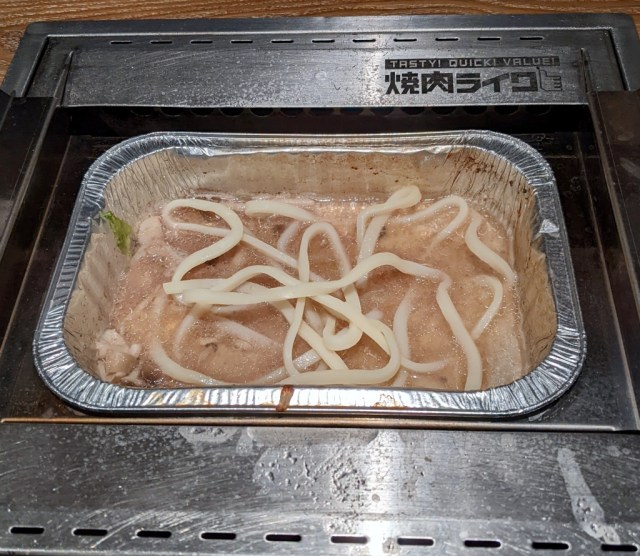
Finally, he finished off his meal with the included udon noodles.

Mr. Sato purposely left some room in his stomach for the udon, though it was hard to resist ordering more rice. The noodles only took one minute to boil to perfection.

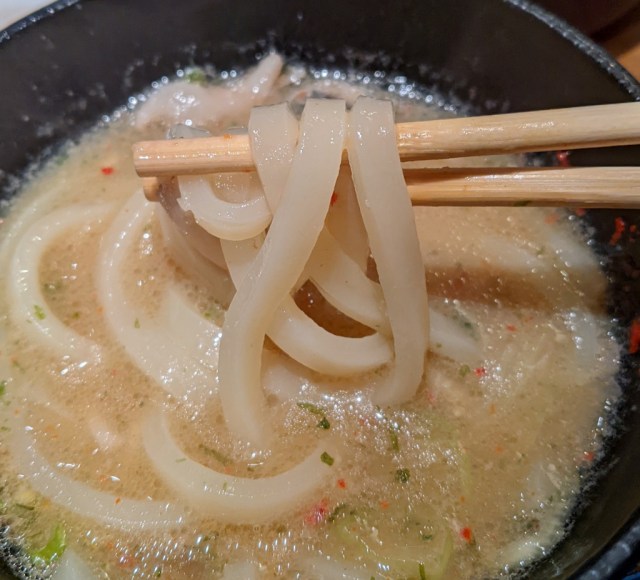
▼ Your stomach definitely won’t be empty at the end of this.

Mr. Sato thought this was the best part of the meal. The juices from the beef had flavored the broth even more, so it was a super-rich meal. He began to regret not saving some of the meat to eat with the udon .

All in all, it was an ultra-satisfying meal for Mr. Sato. He hopes they do solo udon next time. It seems Yakiniku Like is just testing out the solo shabu shabu for now, so it’s only limited to one store at the moment. If you want to try out this solo shabu shabu, head over to the Shinjuku Nishiguchi branch!

Restaurant information
Yakiniku Like Shunjuku Nishiguchi Branch | 焼肉ライク 新宿西口店
Address: Tokyo-to, Shinjuku-ku, Nishi-Shinjuku 7-11-17 Blessten Nishi-Shinjuku 1F
東京都新宿区西新宿7-11-17ブレステン西新宿1F
Open: 10 a.m.-11 p.m. (last order 10:30 p.m.)

Photos ©SoraNews24
● Want to hear about SoraNews24’s latest articles as soon as they’re published? Follow us on Facebook and Twitter!
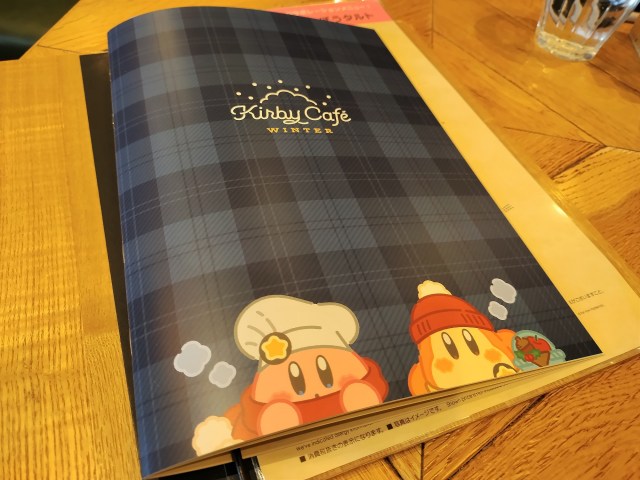
A visit to Japan’s Kirby Cafe to eat the Kirby car cake and more!【Photos】

https://ift.tt/sBS2clO Casey Baseel

Kirby car cake is the true breakfast of champions.

I’m not really much of a big breakfast eater. Most of the time I’m happy with some granola or fruit, or maybe an onigiri rice ball from the convenience store if I’ve got a busy morning and need something I can eat on the go.

So it felt a little weird the other day to roll out of bed, take a shower, get dressed, and then go eat a cake first thing in the morning. But you know what? That sort of indulgence made sense, because on that day I was having breakfast at a cafe based on a Nintendo character whose whole thing is that there’s no limit to how much he can devour.

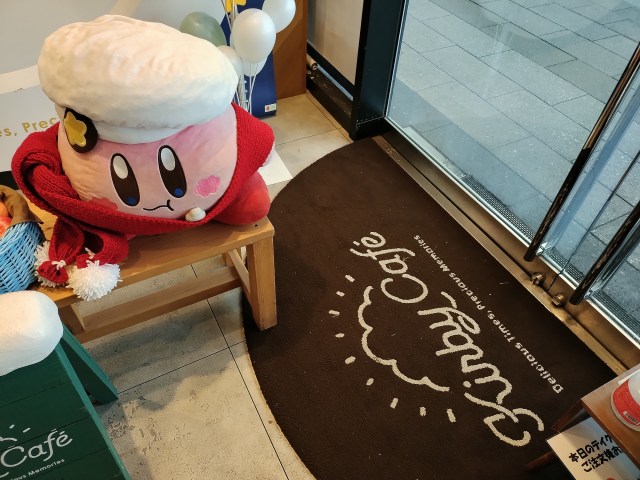
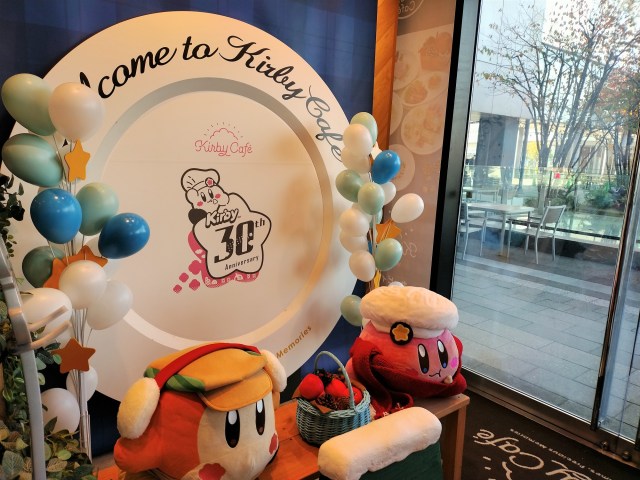
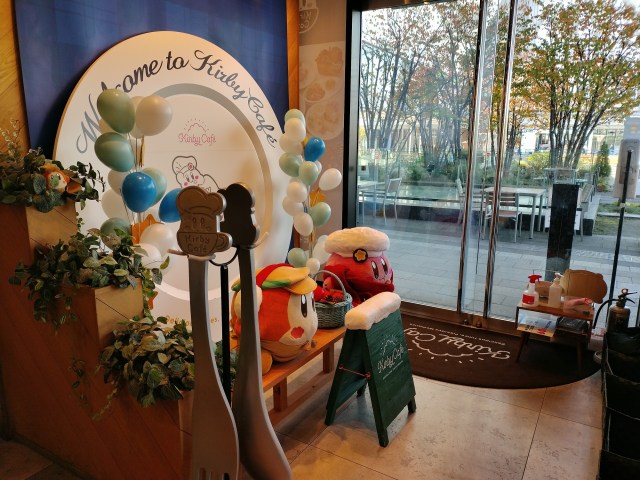
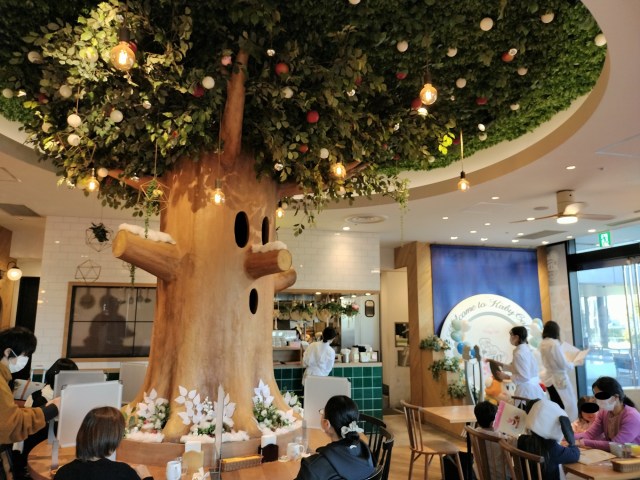
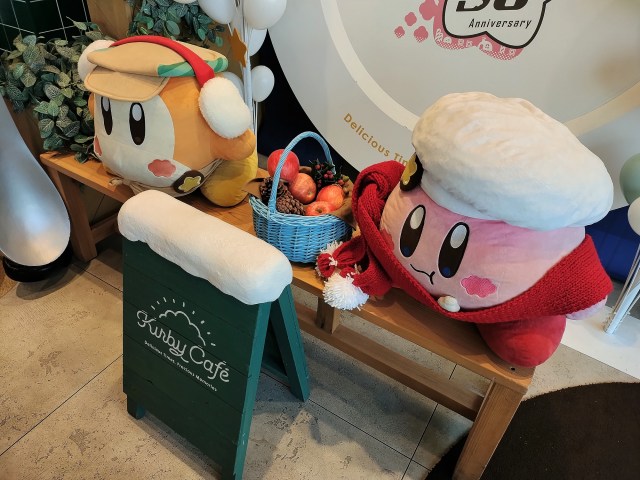
Tokyo is one of the cities lucky enough to have a permanent Kirby Cafe. Located in the Solamachi complex at the base of the Skytree, the Kirby Cafe has been in business for a while now, but there’s a new reason to visit as the restaurant recently rolled out its new winter menu items.

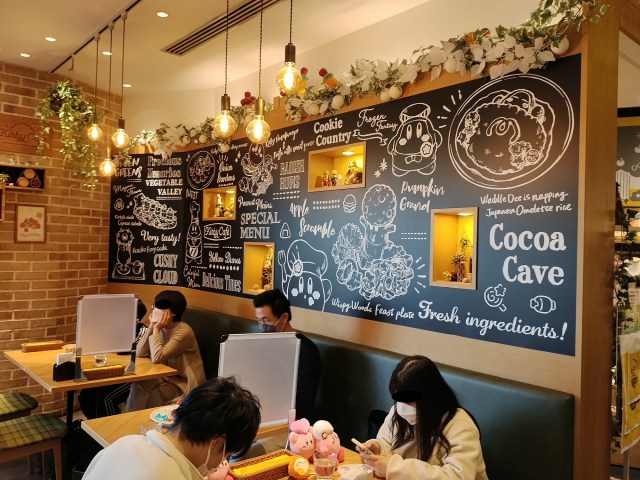
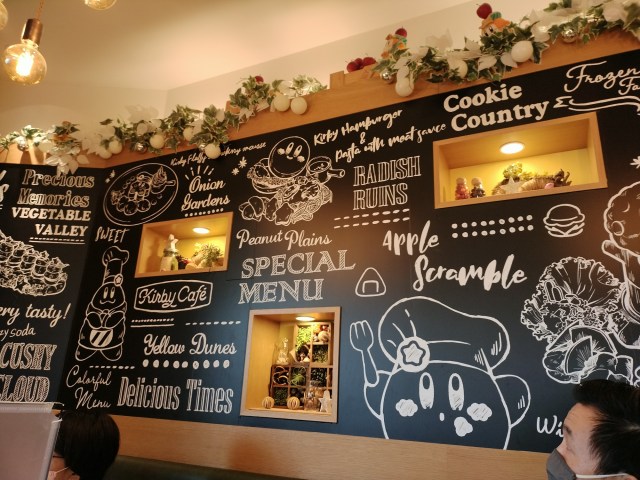
With first-timers and repeat visitors wanting to scarf down the new Kirby chow, getting a table isn’t easy, and the only one my friend and I could snag was for 10:15 in the morning. But hey, it’s hard to feel any lingering sleepiness when you’re surrounded by so much cute artwork from the series, plus jazzy remixes of the games’ background music flowing from the cafe’s speakers.

Your reservation is for an 85-minute block, which isn’t so strange for popular restaurants in Japan. What is unusual, though, is that you have to order everything you want to eat or drink all in one go, and can’t add anything else on later. So, naturally, just about every table orders at least one of the Mouthful Mode Car Mouth Cake Winter Horns version, a callback to Kirby’s new power in the Kirby and the Forgotten Land game and its in-game Waddle Dee Cafe. The staff also brings your food out as it’s ready, and it worked out the cake was the first thing we were served.

▼ Breakfast!
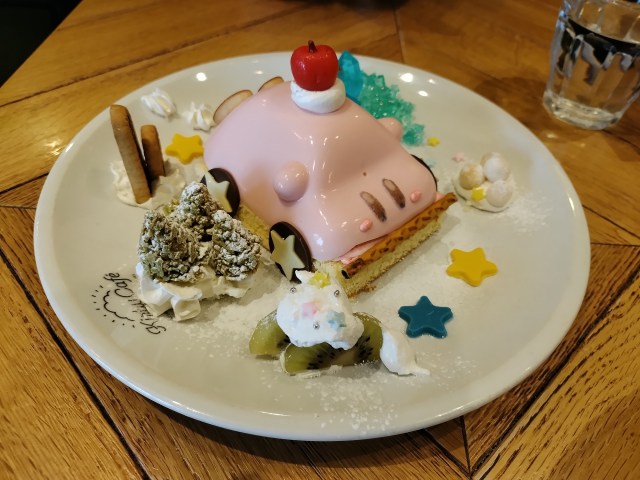
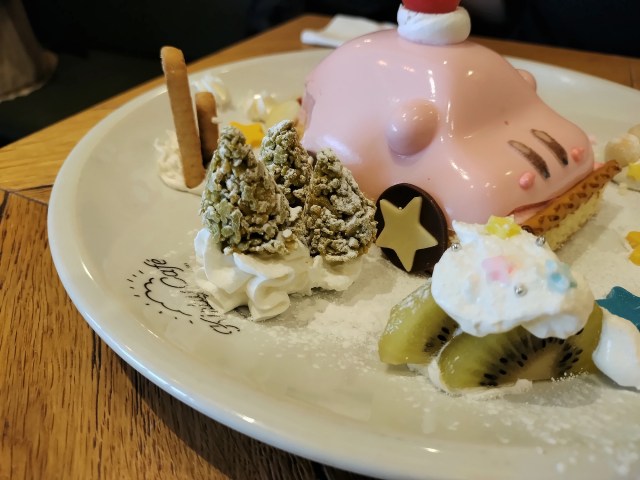
From the preview photos for the cake, I’d sort of expected it to be a gigantic car-shaped scoop of whipped cream, but turned out to be something far more gourmet: blancmange, a type of creamy-tasting firm milk gelatin that’s similar to custard, but without the egg. It jiggles when jostled, just like you’d imagine Kirby himself would.

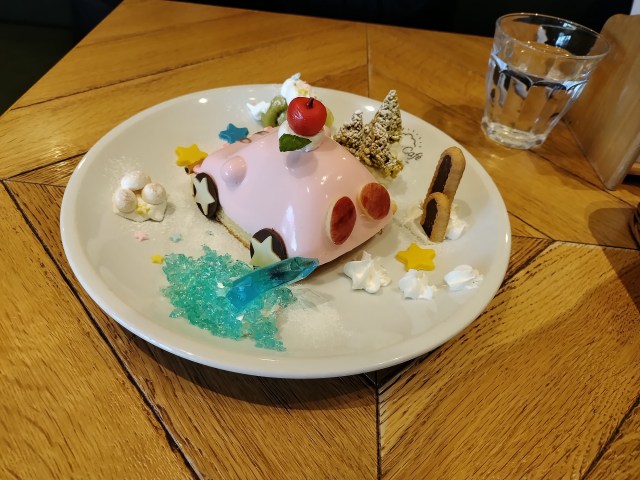
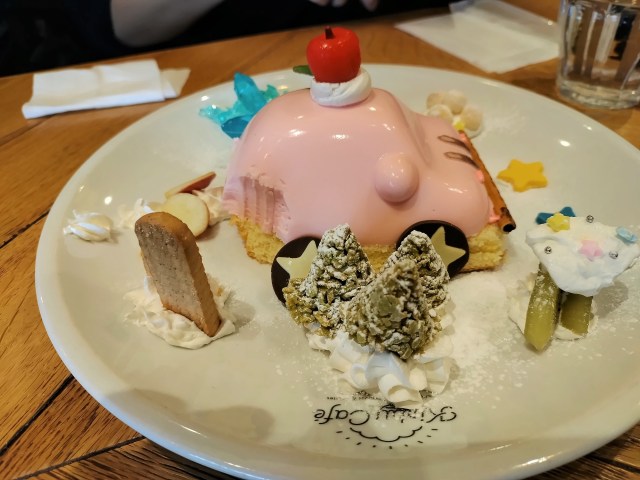
The Kirby car is tricked out with a variety of edible accouterments, including chocolate wheels, a Pocky-ish front bumper, and apple slice taillights.

It definitely creates the character food conundrum: it looks really, really tasty but also really, really like the adorable character its based on. Looking around, pretty much everyone in the cafe made the same decision of starting from the back of the car when eating, since there’s less guilt involved with eating Kirby’s corner panel than his face.

The roadside scenery is also edible too, with crunchy chocolate trees, kiwi slice hills, and gelatin ice crystals.

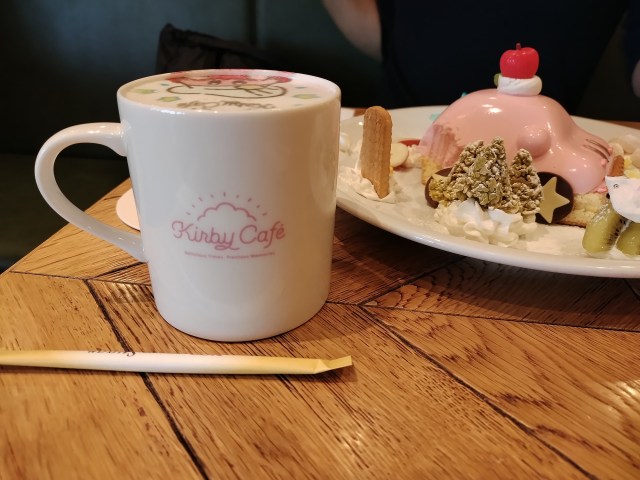
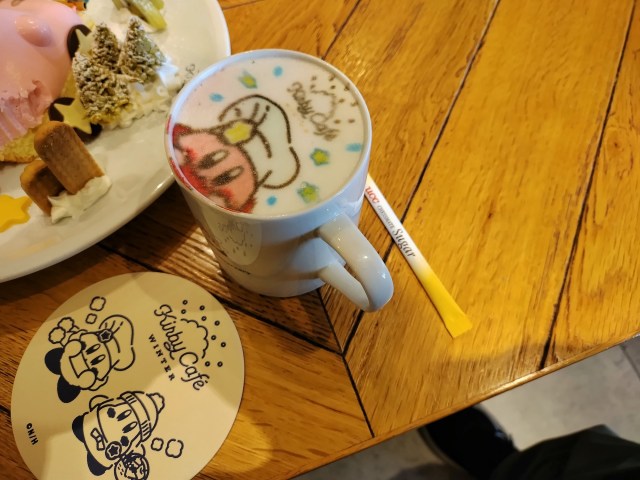
Getting the cake first put us in the odd situation of having to save room for our main dishes, but even before they arrived the waitress brought over my friend’s latte, with its full-color latte art.

Latte art is available for cafe au lait, hot chocolate, and even a fruity “mixed berry au lait” drink. And unlike many themed cafes in Japan, where the pattern you get is random, the Kirby Cafe actually lets you pick which of 11 different designs you want, including three new ones just added for winter.

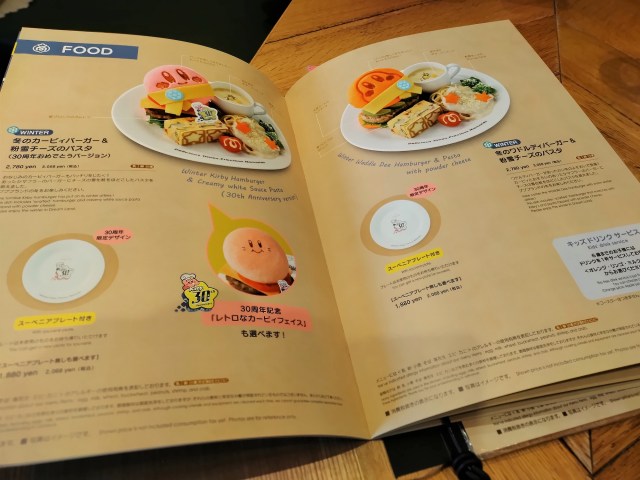
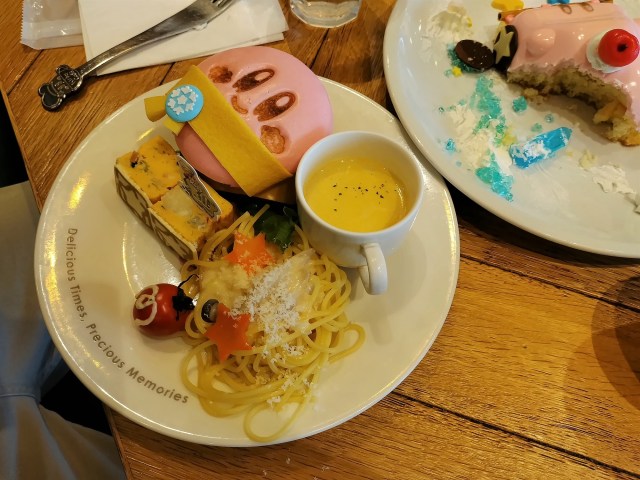
Not long after, our main dishes came: the Winter Kirby Hamburger and Creamy White Sauce Pasta

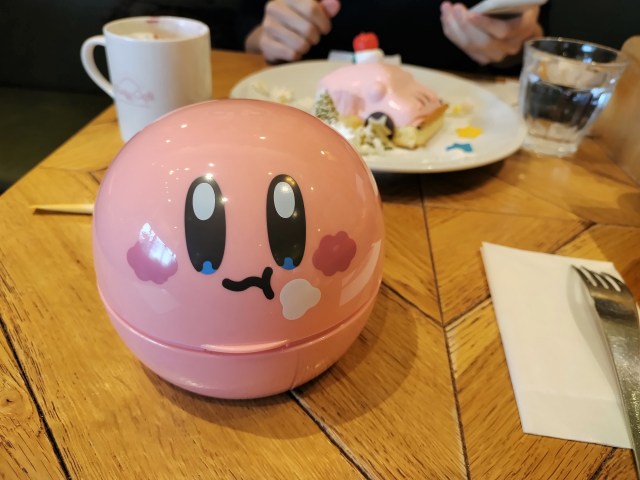
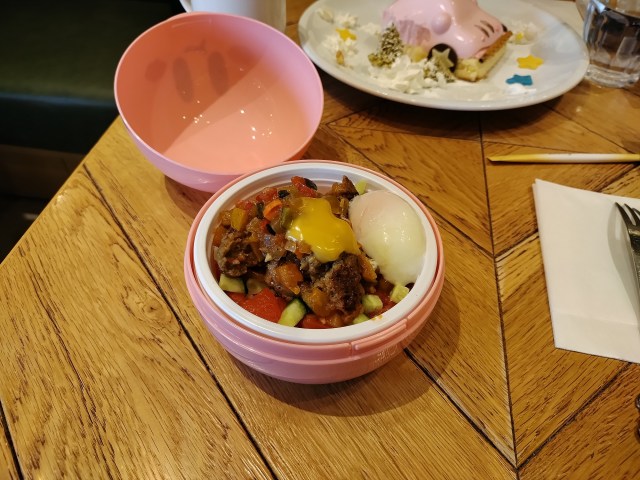
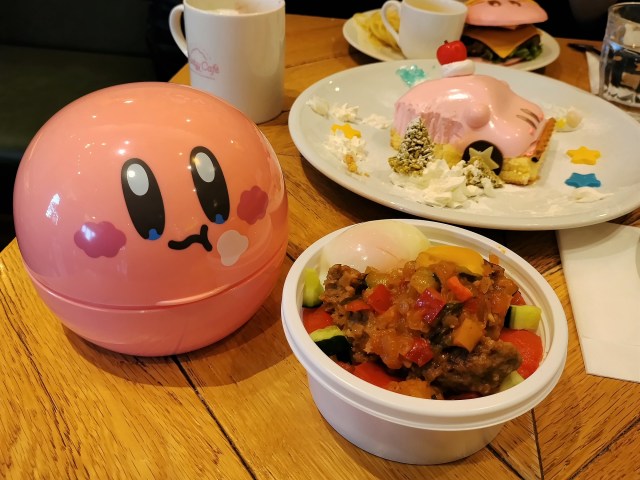
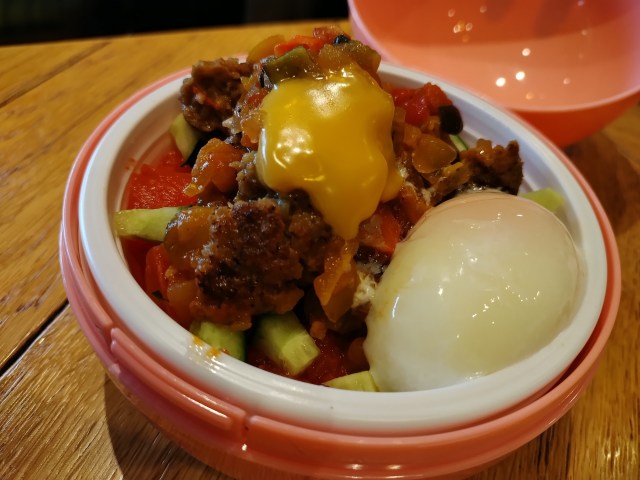
…and the Kirby Loco Moco Rice Bowl.

Since the container is yours to take home with you, the actual food is served inside a removable tray, so that your souvenir doesn’t get dirty.

This is sort of a unique take on loco moco, in that it’s got cheese and tomato too, but it’s not half-bad as an all-in-one meal that gives you protein, rice, and veggies.

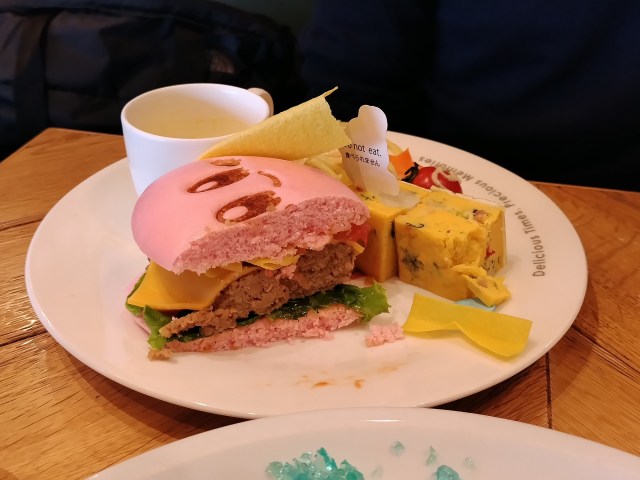
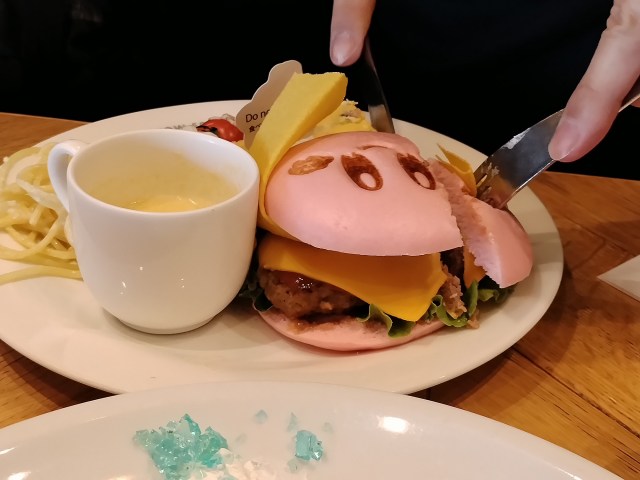
The burger, which is actually a cheeseburger, gets extra style points for giving Kirby a thin egg “scarf” to keep him warm against the winter chill.

ai

It’s accompanied by pasta, corn potage soup, and some square omelets. Oh, and there’s also a “Do not eat” warning printed on the back of the decorative paper Kirby character art stuck into the omelets, as it’s one of the few on-plate representations of the charter at the café that’s not edible.

ai

After snapping a few more pictures, it was time to pay our bill. As with most restaurant in Japan, you pay at the register, not at your table, and the Kirby Cafe’s register is conveniently located in…

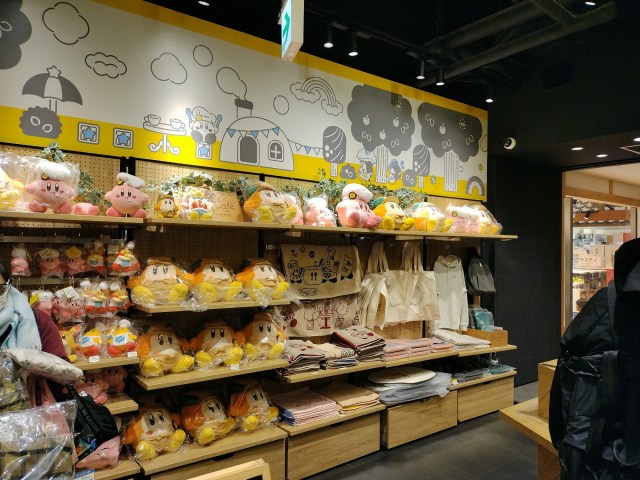
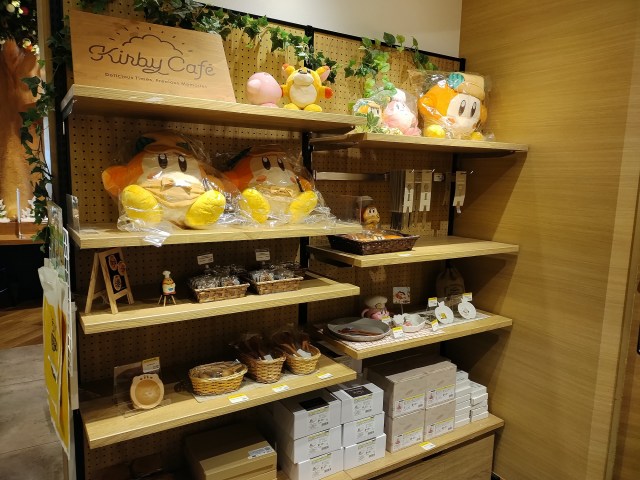
…the attached gift shop, which is stocked with all sorts of special merch.

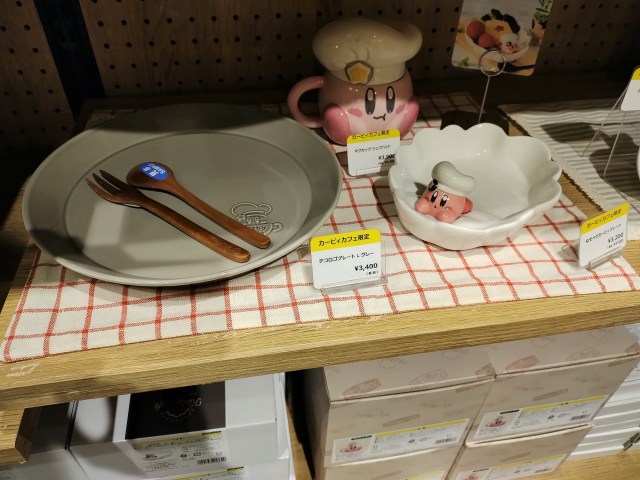
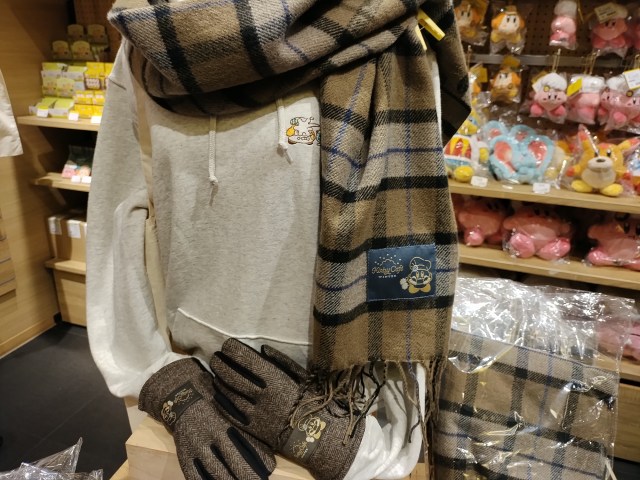
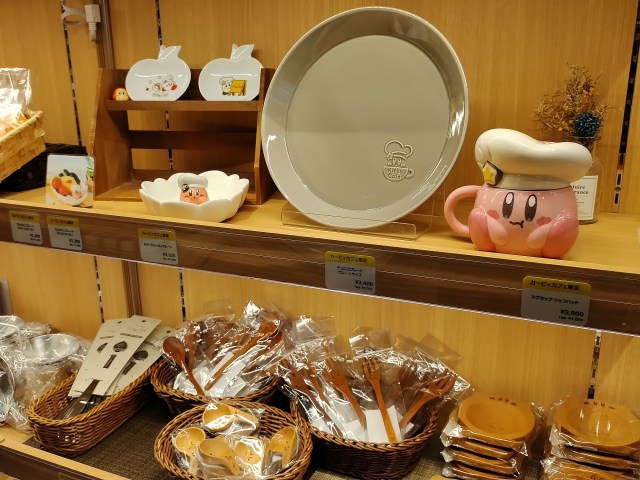
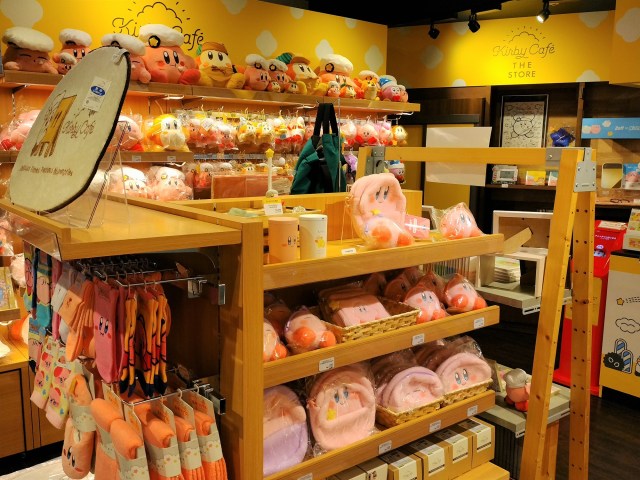
The lineup includes plates and cutlery used in the cafe, CDs of its background music, and, right now, winter fashion items.

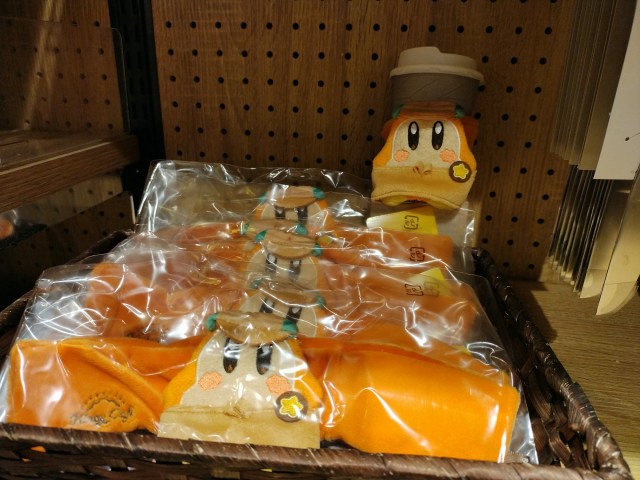
▼ The Waddle Dee cafe staff coffee cup sleeves are especially clever.

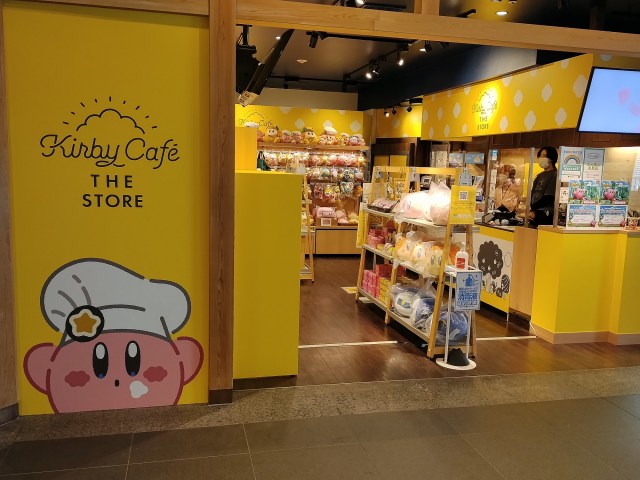
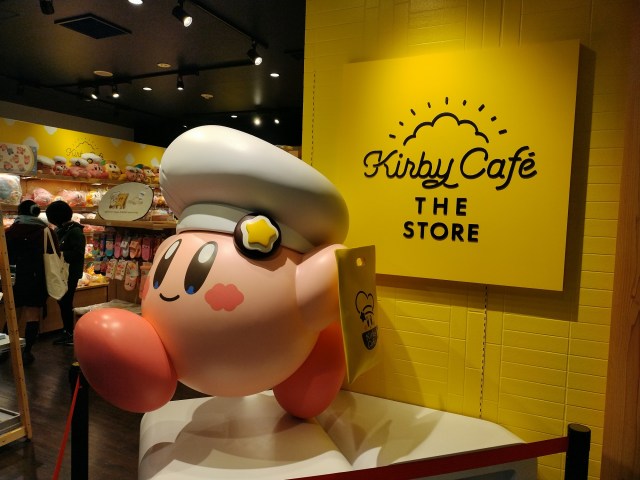
This gift shop is only accessible by cafe customers, though there is a separate Kirby store in the Solamachi shopping center that anyone can just walk into. There’s some overlap between the two stores’ inventories, but certain items are only available at one or the other.

▼ The mall shop is called, somewhat confusingly, Kirby Cafe The Store, but is separate from the store inside the Kirby Cafe.

Reservations for the Tokyo Kirby Cafe can be made online here, and the chain’s Hakata (Fukuoka) and Nagoya branch’s reservations here and here. Just remember, though, that the order system means you won’t be able to take a “I’ll wait and see if I’m still hungry before I order more” approach, so you’ll want to bring your Kirby-class appetite, no matter what time your reservation is for.

Cafe information
Kirby Cafe (Tokyo branch) / カービィカフェ(東京店)
Address: Tokyo-to, Sumida-ku, Oshiage 1-1-2, Tokyo Skytree Town Solamachi East Yard4 th floor
東京都墨田区押上1-1-2東京スカイツリータウン・ソラマチイーストヤード 4F
Open 10 a.m.-10 p.m.
Website

Photos ©SoraNews24
● Want to hear about SoraNews24’s latest articles as soon as they’re published? Follow us on Facebook and Twitter!