Páginas

lunes, 30 de noviembre de 2020

First look at Universal Studios’ Mario Kart ride, Super Nintendo World’s opening date revealed【Vid】

https://ift.tt/2HPE8Y4 Casey Baseel

Universal Studios Japan also gives hints about Yoshi ride, Bowser Jr. boss battle attraction, and punching park’s question mark blocks.

It’s been a long, long wait for the opening of Universal Studios Japan’s Super Nintendo World. More than five years have passed since the video game developer and Osaka theme park first announced their creative partnership, which includes a delay from the planned summer 2020 opening due to the coronavirus pandemic.

But it looks like the waiting is just about over, as not only does Super Nintendo World now have an official opening date, the park is even showing off its first look at its awesome new Mario Kart ride, plus giving tantalizing hints at what to expect from its other attractions.

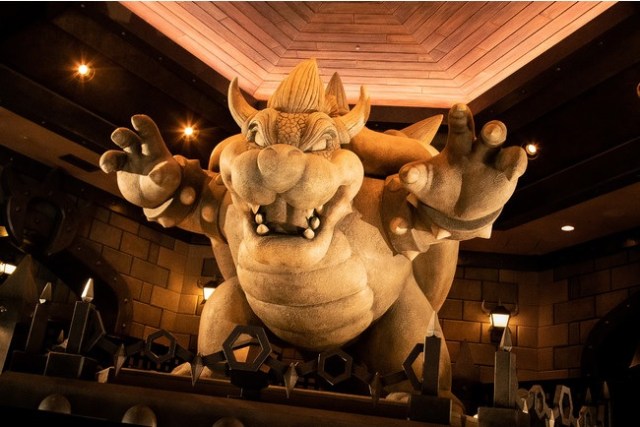
First off, February 4 is the day to mark on your calendar, since that’s when Super Nintendo World will open to the public. The star attraction looks to be Universal Studios Japan, which is accessed via a line-up area inside an amazing recreation of Bowser’s Castle, complete with an imposing statue of the Koopa king himself.

▼ Super Nintendo World also has a Princess Peach Castle, with ostensibly more inviting decor.
Each kart seats up to four passengers, so you won’t actually be steering it as it zips through a course inspired by the long-running Mario Kart series. However, a connection to one of Nintendo’s most popular games means the attraction absolutely needs to be interactive, and Universal Studios Japan says that during the ride you’ll need to grab Koopa shells from item blocks and fling them at enemies, wth how well you do determining whether you win or lose the race.

Odds are the shell-throwing will be part of the ride’s AR element, for which riders don Mario cap headsets, like the one being held here by Universal Creative executive producer Thomas Garrity. The ride also incorporates projection mapping and practical effects like jets of shooting steam.
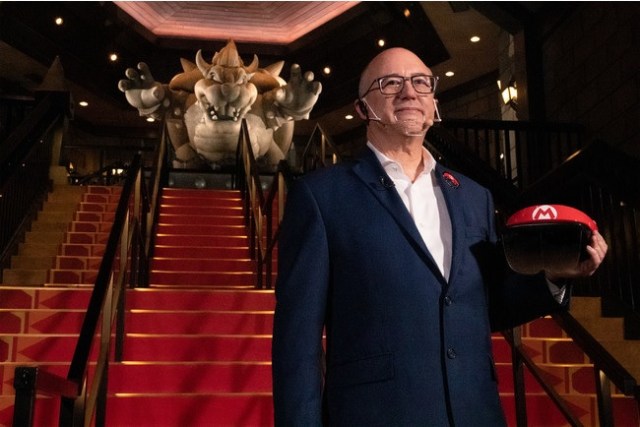
▼ Note the absence of a blue shell in the line-up area, presumably to avoid triggering traumatic flashbacks.
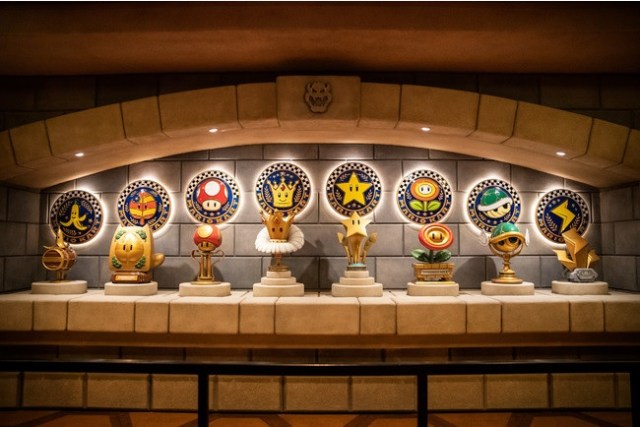

Outside of Mario Kart: Koopa’s Challenge, USJ has provided more details on Super Nintendo World’s Power Up Band, which is available for an additional fee. Wearing the wristband and installing its associated smartphone app allows you to obtain virtual coins by punching question mark blocks scattered throughout the area, with leaderboards so you can see where you rank versus other guests.
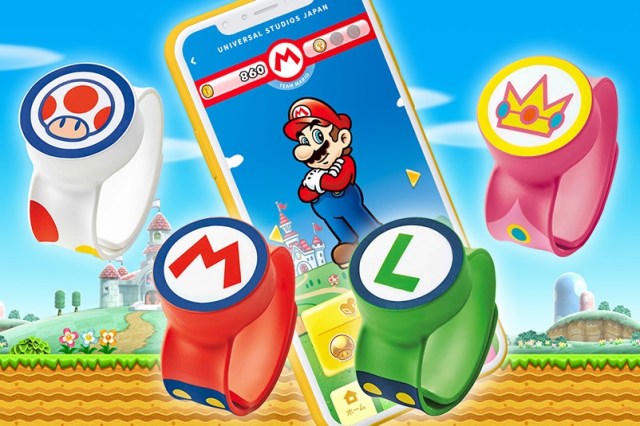
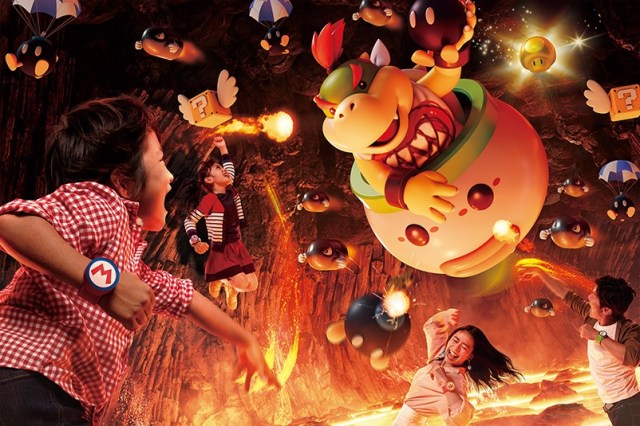
The Power Up Band is also required for the Power Up Band Key Challenges attraction, in which you defeat enemies in order to obtain a set of three keys, which you then use to unlock the entrance to where Bowser Jr. is waiting for a final boss battle.
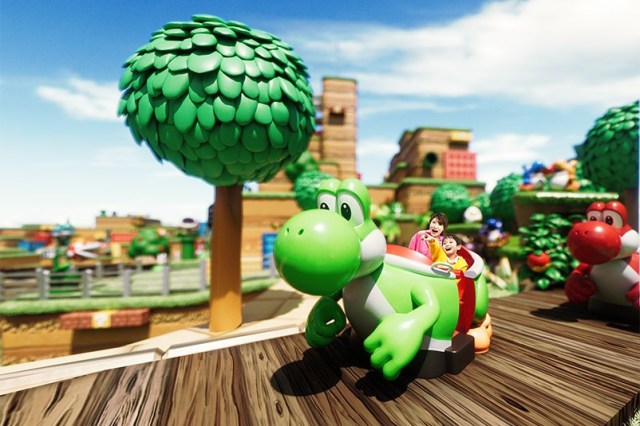
On the other hand, those seeking a more relaxed experience can check out Yoshi Adventure, where you ride on the colorful dinosaur steeds and follow a treasure map left behind by Captain Toad as you make your way across Mount Beanpole, as featured in Super Mario 3D World, and search for three mysterious eggs.
Odds are there are even more surprises waiting inside Super Nintendo World, but what we’ve seen is enough to make any Nintendo fan want to visit ASAP.

Source: Universal Studios Japan
Top image: PR Times
Insert images: PR Times, Universal Studios Japan, YouTube/ユニバーサル・スタジオ・ジャパン(USJ)公式チャンネル
● Want to hear about SoraNews24’s latest articles as soon as they’re published? Follow us on Facebook and Twitter!

domingo, 29 de noviembre de 2020

Welcome back, Kadabara? Self-claimed psychic gives blessing for Pokémon card 20 years after lawsuit

https://ift.tt/3q6mrVs Casey Baseel

Spoon-bender says it’s now up to Nintendo, but he’s actually talking to the wrong company.

Pokémon started out with 151 different Pocket Monsters, and in the years since the franchise has grown to include nearly 900 species. So even if you’re a pretty big fan, you might not have noticed that one of the first-generation Pokémon has been missing from the card game for a very long time.

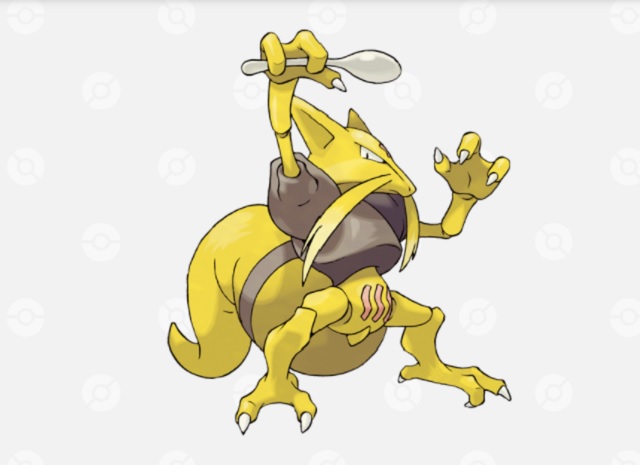
That species is Kadabara, who’s been absent from Pokémon cards for close to 20 years due to a complaint from self-proclaimed psychic/proclaimed-by-others charlatan Uri Geller, but it looks like the feud may finally be over, as shown in a Tweet from Geller himself.

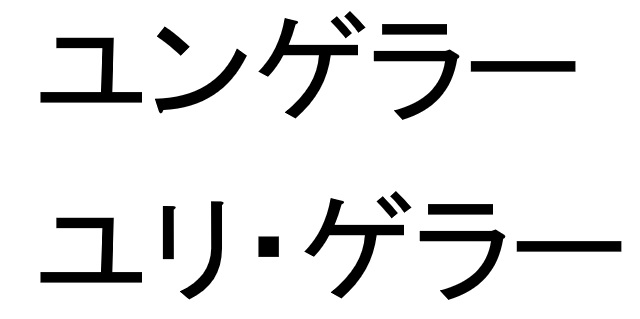
As we’ve talked about before, almost all Pokémon species have different names in the Japanese-language version of the franchise. In English, Kadabara’s name seems like a straightforward reference to generic magic, especially since Kadabara is the evolved form of Abra (as in “abracadabra”). In Japan, though, the species is called Yungera.

That might sound like gibberish, but bear in mind that the Japanese language has no L, and also that words in Japanese can’t end in a consonant other than N. Because of that, Uri Geller’s name gets rendered in Japanese as “Yuri Gera.” Add in the fact that Geller is most famous for his spoon-bending act, in which he claims to manipulate the metal with the power of his mind, and that Kadabara/Yungera is a Psychic-type Pokémon regularly depicted holding a spoon, and it seems pretty clear that Geller was a partial inspiration for the species’ design.

▼ The Japanese text for Yungera (top) and Uri Geller (bottom) are almost identical, with the second katakana characters and word-dividing dot being the only differences.

As a Gen-I species, Kadabara/Yungera made its Japanese debut in 1996, but wasn’t really known to international audiences until the first English-version Pokémon games were released in 1998, and it apparently took until 2000 for Geller to find out about the species’ Japanese name. When he did, the BBC reported that he sued Nintendo, saying:

“He has begun legal action in a Los Angeles federal court against Nintendo…Geller is demanding that the Japanese company cease using Geller as a character on its phenomenally successful Pokémon cards. He also wants Nintendo to pay him substantial general and punitive damages. Geller stated: ‘Nintendo turned me into an evil, occult Pokémon character. Nintendo stole my identity by using my name and my signature image.’”

There are a couple of odd things about the legal action, starting with the fact that Nintendo isn’t involved with the Pokémon trading card game (heck, Nintendo isn’t even the company that actually makes the Pokémon video games). Then there’s the question of whether or not a Los Angeles district court can make binding rulings over what a Japanese company (in this case Japan-marker Pokémon card game publisher Media Factory) can call its products within Japan, and, perhaps most importantly, it doesn’t appear that the lawsuit ever made it to trial or had a verdict rendered, especially since Kadabara appeared in all 13 Pokémon video games released between 2001 and 2018 (Kadabara is missing from 2019’s Pokémon Sword and Shield, but so are a lot of other previous-generation Pokémon).

Still, Kadabara hasn’t had a new Pokémon card since Geller’s psychic-seared beef began, so it does seem like Media Factory, perhaps at the behest of the game’s overseas licensors, has been voluntarily keeping Kadabara out of the mix. The self-imposed status of the restriction makes it seem like a bit of grandstanding magnanimity on Geller’s part to say “I am releasing the ban,” and his follow-up comment of “It’s now up to Nintendo to bring my Kadabara Pokémon card back” suggests that even two decades after trying to get lawyers involved he still doesn’t quite understand how the Pokémon franchise’s intellectual property is structured.

All the same, if his blessing leads to the return of the Kadabara card, it’ll be a definite source of positive energy, and much more confirmable than Geller’s claimed psychic ones.

Source: The Gamer (1, 2) via Twitter/@TheUriGeller via IT Media, BBC
Top image: Pokémon Zukan
Insert image: SoraNews24
● Want to hear about SoraNews24’s latest articles as soon as they’re published? Follow us on Facebook and Twitter!
We rock Japan’s new wearable grocery bag for sustainable, stylish shopping

https://ift.tt/2Jlq8Gb Katy Kelly

Carry your groceries through the mighty power of your own core!

Single-use plastics are a controversial topic, with many people now wanting to limit their plastic use wherever possible. A popular target for plastic reduction is grocery bags, and while Japan has successfully lowered the usage of plastic bags in stores, many customers simply choose to buy their own bulk load of bags instead.

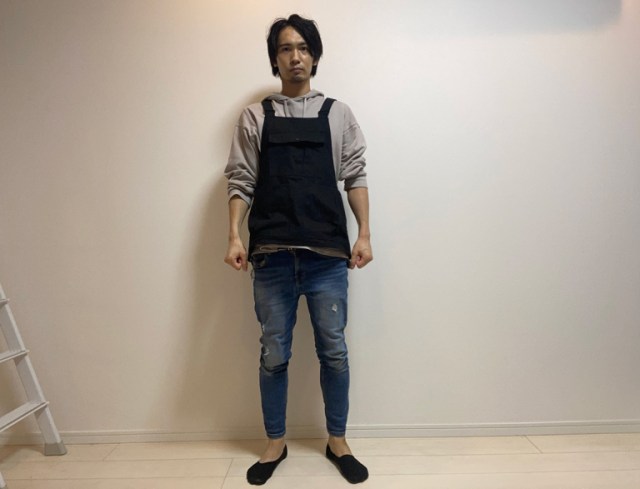
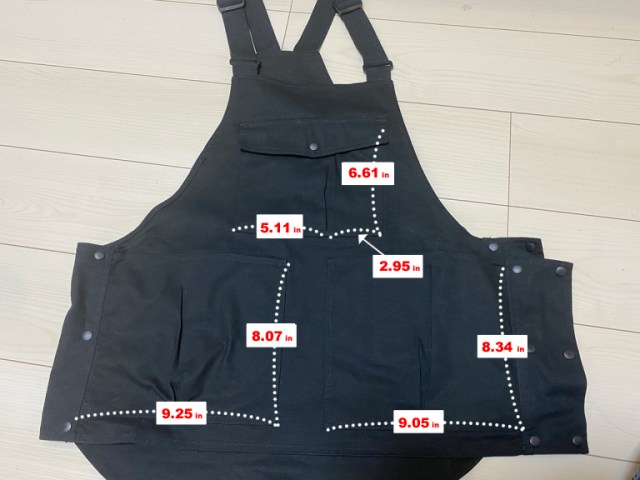
So, how to tackle this pernicious, plasticky problem? Some people bring their own grocery bags for their trips to the store, but our Japanese-language reporter Hirazi pointed out that many men aren’t in the habit of carrying bags. Thankfully, he found an alternative in the form of the 1,900 yen (US$18.20) Outdoor Hunt Apron, available in two sizes (small and medium-large) and two colors, khaki and black.

▼ Hirazi is 178 centimetres (five feet and ten inches) tall, so he picked a medium-large size.

At that price, and considering the average price for a plastic single-use bag in Japan is 3 yen, this apron is worth 634 individual plastic bags and will actually pay for itself for every hypothetical bag after that! And it certainly should last that long, according to Hirazi. The material is crisp to the touch and should age beautifully.

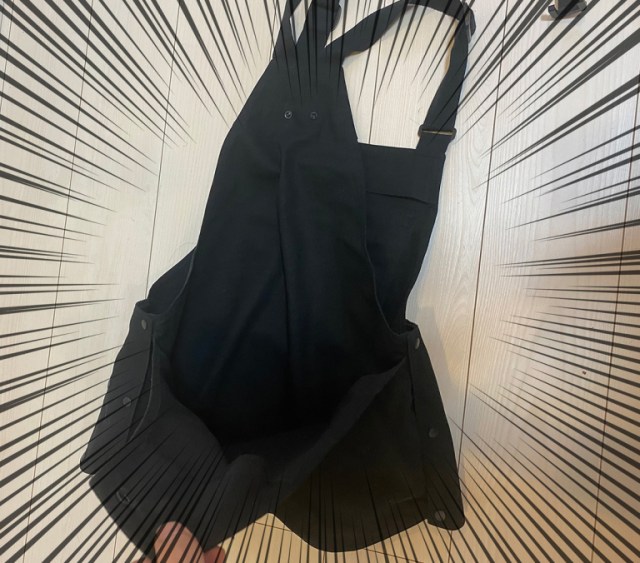
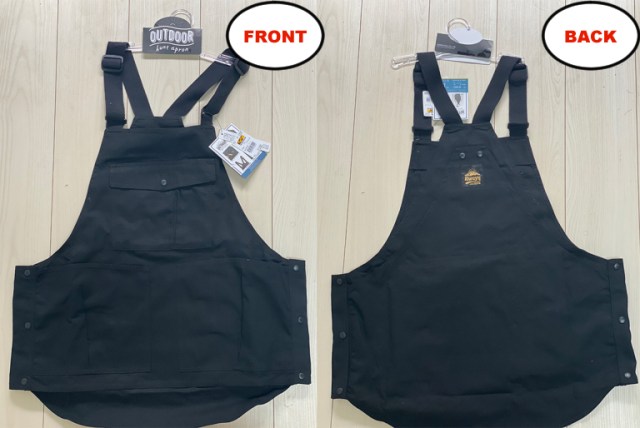
▼ Get a look at all those pockets!

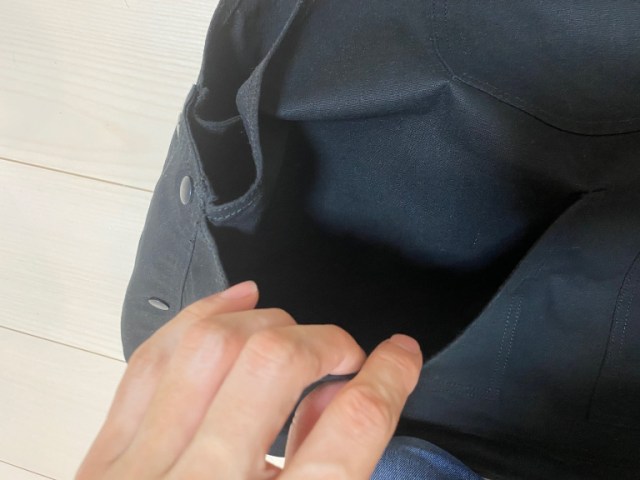
This apron is densely populated with deep pockets in which you can store as many groceries as you might like…well, within reason, anyway. It’s more common in Japan to walk to the grocery store and top-up groceries with small visits throughout the week, and the apron should be more than capable of carrying a small load.

▼ The pockets are satisfyingly deep.

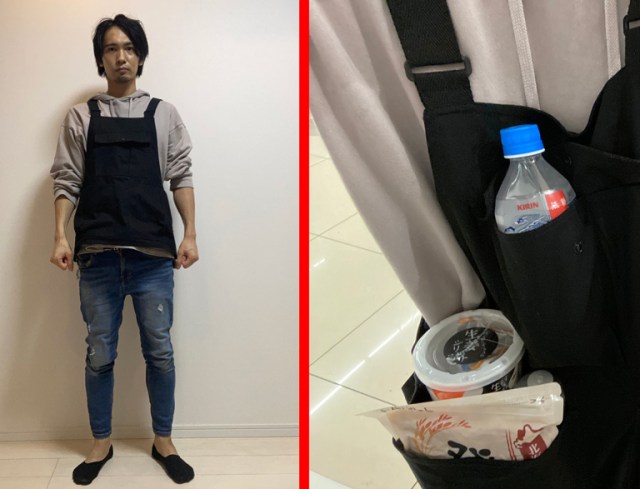
So, it was time for Hirazi to go try his grocery apron out in the field. First of all, he wanted to check how fashionable he looked in it — this was the main reason he chose an apron over an eco tote bag, after all.

Yeah, that’s a look, all right. Where have we seen that fashionable overall style before? On the walkways of Alexander McQueen? Perhaps on the streets of London, Milan, Paris?

▼ Oh, no, he just looks like a clerk in a home improvement store.

Don’t despair, fashionistas. This is nothing a cool leather jacket and a pair of flashy shades can’t fix.

▼ Cool and environmentally conscious!

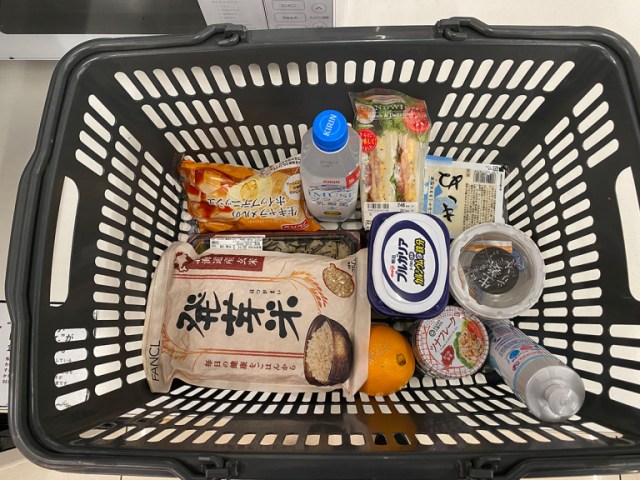
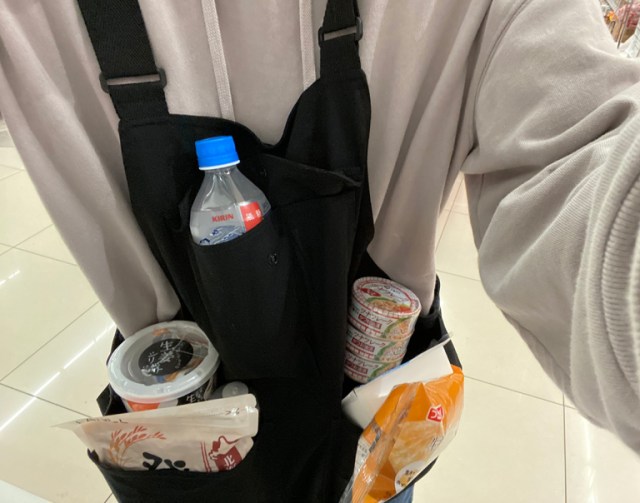
Off Hanzi went to his local Seiyu supermarket. He decided to just buy his ordinary groceries, rather than flashy products for the sake of a spicy article. SoraNews24 is a place of journalistic integrity! So here is what Hanzi bought, and ultimately had to squirrel away in his apron like an animal storing food for the winter.

  • A…plastic bottle of water
  • One kilogram (35.27 ounces) bag of brown rice
  • Cup of instant soup
  • Caramel and whipped cream sweet bread
  • Yogurt
  • Three cans of tuna
  • Tofu
  • One tangerine
  • Bottle of dish soap
  • One small packaged bento meal

Now, to fit it all into his apron.

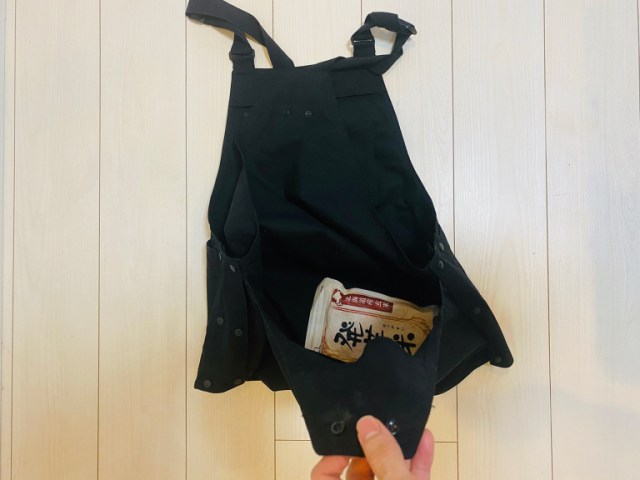
Ultimately, Hanzi managed to get everything into the apron pockets...except the small packaged bento meal. And to be honest, he could have fit that into the pockets as well — but the plastic lids for those bento boxes are notoriously precarious, and hirazi didn’t really feel like picking out bits of rice from the insides of his pockets for the next few months. He chose to carry it home by hand instead.

So far, Hanzi’s verdict was that the apron was a fine substitution for an eco tote bag…so long as you don’t overdo it. The biggest flaw was honestly how difficult it was to walk with so many heavy groceries weighing down the front of the apron. Dejected at how he couldn’t give the apron a sterling recommendation, Hanzi began to remove groceries from the pockets. Then he noticed something!

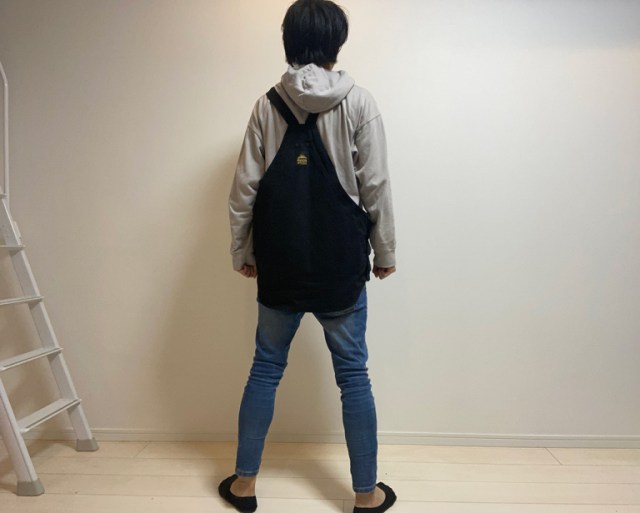
▼ The apron has a gigantic pocket on its back!

He placed the kilogram bag of rice into the back pocket and was surprised by how well it balanced the apron out. In fact, he assumed you might even be able to carry a five-kilogram bag back there! The power of the human torso is truly incredible.

If you’re also in the habit of small and frequent grocery trips, consider purchasing an Outdoor Hunt Apron of your own! Or an eco tote bag. You could just buy an eco tote bag.

Related: Workman Plus – Outdoor Hunt Apron
Images © SoraNews24
● Want to hear about SoraNews24’s latest articles as soon as they’re published? Follow us on Facebook and Twitter!
What happens when a cosplayer takes anniversary bridal photos? Hadokens and Force chokes【Pics】

https://ift.tt/37o4jhv Casey Baseel

”I do…and also Round One, fight!”

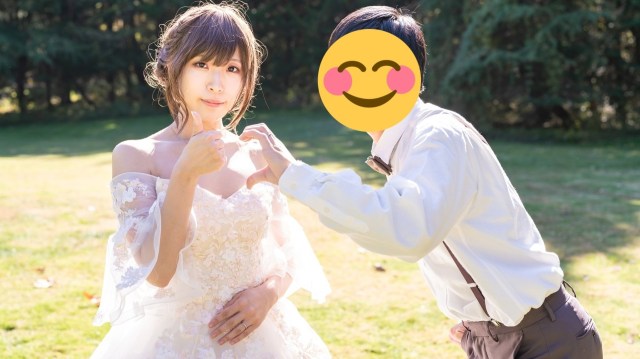
November 22 is known as “Good Spouse Day” in Japan, and this month also marks the 10-year marriage anniversary for Japanese Twitter user @Gin_yotchan and her husband. So the timing felt right for them to splurge on some fancy photography to mark the milestone, sort of a visual renewal of their vows.

So they got dressed up in wedding attire for a photo shoot, and some of the early shots @Gin_yotchan shared made it look like a really special time for the couple.

And it was special…though not exactly in the way most people might expect. Shortly after sharing the above photo, @Gin_yotchan sent out another tweet saying “My muscles are so sore!” That sounds like a strange after-effect from bridal photography, until you see the poses the couple went with.

See, in addition to being a bride, @Gin_yotchan is also a cosplayer, and thus used to some very dynamic shot composition. “It’s impossible for us to take serious pictures without busting up laughing,” @Gin_yotchan explains, which is why their photo shoot included jump kicks, Darth Vader-style force chokes, and even a Street Fighter hadoken.

▼ Or maybe it’s a Dragon Ball kamehameha.

Despite @Gin_yotchan’s claim that they can’t do “serious” photography, the couple looks plenty photogenic even when they’re playing it straight.

▼ …oh, wait, this is actually a callback to the infamous Justin Wong Chun-li friendzone photo.

And the silliness is even set to continue on in the next generation, if this fun-filled family photo is anything to go by.

While it’ll be a bit of a wait, we’re already looking forward to what the couple does to celebrate their 20th anniversary, and in the meantime, it’s always nice to have more reminders of how fun marriage can be when you and your love are operating on the same wavelength.

Source: Twitter/@Gin_yotchan via IT Media
Images: Twitter/@Gin_yotchan
● Want to hear about SoraNews24’s latest articles as soon as they’re published? Follow us on Facebook and Twitter!
Is there any point to holding your chopsticks the “correct” way? Let’s find out【Experiment】

https://ift.tt/2JlqgFF Casey Baseel

After years of using her own style, our Japanese-born reporter finally does what her parents were trying to get her to do all along.

Our Japanese-language reporter Saya was born in Japan and has spent her whole life living here, a life which naturally involves feeding herself. So of course she knows how to use chopsticks…she just doesn’t use them the “right” way.

From an early age, her parents tried to correct her table manners, encouraging her to adopt the orthodox grip for Japan’s traditional eating utensils. Saya resisted, though, until she reached the age where no one can tell her what to do…except for Saya herself.

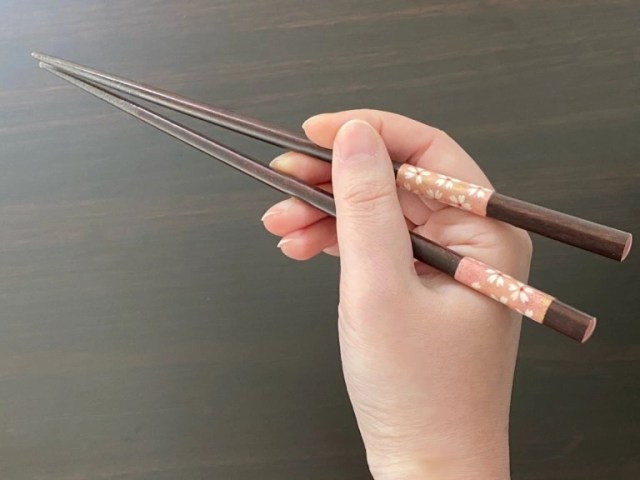
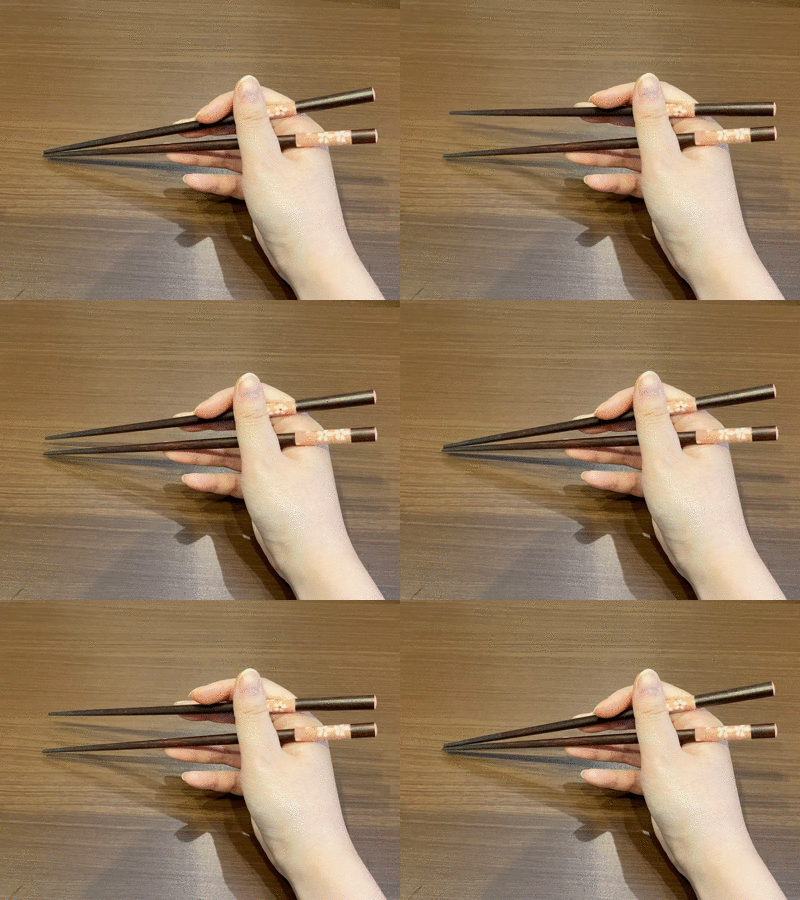
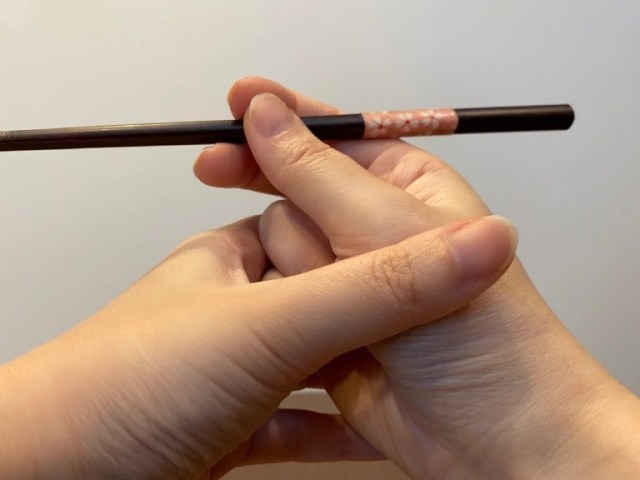
Though it’s been floating around for a while, Saya recently rewatched the YouTube video below, uploaded by a chopsticks store in Fukui Prefecture, which is titled The Correct Way to Hold Chopsticks. According to the video, and classical Japanese etiquette, the proper way to use them is like this:

Saya’s self-developed technique, though, is quite different. Among other things, she holds the top stick lower on her thumb than you’re supposed to, notching it into the joint where the digit’s tip bends.

▼ Saya Style

Figuring the “correct” way to hold chopsticks wouldn’t have gotten that name unless there was something to it, Saya decided to try it for a week and see if there’s any benefit to it.

▼ The start of Saya’s training (cue Rocky theme)

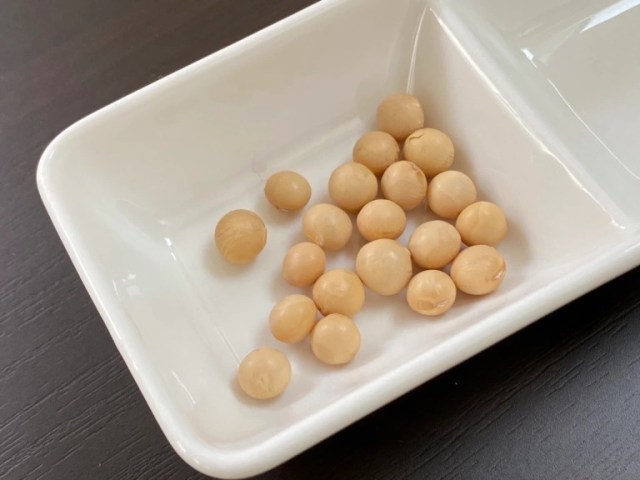
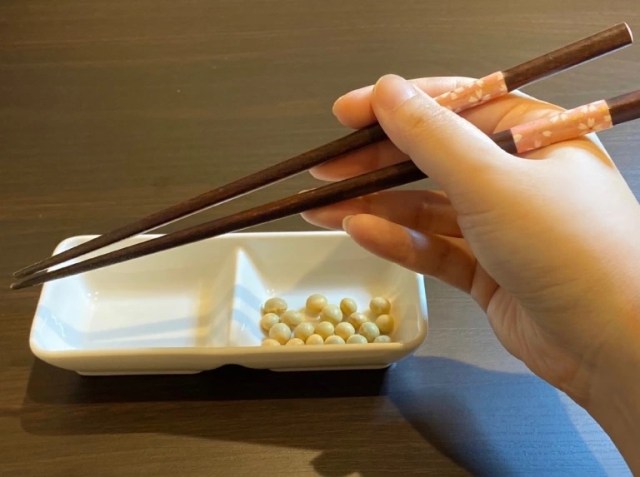
As per the video’s recommendation, after gripping her chopsticks correctly Saya practiced simply grabbing the air 20 times before each meal. Then, to get some sort of measurable performance parameter, she used her chopsticks to transfer 20 soybeans from one side of a divided plate to the other.

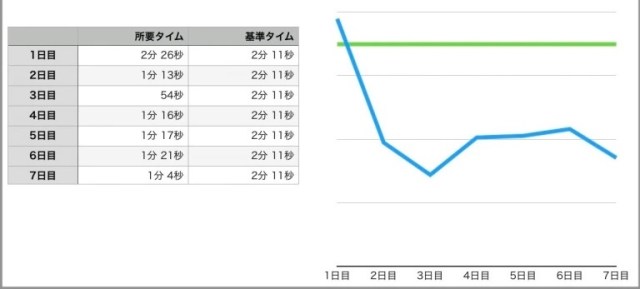
To establish a baseline, she first performed the test using the improper Saya Style, and the task took her 2 minutes and 11 seconds. Then she switched to the correct grip and did it again, and this time she was even slower, with a time of 2 minutes and 26 seconds.

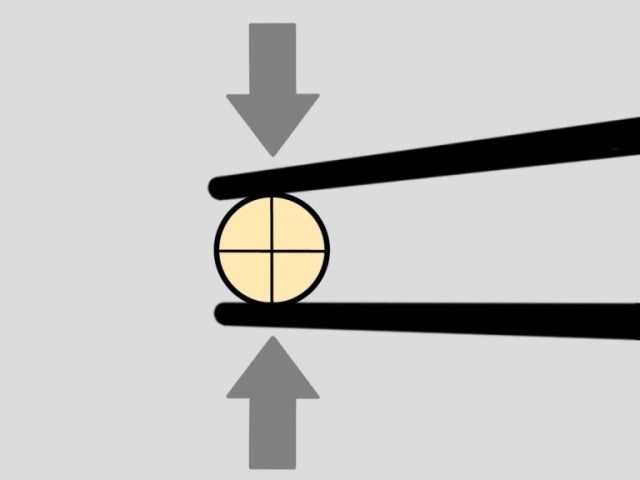
Add in the physical discomfort of using the muscles in her fingers, hand, and wrist in a way that felt unfamiliar to her, and Saya started to wonder what the point was. However, even though moving the beans had taken her longer using the correct grip, she noticed that she was less likely to have a bean squirt out from between her chopsticks after managing to pick it up. The correct grip seemed to equalize the amount of pressure each stick exerted on the bean, and with rounded chopstick tips needing to grip a round morsel, the balanced force coming from above and below helped keep the bean secure.

Seeing the potential in the correct grip, Saya kept at it. Having to consciously tell herself to go against the muscle memory she’d developed over decades of putting food in her face was a tough hurdle, and even when she remembered to do that, physical fatigue would start to set in towards the end of the test, resulting in sloppier form and weaker grip.

▼ Plus there was the added pressure of having to perform in front of the judging eyes of her cat.

But on Day 2, Saya cut her correct grip time exactly in half, completing the test in 1 minute and 13 seconds, almost a full minute faster than she’d managed the day before with her Saya Style grip!

Her personal best came on Day 3, when she broke the one-minute barrier with a time of 54 seconds, and aside from her very first test, she never took more than a 1 minute 21 seconds, with her Day 7 time being a very respectable 1 minute 4 seconds.

▼ Saya’s time charts (Saya Style baseline in green, day-by-day correct grip results in blue)

It’s worth keeping in mind that Saya is far from the only Japanese person who doesn’t normally use the correct chopstick grip. It’s not like they made that video specifically for her and her alone, and even public broadcaster NHK recently referred to the grip shown in the video as merely the “traditional” way.

Still, there are sticklers for old-school etiquette who’ll be impressed if you use the grip, and even if you’re unconcerned with what anyone else thinks, it looks like the correct/traditional way to use chopsticks is also the fast way to use them.

Photos ©SoraNews24
● Want to hear about SoraNews24’s latest articles as soon as they’re published? Follow us on Facebook and Twitter!
Mr. Sato tries out ‘the Life Ruiner’, a wearable kotatsu – will it ruin his life?

https://ift.tt/2JjLlQZ Katie Pask

Now you can feel the irresistable warmth of a kotatsu whenever you want, so say goodbye to productivity.

Winter is well and truly on its way here in Japan, and that can mean only one thing – kotatsu! The low heated tables are a hit with everyone when the days start to turn cold, as there’s nothing better than settling down under the kotatsu, ready for a long evening of doing absolutely nothing. Pure bliss.

But kotatsu, while absolutely one of the best things about winter in Japan, are not without their limits. While we certainly wish we could spend all our lives comfortably lounging around under the heated table, there are times when you have to – heaven forfend – get out from under your kotatsu. Wouldn’t it be great if you could be surrounded by the gentle embrace of the kotatsu’s warmth, no matter what you were doing? If such a thing were to exist, surely that would be it for humankind. No one would get anything done; everyone would be too busy lounging around, basking in the loving comfort that kotatsu bring.

Well, actually, no, as such an item already exists. Made by Japanese company Thanko, the ‘Kotatsu for One’ (also known by some as the ‘Life Ruiner‘) is so popular that it completely sold out online within days.

Luckily for us, we already know a man who, even without the aid of a kotatsu, is perpetually a smoking hottie: SoraNews24’s very own Mr. Sato. Mr. Sato had managed to get his hands on the Life Ruiner, as some were still in stock in certain shops in Akihabara. Keen to test it out, he brought it home and set it up immediately.

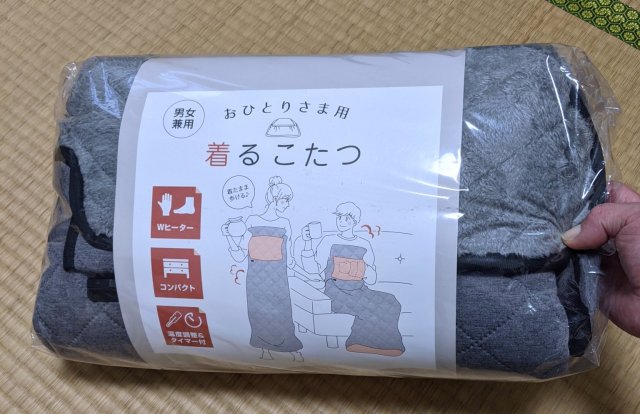
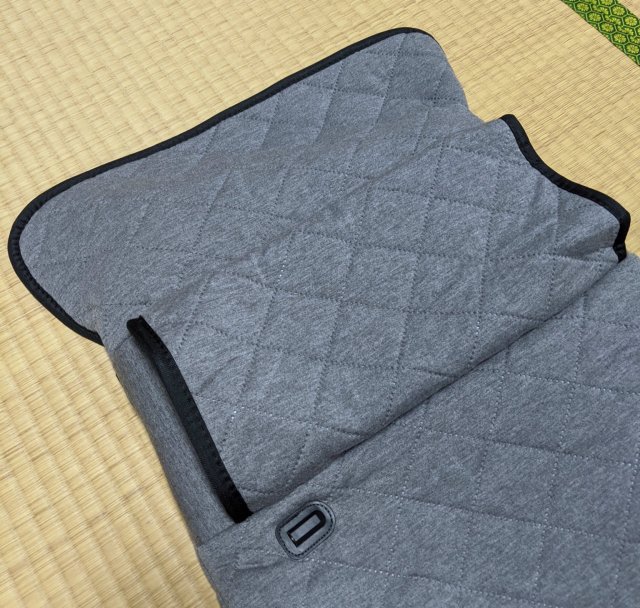
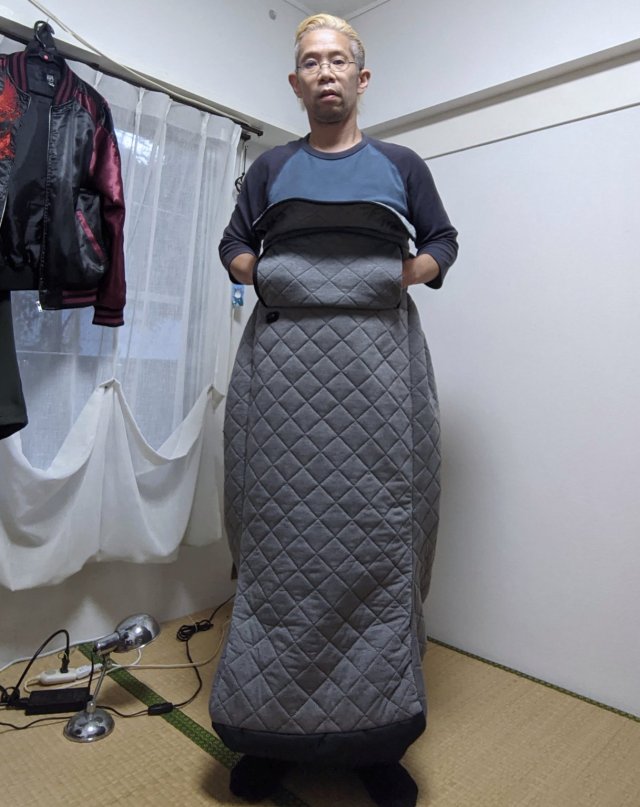
▼ Thanko’s ‘Kotatsu for One’ (8,980 yen [US$86])

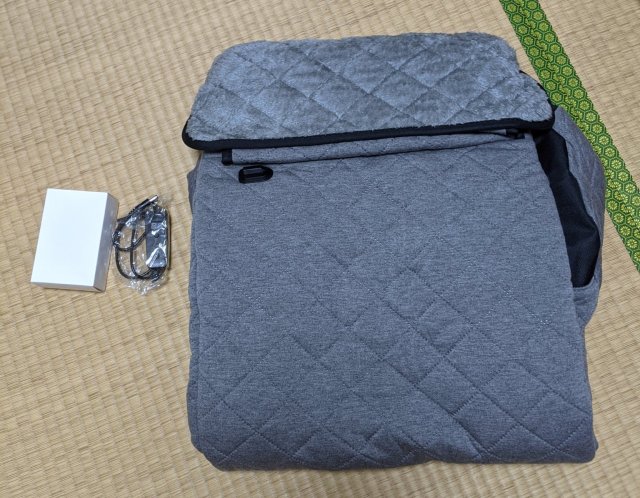
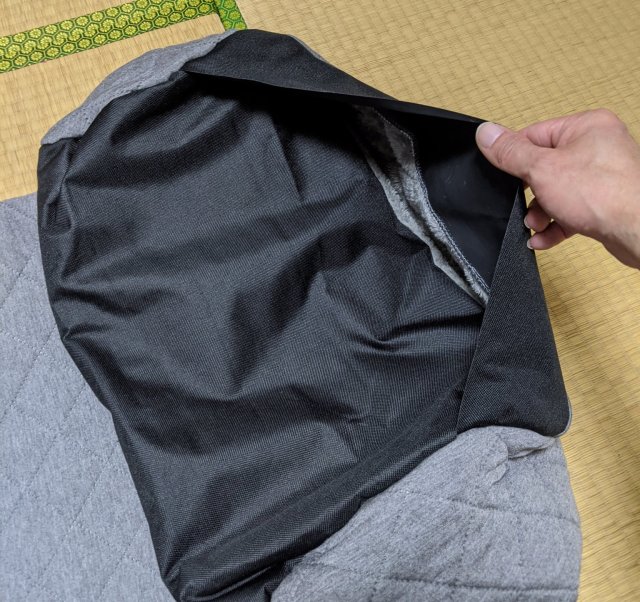
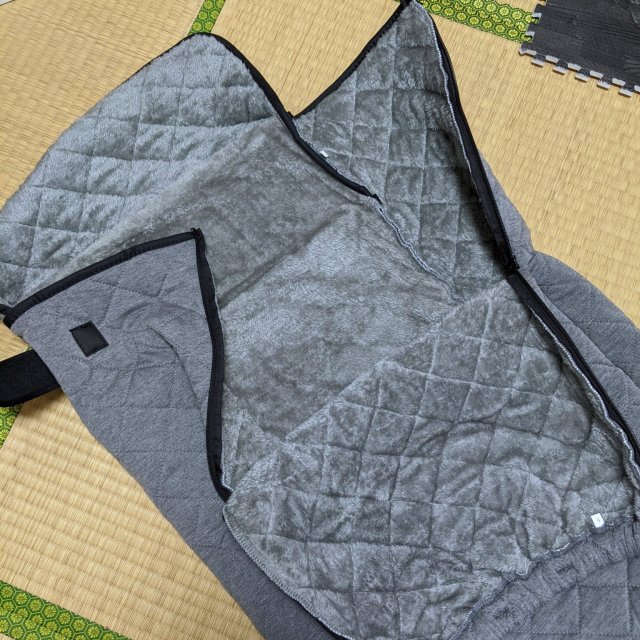
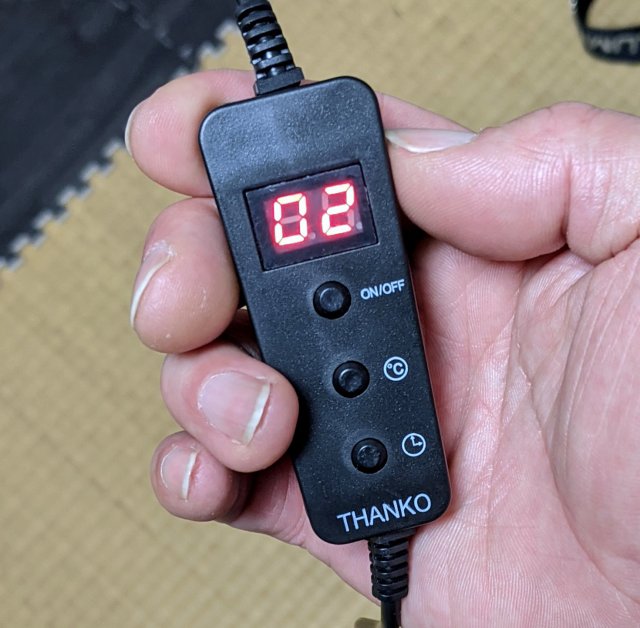
The Kotatsu for One kit consists of a wearable kotatsu, an adapter and a remote control to set the temperature. The kotatsu itself is almost like a sleeping bag, at 129 centimeters (4 feet 2 inches) in length. For most adult males, Mr. Sato reckons, it will come up to around your chest. Two heaters are built into the inner lining of the kotatsu, with one around the upper pocket area and the other near your feet.

If, for some reason, you need to move around whilst wearing your kotatsu, fear not! There are gaps near the bottom of the kotatsu for you to stick your feet out of.

The inside of the kotatsu is made of a soft, furry fabric, so even without turning the kotatsu on you can keep nice and toasty!

The Life Ruiner can be enjoyed at three temperatures – around 35, 45 and 55 degrees Celsius (95, 113 and 131 degrees Fahrenheit). And don’t worry if you get so comfortable that you forget to turn your kotatsu off – it can be set on a timer, up to 90 minutes long. The kotatsu will automatically turn off after 90 minutes have passed, too. After all, you need to return to normal society at some point.

But we all know what you came here to see – SoraNews24’s verified hunk Mr. Sato in the Life Ruiner. Would the bringer of heat, the Kotatsu for One, make the already stunning Mr. Sato even more sizzling?!

▼ We’ll leave that up to you to decide.

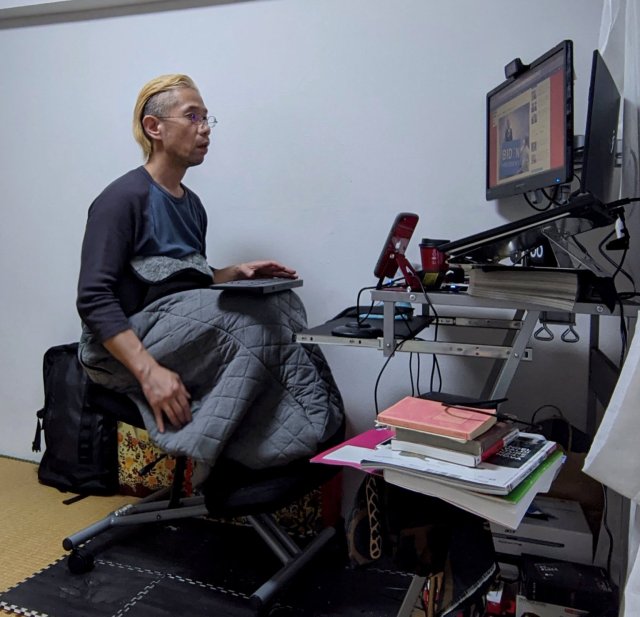
While results on the increase in Mr. Sato’s hotness barometer are still pending, how would the Life Ruiner affect his productivity levels? Mr. Sato is an internationally renowned writer and a hard worker at that, but as everyone knows, once you get into the kotatsu, you can say goodbye to getting anything done other than watching Netflix and eating oranges. What would the Life Ruiner mean for Mr. Sato and his work? Surely once he’d started getting into his writing zone, he’d have to take the Life Ruiner off?

The Life Ruiner meant Mr. Sato could work comfortably without feeling the bitter cold, his body and legs toasty and warm. Was this it? Was Mr. Sato doomed to spend the rest of his life in the Life Ruiner? No longer would he do normal things, like sleep in a bed, or change his clothes. He would live out the rest of his days here, writing for SoraNews24, trapped in the toasty embrace of the Life Ruiner.

… or so he thought, until he realised he needed to go and pee. As warm and toasty and perfect as the Life Ruiner appeared to be, it was not toilet-friendly. Probably for the best, Mr. Sato mused, as if it were toilet compatible then there would really be no reason to ever take it off, so in the end a little inconvenience worked out better in the long run.

And so Mr. Sato barely escaped the Life Ruiner’s clutches and returned to normal society once more.

If you think you can stand up to the tempting lure of the Life Ruiner’s siren song, Mr. Sato recommends buying one ASAP. They appear to be back in stock on the Thanko website, so pop one in your shopping cart and get ready to descend into heated heaven. Alternatively, you can make your own kotatsu with this stick-on heater.

Related: Thanko ‘Kotatsu for One’
Photos © SoraNews24
● Want to hear about SoraNews24’s latest articles as soon as they’re published? Follow us on Facebook and Twitter!
Fashion magazine Egg’s 2020 Japanese Buzzword Awards are here to bring out your inner teen

https://ift.tt/2Vf3qlo Krista Rogers

The number one pick is derived from the lyrics of a song that’s sung in neither Japanese nor English. 

Alongside Japan’s annual Kanji of the Year selection, we always look forward to the various year-end lists detailing the trendiest Japanese buzzwords of the year. Part of the fun is to channel our inner teenagers to see just how attuned we are to the slang of today’s youth, but we inevitably end up lamenting the years that have taken their toll on our linguistic hipness.

Fashion magazine Egg, which hit the scene back in 1995 and became the premier guide for all the latest in Japanese street fashions and subcultures, recently released the results of their 2020 Buzzword Awards. The ten picks were selected after compiling results from 5,000 survey takers including Egg models, street models featured in the magazine, and Egg followers. This year, the words were overwhelmingly derived from and diffused through social media influencers including YouTubers and TikTokers.

Let’s see how familiar you are with the trendiest Japanese slang terms of this past year!
Egg models count down the top picks

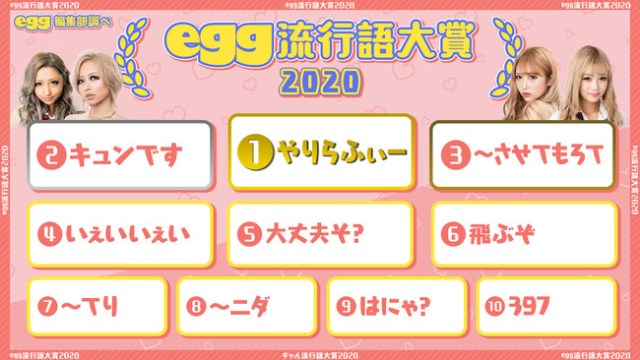
▼ The winners in Japanese

10. 397 (397)

In Japanese, the numbers 3-9-7 can be read as san-kyu-na, which sounds like an informal way of “hey, thanks” (サンキューな ) in Japanese (borrowed from the English) and is much faster to text. Just be sure to use it among close pals only–it isn’t appropriate to use with anyone older or of a higher status.

9. Hanya? (はにゃ?)

This one’s a cute interjection used when the speaker doesn’t know something or wants to play dumb. “Hanya? What do you mean Demon Slayer: Kimetsu no Yaiba the Movie: Mugen Train is now the third highest-grossing film ever in Japan?

▼ Come to think of it, Nezuko often makes a puzzled hanya? kind of face.

 8. ~nida (~ニダ)

Just like Japanese, the Korean language employs a number of different politeness levels that affect the formation of individual words. One such verb suffix used in super-polite deferential language contains ~nida at the end. Perhaps because it’s easily distinguishable even to those who don’t speak Korean, Japanese youth have adopted this suffix to add a Korean flair to any Japanese word. Ironically, the most polite form has now become a colloquialism in the process!

7. ~teri (~てり)

This structure is a corruption of the standard Japanese ~(shi)teru, a continuous verb form which indicates that someone is in the process of doing something. According to Japanese youth, why end your sentences with ru when ri sounds cuter? Test it out with a friend and see how you feel–ask them Nani shiteri? (“What are you doing?”) and maybe they’ll reply Gohan tabeteri (“I’m eating”).

6. Tobu zo (飛ぶぞ)

You know that feeling when something is so out-of-this-world delicious that you can’t even contain your excitement and imagine yourself blasting off on a gastronomic high? That’s the kind of situation that calls for tobu zo (“I’m gonna fly away”).

Interestingly, the use of the phrase was popularized by Riki Choshu, a retired professional wrestler who used it while eating some delicious scallops on a TV show in what is now an infamous video clip. While his visible reaction may have been a bit underwhelming, his choice of phrasing is now one for the record books.

▼ Listen for tobu zo at the 0:08 mark

5. Daijobu so? (大丈夫そ?)

This one’s a variation of Daijobu kana?, which is a soft way of asking “Are you okay?” E.g. “You just tried that new giant water bug gin? Daijobu so?”

4. Yeyyey (いぇいいぇい)

Just like in English, you can use this interjection when you and your friends are really excited about something. In Japanese it’s also become common to use it in place of kanpai when saying “cheers.”

3. ~sasete morote (~させてもろて)

There must be something really alluring to Japanese teens about trading one sound for another to make it “cuter.” This grammatical structure is a corruption of the standard Japanese ~sasete moratte which is tacked on to the end of a verb when asking someone else to do something for you. In the context of high school students, think of your romantic crush pleading to “study” together while using this phrasing and whether you’d have the willpower to resist.

2. Kyun desu (キュンです)

Kyunkyun in Japanese is a kind of onomatopoeia that refers to a sudden beating of the heart or the state of being choked up with emotion. Kyun, followed by the polite copula desu, is now used in combination to denote any such swoonworthy situation. The expression exploded in popularity after a song called “Poketto kara kyun desu” by Hirame was featured in an ever-expanding collection of TikTok videos including this one from a heartthrob fisherman. Also important–don’t forget to make finger hearts while you’re saying it!

▼ TikToks set to “Poketto kara kyun desu” by Hirame

1. Yarirafi~ (やりらふぃ〜)

At its core, this term refers to an energetic person who enjoys going to parties or the club, but it can also refer to a particular kind of fashion involving articles of clothing such as skinny jeans and tight T-shirts. Japanese youth use the phrase as a Twitter hashtag or in Instagram stories to describe any of the above. However, what’s most bizarre is the actual origin of the phrase from the upbeat Norwegian dance song “Chernobyl 2017” by Meland x Hauken (feat. Benjamin Beats). This song went viral at many high schools in Japan and its popularity only grew as more and more students filmed themselves dancing to it in TikTok videos.

The lyric in question is actually “Jeg vil at vi” which is sung at the beginning of each chorus. Apparently that phrase sounded like yarirafi~ to Japanese ears and has now taken on this whole new set of slang meanings half a world apart.

▼ Do you hear yarirafi~ at the 0:35 mark like a Japanese speaker? Also, check out the number of video comments in Japanese!

Does this ranking make you feel kyun desu? Or does it leave you scratching your head with a hanya? One thing’s for sure–Japanese youth are forces of nature when it comes to coining new expressions and we can’t wait to see what wacky linguistic expressions they come up with next.

Source: PR Times, YouTube/egg Channel
Images: PR Times
● Want to hear about SoraNews24’s latest articles as soon as they’re published? Follow us on Facebook and Twitter!