Páginas

jueves, 29 de septiembre de 2022

The cool secret hidden in Tokyo Metro pillars at Ginza station

https://ift.tt/7D2x09X Oona McGee

Subtle design details make the station and its passengers feel much more calm and pleasant.

If you haven’t noticed, we’re mad about Japanese design. Everywhere you go in Japan, you’re bound to come across clever design features and fine details here and there that make the everyday world just that little bit nicer and easier to navigate.

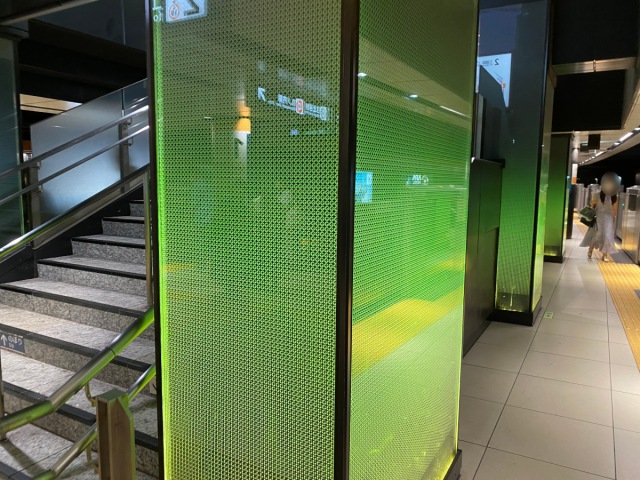
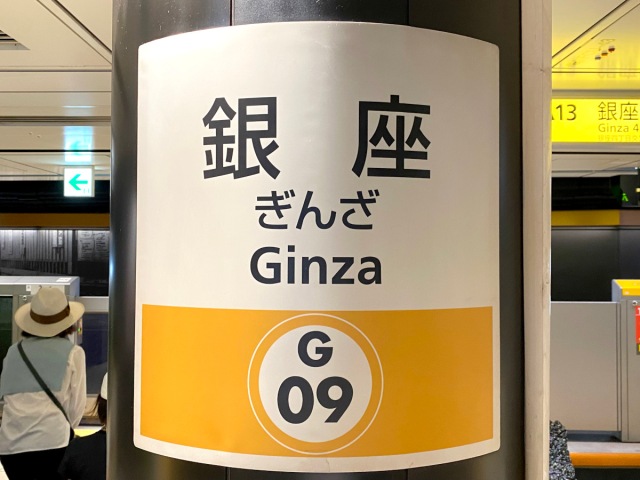
So when we came across a new series of pillars at Ginza Station, a subway station that first opened in 1934 and recently underwent renovations, we stepped closer for a more in-depth look.

▼ Ginza Station is home to three lines: The Ginza Line, Marunouchi Line, and Hibiya Line (the Yurakucho line runs at nearby Ginza-itchome Station).
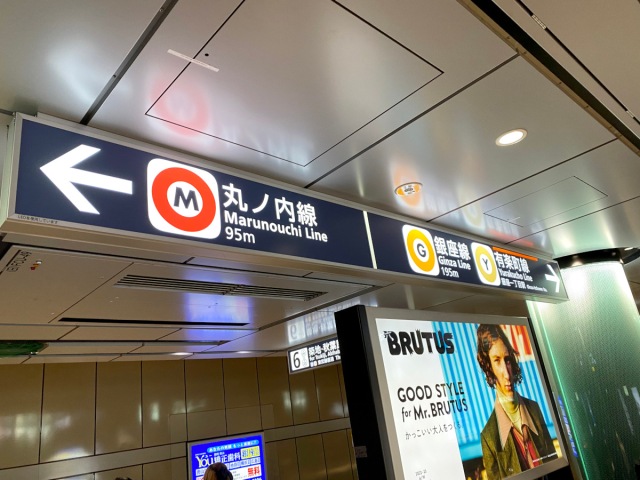
Ginza is known for its high-end fashion boutiques, where even the storefronts and streets look fashionable. The new pillars at Ginza Station now match the fashionable look of the area, with on-trend colours and gradated hues.
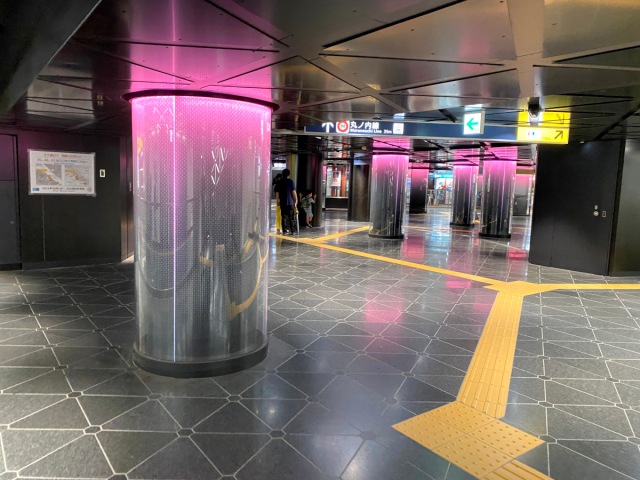
Its easy to walk by these pillars without giving them a closer look, but it’s worth doing so, as that’s where you’ll find a clever example of thoughtful design.
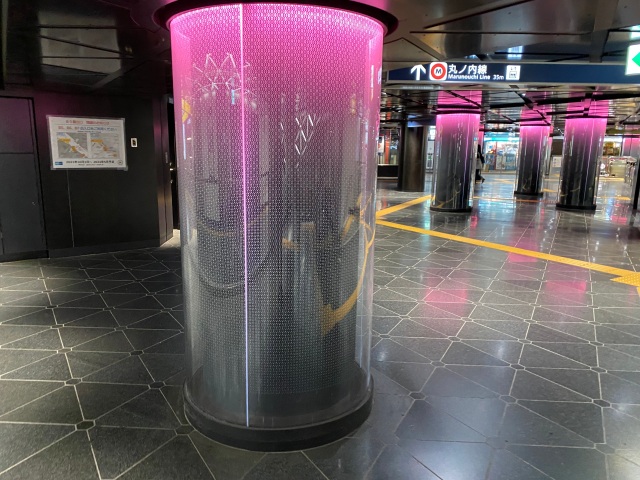
▼ Hidden in the design is the letter “M“…for Marunouchi!

▼ What about the aqua green pillar?
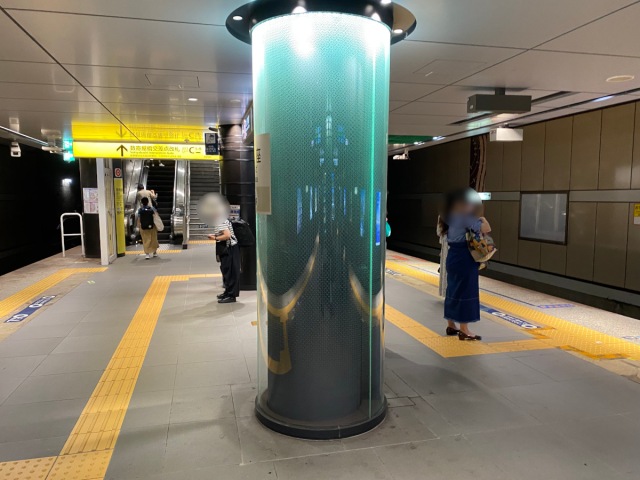
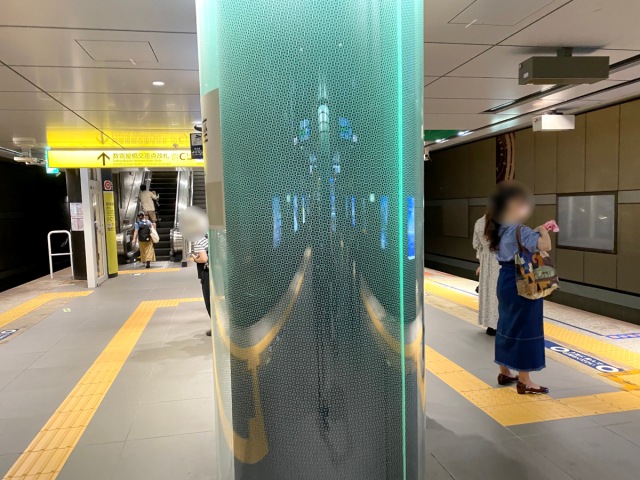
▼ The letter “H“…for Hibiya!

▼ And the yellow-green pillar?

▼ “G” for Ginza!

By incorporating the first letter of each line into the design, the pillars pay homage to the larger encircled letter that appears along their respective routes.
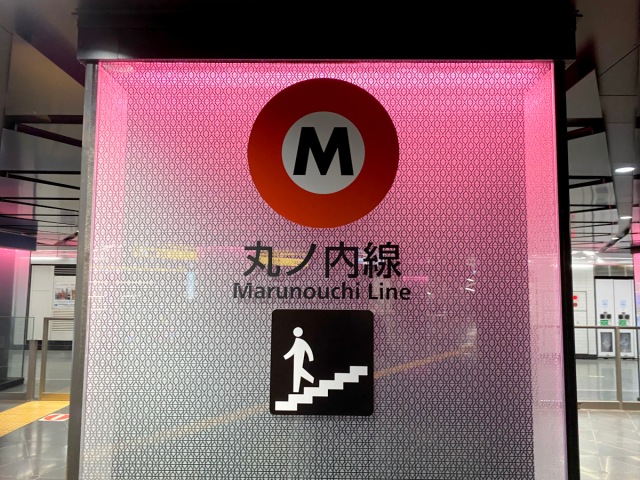
While some people might turn their nose up at seemingly inconsequential design details like these, for us, these understated features are exactly what makes Japan so…Japanese.

The team behind the station revamp could’ve gone in all sorts of directions when choosing the design for these pillars, even opting to just make them plain, gradated colours. But by pushing the envelope to explore new ideas, the result is a design feature that not only makes the station feel important, it makes the people who use the station feel important too. 

And isn’t that how we’d all like to be treated by the services we use every day? When transport operators go to great lengths to make station environments feel calm and pleasant, it has a positive effect on passengers, who then treat the service with respect, even keeping one side of the stairs dry when it rains, resulting in a win-win for everyone.

Photos © SoraNews24
● Want to hear about SoraNews24’s latest articles as soon as they’re published? Follow us on Facebook and Twitter!

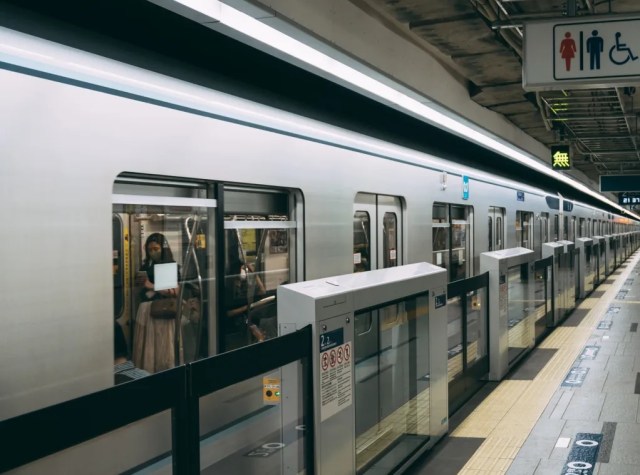
Tokyo Metro adds platform display showing where least crowded parts of the next train will be

https://ift.tt/zISgT7m Casey Baseel

Test program could help Tokyo commuters go from crazy crowded commutes to simply very crowded commutes.

At rush hour, you can pretty much expect every subway train in downtown Tokyo to be crowded. Even on a crowded train, though, not every car is going to be equally crowded.

Wouldn’t it be more comfortable for everyone to spread out as much as possible, resulting in an even distribution of people between the cars? Sure, but there’s more to it than that. Some people might be riding in a certain car because when the train stops at their destination, that car is the closest one to the exit they plan to take. Or maybe an especially large number of people happened to hop into the same section of the train at a particular station, and that car is now too crowded for them to squirm their way to a different one.

So all else equal, if you’re standing on the platform waiting for a train, ideally you want to know where the least crowded cars are going to be, so you can get on the train there. Luckily, there’s a way to do just that, thanks to a new notification system from Tokyo Metro.

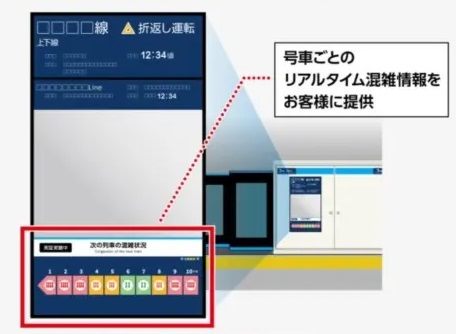
A number of Tokyo Metro stations now have automated platform gates with video display screens on them. All that Tokyo Metro needs to do is use those screens to show how crowded each of the cars are on the next arriving train, so that the people who’ll be getting on can pick the least crowded ones.

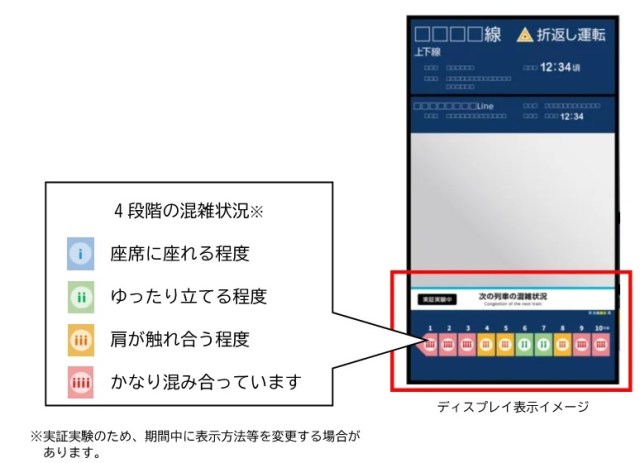
The display uses a four-level color-coded scale, starting with blue (car has empty seats) and progressing to green (no empty seats, but relatively uncrowded), orange (standing only, shoulders will be in contact with others’), and red (very crowded).

To do all that, Tokyo Metro will use platform-mounted depth-sensing cameras to perform a visual check of the train and feed that information to an A.I. program, which calculates the crowdedness rating and passes the result on to the display at the next station. The company will also be using passenger survey responses to help with fine-tuning.

Congestion displays went into service on Wednesday at Waseda Station on the Tozai Line, specifically on the platform for eastbound trains, as part of a test program. It’s a smart choice for a test site. The stop before Waseda is Takadanobaba Station, a transfer station that connects to both the Yamanote downtown loop train line and the Seibu Shinjuku train line which links downtown Tokyo and residential neighborhoods to the west, as does the Tozai Line itself. Every weekday morning Tozai trains headed east are packed with students on their way to Waseda University and office workers who’ll continue farther down the line to Tokyo’s financial district, so anything that can make commutes smoother would be a plus.

The test will continue until the end of March, traditionally the end of the business year in Japan, and if it works well we might be seeing crowdedness displays on other Tokyo Metro platforms in the near future.

Source: PR Times
Top image: Pakutaso
Insert images: PR Times
● Want to hear about SoraNews24’s latest articles as soon as they’re published? Follow us on Facebook and Twitter!
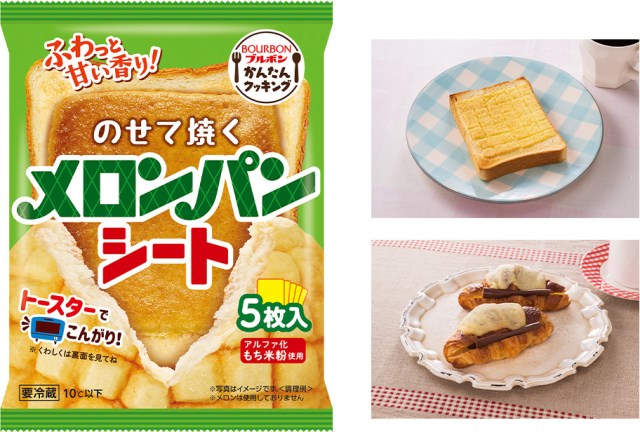
Japan’s new Melon Pan slices: Simply pop them on bread and heat and eat

https://ift.tt/8WlVEzO Oona McGee

Making Japanese melon bread at home is now easier than ever before!

We’re always looking for fast and easy cooking hacks to help us out in the kitchen, and now we’ve found one that makes all our Melon Pan dreams come true, thanks to Niigata-based confectionery and snack company Bourbon.

They’ve created the “Melon Pan Sheet“, with the word “sheet” referring not to a cover that belongs on a bed, but a cover that belongs on a slice of bread, much like a slice of cheese. These new sheets, or slices, are said to contain all the crispy, sugary, melony-flavours that usually adorn the outside of a melon bread, and they’re a cinch to use.

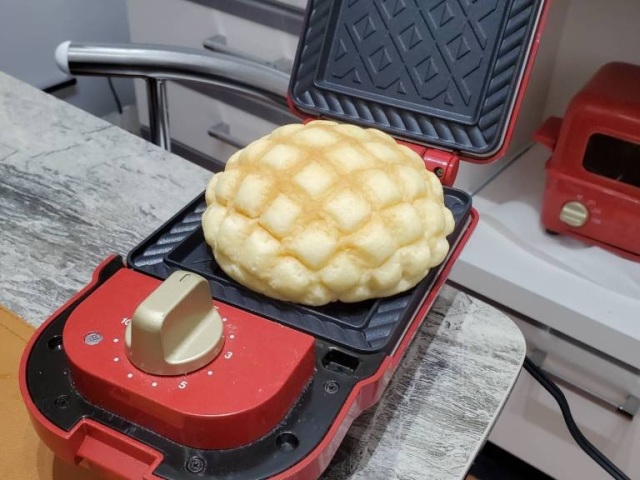
▼ A traditional-looking Melon Pan — before we did the unthinkable and grilled it in a sandwich maker.

Simply place a Melon Pan slice on a piece of bread and heat it in an oven toaster until golden. Then it’s ready to eat!

▼ The instructions really are as simple as described on the pack: のせて焼く (“nosete yaku”) “Put it on and grill”.

There are five sheets to a pack, all containing an instant form of glutinous rice flour, which likely helps the slice to puff and expand slightly after heating, as seen in the images above. This will no doubt add a crispy yet chewy texture to the bread, to give it the same mouthfeel as the round melon pan we’re used to eating.

Of course, you don’t have to use the sheet on a slice of bread — you can pop it on all sorts of things like buns, rolls, and pastries to add a taste of melon to anything you fancy, much in the same way you can use the spreadable melon pan tubes and tubs.

Unlike the spreadable melon pan, however, the new slices don’t require a knife or any spreading. It’s never been easier to make your own melon pan at home, and we don’t have to wait too long for it, as it’ll be sold at stores nationwide from 1 October.

Source, Images: @Press
● Want to hear about SoraNews24’s latest articles as soon as they’re published? Follow us on Facebook and Twitter!
A beautiful, bittersweet interspecies anime romance that’s also an instant noodle commercial【Vid】

https://ift.tt/DkAh9Ol Casey Baseel

Kitsune udon and kitsune girl star in the latest gorgeous anime video from Nissin.

After passing his college entrance exams, a young man moves from the Japanese countryside to Tokyo. But the most populous city in Japan can be a lonely place, and months after starting university he hasn’t made any close friends or found a girlfriend.

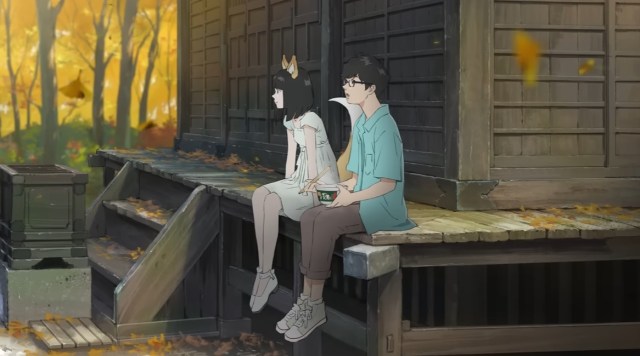
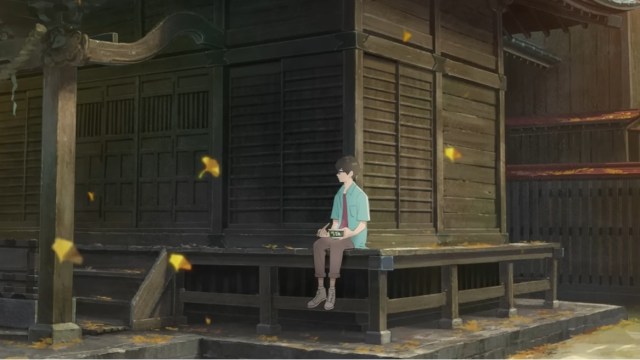
So when vacation comes up, he’s not going to parties or on dates, but instead goes back to his hometown. Even there he’s sort of a loner, spending an afternoon by himself at a forested Shinto shrine…until he has a chance encounter with a mysterious and beautiful stranger that just might change his life forever.

It sounds like the premise of a heartstring-pulling anime romance, and it is. But it’s also the premise for the latest stylishly sentimental ad from instant noodle maker Nissin.

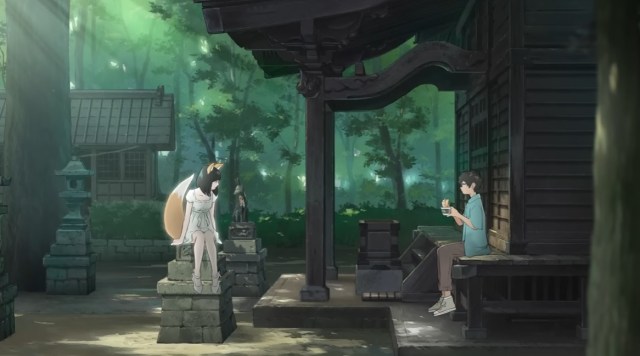
Though they’re best known for their Cup Noodle instant ramen, Nissin also makes a popular line of instant udon and soba noodles called Donbei. One of Donbei’s biggest sellers is kitsune udon, udon with a piece of fried tofu in the broth. By itself, though, kitsune is the Japanese word for “fox,” which is why after the video starts with a scene of the college student eating kitsune udon, he meets a fox girl. She gives her name as Dongitsune, and when the student asks how long she’s been there at the shrine without him noticing, she says, “From a long time ago.”

Though she winces when he takes a bite of his fried tofu, the girl tells him not to worry about it, and we next see them out and about at the local festival. Dongitsune has changed into a yukata, and there’s a sense of romance in the air as they watch fireworks and catch goldfish together.

But eventually the student is going to have to go back to Tokyo, something underscored by the falling of the autumn leaves as the pair once again sits, now side by side, at the shrine.

“Dongitsune, let’s go to the fall festival together again next year,” he starts to say, but when he turns towards her…

…she’s nowhere to be seen.

The ending isn’t entirely bittersweet, though (which makes sense, as kitsune udon is really more of a salty/savory dish). As the video comes to a close, sharp-eyed viewers will notice there’s now one more fox statue in the shrine than there was in the previous scenes, so it seems like Dongitsune isn’t gone for good.

If the visuals seem somehow familiar, there are two possible explanations. First, the character designs are by manga illustrator Eisaku Kubonouchi, who also produced amazing anime ads for Nissin featuring high school-age versions of Kiki (of Kiki’s Delivery Service fame) and the One Piece Straw Hat Pirates. Alternatively, the anime short’s bespectacled young man and fox girl are modeled after actor Gen Hoshino and actress Riho Yoshioka, who have appeared in several live-action ads for Donbei.

Seeing as how Nissin’s previous collaborations with Kubonouchi were multi-video projects, hopefully this isn’t the last we’ll see of this burgeoning romance. Who knows, maybe Dongitsune will pay the student a visit in Tokyo this winter, so that he won’t need to make use of Donbei’s guide for how to spend Christmas Eve alone.

Source: YouTube/日清食品グループ公式チャンネル, Nissin
Top image: YouTube/日清食品グループ公式チャンネル
● Want to hear about SoraNews24’s latest articles as soon as they’re published? Follow us on Facebook and Twitter!
Fly-through video of Sailor Moon Museum exhibit shows what’s waiting for fans in Tokyo【Video】

https://ift.tt/qsueVl9 Casey Baseel

Exhibit enters its second phase, which will still be open when Japan reopens to international tourism.

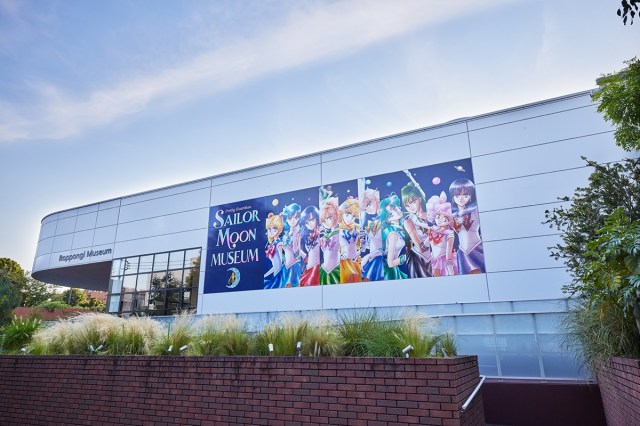
Back in July, the Sailor Moon Museum exhibit, hosted at Tokyo’s Roppongi Museum, opened. Given the long history of the franchise and its wealth of memorable artwork, the initial focus was on Sailor Moon’s first two story arcs, but this month the exhibition entered its “Volume 2” phase, which shifts the focus to the third and fourth, when the final Sailor Senshi join the cast.

The changeover to Volume 2 took place on September 10, and the exhibit’s management provided a peek at what’s new by releasing a few promotional stills of the 60 pieces of artwork that have been added to the display lineup.

But they’re also giving fans a much more dramatic preview with a video walkthrough…or, to be more precise, a video flythrough made by piloting a drone through the exhibit.

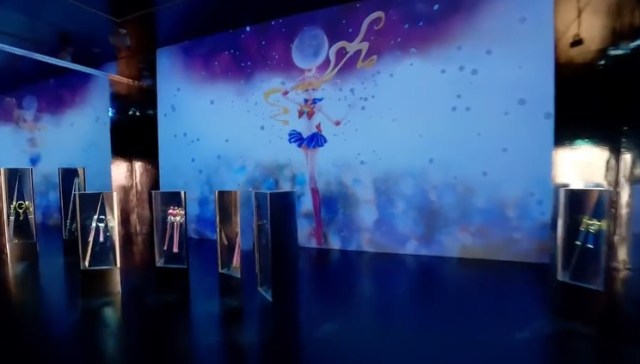
The video starts in the treetops outside the building, before the drone drops down and swoops through the entrance, across the lobby, and into the first room of the exhibit, with a mural of Sailor Moon standing tall behind an array of her transformation items and other magical regalia.

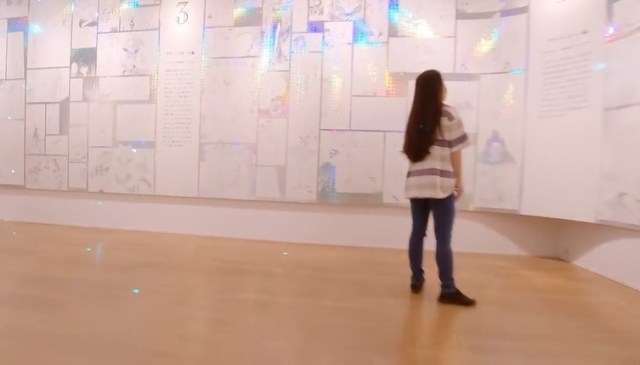
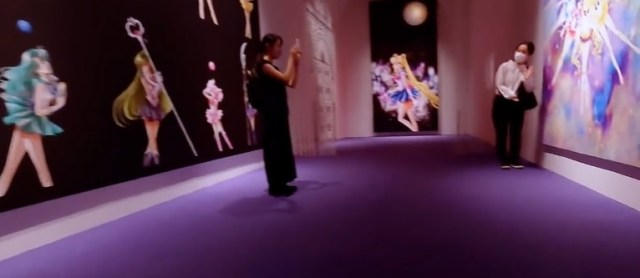
The next areas on the flightpath are hallways covered in artwork, first of black-and-white illustrations from creator Naoko Takeuchi’s original manga, and then the brightly colored anime adaptation.

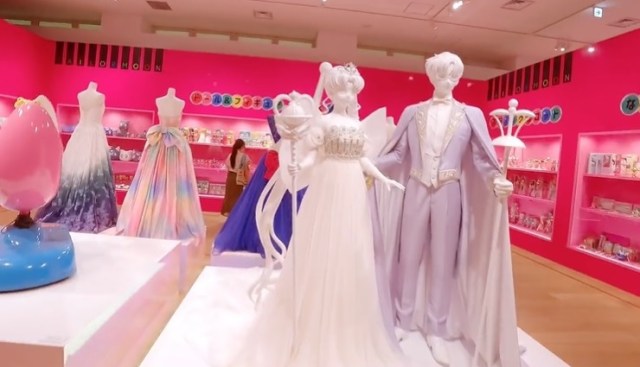
Other notable works of Sailor art we fly by include the Sailor Moon wedding dress collection

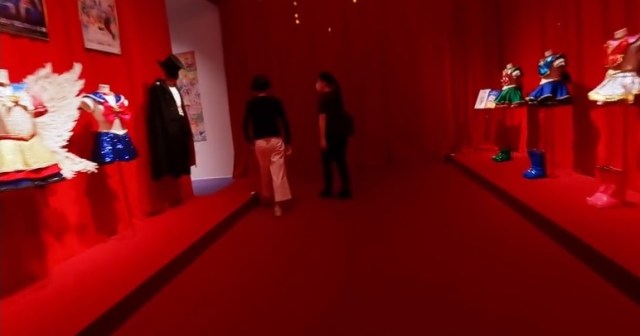
…costumes from Tokyo’s live stage show Sailor Moon restaurant (which, sadly, has not survived the pandemic)…

…and a hall of Sailor Senshi portraits where it appears guests are allowed to take commemorative photos with the magical girls.

Of course, with any anime event going on in Japan these days, the question that comes up is “Will foreign fans be able to go?” Thankfully Volume 2 of the Sailor Moon Museum event will run until November 6, so it’ll still be going on when Japan reopens to unrestricted international tourism next month, and even after that, there are going to be Volumes 3 and 4, with the exhibition as a whole continuing until December 30.

Related: Sailor Moon Museum official website
Source: Twitter/@sailormoon_ex
Top image: Sailor Moon Museum official website
Insert images: Sailor Moon Museum official website, Twitter/@sailormoon_ex
● Want to hear about SoraNews24’s latest articles as soon as they’re published? Follow us on Facebook and Twitter!
miércoles, 28 de septiembre de 2022

All-ages Catbus, real-world Spirited Away office part of new Studio Ghibli museum exhibit【Photos】

https://ift.tt/OTPnQhm Casey Baseel

If you can’t get one of the limited number of Ghibli Park tickets, the Ghibli Exhibition will still give you a taste of the magic.

There’s both good news and bad news for Ghibli fans this fall. The good news is that Ghibli Park, the theme park dedicated to the studio’s acclaimed anime films, is on schedule to open on November 1. The bad news is that the daily attendance caps mean that it’s probably going to be very hard to secure a ticket, especially a three-zone pass that’ll let you see the whole place.

So it’s good to know that fans can also experience some of the coolest parts of Ghibli Park at an alternate site, thanks to the Ghibli Park and Ghibli Exhibition.

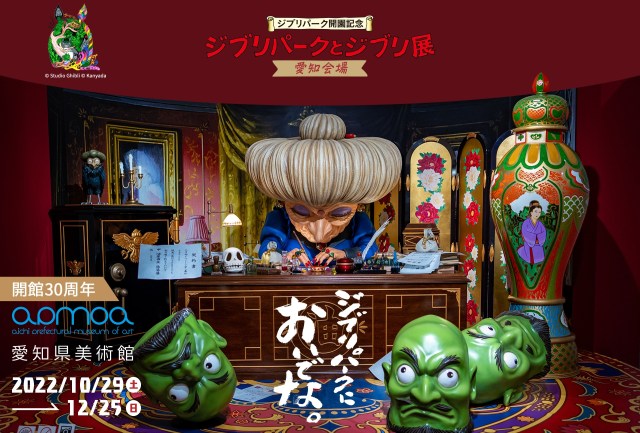
▼ Poster for Ghibli Park and Ghibli Exhibition

The traveling exhibition is making its way to the Aichi Prefectural Museum of Art in Nagoya, the closest major city to Ghibli Park’s location in the town of Nagakute. In addition to design documents and sketches for the park, some of which are being displayed to the public for the first time for the Aichi iteration, the event includes recreations of some of the installations which will be found inside the Ghibli’s Grand Warehouse section of Ghibli Park, such as a real-world version of the witch Yubaba’s office from Spirited Away.

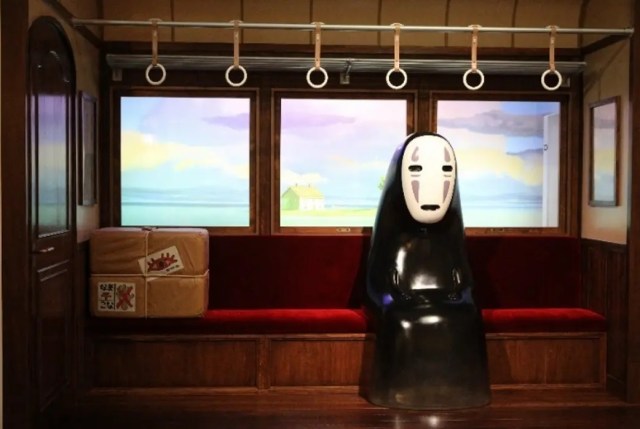
The Grand Warehouse will also include a number of Ghibli’s Famous Scene setups, where guests can insert themselves into a memorable moment from the studio’s anime. The museum exhibition will reproduce what’s sure to be one of the most popular Famous Scenes, allowing guests to take a seat next to No Face on the Sea Railway train and snap a picture with him.

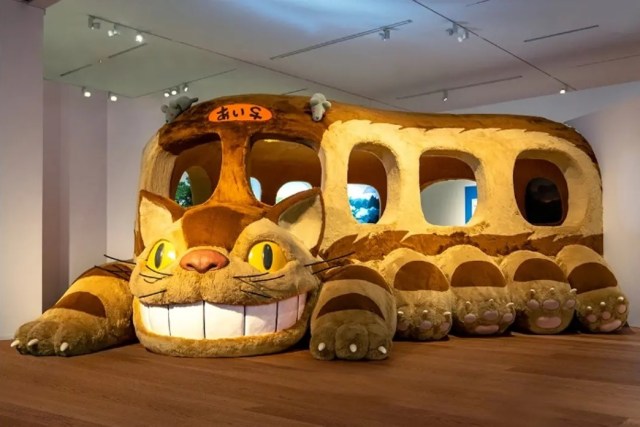
The even bigger transportation-based smiles, though, are likely to come from the Ghibli Park and Ghibli Exhibition’s Catbus. Not only is it full-scale, both children AND adults are allowed inside, unlike the Catbus at Tokyo’s Ghibli Museum which is kids-only.

▼ Linguistics fans, note the flipped-over ち hiragana on the Catbus’ “Aichi” destination marker.

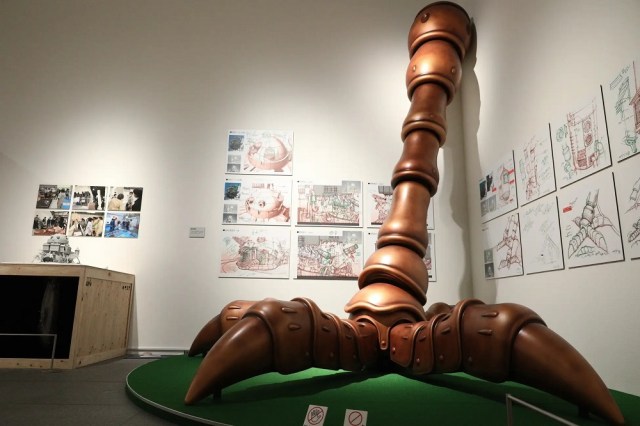
Other highlights of the Ghibli Park and Ghibli Exhibition include a model of the legs for Ghibli Park’s still-under-production Howl’s Moving Castle

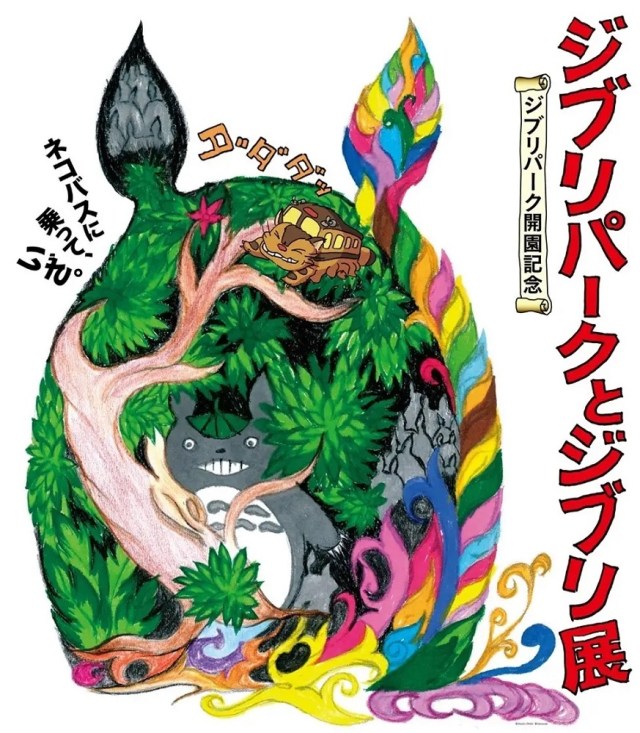
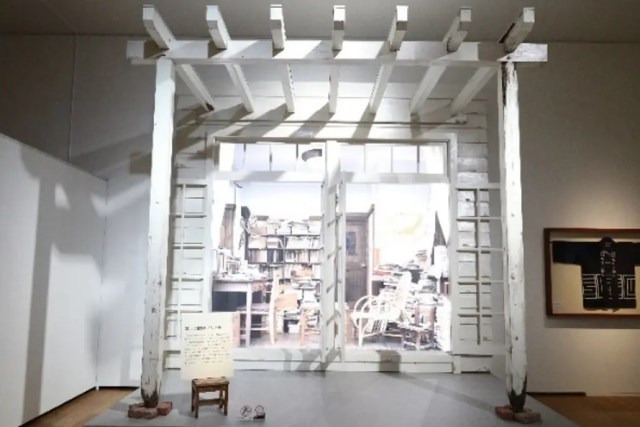
…a photo spot with the pergola of the My Neighbor Totoro house

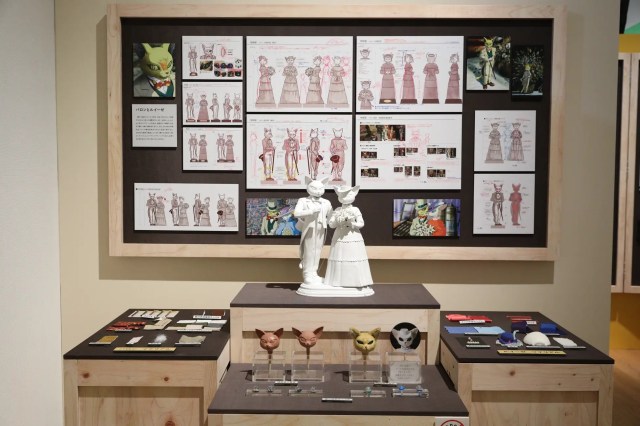
…and a behind-the-scenes look at the making of the Whisper of the Heart Baron statuette that will be found in Ghibli Park’s Hill of Youth area.

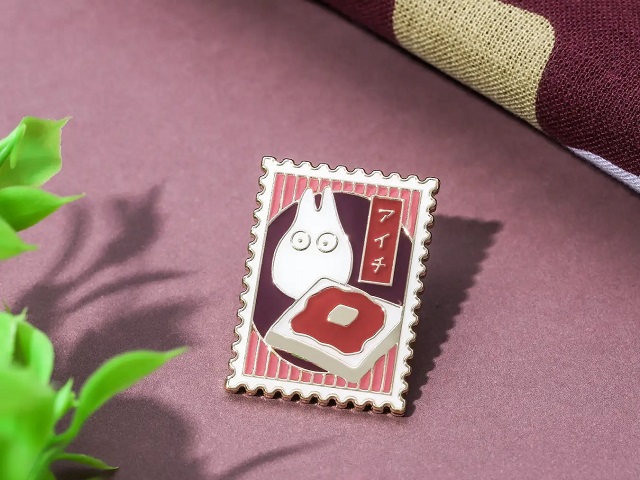
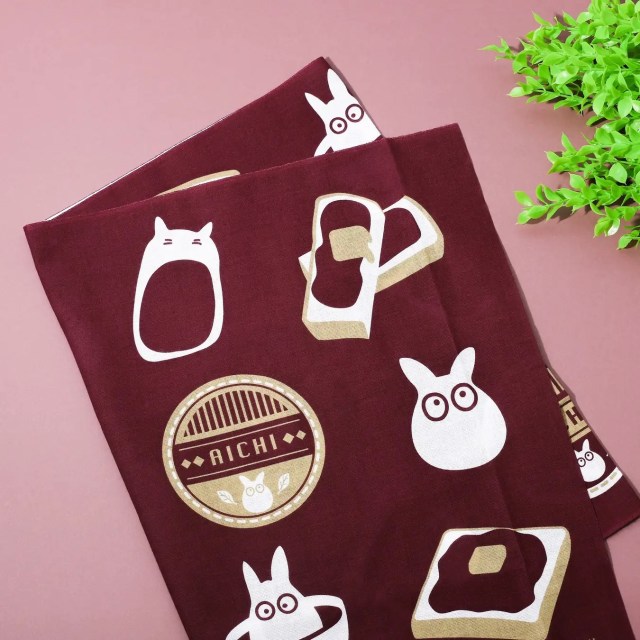
Oh, and naturally there’s exclusive regional merchandise on offer, in the form of pins and furoshiki wrapping cloths featuring a mini white Totoro and slice of ogura (sweet red bean) butter toast, Aichi’s favorite sweet indulgence that’s so tasty some people eat it for breakfast.

Ghibli Park and Ghibli Exhibition Aichi opens on October 29 and runs until December 25.

Even information
Ghibli Park and Ghibli Exhibition / ジブリパークとジブリ展
Venue: Aichi Prefectural Museum of Art / 愛知県美術館
Address: Aichi-ken, Nagoya-shi, Higashi0ku, Higashi Sakura 1-13-2
愛知県名古屋市東区東桜1-13-2
Open 10 a.m.-6 p.m. (10 a.m.-8 p.m. Fridays)
Closed Mondays (except October 31)
Weekday admission: Adults 1,700 yen, college/high school students 1,100 yen, middle/elementary school students 600 yen
Weekend admission: Adults 1,900 yen, college/high school students 1,300 yen, middle/elementary school students 800 yen
Website

Source, images: PR Times
● Want to hear about SoraNews24’s latest articles as soon as they’re published? Follow us on Facebook and Twitter!
What happens when a sweet bun maker teams up with a tonkatsu sandwich specialist?

https://ift.tt/c5PU9ar Oona McGee

You get two very unusual crossover products.

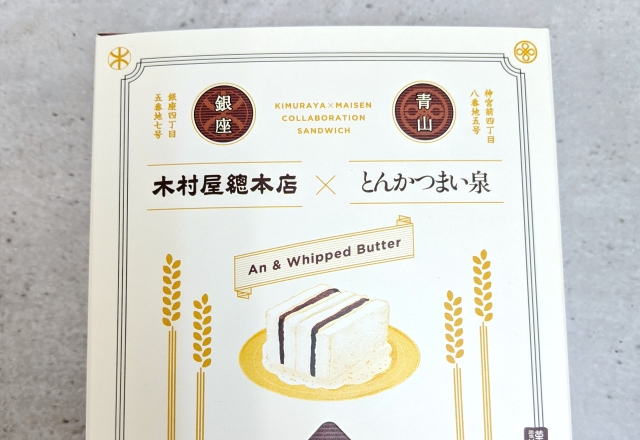
We love a good crossover collaboration in Japan, and for a limited time there’s one currently in play between Maisen, a long-established tonkatsu restaurant founded in 1965, and Kimuraya Sohonten, a long-established bread maker founded in 1869.

If those names sound familiar, that’s because Maisen is famous for its tonkatsu sandwiches, which contain a breaded fried pork cutlet in between two pillowy slices of bread, and Kimuraya is famous for its round buns filled with different types of sweet bean paste, which are so good they supply them to the Imperial household.

So what happens when these two companies join forces and combine their powers? We get Katsu Curry Bread and an An Butter Sandwich.

Both these products were released in limited quantities in a limited area in November last year, but due to their immense popularity, they’ve now returned for a nationwide release from 21 September.

This means more people will be able to enjoy the unique products, and we picked ours up at the Kimuraya store inside the Isetan department store in Shinjuku, Tokyo.

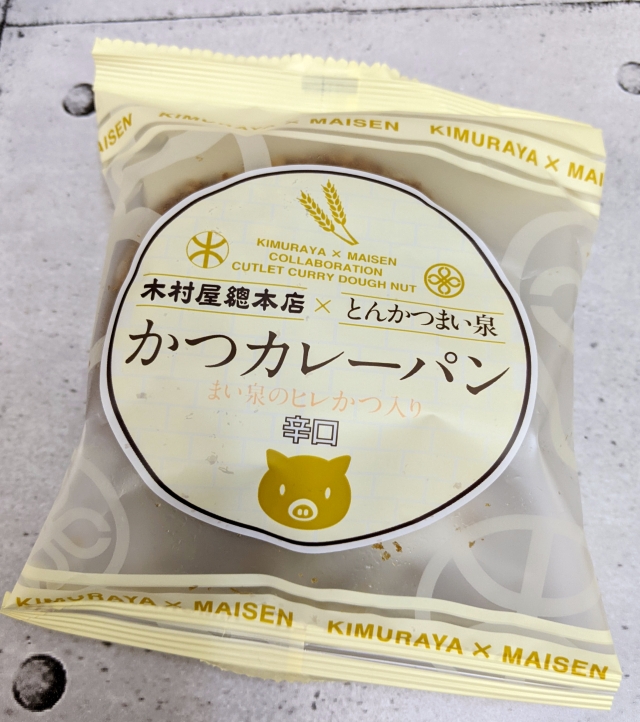
▼ So let’s take a closer look at the two new items, starting with the Katsu Curry Bread, which retails for 352 yen (US$2.44).

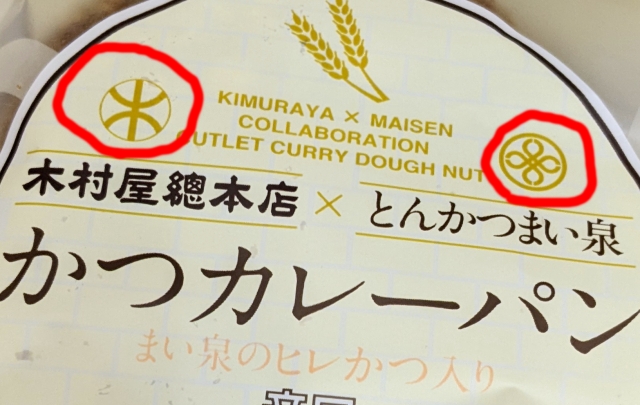
The package contains the names and logos of the two companies, which is an unusual sight in itself, seeing as we’re not used to seeing them side-by-side like this. These are two very esteemed companies that usually keep to their own lanes, so the package itself is enough to attract the attention of anyone who sees it.

▼ Add in the fact that it says “Katsu Curry Bread” in Japanese but “Cutlet Curry Dough Nut” in English, and our interest is sufficiently piqued.

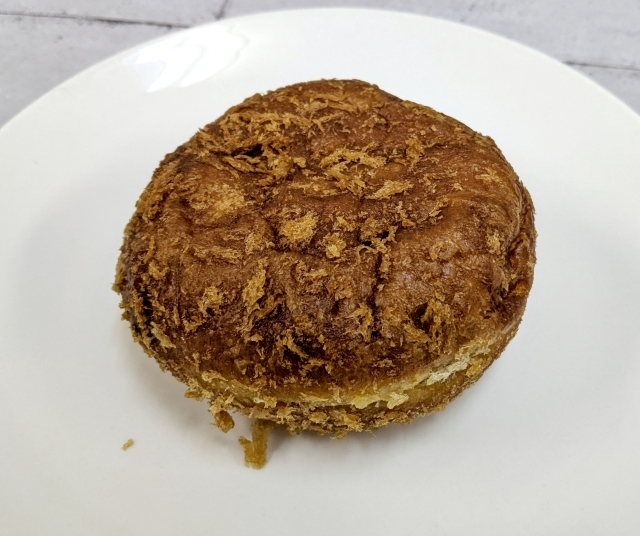
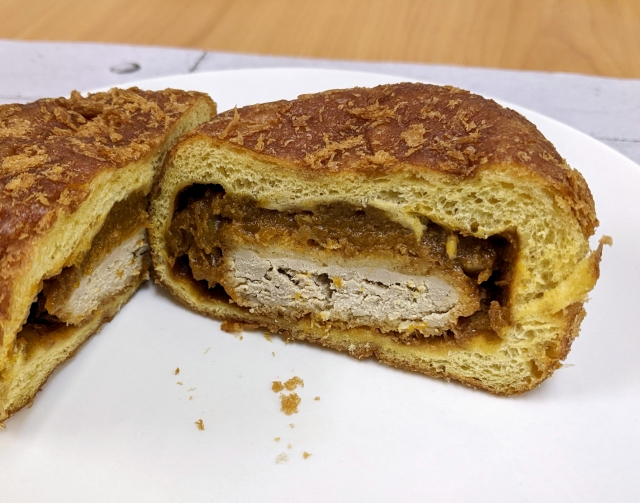
For us, a good curry bread starts with the exterior casing, and when it’s fried with a generous coating of breadcrumbs like this, it’s a sign of good things to come. According to Kimuraya, the creator of this product, the curry bread, or “curry dough nut”, contains their company’s special curry sauce in the filling, along with Maisen’s famous pork cutlet, which is then encased in Kimuraya dough and finished with Maisen’s breadcrumbs.

▼ A true collaboration.

The cutlet inside looks exactly like the ones we usually see in the middle of Maisen’s tonkatsu sandwiches, while the bun has the same airy texture as those you’d get at Kimuraya. While the products looked familiar, eating them together hit us with an unexpected explosion of flavour, with the curry delivering a serious punch of spice.

▼ It was deliciously spicy and amazingly soft — so soft you can cut through the bun with chopsticks.

The only criticism we have with the curry bread is they might’ve done well to dial down the spiciness as some curry bread lovers might prefer a milder filling. We love a spicy filling, though, so we were happy with the bun, and looking forward to discovering what the sandwich had in store for us next.

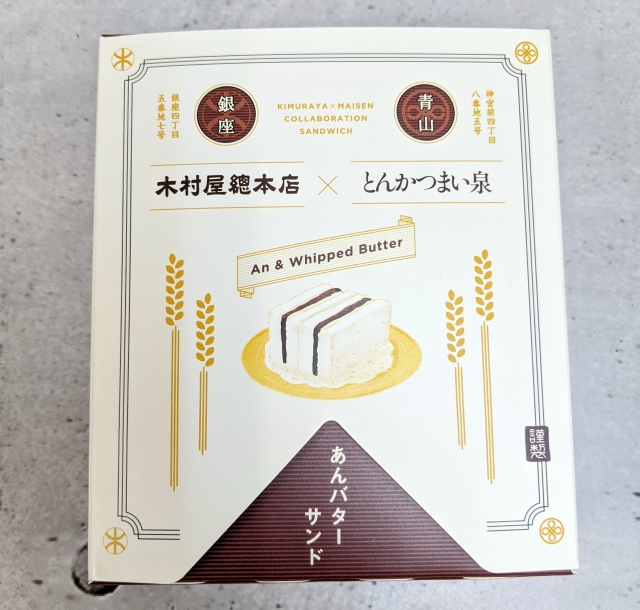
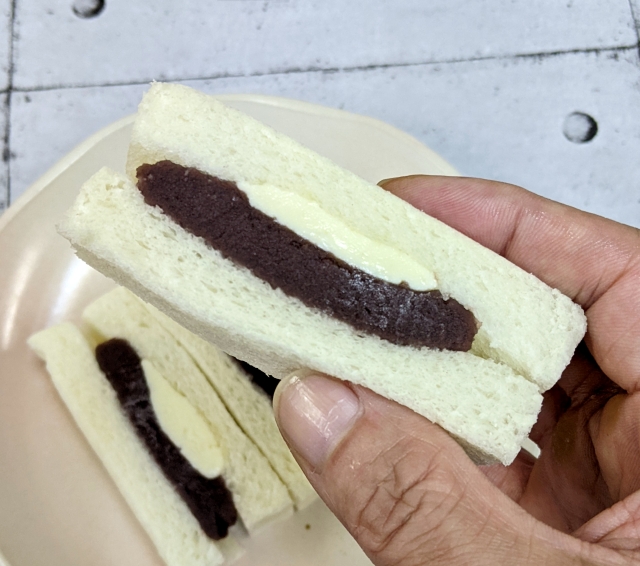
▼ The An Butter Sandwich (340 yen), combines Maisen’s soft white bread with Kimuraya’s “an”, or “bean paste”.

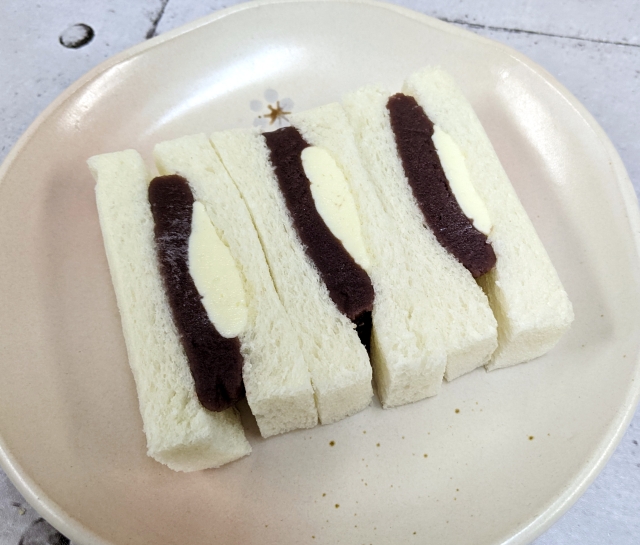
We couldn’t help but smile as we pulled the trio of sandwiches out of the package, as they looked exactly like the ones you get at Maisen, but instead of having a fried cutlet inside them, they were filled with red bean paste and butter!

▼ Mmmm, so much butter…

While the bread here is identical to the ones made by Maisen for their tonkatsu sandwiches, the red bean paste has been specially made by Kimuraya to perfectly complement the flavour of the bread. The product itself has been created by Maisen, who clearly worked closely with Kimuraya during its production, as the red bean paste is sweet and jelly-like, almost like a yokan in its texture and sweetness, which highlights the craftsmanship of the bean bun specialist while taking the soft white bread to new levels of deliciousness.

The An Butter Sandwich is said to be even tastier when lightly grilled in an oven toaster, so definitely give that a try if you get your hands on a pack. Both these products are absolutely delicious, and maintain the high levels of quality we expect from the famous companies behind their creation.

It’s nice to see two esteemed names in the food world come together to combine their powers for the good of our taste buds. Now if only they upsized their products to match the giant proportions of Kimuraya’s limited-edition sakura bun. Wouldn’t that be something!
Store information
Kimuraya Shinjuku Isetan / 木村屋 新宿伊勢丹
Address: Tokyo-to, Shinjuku-ku, Shinjuku 3-14-1 Isetan Shinjuku Main Branch Basement 1F
東京都新宿区新宿3-14-1 伊勢丹新宿本店 地下1階
Open: 10:00 a.m.-8:00 p.m.
Closed: New Year’s Day

All images © SoraNews24
● Want to hear about SoraNews24’s latest articles as soon as they’re published? Follow us on Facebook and Twitter!