Páginas

martes, 29 de junio de 2021

Japanese Mom’s son makes Mario Maker course just for her, easy to clear, impossible to forget【Vid】

https://ift.tt/2Tas75r Casey Baseel

Mom and young son exchange touching messages via Nintendo platformer.

Being a parent is like being a pro athlete, in that sometimes you might have to play through pain. That was the situation Japanese mother and Twitter user @Girrafe24 found herself in recently as she was battling a headache, but her son, who’s in the first year of elementary school, wanted her to check out the Mario Maker level he’d just finished putting together.

“I made a course for you, Mom, so clear it!” @Girrafe24’s son excitedly told her, to which she somewhat begrudgingly agreed. “OK, but I’ve got a headache, so just one time.”

So she grabbed the controller and started the level, and in just a few seconds she was very glad she did.

After a few steps to the right, Mario is on top of a conveyor belt which carries him through the whole level. There aren’t any enemies, tricky jumps, or other dangers to watch out for, because @Girrafe24’s son designed the level so that she could keep her eyes on the giant brick blocks of Japanese text, which spell out まま (“mama”)…
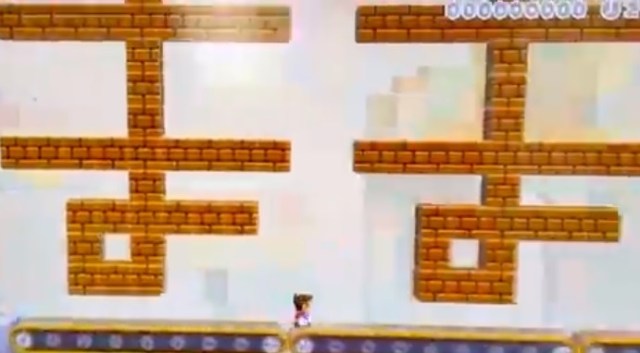
…だい (“dai”)…
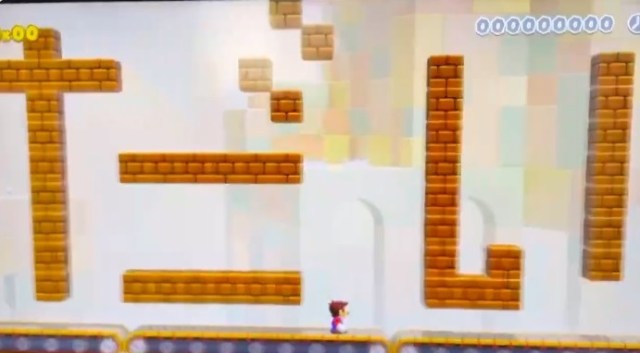
…すき (“suki”)…
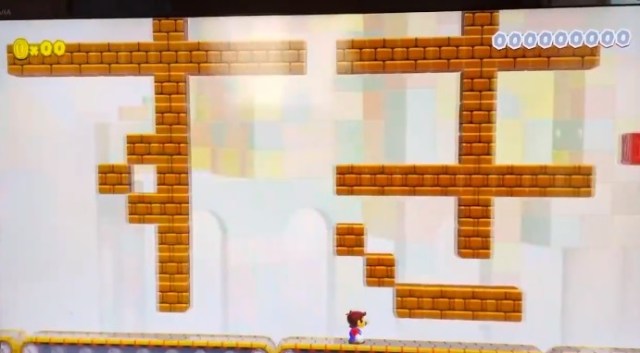
…which together makes…
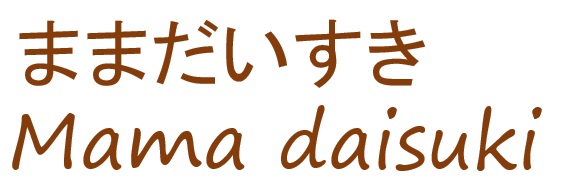
…which translates to…

▼ And that explains the heart at the end.
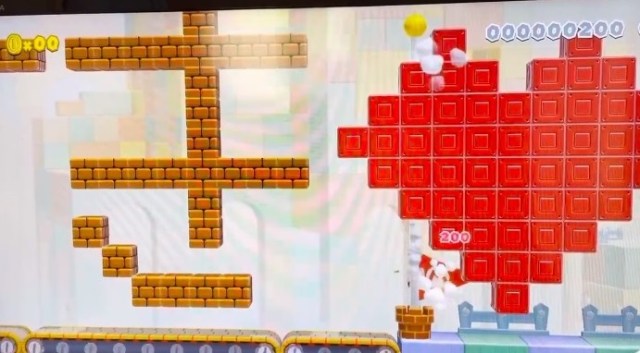
It’s a doubly sweet design, as @Girrafe24’s son, likely knowing that Mom wasn’t feeling her best, created a course layout where she hardly had to do anything strenuous to clear it, only needing to get on the conveyor belt at the start and hop onto the flagpole at the end.

Needless to say, the video has touched the hearts of parents, gamers, and, well, really anyone with a heart to touch, with online reactions including:

“I can feel my eyes welling up with warm tears.”
“Even though your son didn’t write that message for me, it still put a huge smile on my face.”
“So thoughtful of him to set up the conveyors like that.”
“I don’t think I’d ever be able to clear it. I’d keep running back to the start to see the message again and again.”

If you’re impressed that a kid who’s only six or seven years old could put together such a clever course, @Girrafe24 says her son loves watching Mario Maker videos on YouTube, then trying to recreate what he’s seen and make his own modifications. “I’m an elementary school teacher,” says @Girrafe24. “A lot of parents say YouTube has a negative effect on kids’ scholastic abilities, but I tell my son that if he uses it the right way, he can learn things from YouTube,” adding that she thinks the video sharing site can be an effective way to get useful ideas from around the world.

With the video of the course her son made having racked up half a million views and counting, @Girrafe24 wanted to congratulate him, and decided to return the sweet gesture by making a course for her son filled with celebratory gold coins.

After all, the happiest families are the ones where parents and kids alike are always ready to show how much they love and value one another.

Source: Twitter/@Girrafe24 via Hachima Kiko
Top image: Twitter/@Girrafe24
Insert images: Twitter/@Girrafe24, SoraNews24
● Want to hear about SoraNews24’s latest articles as soon as they’re published? Follow us on Facebook and Twitter!

New program lets you rent a house in a coastal Japanese town for less than 200 bucks a month

https://ift.tt/2SE9Ywu Casey Baseel

If you’d rather be closer to the shining sea than the bright lights of the big city, and you’re willing to do some social media posting, this deal is for you.

There’s definitely an appeal to living in one of Japan’s bustling big cities. However, there’s also an undeniable appeal to the more relaxed daily life in the country’s smaller towns, especially one near the coast with nearby beaches, surf spots and fresh local seafood.

So if that sounds like the ideal accommodation for you, you’ll be happy to hear about Hobimo, a new house rental service that recently launched in Japan focusing on properties in seaside towns.

Hobimo currently offers rentals in Chiba, Shizuoka, Yamagata, Hyogo, Kochi, and Miyazaki Prefectures, and is looking to add locations in Kanagawa and Tokushima soon. The homes aren’t super fancy, but their cozy, rustic vibe should mesh well with the laid-back lifestyle of the communities in which they’re found.

But the most amazing thing is the cost. Each property can be used for up to 30 days at a cost of just 40,000 yen (US$363), which includes utilities. Add in the fact that you’re allowed to share the rental with one other person, and the per-person price drops to just 20,000 yen for each of you if you’ve got a travel companion.

And even that isn’t the rock-bottom price Hobimo is offering. The company is currently recruiting “monitors,” a term used in Japan for people who try out a company’s service and give feedback interviews and, in this case, make social media posts about it. Hobimo is looking for 10 monitor groups (up to two people each) to stay in their properties in Chiba for three months, during which they’ll be charged just 20,000 yen monthly for the house.

Applications for the monitor program can be made online here, while a complete list of currently available properties can be found here.

Source: Hobimo, Waval
Top image: Hobimo
Insert images: Hobimo (1, 2, 3, 4)
● Want to hear about SoraNews24’s latest articles as soon as they’re published? Follow us on Facebook and Twitter!
Uniqlo and anime director Mamoru Hosoda team up for awesome new T-shirt line【Photos】

https://ift.tt/3qApXbp Casey Baseel

Collection comes just in time to celebrate the opening of Hosoda’s newest anime movie.

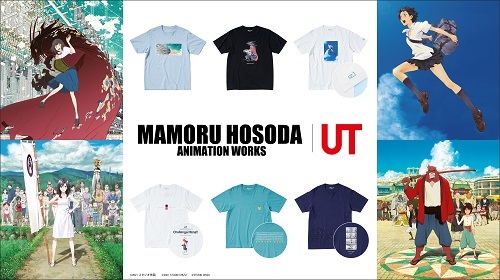
Fans of Mamoru Hosoda already had something to get excited about next month with the premiere of his newest film Belle, Ryu to Sobakasu no Hime (The Dragon and the Freckled Princess), as it’s titled in Japan. But now Hosoda fans have a second thing to look forward to in July, as Uniqlo has announced a new T-shirt line based on the anime director’s works.

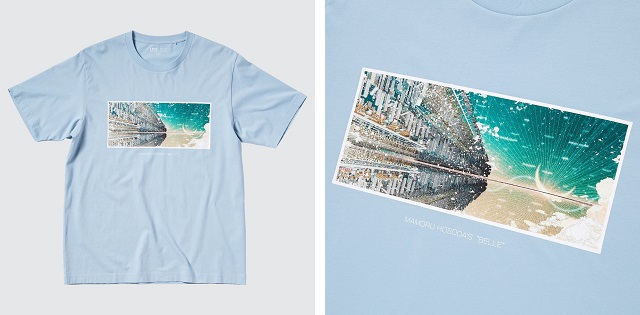
Naturally the lineup includes a salute to Belle, with this design that shows off some of the environmental design work for the film’s setting of U, the latest of Hosoda’s in-anime virtual worlds.

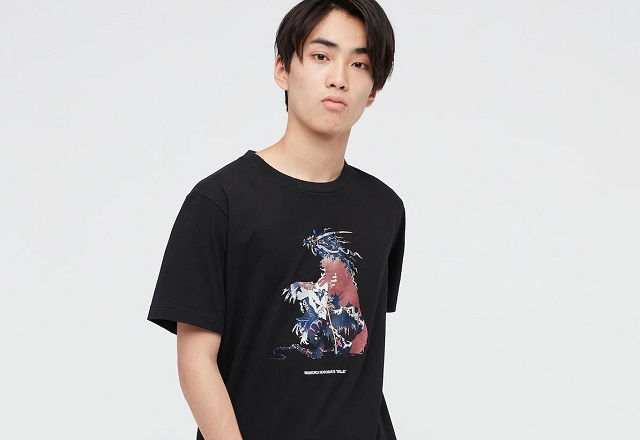
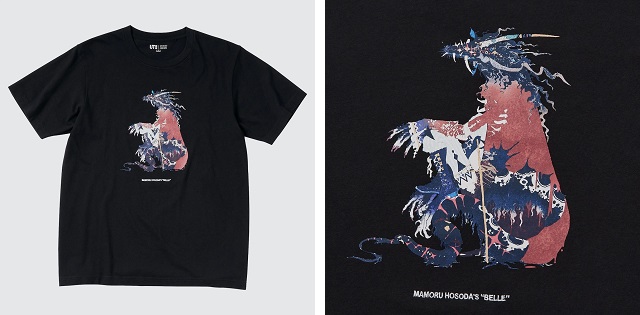
Meanwhile, a second Belle shirt gives a glimpse at the titular dragon, an ominous but compelling presence in U.

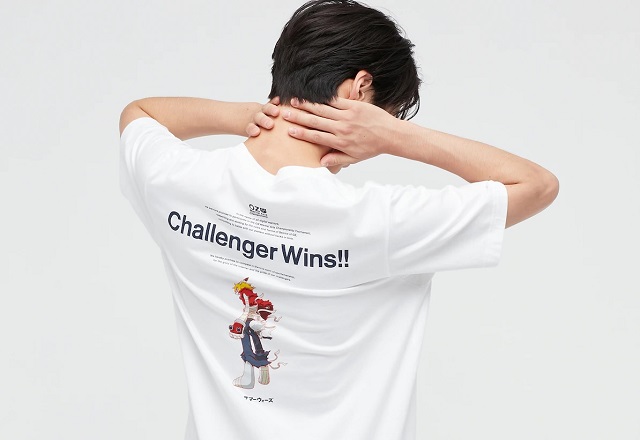
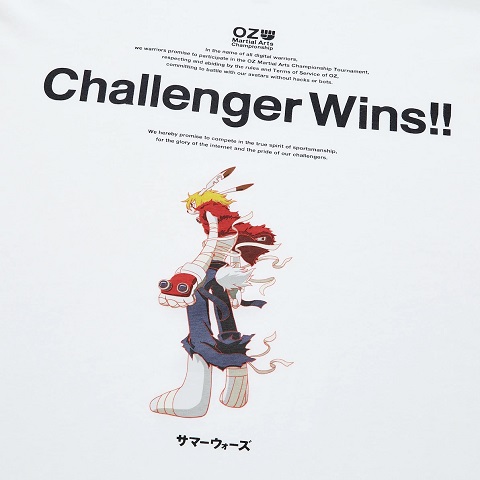
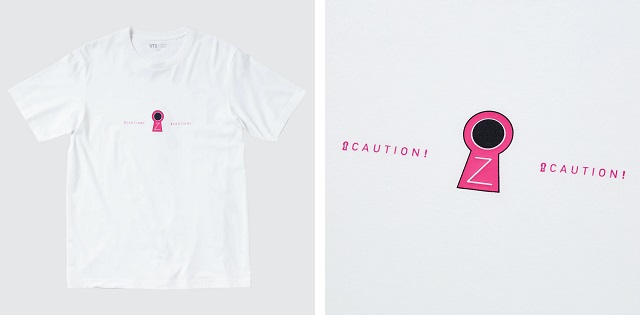
There’s also two-shirt representation for Summer Wars, Hosoda’a biggest international hit. One shows off King Kazuma, the champion of justice avatar within that anime movie’s virtual land of Oz, on the back and an Oz insignia on the front.

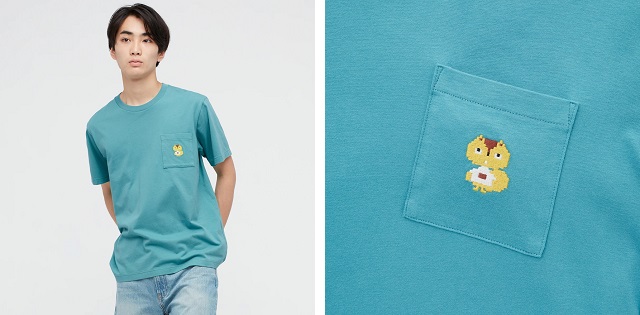
Or you can opt for a pocketed tee with the far more reserved squirrel avatar that Summer Wars protagonist Kenji uses while he’s in Oz.

This time, the back has a string of numbers, as a nod to Kenji’s mathematical prowess and how those skills figure into the movie’s plot.

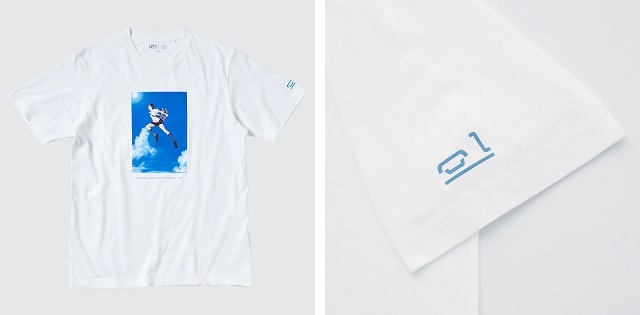
Going all the way back to Hosoda’s breakout hit, we have The Girl Who Leapt Through Time herself, Makoto, striking her unforgettable pose.

▼ The sleeve sports a “01,” which should be meaningful to anyone who’s seen the movie.

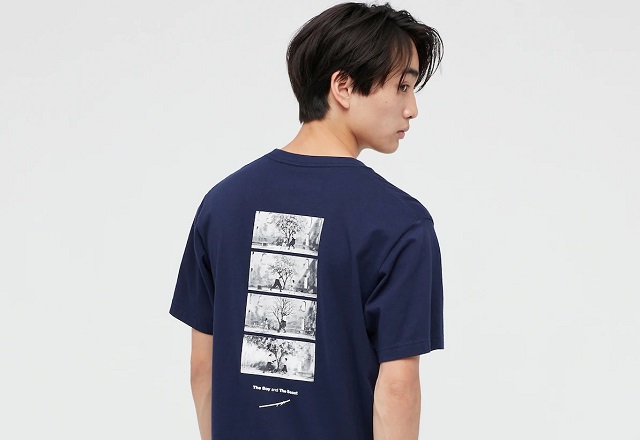
And last, there’s a shirt for fans of The Boy and the Beast.

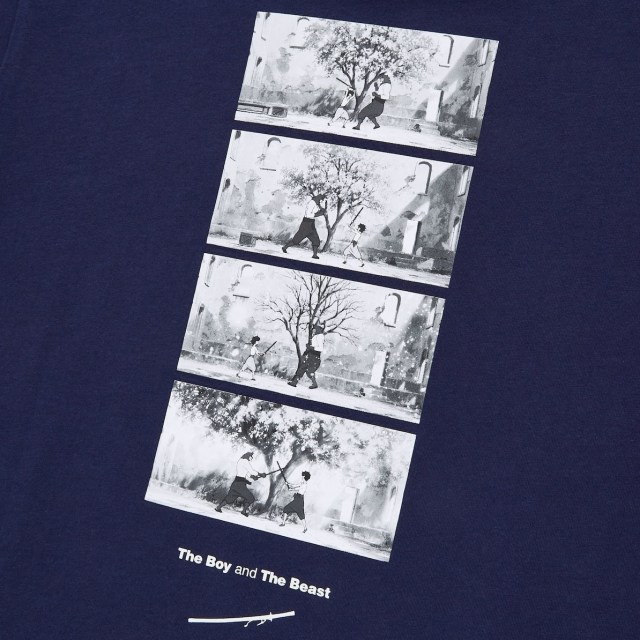
On the back you’ll find the boy, Ren/Kyuta, sparring with the beast, Kumatetsu.

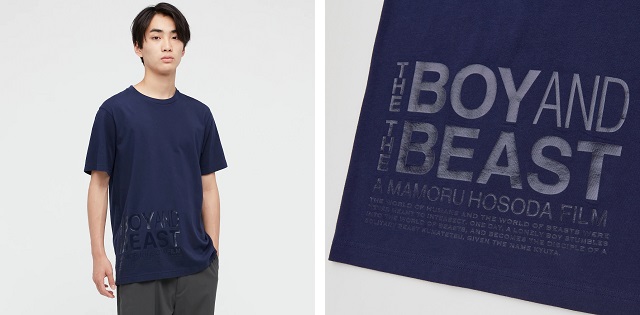
The film’s title also appears near the hem on the front, though the black-on-navy color scheme can make it a little hard to spot.

Surprisingly, there aren’t any shirts for Hosoda’s Wolf Children or his most recently released anime movie, Mirai, though in the case of the latter that might have something to do with it’s perception as a film for young children, while the Uniqlo Hosoda T-shirt line is adult sized.

The collection is priced at 1,500 yen (US$14) each and goes on sale July 16, the same day Belle opens in Japanese theaters.

Source: Uniqlo
Top image: PR Times
Insert images: Uniqlo (1, 2, 3, 4, 5, 6)
● Want to hear about SoraNews24’s latest articles as soon as they’re published? Follow us on Facebook and Twitter!
Make soy sauce eggs in minutes with popular new Japanese product from Daiso

https://ift.tt/3hnIGmu Oona McGee

Easy-to-use item goes viral and sells out as everyone attests to its soy marinated egg perfection.

There are a tonne of products to be found at 100-yen chainstore Daiso, but when one of their new releases turns out to be especially great value for money, word about the product tends to spread like wildfire on social media, making it nearly impossible to find at a lot of their locations.

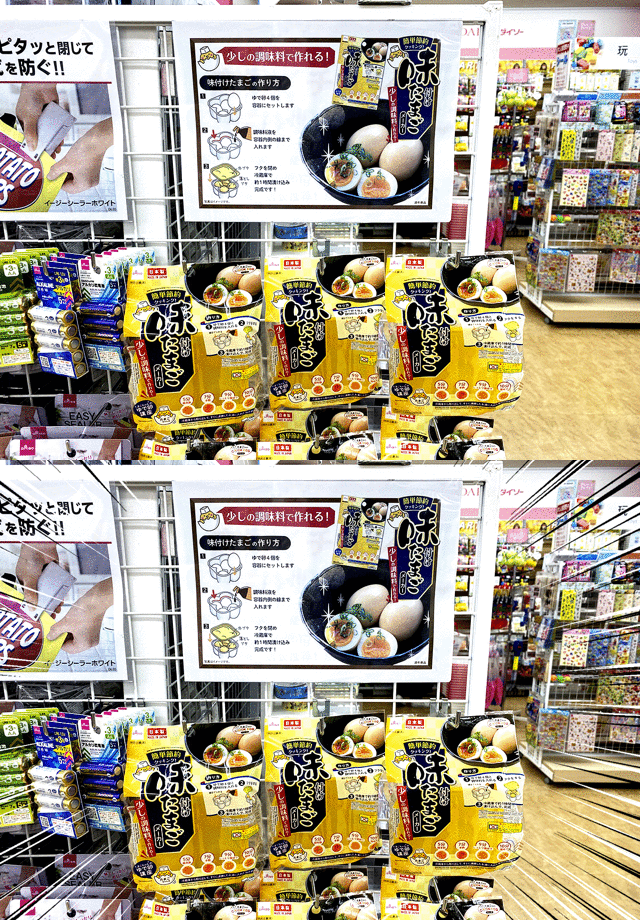
That’s been the case with Daiso’s “Seasoned Egg Maker“, which quickly become a viral sensation on social media recently. We travelled from store to store searching for the sought-after item, until we finally came across a newly stocked batch glistening on a rack at a neighbourhood Daiso in Tokyo.

YEEEEESSSSSS !!!!!!

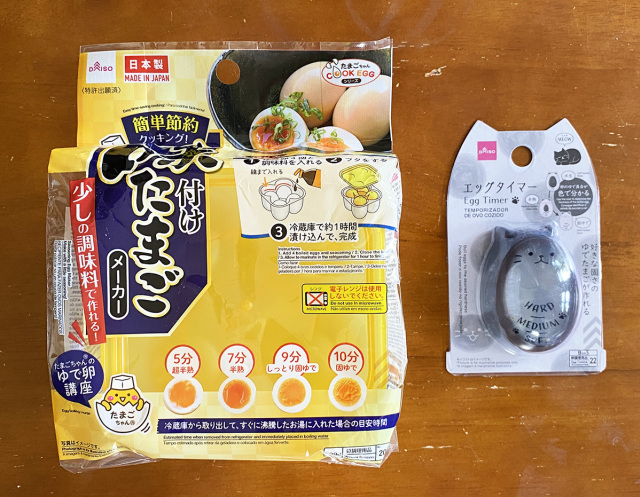
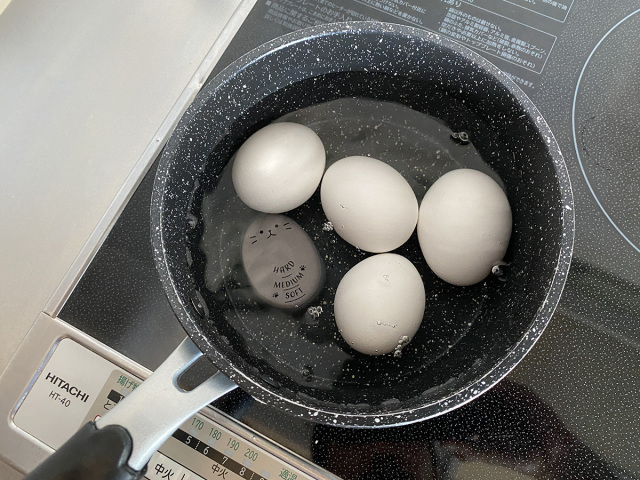
While we were there, we also found a cute egg timer, so when we returned home we had two things to help us make perfect soy-marinated eggs.

▼ Each item cost 100 yen (US$0.90) plus tax.

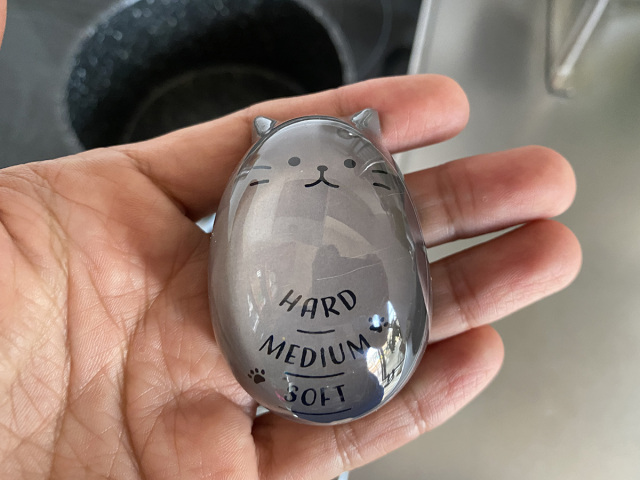
The first thing we had to do was cook the eggs, so we pulled the cute cat out of its packaging and gave it a quick wash before placing it in the pot with our eggs.

▼ How cute is this egg timer?

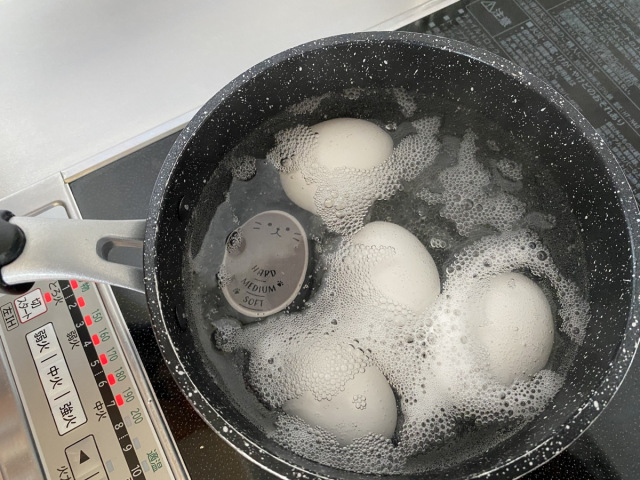
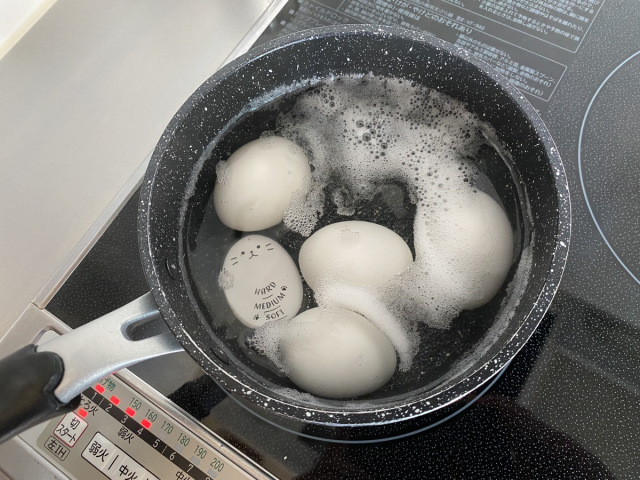
We brought the eggs to the boil, periodically checking the belly of the cat inside to assess their progress.

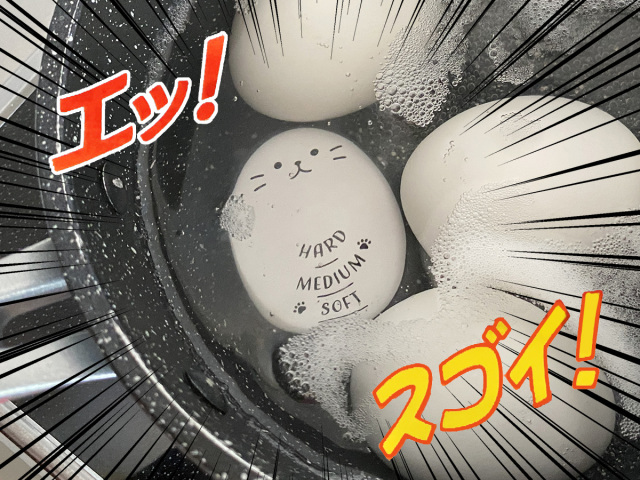
The cat’s indicator went from soft to medium, with its body becoming whiter by the minute…

Until the entire thing eventually became completely white, indicating our eggs were done – hard-boiled to purr-fection, as is required for soy marination.

▼ Such a cute product, and practical too!

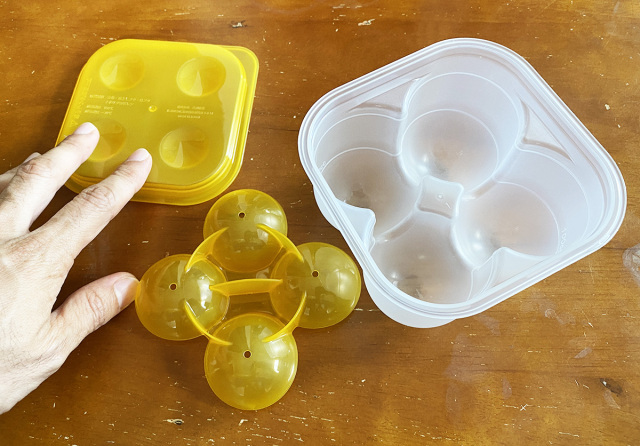
Now it was time to move on to the next step, so we took out the Seasoned Egg Maker and read the instructions on the back of the pack.

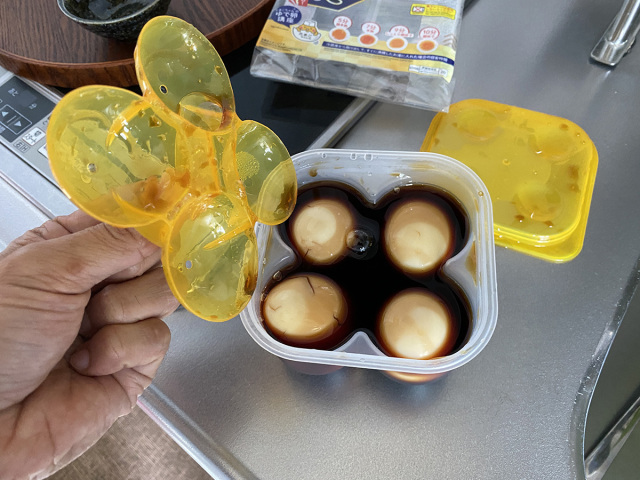
The process was incredibly easy — simply pop the hard-boiled eggs into the main part of the container and pour over some store-bought mentsuyu (noodle broth base made with dashi, soy sauce, mirin and sugar) until it reaches the line marked inside.

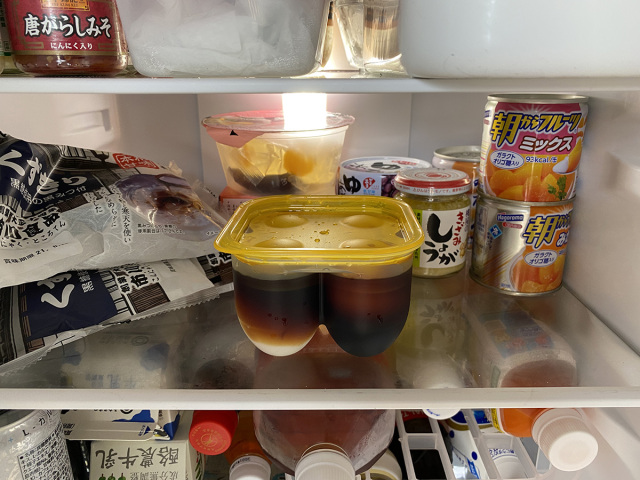
The amount of mentsuyu you’ll need is only around 100 millilitres (3.4 ounces), which is less than what’s usually required when steeping these in a pot over the stove. Once the eggs and liquid are in the container, all you have to do is simply place the inner lid on top, cover with the outer lid and pop it in the fridge!

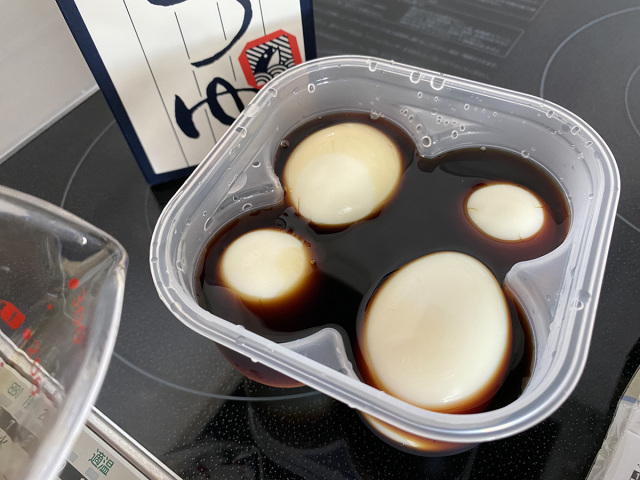
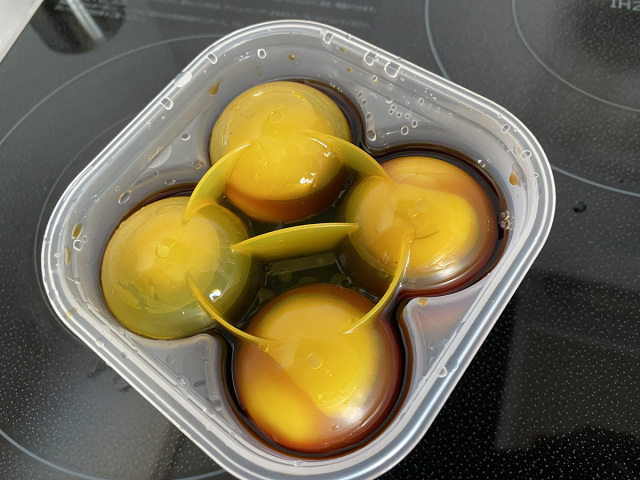
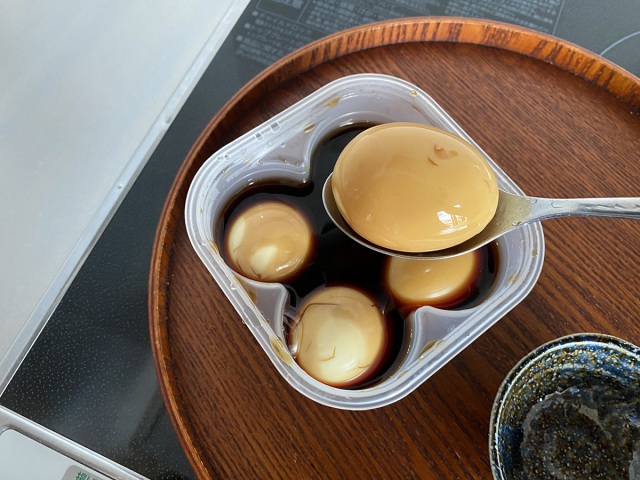
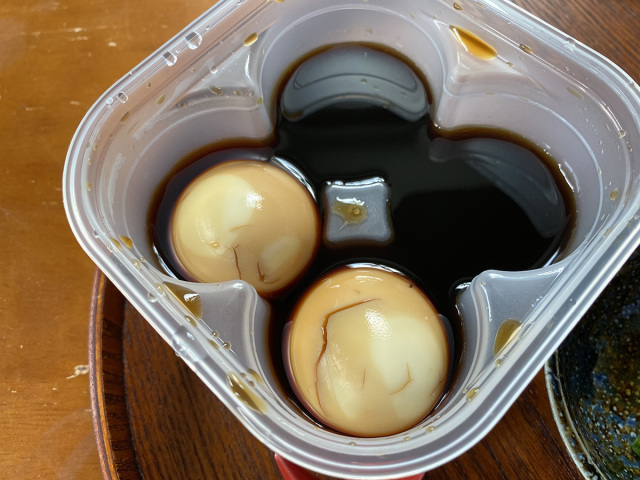
▼ After an hour in the refrigerator, it’s time to check the results.

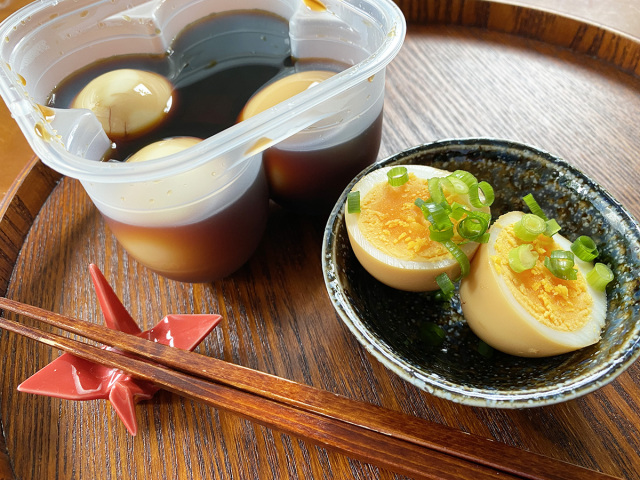
▼ Wow — so glossy!

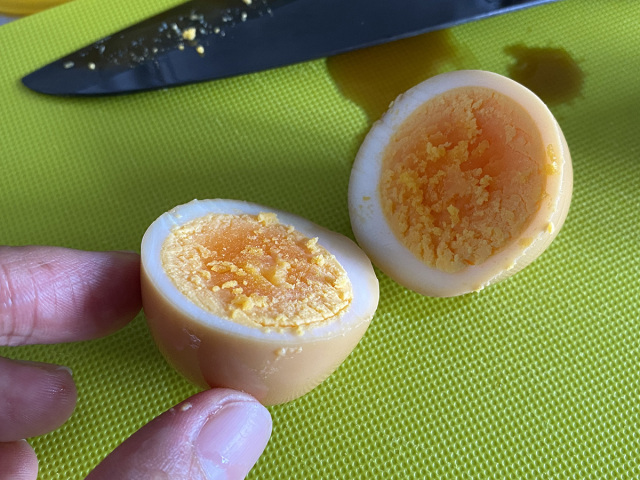
▼ And inside? Perfection!

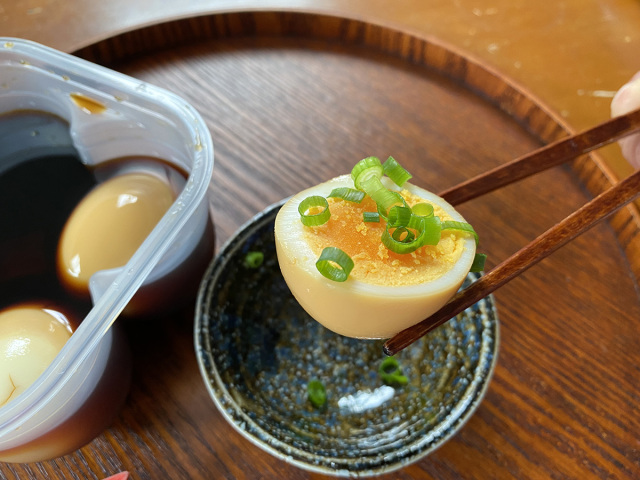
These eggs will brighten up all sorts of dishes, but we decided to try them as they were, with a sprinkling of chopped green onions on top.

Biting into these was a revelation! We’d attempted to make soy marinated eggs on a number of occasions previously but we were never able to get the balance of flavours quite right. However, the seasoning on these was delightfully salty and slightly sweet, and the flavour shone through with each mouthful, just like the soy eggs you get at a restaurant.

We were incredibly impressed with this humble 100-yen store item, and immediately understood why it’s become so sell-out popular. It’s size is wonderfully compact so it doesn’t take up much room in your fridge, it’s easy to use and clean, it doesn’t require a lot of broth, and most importantly, the results are fantastic.

Add in the fact that the design submerges the eggs so well the entire surface on them soaks evenly in just one hour, and there’s no reason not to set out on a hunt to find one of these to call your own! They’re still in high demand, though, so you’ll probably want to try one of the bigger branches, like the largest Daiso in Japan, to improve your chances of finding them.

Photos ©SoraNews24
● Want to hear about SoraNews24’s latest articles as soon as they’re published? Follow us on Facebook and Twitter!
lunes, 28 de junio de 2021

One of Japan’s rarest, craziest pay phones is hanging out in a tree-shaped phone booth【Photos】

https://ift.tt/3qvRMS0 Casey Baseel

We track down an ultra-rare Duet Phone and try it out.

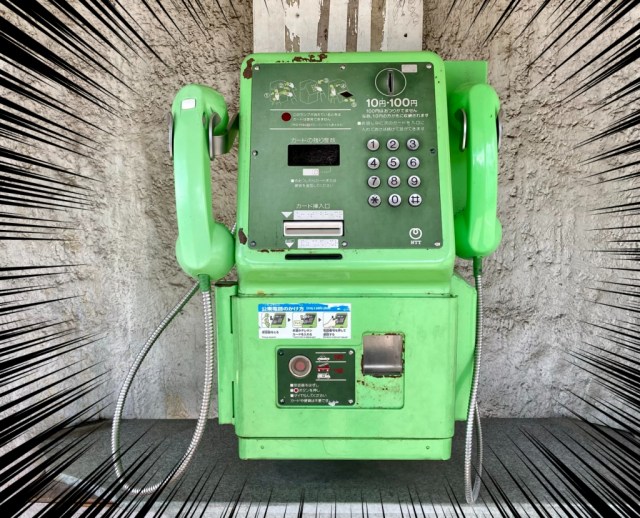
Public pay phones of any type have become pretty rare in Japan, but the rarest of all is the Duet Phone. Honestly, that name is a little misleading, since while a duet is a song sung by two people, the Duet Phone is a pay phone designed so that three people can share a conversation.

However, even though the Duet Phone is designed for three-person conversations, it doesn’t allow for three-way calling. You can still only dial one number from it, but two people use the phone simultaneously, because it has two receivers!
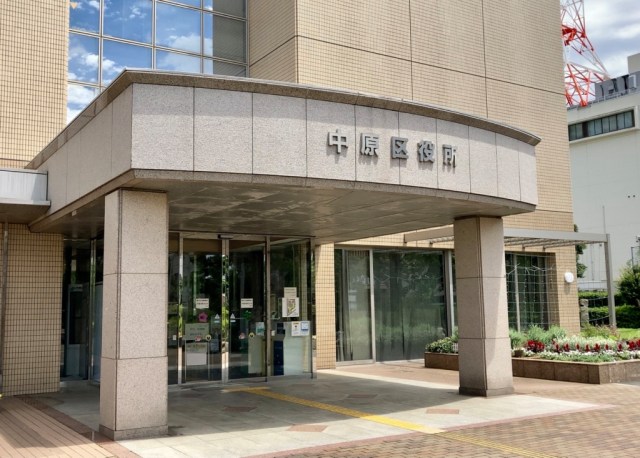
We’d heard about the Duet Phone a while back, and recently decided to go see one for ourselves. The closest one we could find to SoraNews24 headquarters is located in Kawasaki, Tokyo’s neighbor to the south, near the Nakahara Ward Office.

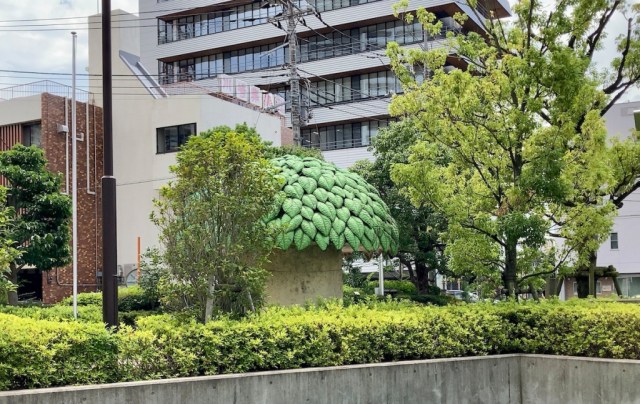
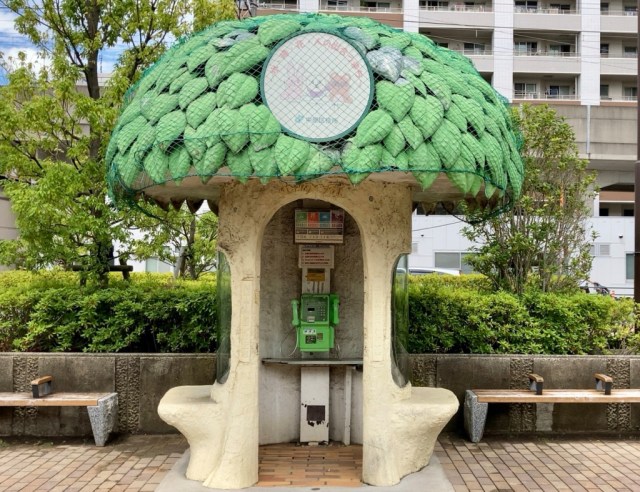
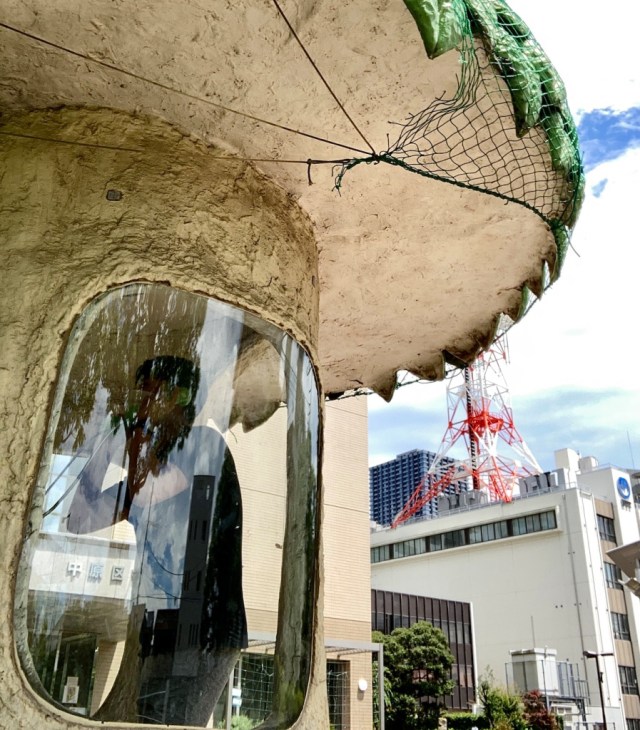
We thought we might have a little trouble pinpointing it, but it turned out to be surprisingly easy. Right in front of the main entrance to the ward office is a small plaza/park, and it turns out the weird pay phone has a unique phone booth, one called the Fureai no Ki, or “Tree of Community,”

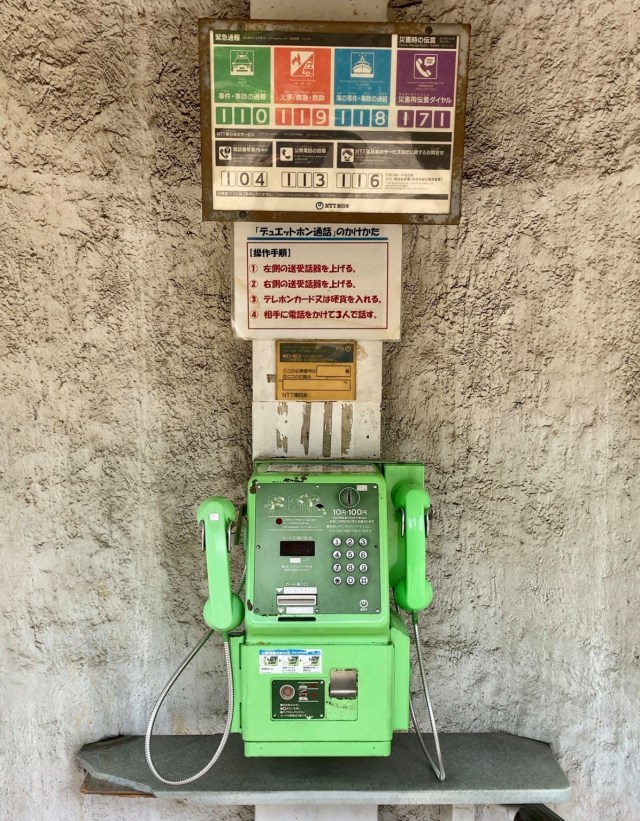
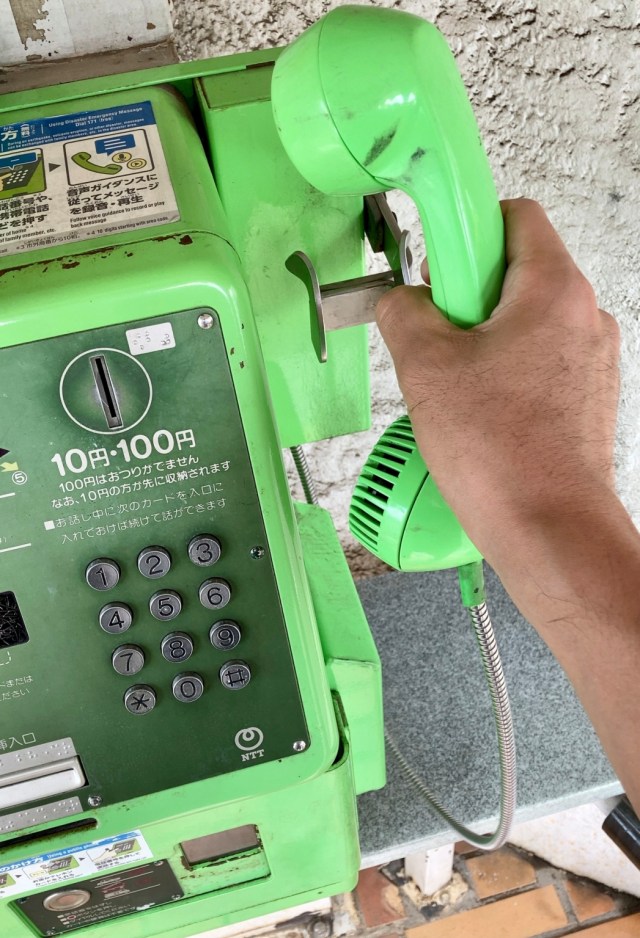
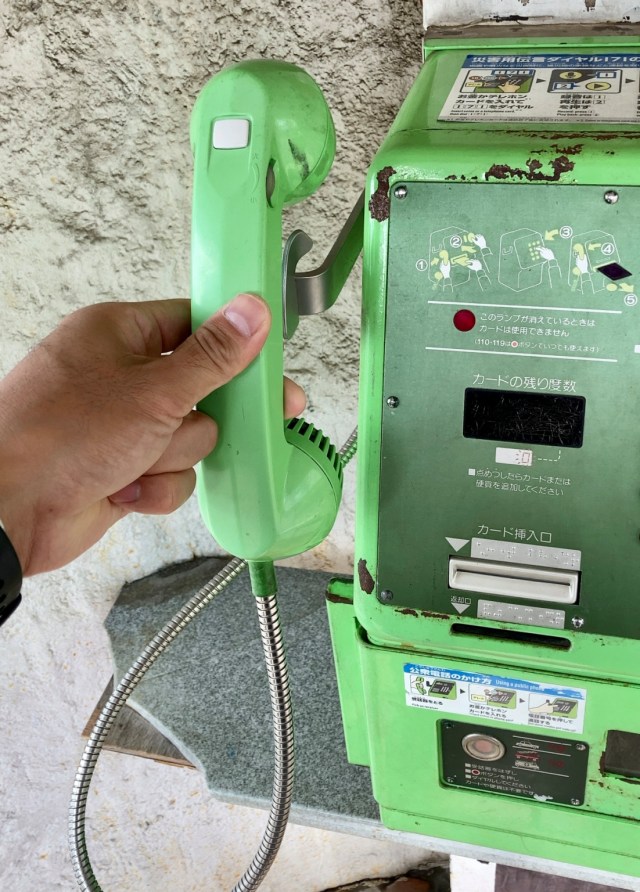
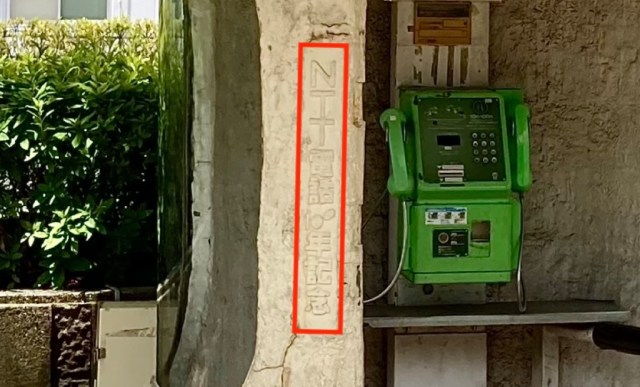
Sure enough, inside the whimsical alcove was a Duet Phone. If you just take a passing glance at it, you might notice it’s any different from the green pay phones that used to be an ubiquitous part of Japanese cityscapes, but this one really does have two receivers.

According to an explanation card posted above the phone, for two people to share the phone you’re supposed to pick up the right receiver, then the left, and then insert your coins/card and dial the number you’re calling.

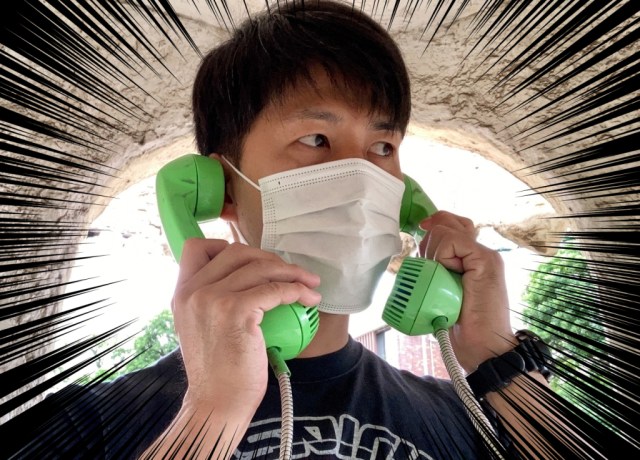
Our reporter Masanuki Sunakooma was on his own, but he couldn’t resist the urge to try out this unusual system. So he grabbed a receiver in each hand and placed a call to his own cell phone, which let him confirm that as funky as it looks, the Duet Phone is in perfect working order, as he could talk and hear with either receiver.

But the big question here, of course, is “Why?” How often have you been out and about with a friend or family member and run into a situation where you both need to talk directly with the same person, right away, on the phone?

It’s a scenario we have a hard time imagining, and it turns out the designers of the Duet Phone probably did too. That’s because the machine wasn’t designed as a reaction to outspoken demand from people in Japan, but as part of Japanese telecommunications provider NTT’s celebration for the 100th anniversary of its entry into the telephone business, which took place in 1990. The Duet Phone’s primary purpose was an exuberant display of Bubble Economy-era engineering innovation, but also the answer to a question that nobody asked, which is why they never really caught on and are so rare today,

▼ The phone booth even has a relief saying “NTT celebrating 100 years in the telephone industry.”

But even tough the Duet Phone doesn’t get much use, the property managers still maintain it, and they currently have no plans to uninstall. By this point, it’s become a local landmark and sort of a symbol of the neighborhood itself.

Still, with the Japanese thinking of getting rid of even more pay phones, and also planning to provide senior citizens with their own smartphones, the Duet Phone won’t be around forever, so if you want to try it out before its swan song, doing so sooner would be better than later.

Location information
Nakahara Ward Office / 中原区役所
Address: Kanagawa-ken, Kawasaki-shi, Kosugicho 3-245
神奈川県川崎市中原区小杉町3-245

Photos ©SoraNews24
● Want to hear about SoraNews24’s latest articles as soon as they’re published? Follow us on Facebook and Twitter!