Páginas

martes, 30 de marzo de 2021

Starbucks celebrates its 25th anniversary in Japan with a special commemorative drinkware range

https://ift.tt/3udRqQR Oona McGee

It may be Starbucks’ quarter-century anniversary, but it’s us who’s getting the presents. 

Fifty years ago, Starbucks was born in Seattle, U.S.A., and twenty-five years later, the coffeehouse chain expanded its operations overseas for the very first time, by opening a store in Ginza, Tokyo, in 1996.

As Starbucks’ first overseas market outside of North America, Japan has played an important role in the history of the now-global brand, and to celebrate its 25th year here, the company is celebrating with a series of upcoming promotions planned for 2021, starting with a special anniversary drinkware range. 

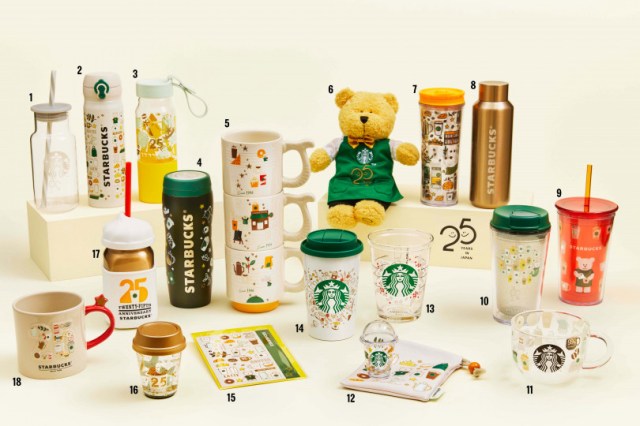
The collection covers everything from stackable mugs through to gift cards and tumblers, all decked out with a special 25th anniversary logo and other cute Starbucks-related motifs that pay homage to the chain’s roots. So let’s get to it and take a look at the new range below!

1. Glass Tumbler (473 millilitres [16 ounces]) 2,640 yen (US$24.01)
2. Handy Stainless Bottle Starbucks Roots (500 millilitres) 4,840 yen
3. Silicon Strap Bottle Siren Tail (473 millilitres) 2,420 yen
4. Curved Stainless Bottle Starbucks Roots (355 millilitres) 4,290 yen
5. Collectable Stacking Mug (355 millilitres) Red / Green / Yellow 2,200 yen each (available online only)
6. Bearista 25 Years 3,630 yen
7. Tumbler Starbucks Roots (355 millilitres) 1,980 yen
8. Stainless Steel Bottle 25 Years (473 millilitres) 4,620 yen


9. Cold Cup Tumbler Bearista Red (355 millilitres) 2,090 yen
10. Tumbler Icons Circle (355 millilitres) 1,980 yen
11. Heat-Resistant Glass Mug Starbucks Roots (355 millilitres) 2,200 yen
12. Starbucks Mini Cup Gift Starbucks Roots 1,045 yen
13. Collectable Cold Cup Glass Coffee Cherry (414 millilitres) 1,760 yen
14. Stainless To-Go Cup Tumbler Icons Loop (355 millilitres) 3,960 yen
15. Beverage Card Starbucks Roots 682 yen
16. Snow Gloves 25 Years 4,290 yen
17. Whip Cap Stainless Steel Jar Tumbler No.25 (473 millilitres) 3,740 yen
18. Mug No.25 (355 millilitres) 2,310 yen

The Starbucks 25th Anniversary Goods collection will be on sale at Starbucks locations around Japan and online from 14 April. They’ll only be sold in limited numbers, though, so if you like something you see, you’ll want to get in quick to avoid missing out.

The new drinkware range is just the start of the 25th anniversary activities planned for this year, scheduled to run from April to August and based around the theme of “The Power of Coffee. The Power of Connection.” We can’t wait to see what other fun surprises they have in store for us–hopefully there’ll be some new Frappuccinos to make up for the sakura series that left us wanting more this year!

Source, images: Starbucks Japan Press Release
● Want to hear about SoraNews24’s latest articles as soon as they’re published? Follow us on Facebook and Twitter!

Kyoto now has Pokémon manhole covers as Generation 2 comes to the real-life Johto region

https://ift.tt/2PNmA2E Casey Baseel

City’s famous Gion and Arashiyama neighborhoods welcome Kyoto’s first Pokéfuta.

The Pokémon games and anime are set in a fictional universe, but many of the locations would-be Pokémon Masters’ travels take them to are based on real-life places. In the case of the Pokémon Gold and Silver games, for example, the Johto region is based on Japan’s Kansai region, and things have come full-circle as you can now find Pokémon while out and about in Kyoto.

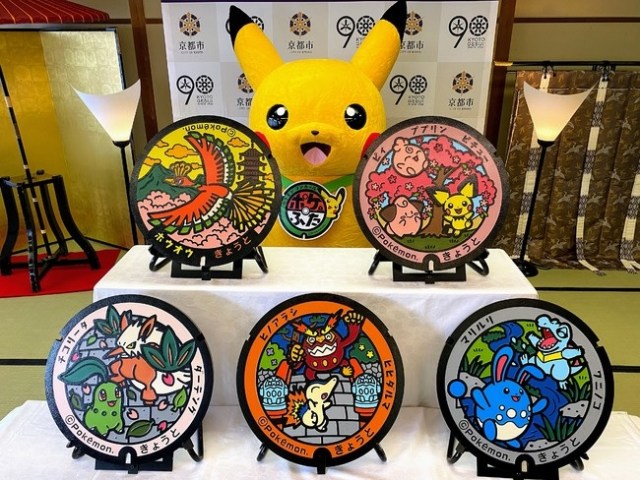
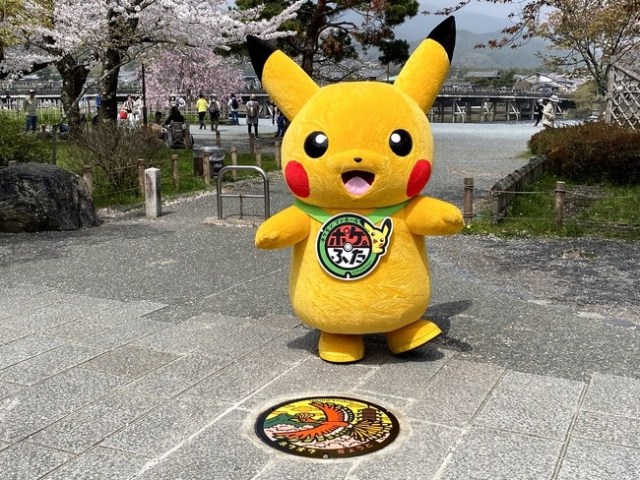
This week, five new Pokémon manhole covers, or Pokéfuta, as they’re called in Japanese, were installed in Japan’s old capital. These are Kyoto’s first-ever Pokéfuta, and while many of the other covers are in less-traveled parts of Japan, these five have been placed in public parks not too far off the beaten path, making for easy side-trips during visits to one of Japan’s most sightseeing attraction-packed cities.

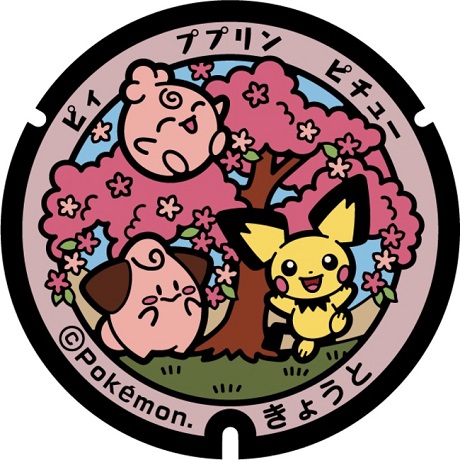
The stars of the show this time are, naturally, Gen-2 Pokémon who made their debuts in Gold and Silver, starting with baby Pikachu Pichu, accompanied by Cleffa and Igglybuff, on the Pokéfuta in Maruyama Park.

▼ The shidarezakura (weeping cherry blossom) tree they’re frolicking under actually exists in the park, which sits inside Kyoto’s Gion geisha quarter.

Over at Nishikyogoku Athletic Park, at the western edge of downtown, you’ll find Chikorita and Shiftry.

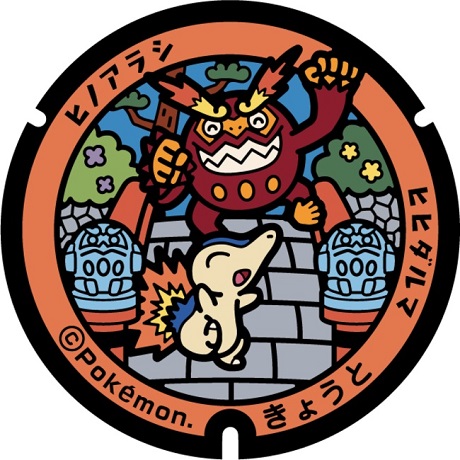
Cyndaquil and Darmanitan hang out in Okazaki Park, right across the street from Heian Shrine…

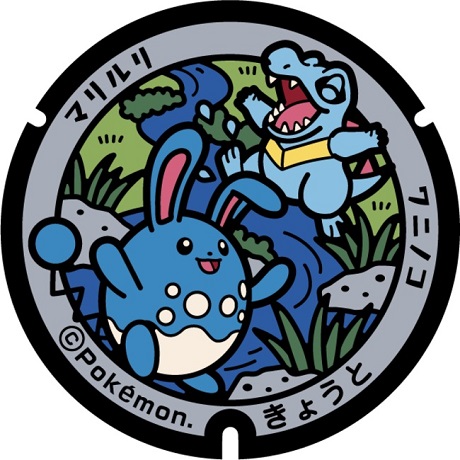
…while Totodile and Azumarill are waiting in Umekoji Park, just a quick 10-minute walk from Kyoto Station.

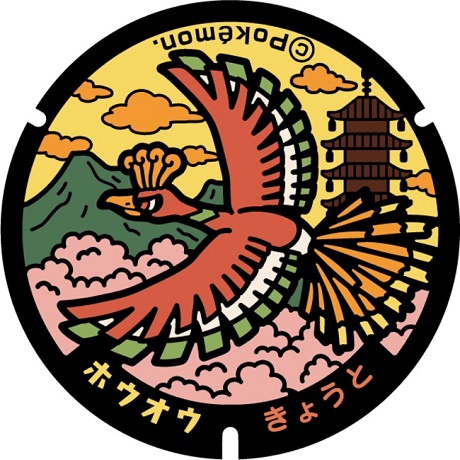
Finally, Ho-Oh, befitting its Legendary Pokémon status, takes the longest journey from the city-center starting point to find, but having another excuse to venture into Arashiyama Park, in the beautiful Arashiyama neighborhood, is always a plus.

Exact locations can be found here on the official Pokéfuta website.

Source, images: PR Times
● Want to hear about SoraNews24’s latest articles as soon as they’re published? Follow us on Facebook and Twitter!

A visit to Japan’s cursed tunnel and statue of Oshima Zuido【Haunted Japan】

https://ift.tt/3ftAUb2 Casey Baseel

One cursed spot just isn’t enough for this small coastal town.

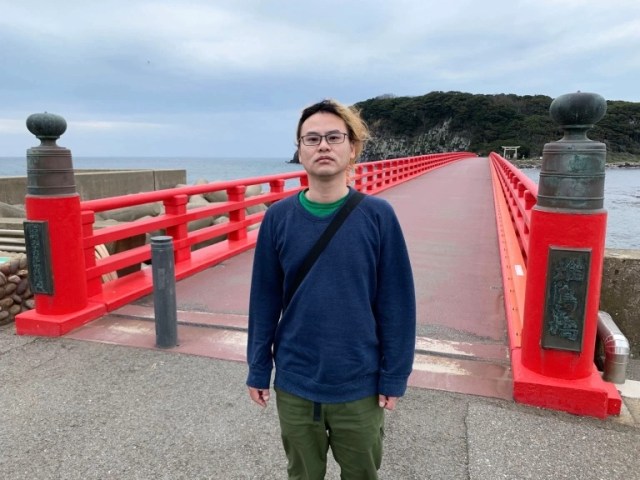
We recently discovered what appears to be a loophole in the rumored curse of Japan’s Oshima Bridge in the town of Sakai, Fukui Prefecture. There’s more than one supposed curse that can befall visitors to this town on the coast of the Sea of Japan, though, and while he was in the field our reporter Seiji Nakazawa passed through another supernaturally suspicious part of Sakai: the Oshima Tunnel (or Oshima Zuido, as it’s called in Japanese).

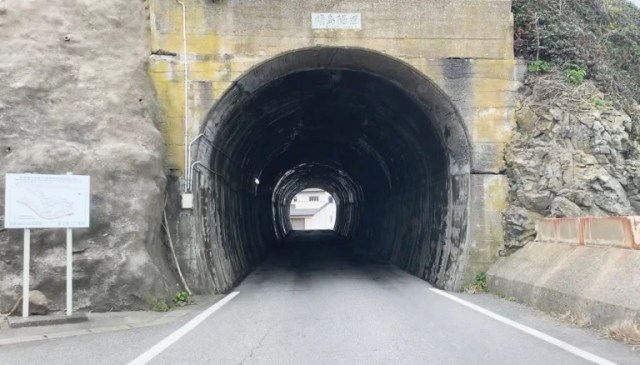
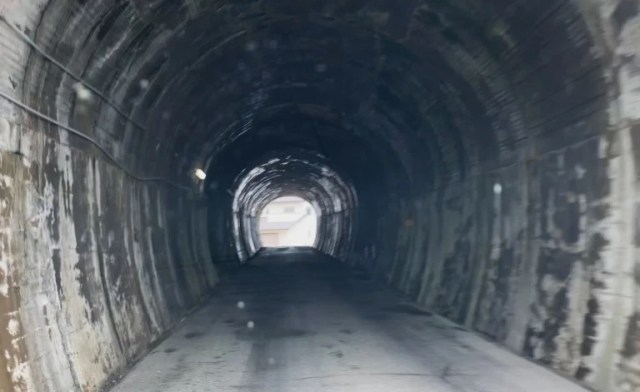
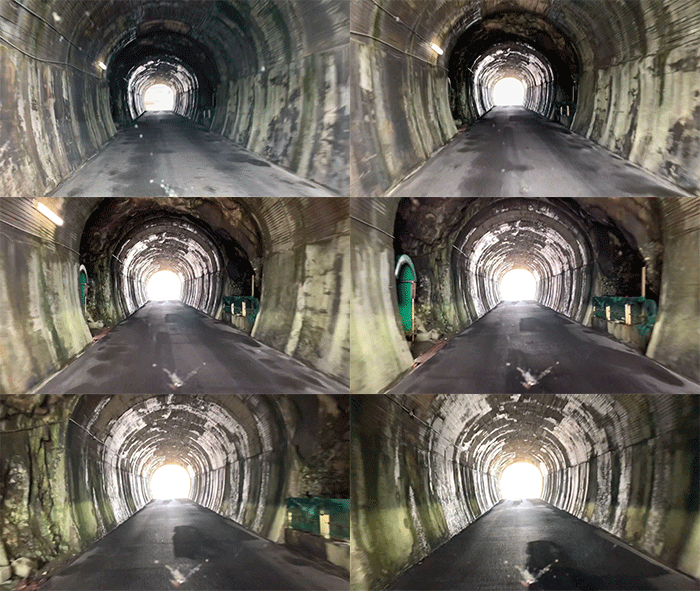
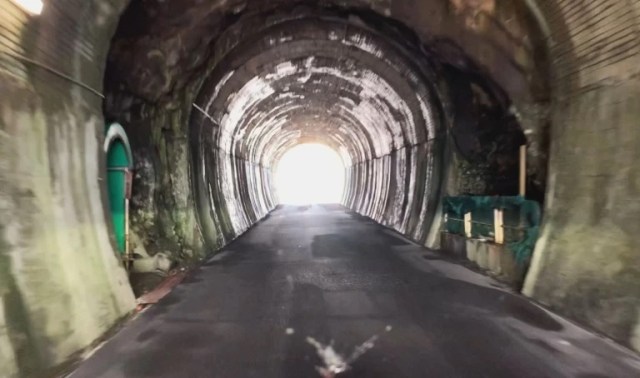
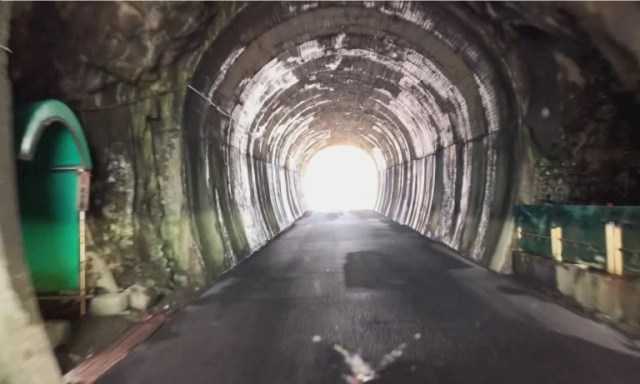
The tunnel is part of the seaside road just east of where the bridge from the mainland to Oshima Island starts. Right off the bat, it gives off a creepy vibe. It’s short enough that you can see the light on the far side, but long enough for deep shadows even in the middle of the day. In the middle of the tunnel is a statue of Kannon, the Buddhist goddess of mercy, which ordinarily would be a reassuring presence.

However, local legends say that long ago a man who was passing through the tunnel looked at the statue. When Kannon’s eyes met his, a bright red light burst out of the statue’s eyes, and before he could return home, the man met with a terrible accident and died.

So Seiji resolved to keep his vision focused dead-ahead during his drive through the tunnel. Try as he might, though, he couldn’t help but notice the alcove with the statue of Kannon in it on his left as he approached the mid-point of the passageway.

From the corner of his eye, he could see some sort of green, tent-like covering had been placed over what he imagined must be the statue, though he wasn’t about to turn his head and confirm.

But then, at the exact moment he drove past the statue, he heard a voice:

“Oh snap! I looked at it!”

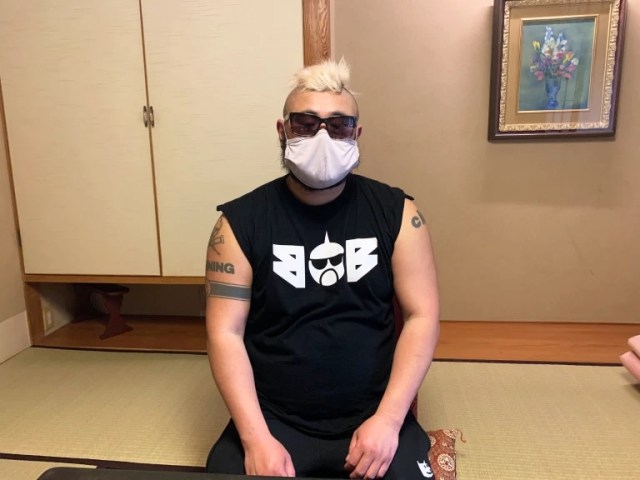
This wasn’t the voice of some angry spirit, though, but of Seiji’s pal Butch, a.k.a. Big Wave, a.k.a. Bob.

▼ Whether in fashion or naming, Butch/Big Wave/Bob truly believes that variety is the spice of life.

Butch was along for the ride on this trip through Haunted Japan, since we needed someone to take photos of Seiji, and, if necessary, transport his lifeless husk of a body back to Tokyo after apparitions claimed his soul. Seiji’s plan had only been to test the Oshima Bridge curse, but thanks to Butch’s curiosity it looked like they were now testing the Oshima Tunnel one as well.

“So, uh, what did you see?” asked Seiji.

“Dude, yo, I saw something red!”

Seiji decided not to ask for further details at this point. They’d arrived at the bridge, and if death was indeed coming for Butch, he wanted to at least get the photos he needed first.

▼ Don’t die just yet, Butch.

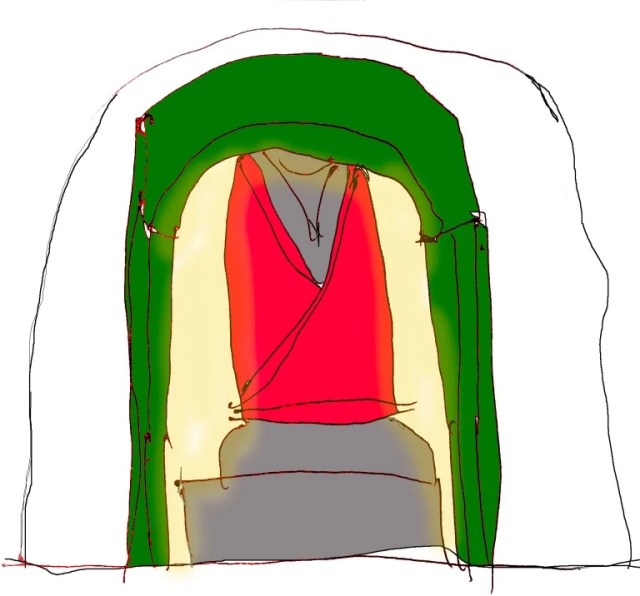
Once that was done, Butch went into greater depth about what he’d seen. “So, like, the Kannon statue is inside a green tent,” he said, confirming what Seiji had perceived at the edge of his vision. “And there was some sorta glowing light around it.”

However, despite the surface similarities to the curse rumor, Butch wasn’t too scared. “But I think the light is just from a florescent light bulb inside the tent, and I’m pretty sure the red was from a cloth coat on the statue. Oh, and because of the angle of the tent covering, and the height of the car window, I didn’t see Kannon’s face.”

▼ Butch’s illustrated recollection of how the alcove looked.

With this, Seiji breathed a sigh of relief, and sure enough, he and Butch made it to their hotel safe and sound. However, something strange happened before dawn. While Seiji slept normally (or as normally as he could with Butch loudly snoring in the next futon over), Butch was visited by a vision of Kannon during the night.

“Bro, I saw Kannon in my dream!” Butch reported in the morning. “And this time, I saw her face!”

Seiji felt his heart sink. Butch was only in the Oshima Tunnel in the first place because Seiji needed a cameraman for his bridge experiment, and now he was going to die, all because Seiji had been too lazy to just carry a tripod with him. All he could do now was apologize to his friend while there was still time.

“Butch, I’m so sorry,” he began. “This is all my fault, and now that your eyes and Kannon’s met, you’re going to d-

“Dude, what’re you talking about?”, Butch interrupted.

“You said you saw Kannon’s face, right? The Oshima Tunnel curse says that if your and Kannon’s eye meet-”

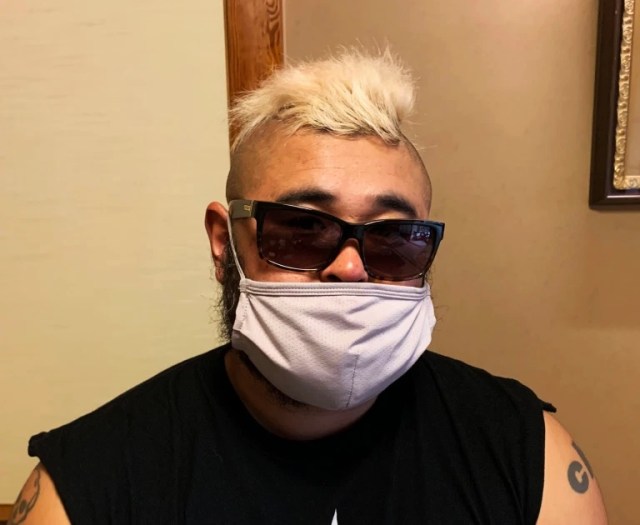
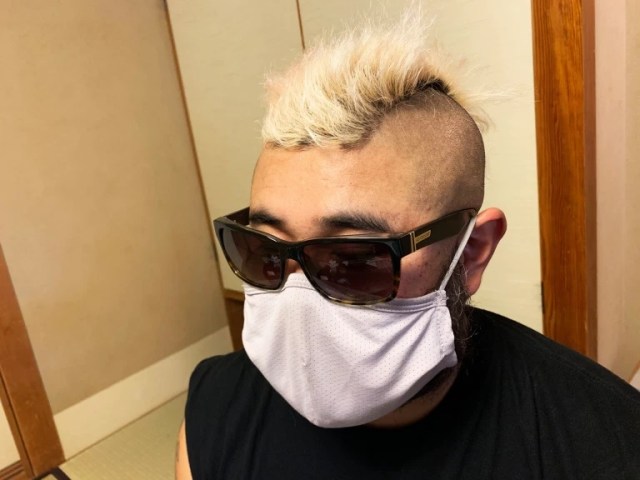
“Bro, I said I saw her face. She didn’t see my eyes, because I had my shades on.”

Yes, apparently Butch’s fashion sense carries over into his dreams. So sure, being visited by the goddess of mercy makes sense, but not having his favorite shades, which he’s been wearing every day for 10 years, is beyond what his subconscious mind can imagine.

So in the end, Butch seems to have escaped the curse, and Seiji’s life doesn’t appear to be in danger by association either.

Oh, by the way, if you’d like to tempt fate, but don’t have a trip to Fukui lined up in the near future, you can actually visit Oshima Tunnel via Google Streetview.

Just make sure you’ve got your shades handy.

Photos ©SoraNews24
● Want to hear about SoraNews24’s latest articles as soon as they’re published? Follow us on Facebook and Twitter!
There’s a special, familial reason Utada Hikaru looks so natural and unguarded in her new video

https://ift.tt/3sEK34j Casey Baseel

Part of the 21-million-view video for Evangelion theme “One Last Kiss” was filmed by a five-year-old.

It was sort of a foregone conclusion that Utada Hikaru’s “One Last Kiss” was going to be a hit. A brand-new song from an undeniable top-tier A-lister of the J-pop world, which is also the ending theme for the final Evangelion movie, is destined to to get plenty of attention, and Utada’s melancholy yet comforting vocals make for an unforgettable listening experience.

But even still, it’s amazing to see just how popular the “One Last Kiss’” music video is, racking up over 21 million views since its release three weeks ago. It’s not some lavish, big-budget video with fancy sets, elaborate costumes, or hordes of background performers, either. The real appeal is the intimate atmosphere as the camera shows Utada in scenes of ordinary life, with the shots of her at home feeling especially personal.

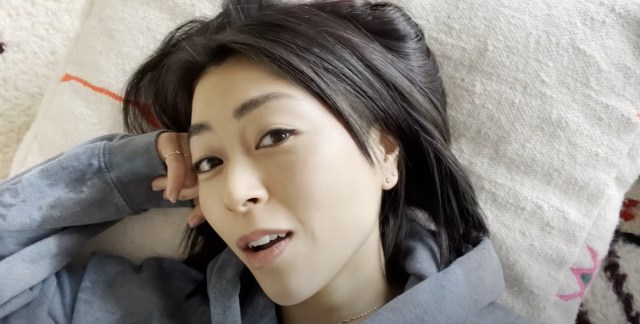
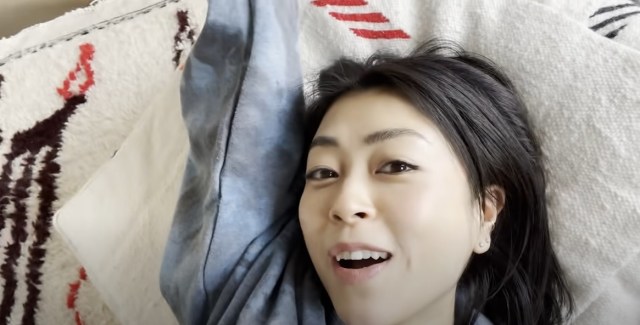
And it turns out there’s a reason for that, because the person filming some of those at-home scenes was none other than her five-year-old son.

Utada herself revealed the familial assistance in a recent tweet.

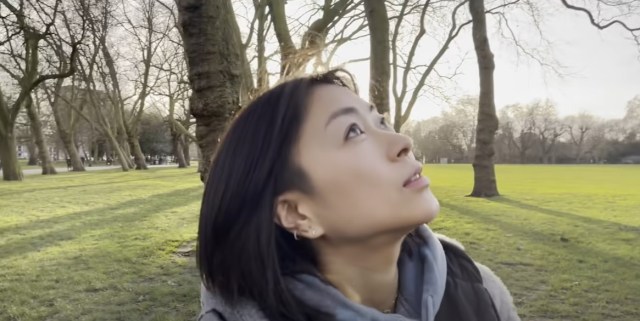
“It makes me shudder knowing that video I had my son record on an iPhone of me in bed in my pajamas, and that my cameraman friend took of me walking around the park and on a local trip have been watched over 20 million times in two weeks and are playing on monitors throughout the city.”

The tone of Utada’s tweet is tongue-in-cheek, implying more surprise that something created in such casual circumstances has now been seen by so many as opposed to genuine distress at a loss of privacy. Knowing this, going back and watching the “One Last Kiss” video again shows a couple of around-the-house sequences that definitely look like they were shot from toddler-height, like when Utada makes herself into a blanket monster.

Likewise, the relaxed, unguarded clips of her out and about aren’t just showing a top-of-her-game professional musician, but also a person spending time with a personal friend.

And for Eva fans, a mother singing “I’ll love you more than you’ll ever know” while her son is standing right in front of her adds yet another emotional element, bringing to mind anime protagonist Shinji’s having little-to-no memories of his own mom, and how much time he spends wondering if he’s ever truly been loved by anyone.


All in all, not bad at all for a collection of one mother’s home videos.

Source: Twitter/@utadahikaru via Hachima Kiko
Images: YouTube/Hikaru Utada
● Want to hear about SoraNews24’s latest articles as soon as they’re published? Follow us on Facebook and Twitter!
Petition to allow students to choose what they wear to school gathers almost 19,000 signatures

https://ift.tt/3u9Fi3m Dale Roll

A coalition of students, teachers, and lawyers submitted the petition to the Japanese Ministry of Education on March 26.

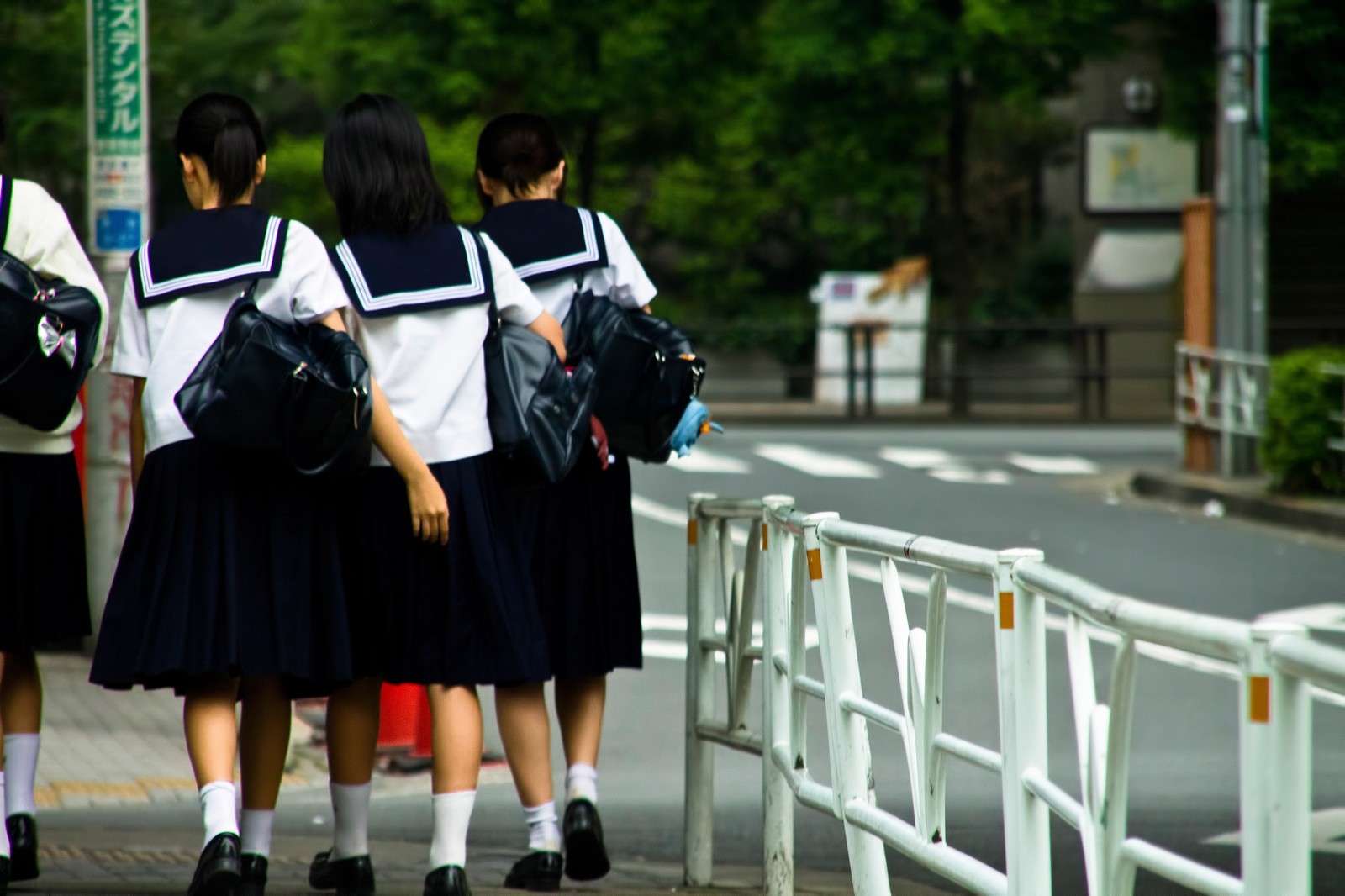
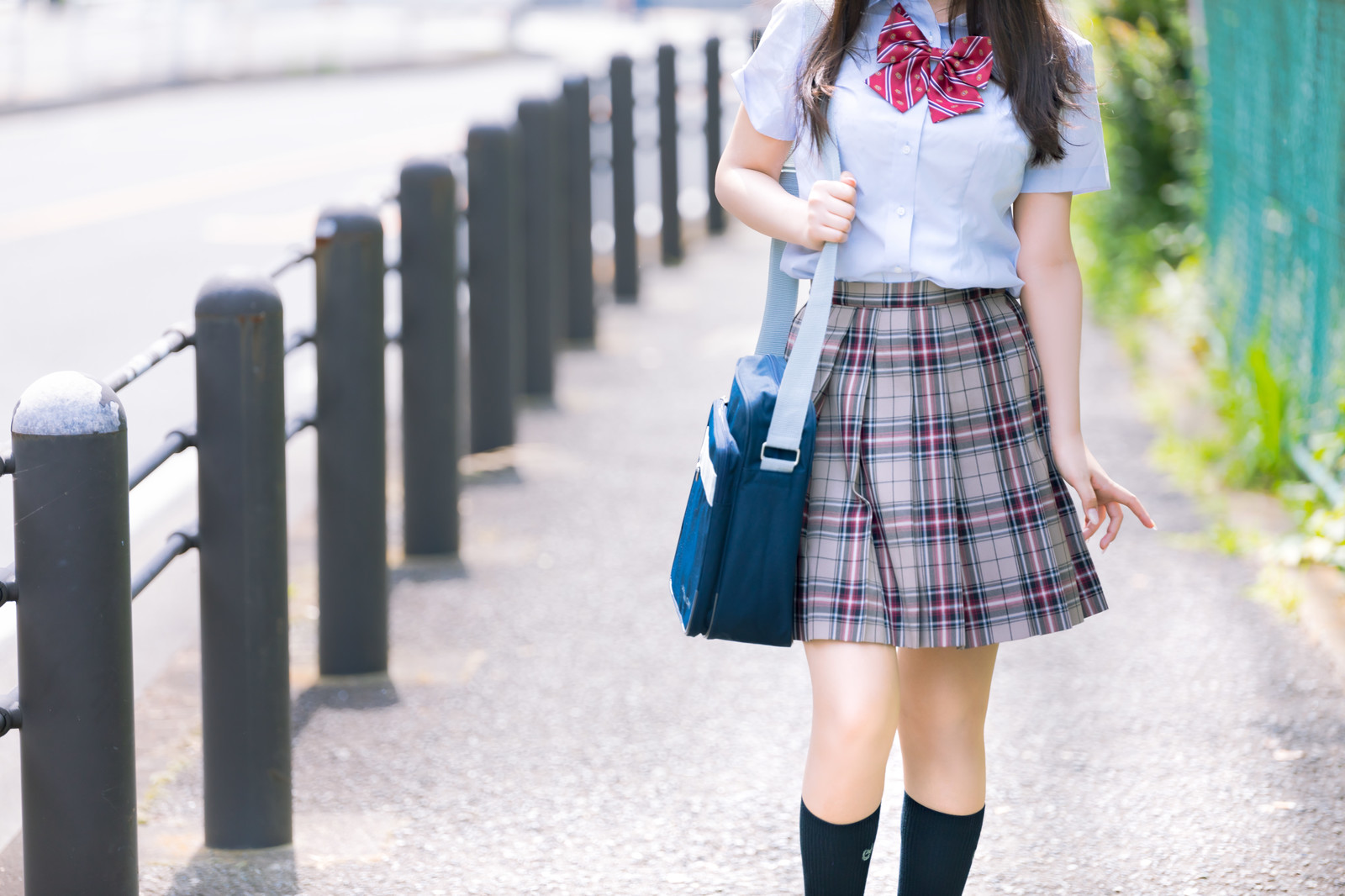
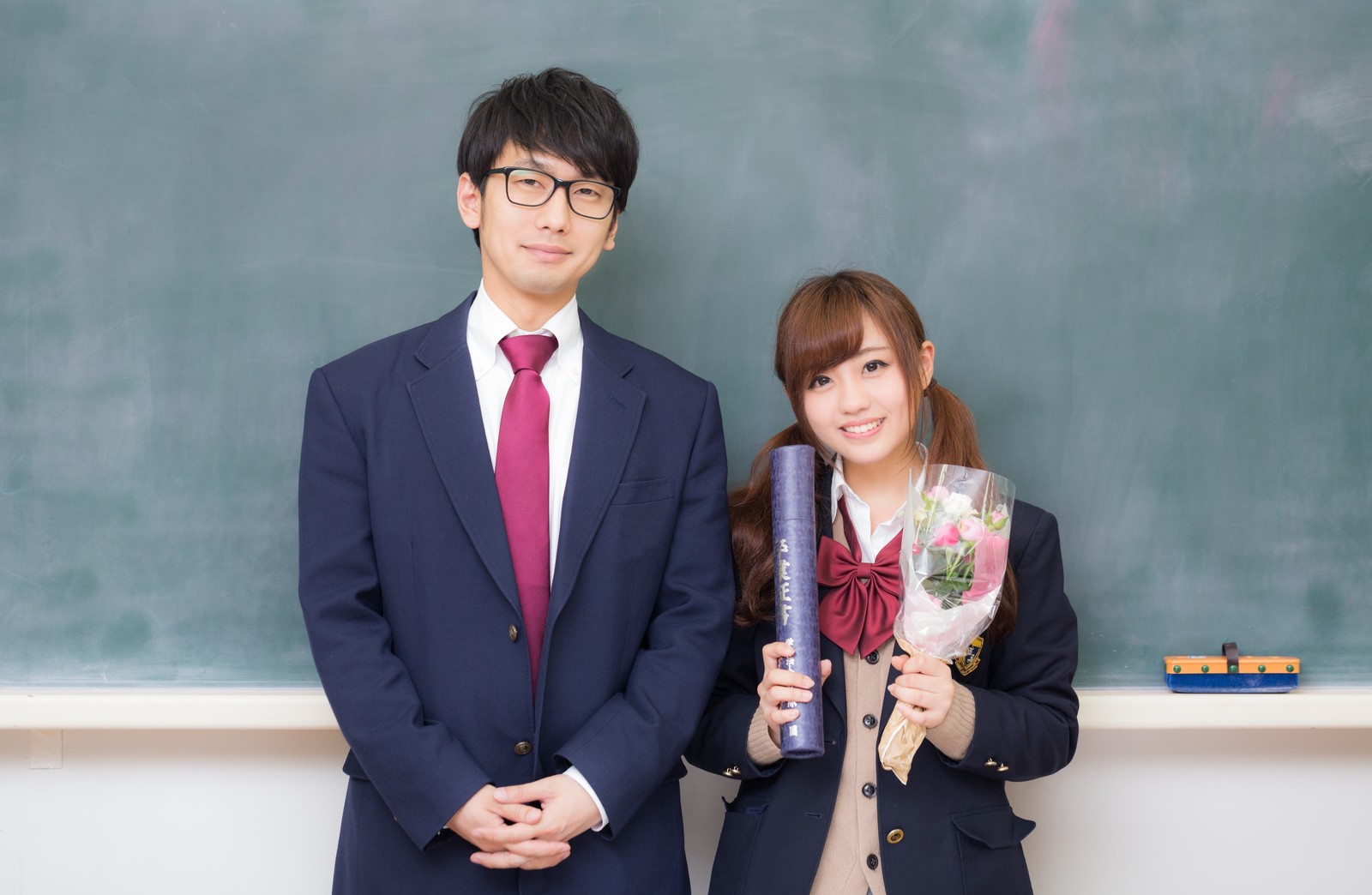
As you probably know by now, most Japanese junior and senior high schools require their students to wear a school uniform. The standard look of dress slacks or a pleated skirt with a button-up shirt, a tie or ribbon, and a blazer with the school logo has become such an ubiquitous part of Japanese school life that it would almost be wrong if students weren’t required to wear them.

But some disagree. A coalition of students, teachers, and lawyers created a petition to give students the right to choose whether they want to wear a uniform to school or not, and they managed to collect nearly 19,000 signatures in support of the cause.

The petition, which is titled, “Are you free to choose not to wear a uniform at your school?” was created by Hidemi Saito (not his real name), a school teacher in Gifu Prefecture, and is supported not only by students and other teachers, but also lawyers, local educational chairs, businesspeople, and activists.

Saito created the petition when he noticed that school uniforms don’t seem to affect student behavior. Since June 2020, students at Saito’s school have been allowed to wear either their uniform or their casual clothes to school because of the pandemic, to allow students to wash their uniforms in between wears to keep the virus from collecting on the fabric.

As a result, half of the students have been wearing their uniforms, and half their regular clothes. But Saito noticed that, even with the half not wearing the uniform, no new problems have arisen at his school. On the contrary, it seems like the newfound sense of freedom students have now that they can choose their clothing has resulted in a bit more of a comfortable school environment.

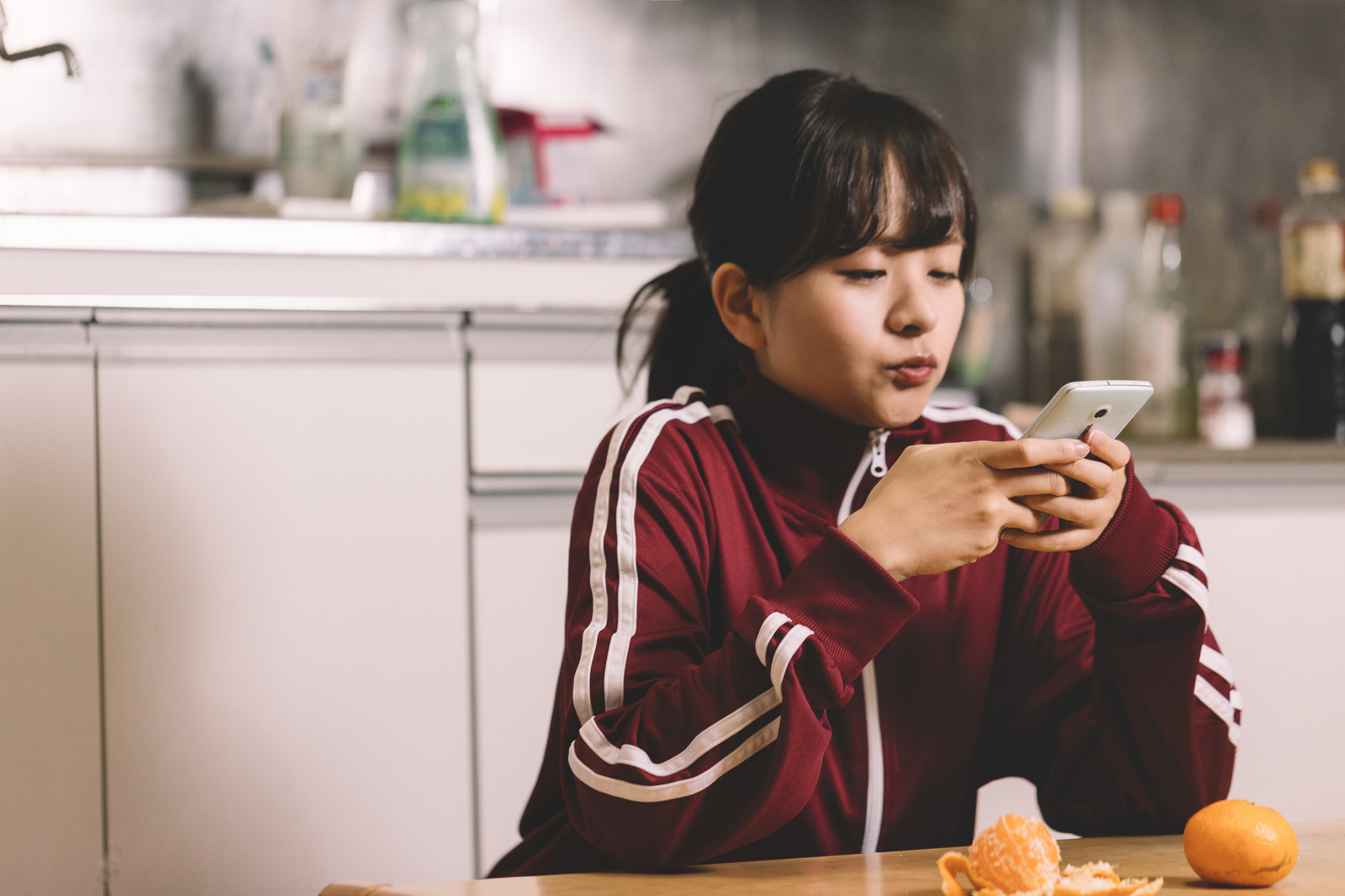
▼ Students are also allowed to wear their school tracksuits to class.

That’s why Saito started this petition; because he believes that Japanese schools have too many rules that are overly restrictive of student behaviors and that are damaging to students’ mental health. Rules like the stipulation that students must wear white underwear, or that they aren’t allowed to date or have part time jobs, or that they aren’t allowed to braid or dye their hair are unnecessary, he believes, and according to a survey conducted by the Ministry of Education, stringent school rules like these were the reason that 5,500 kids didn’t go to school in 2019.

“As an educational professional,” said Saito, “It’s hard to hear there are students being hurt by these rules, and that some students are losing opportunities to learn because of them.”

Saito believes that forced uniforms could be one school rule that causes students’ stress. He listed a number of reasons on the petition as to why uniforms in particular can be damaging to students’ mental health. For one, they’re insensitive to transgender students who are forced to wear the wrong uniform, and students who experience sensory overload cannot tolerate them, which forces them to find schools that don’t require them. Uniforms are also extremely expensive, and of course, let’s not forget the fetishization of school uniforms that makes female students a target for perverts.

But as you can tell from the title of the petition, Saito doesn’t advocate for abolishing uniforms entirely; rather, he believes in the freedom of choice. He notes that a 2016 survey conducted by the Asahi Shimbun revealed that the population’s opinion on whether students should wear uniforms or private clothing was very evenly divided. While many students chafe at the restrictions a uniform imposes, many others prefer to wear uniforms because they help hide differences in income, among other things.

Some might suggest that schools keep the uniforms, but allow students to choose whether they want to wear the skirt or the pants. This sounds like a good suggestion, but, aside from not addressing the prohibitive cost of uniforms, it leads to another way for students to feel singled out. At one private school, for example, female students have recently been allowed to wear slacks, but it has become a stereotype that female students who wear slacks to school are coming out as LGBT, so very few do.

That’s according to a 17-year-old high school student who participated in the press release for the petition. “If it became normal for all students to choose what they want to wear to school,” said the student, who is a student council member at her school, “I think it would really get to the root of the problem.”

That’s why Saito is petitioning the government to allow students to choose whether they want to wear a uniform or their every day clothing; so that students may have the freedom of deciding what they want to wear, and won’t feel stressed enough to miss out on their education because they don’t like, can’t afford, or can’t wear what they’re forced to wear.

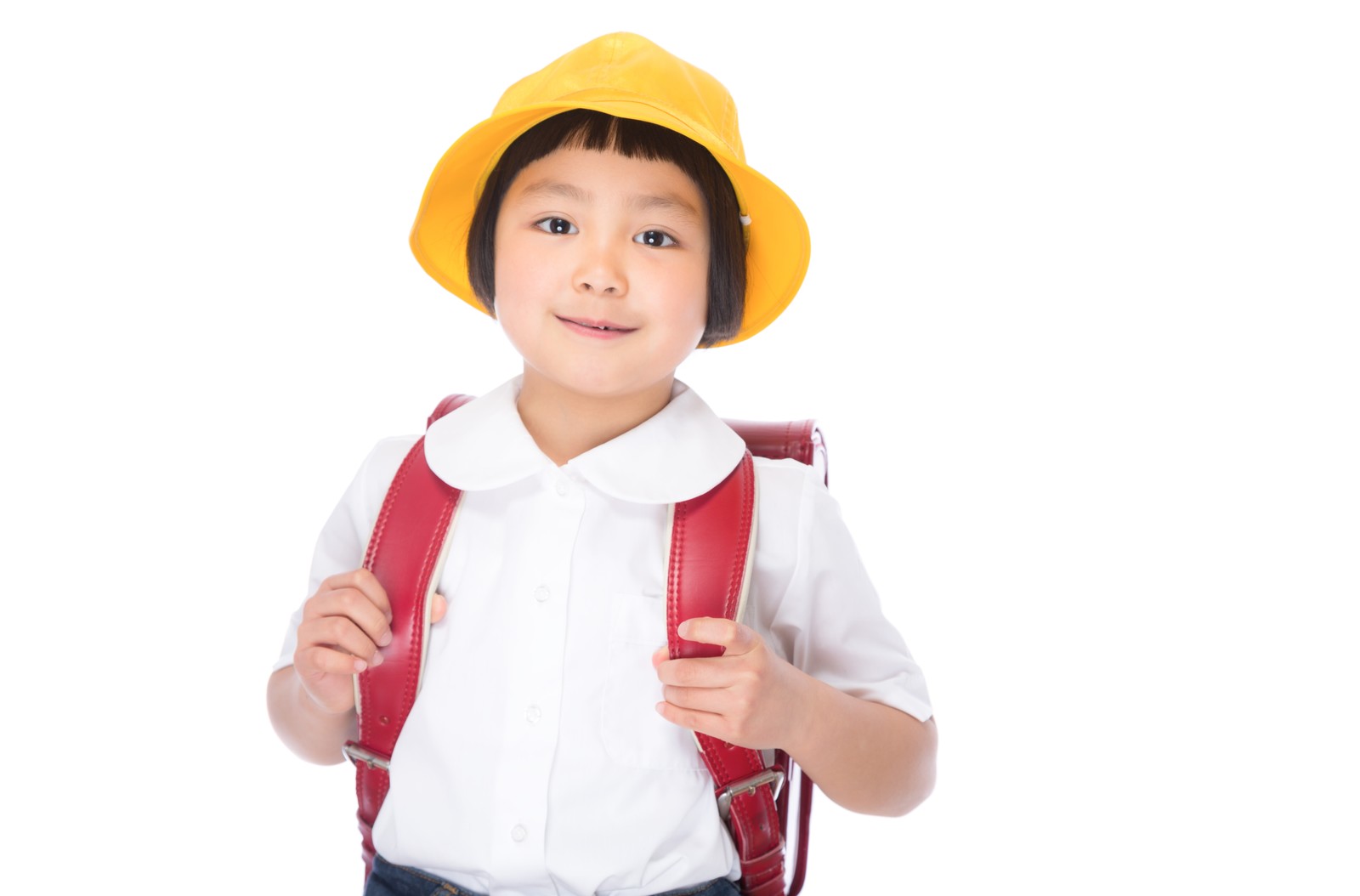
▼ Some elementary schools require students to wear uniforms as well.

Therefore, the petition requests the following four things of the Japanese Ministry of Education, Culture, Sports, Science, and Technology:

1. That the Ministry clarify whether schools should have the right to force students to wear school uniforms that they dislike or can’t wear.
2. That the Ministry conducts a nationwide study on the rules and practicality of school uniforms and dress codes.
3. That the Ministry clarifies whether schools should create a system where they post school rules on their home page in an open forum where students and parents can express their opinions of them.
4. That the Ministry clarifies whether schools should immediately repeal rules that affect the mental health of students.”

Saito also included, unofficially, that he and his fellows would also like the Ministry to issue guidelines regarding appropriate school rules.

The Change.org petition was submitted to the Ministry of Education on March 26 with 18,888 signatures, but it is still open to the public to sign. As of this writing, there were 18,933 signatures and counting. Those who agreed had various comments and personal experiences to share as to why they think free choice is a good option:

“The fact that female students are not allowed to wear pants or even tights in winter is a complete violation of human rights.”
“We didn’t have uniforms at my high school and it didn’t cause any particular problems.”

“Elementary schools let kids wear everyday clothing, so I don’t understand why junior and senior high schools require uniforms. I don’t really like the idea that everyone has to look the same.”
“Uniforms are mandatory because it’s convenient for the administration. Like prison uniforms, they’re meant to suppress students’ identities.”
“I think it makes sense to let students choose, to let them wear clothing appropriate for the season and to accommodate different genders.”
“I have atopic dermatitis, but I couldn’t hide it with my skirt. That was hard.”
“Getting all the uniform pieces [for my child] cost me almost 90,000 yen (US$820).”

With this petition and its many supporters, Saito is hopeful that the Ministry will make appropriate declarations in support of the cause. He says he hopes that Japanese schools can use the “new normal” created by the pandemic as an example to make a “new normal” for schools as well. “Schools are changing because of the pandemic,” he told Bengoshi.com News. “If we’re going to change school rules, now’s the perfect time. It could be the last chance for the next few decades.”

The Ministry hasn’t issued an official response yet, so we will have to wait and see how this petition is received, but hopefully change is in the future for Japanese schools.

Source: Bengoshi.com News via Nico Nico News via My Game News Flash, Change.org
Top image: Pakutaso
Insert images: Pakutaso (1, 2, 3, 4, 5)
● Want to hear about SoraNews24’s latest articles as soon as they’re published? Follow us on Facebook and Twitter!

Japanese beauty brand drops the word “whitening” from its products

https://ift.tt/3u5fxRr Oona McGee

Kao leads the way in eliminating the notion of “white is beautiful” in the skincare industry.

Beauty ideals differ somewhat from country to country, and here in Japan, one of the longstanding trends has been to lighten the skin, using all sorts of products from cleansers through to moisturisers and makeup.

It’s a beauty standard supported by the skincare industry, with the word “whitening” widely used to promote products, but now one leading cosmetics company is working to end this wording, citing concerns surrounding racial inequality as highlighted by the current Black Lives Matter movement.

The word often used to describe whitening in the Japanese skincare industry is “美白” (bihaku), which contains the kanji for beauty (美) and white (白), promulgating the notion that white is beautiful.

While bihaku is still commonly used by beauty brands, Kao is the first to take steps to address the issue by announcing it would no longer be using the word in its new products from March. The company aims to eliminate the word from all its products in several years.

Kao says they didn’t want to send out the message that one type of skin tone is inferior or superior to another, and came to the decision to drop the wording as part of their overall commitment to promoting diversity.

Despite their decision to stop using the problematic wording, “whitening” products are likely to remain popular in Japan as they’re believed to reduce the appearance of freckles and dark spots.

Kao says it will continue to cater to this demand, but instead of using terms like bihaku or “whitening”, they’ve now chosen to adopt the word “brightening“, starting with the new Twany range of products released in mid-March.

This change in language comes in the wake of similar moves taken by overseas companies, such as L’Oreal and Unilever. Within Japan, Kao is the first Japanese cosmetics company to stop using the words “whitening” and bihaku, and hopefully other local brands will soon follow their lead.

Kao’s commitment to diversity extends beyond the language used to market their products, as they’re also working to address gender issues, adding extra options of “neither” and “not sure” for responses to gender questions on questionnaires. 

The company also says it plans to release a new range of foundations this autumn with 23 shades, roughly twice as many shades as those usually offered, and it’s taking steps to deal with other concerns such as the use of words like “standard” or “normal” for popular shades of foundation.

It’s heartening to see progressive steps like these being taken by a Japanese cosmetics company with a history stretching all the way back to 1887. It just goes to show that age really is just a number, and if they’re able to shake up the beauty world and bring it into the 21st Century by taking a stance against inequality, there’s no reason why others can’t do it too.

Source: Nikkei via Jin
Featured image: Pakutaso
Insert images: Pakutaso
● Want to hear about SoraNews24’s latest articles as soon as they’re published? Follow us on Facebook and Twitter!
lunes, 29 de marzo de 2021

Man climbs down side of building in Tokyo to steal…a bunch of Pokémon and Yu-Gi-Oh! cards

https://ift.tt/3sEcOhQ Casey Baseel

Thief applied skills he learned in high school club activity.

At about 5 in the morning on March 23, while most of Tokyo was still asleep, Kensuke Nakanishi was already up in the city’s Ikebukuro district, and in more ways than one. Having made his way to the top of a building in the developed area east of Ikebukuro Station, the 28-year-old Nakanishi tied a rope to the guard railing at the edge of the roof, attached the other to himself, and went over the side.

He then made a five-meter (16.4-foot) drop by walking down the building’s exterior wall in order to position himself in front a sixth-floor window. Smashing open the pane of glass, Nakanishi then entered the structure and carried out his planned heist of the valuable goods inside. So what was he after? Diamonds? Antiquities? Bearer bonds?

Nope. His cinematic superthief-style caper was all about getting some rare Pokémon and Yu-Gi-Oh! cards.

Nakanishi’s infiltration target was a trading card shop, where he stole roughly 80 cards from the two blockbuster franchises and others, valued at a total of around one million yen (US$9,660), and also swiped approximately 260,000 yen in cash. However, Nakanishi, who works at an IT company, was only in possession of a fat wallet and a few awesome decks for a short time, as he was picked up by the Tokyo Metropolitan Police and arrested for the burglary less than a week later, on March 29.

Though Nakanishi’s methods might seem dynamic to the uninitiated, the burglar himself downplayed their degree of daring. “I was in the rock climbing club in high school,” he told investigators, “so I wasn’t scared about being up that high.”

While a huge stack of rare cards is something plenty of hard-core card gamers would covet, Nakanishi’s interest appears to have been purely for their economic value, as he says he was planning to resell them in order to pay off personal debts. In the end, his plan’s boldness may have been his undoing. Investigators were able to identify him from security camera footage showing him walking down the outside of the building, something which Nakanishi apparently didn’t take into consideration, suggesting that maybe he could have benefitted from some time in the A/V club as well.

Sources: NHK News Web, Yahoo! Japan News/Mainichi Shimbun
Top image © SoraNews24
● Want to hear about SoraNews24’s latest articles as soon as they’re published? Follow us on Facebook and Twitter!