Páginas

viernes, 29 de enero de 2021

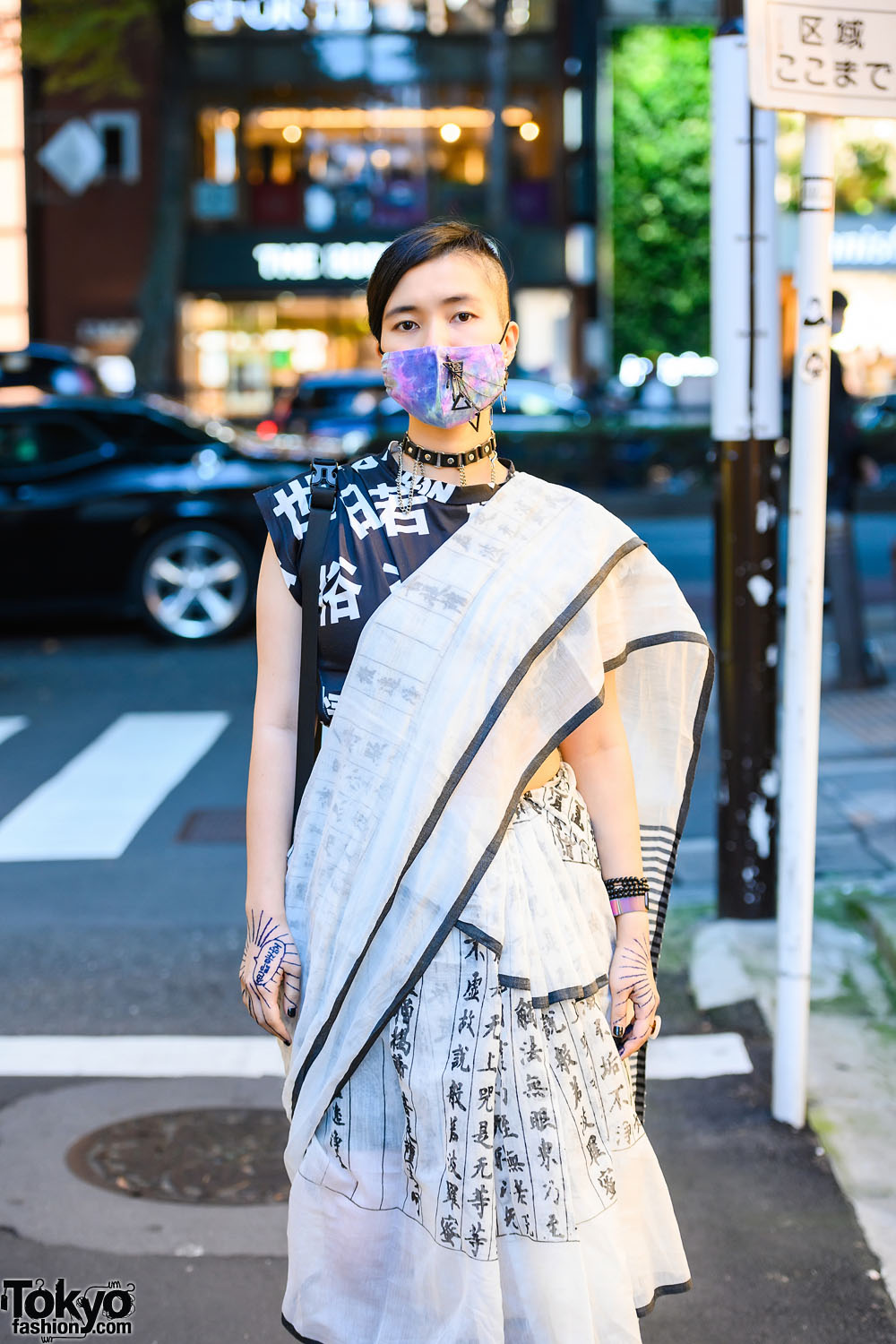
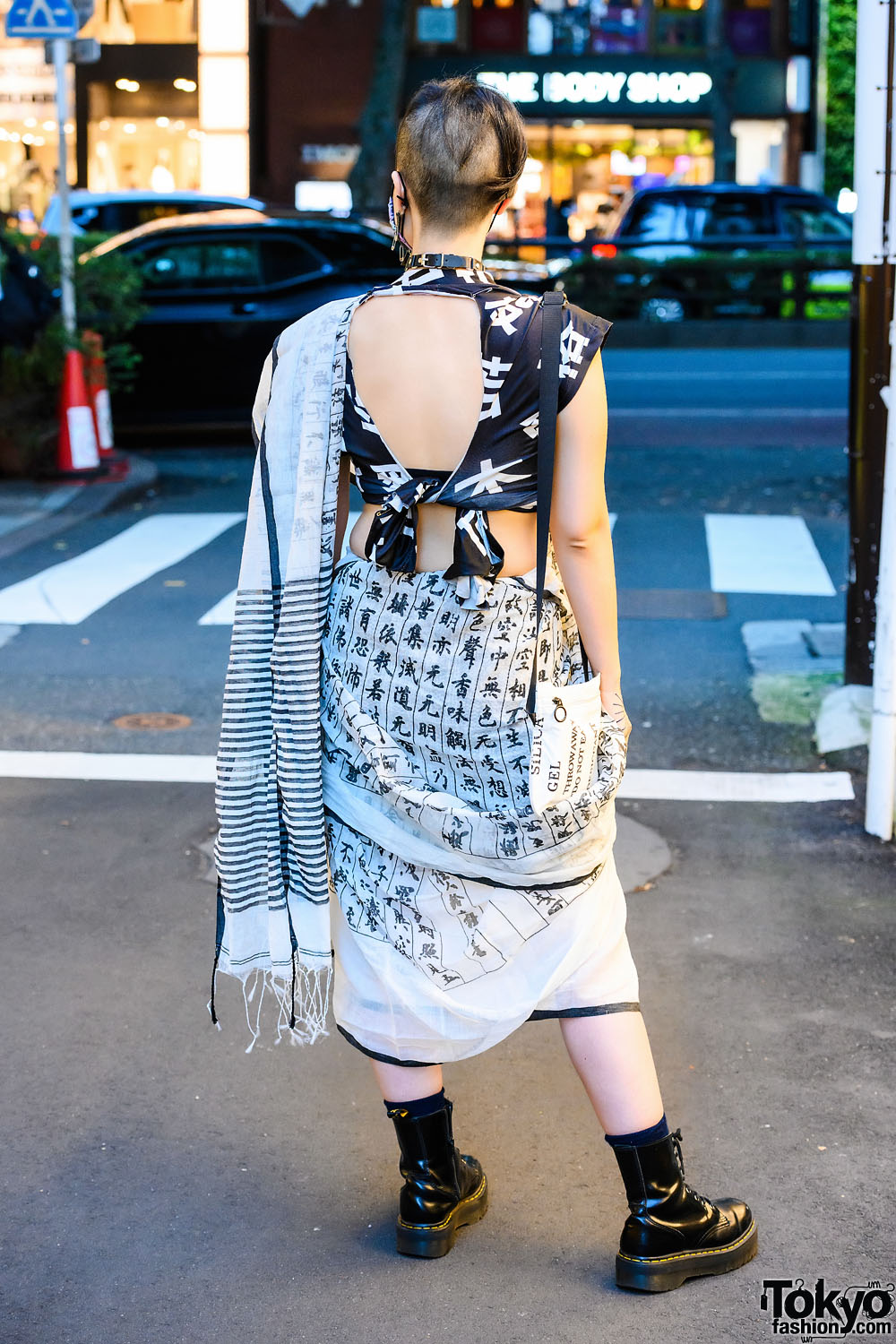
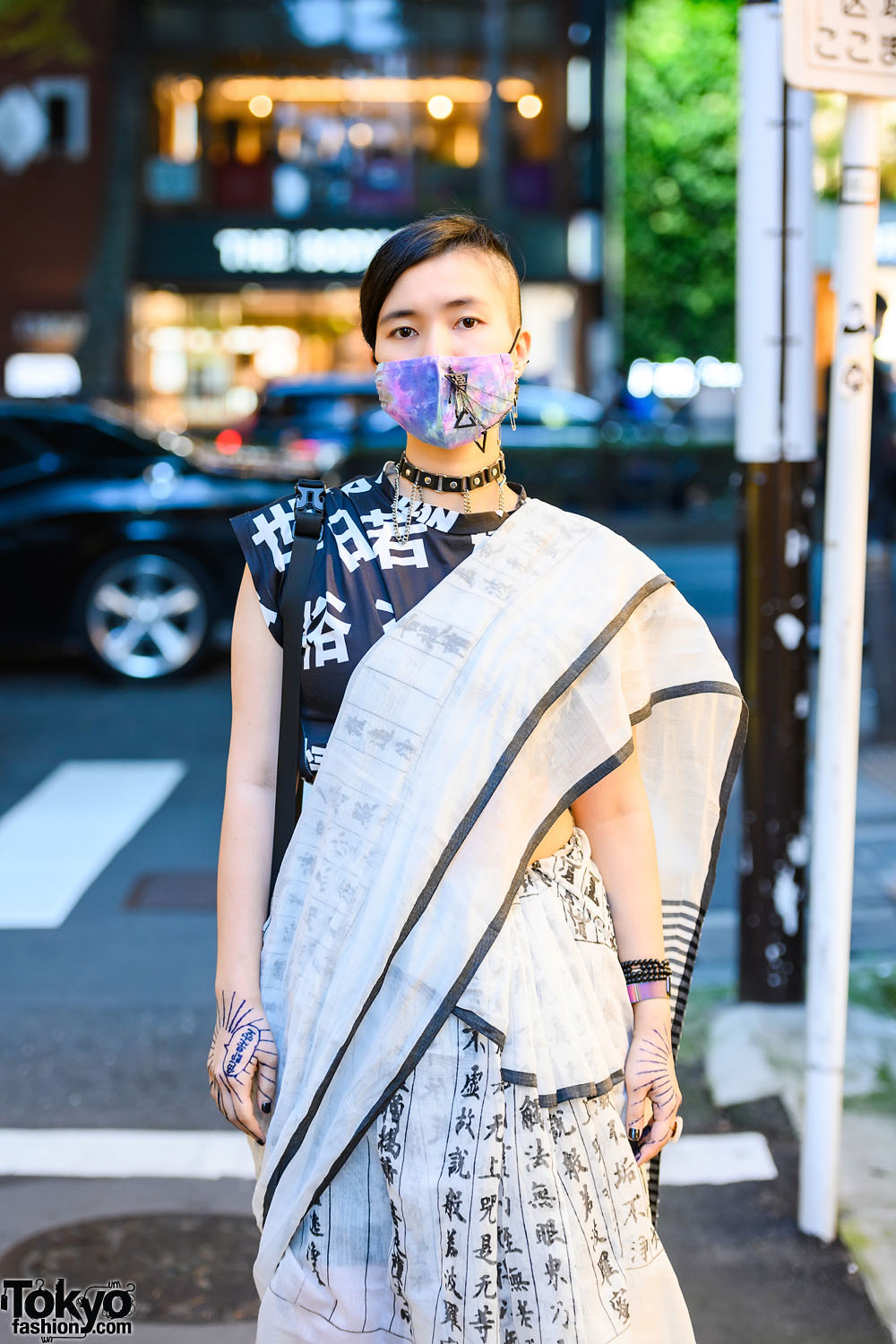
Fatherland India Sari Street Style in Harajuku w/ Shaved Hairstyle, Henna Body Art, ACDC Rag, Gugu Kokura Sling Bag & Dr. Martens

https://ift.tt/3ormk4J

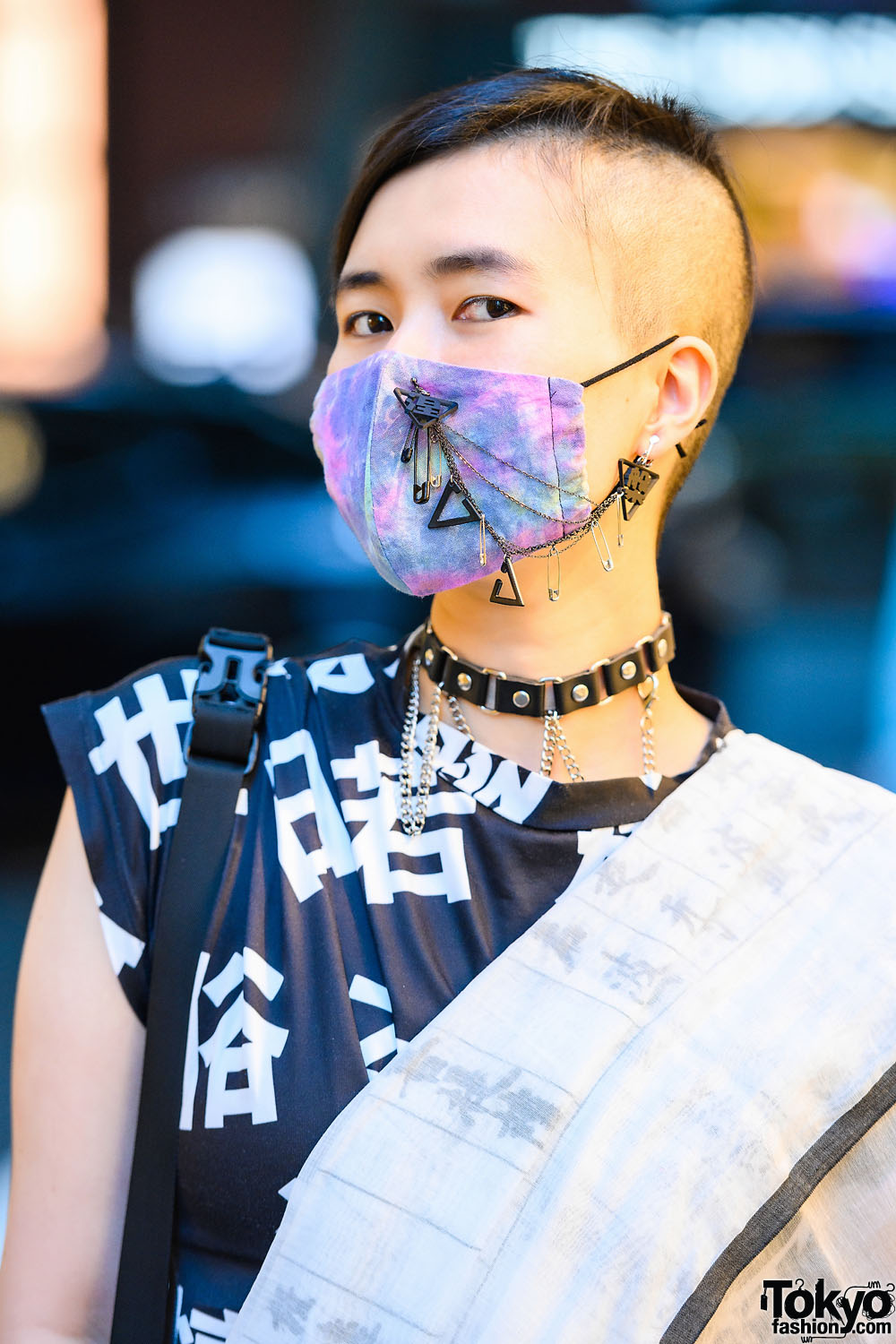
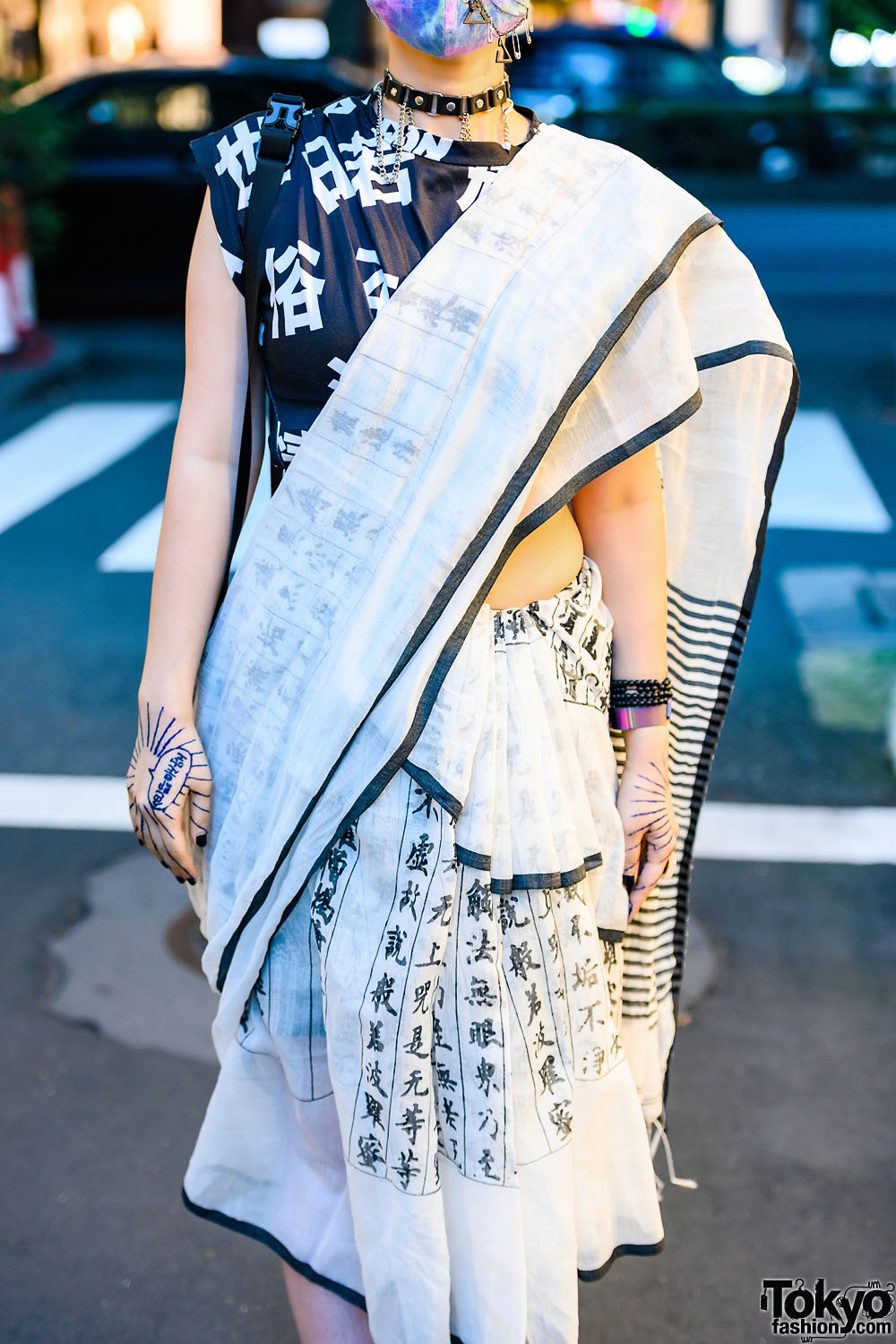
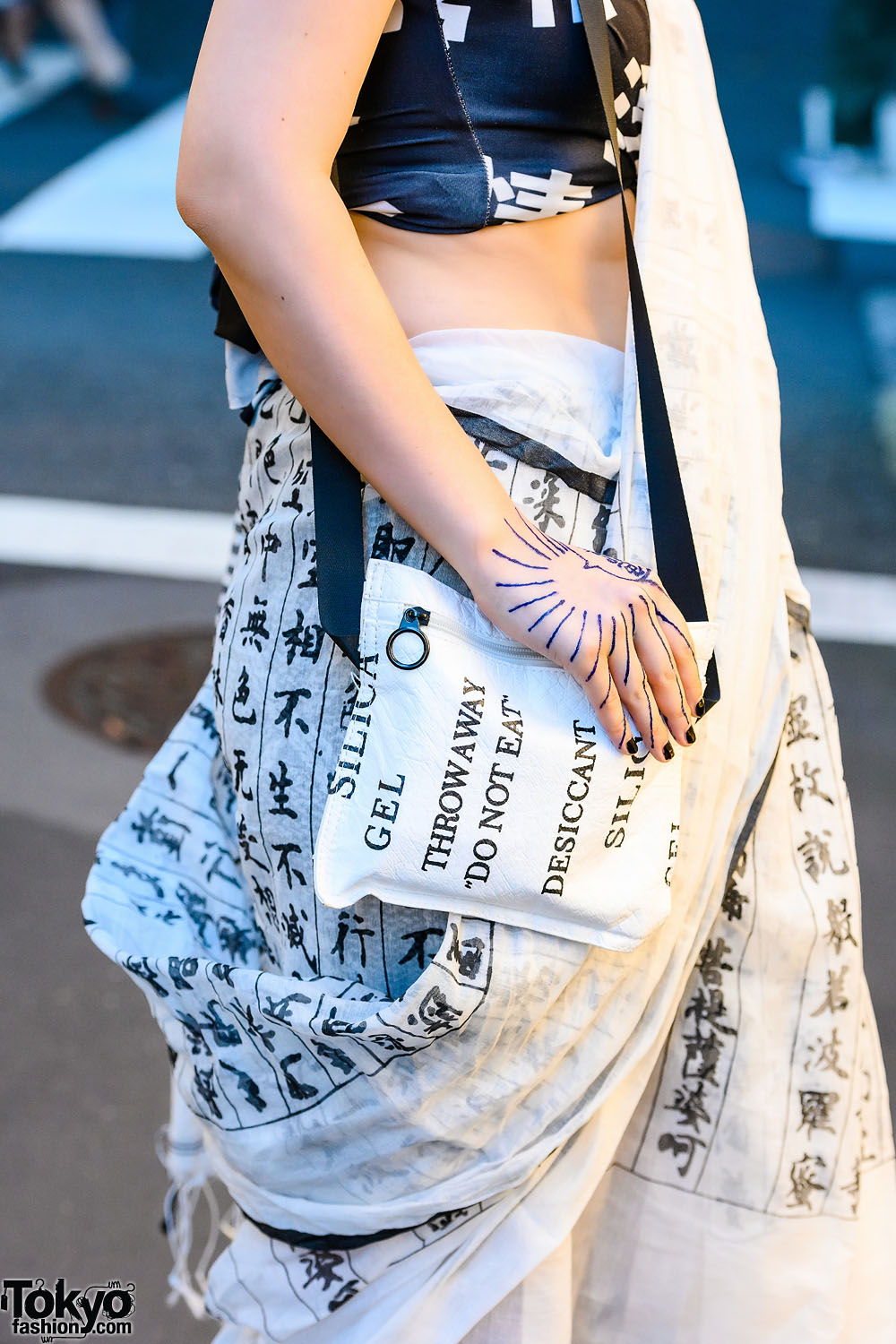
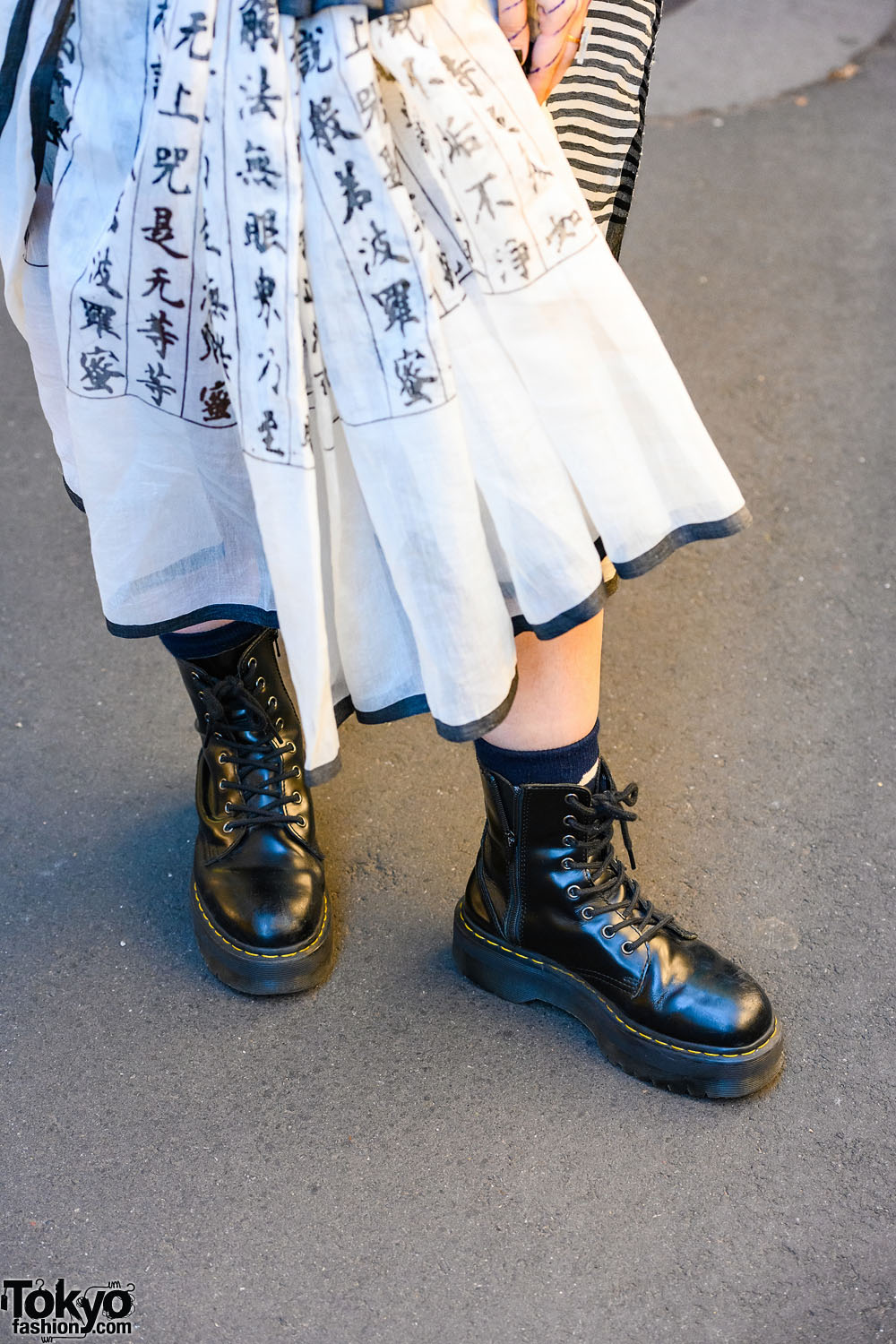
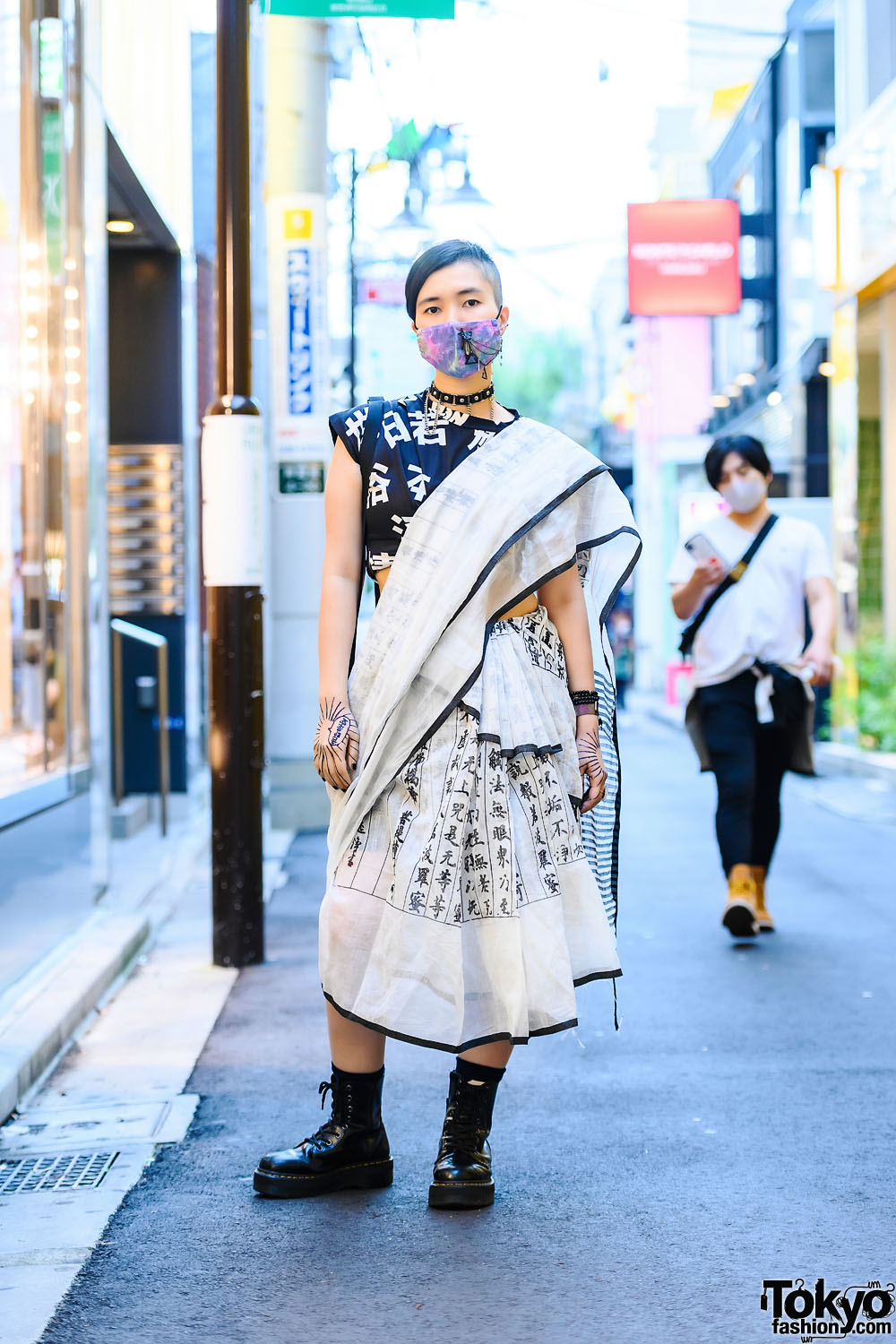
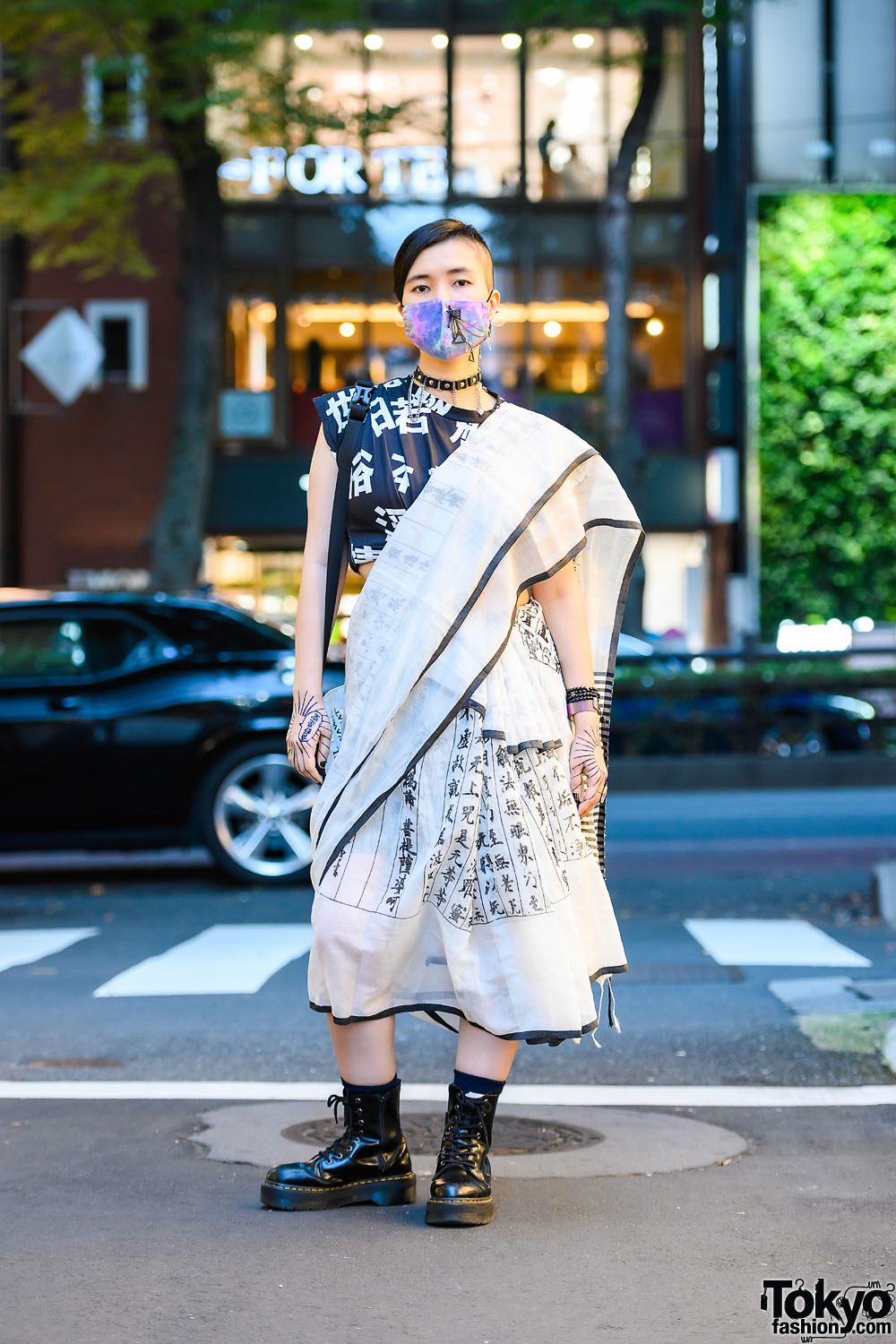
We snapped Yoritam, a Japanese PHD student who caught our eye with their stylish kanji print Indian street style, on the street in Harajuku. Yoritam is known for wearing Indian sari fashion most of the time.

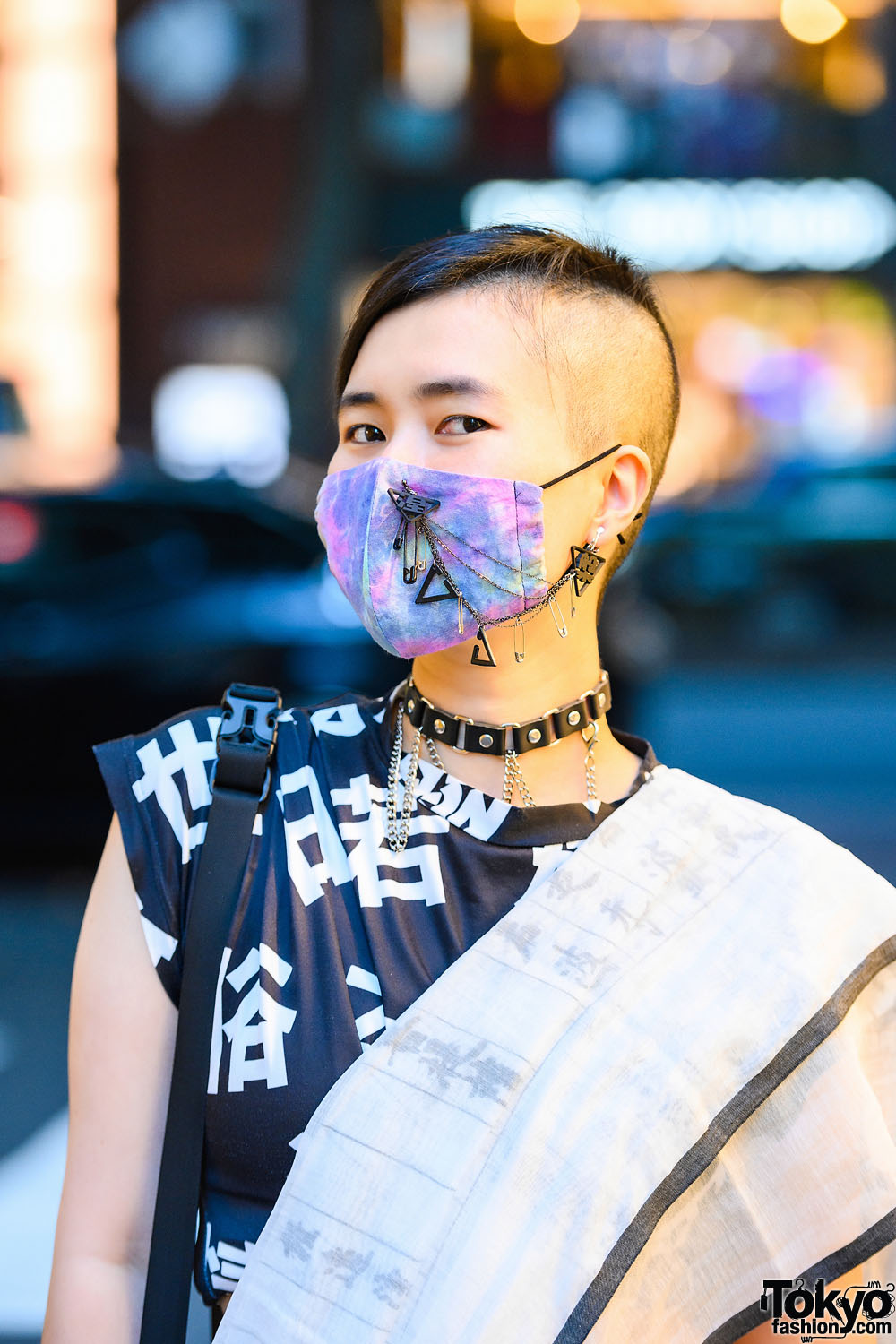
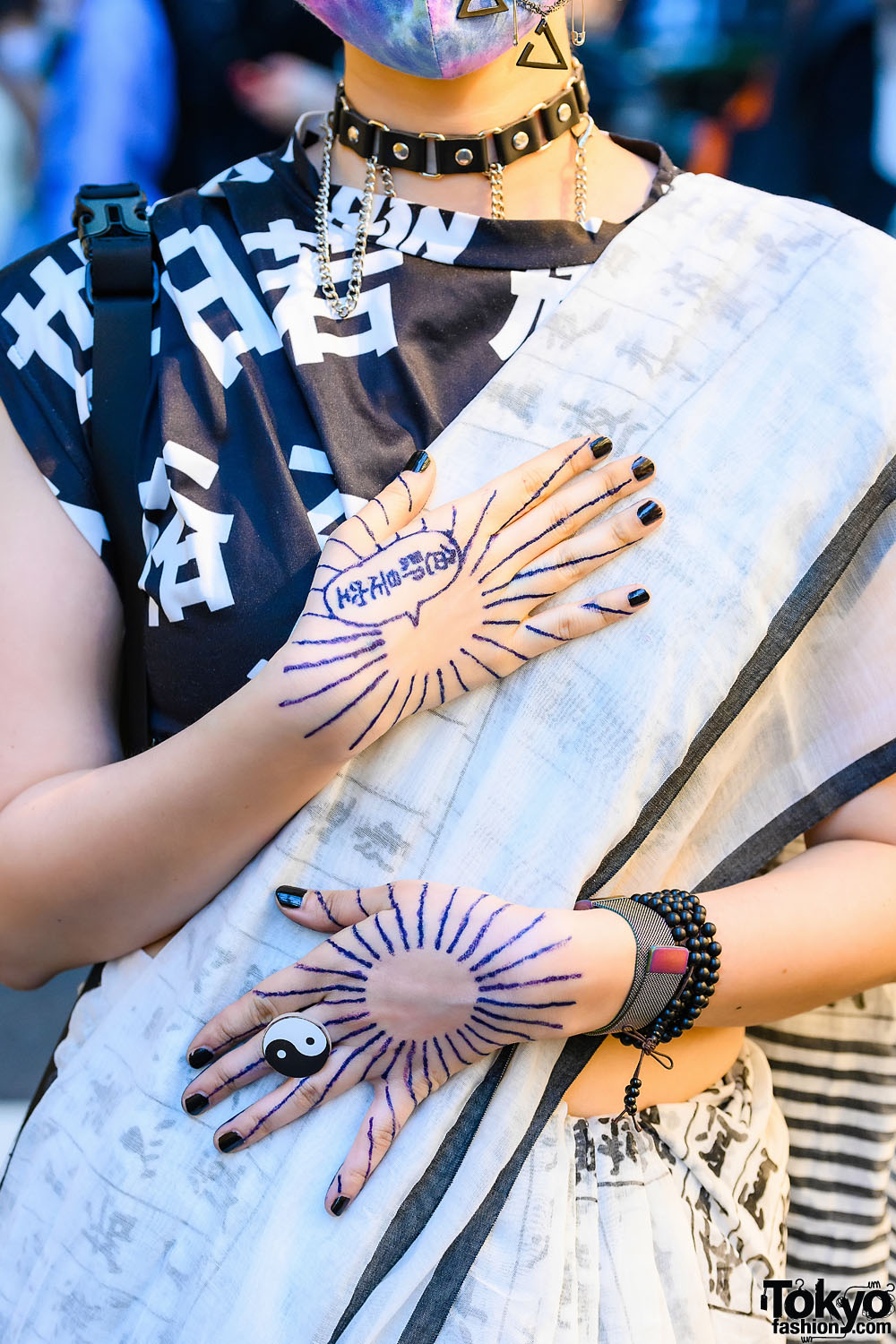
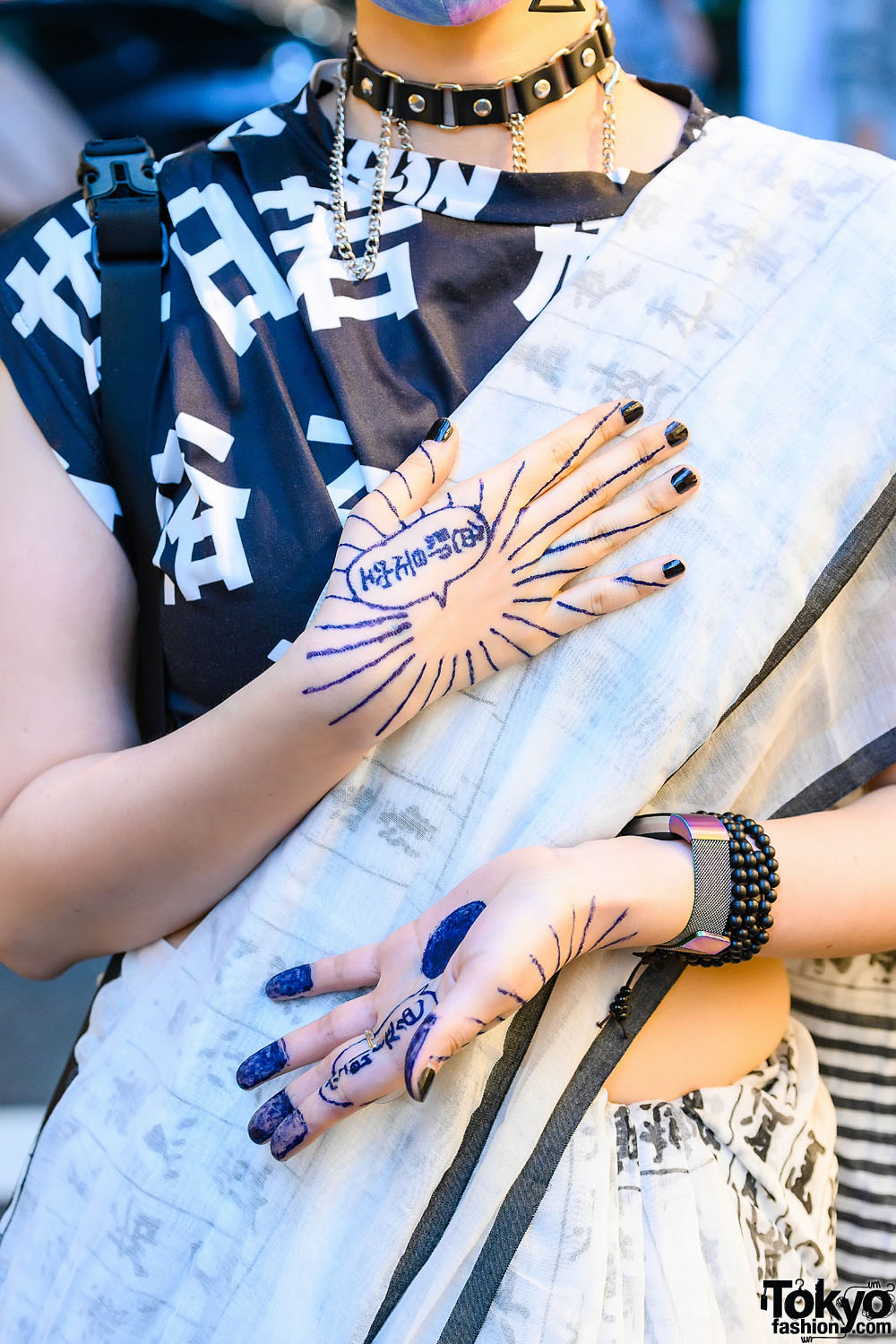
Sporting a short, shaved hairstyle, Yoritam is clad in a black cropped top with white kanji prints from ACDC Rag, which they styled with a Fatherland India monochrome kanji print sari and matching skirt panel. Black Dr. Martens lace-up leather boots, a Gugu Kokura silica gel pack sling bag and accessories such as a tie-dye face mask with safety pin and chain embellishments, a chained leather choker, a beaded bracelet, henna/mehndi body art, and a Yin-Yang knuckle ring rounded out their monochrome style. Most of their accessories are from Mercari.

Yoritam lists Iris Van Herpen and Rahul Mishra as their favorite fashion designers and they enjoy listening to dangdut music. Yoritam is active on Instagram and Twitter, follow them!

Click on any photo to enlarge it.

Tokyo Street Style

Why are some people in Japan paying big money for an old cassette tape?

https://ift.tt/3oyOMBM Katy Kelly

Cassettes are back in style in Japan in a big way, with new releases and people paying premiums for discontinued tapes.

Recently you might find a strange sight if you step inside a thrift store or resales shop inside Japan. You may spot cases of recordable cassette tapes, the ones frequently used from the late 1980s to the early 2000s, lined up on the shelves. Curiously, some of these cases are labeled with price tags that outstrip the cost of an overnight ferry trip across the country. So what’s the deal?

“All the metal particle tapes are wiped out! Social media is incredible!”

The “metal particle” part refers to the kind of tape used in these Type IV recordable tapes and produces the best quality sound. They were the more expensive option even at the peak of the cassette’s popularity, but back then only fetched a few hundred or maybe a thousand yen for a case. Now people will readily hand over 1,000 yen (US$9.59) for a single unused tape.

▼ A Twitter user shows off a collection of blank tapes. (translation below)

“Here are the cassette tapes everyone’s been talking about. I’ve managed to buy about 170 unused tapes since last year.
The metal particle tapes are particularly precious, so I’ve only been able to find single tapes sold for 1,000 yen. Right now I only have about seven of those.
The scary thing is that even though they’re blank tapes, it doesn’t necessarily mean they’re still fit to be recorded on…
So I’ve left them unopened and they’ve become a kind of collection.”

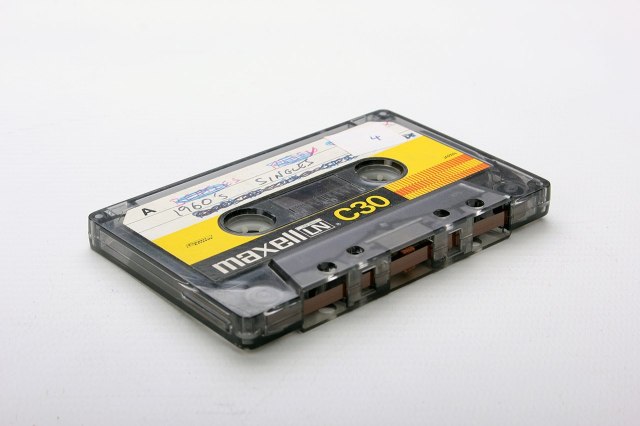
Cassette tapes first began manufacture in Japan in 1966, spearheaded by Maxell. They became hugely popular for their ease-of-use and portability– it was common to spot boombox-toting young people out on the streets with cases of cassettes to play. In 1979, they got another boost in popularity when Sony began selling its portable cassette-player, the Walkman.

▼ From the dark times before we all listened to music on our phones.

Cassette tapes’ biggest commercial year was in 1989 where they saw sales of over five hundred million!

As previously mentioned, the highest-grade of cassette tape was the metal-particle variety. Sadly, this production of this kind was discontinued in 2001. Maxell is now the sole surviving distributor of cassettes within Japan, shifting around 8,000,000 tapes (exclusively Type I/Ferric/normal tapes) per year.

Recently, though, and perhaps partly because of their scarcity, cassette tapes have become more popular with young people. The tactile aspect of holding a physical release in your hands and the slightly imperfect warmth of the sound recorded onto these tapes all result in a quiet legion of devoted fans, both young and old. Some new songs are even being released specifically in a cassette format.

Ai Furihata, a singer and voice actress, released her new album on cassette format.

▼ One of the Girls und Panzer movies came with this bonus tape of a song sung by one of the characters.

But the appeal of cassettes isn’t just limited to its practicality. They’ve joined VHS tapes to become something of a style symbol in themselves, representing 20th-century vibes and nostalgia with their chunky plastic cases, small ridged “eye” holes, and spools of clear tape.

▼ These BanG Dream! train pass cases are fashioned to resemble cassette tapes.

In an increasingly digital world, it’s little surprise that some dedicated fans of music want to hold on to these little relics of the past — both metaphorically and literally. Maybe in 20 years or so we’ll see a dramatic resurgence of classic iPods? We’ll just have to wait and see!

Source: NHK News Web
Top image: Wikimedia Commons/stuart.childs

● Want to hear about SoraNews24’s latest articles as soon as they’re published? Follow us on Facebook and Twitter!

Rice made out of soybeans is coming

https://ift.tt/3aiWZ7Y Master Blaster

Finally, a rice for vegetaria… Hey, wait a minute.

Soybeans never cease to amaze with their versatility, resulting in such wonders as soy milk, soy meat, tofu, miso, and even natto for those who enjoy punishing themselves. With its high protein content it’s also a great supplement for those who forego meat in their diet.

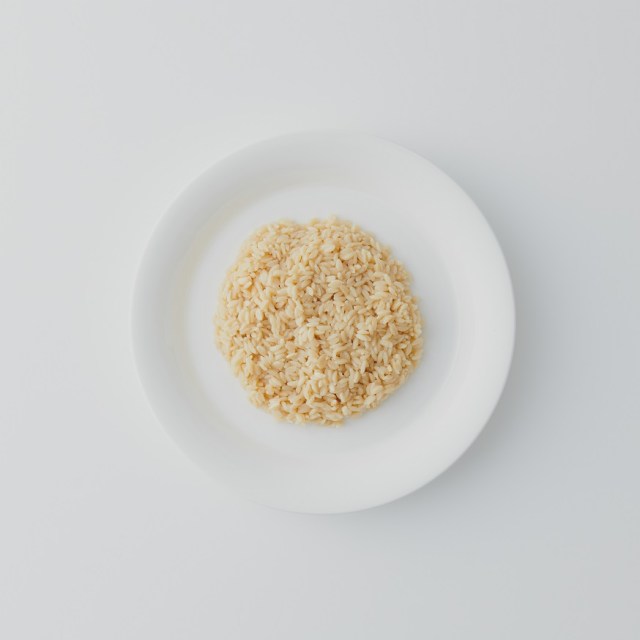
As the final product can vary greatly, soy seems fearless in its attempt to replicate other existing foods, and now it’s ready to really take on a big dog of Asian cuisine. Major Japanese bean-monger Fujicco has announced the development of a rice substitute made from soybeans which they call “daizu rice” which literally means “soy rice” in English.

The similarities with real rice only go about as far as appearances though. Fujicco designed it to have a subtle sweetness in the neighborhood of rice, but with the general flavor of soybeans. Also, while rice is high in carbs and low in protein, soy is quite the opposite.

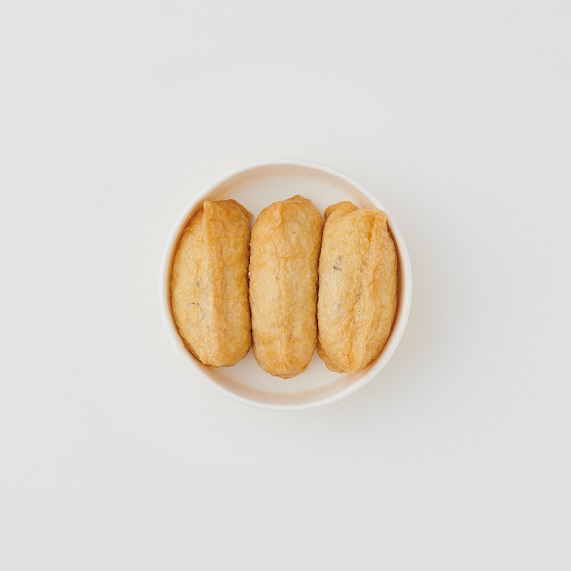
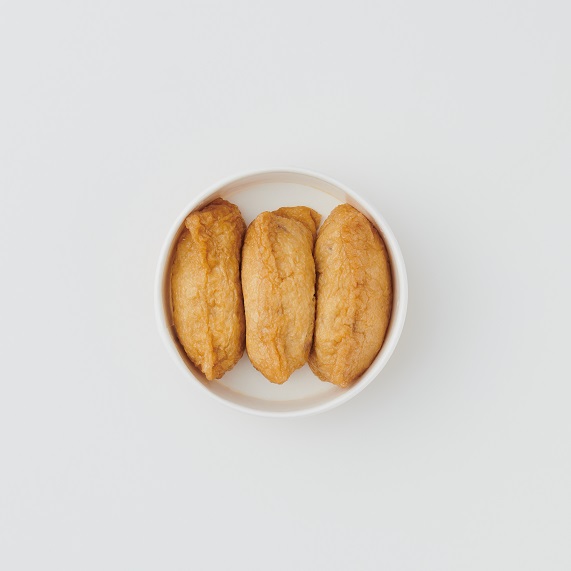
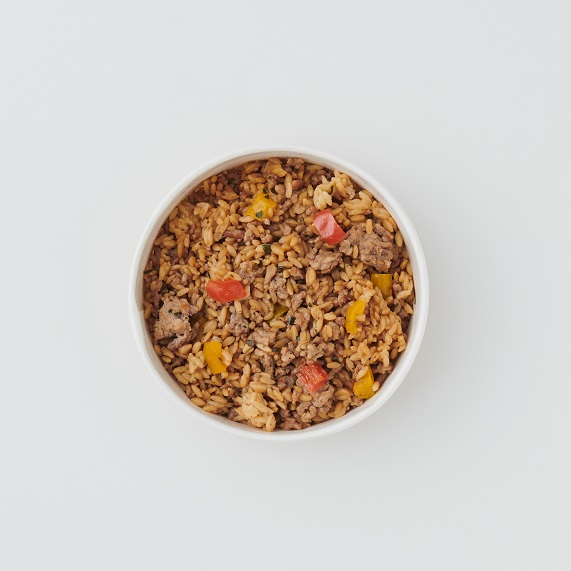
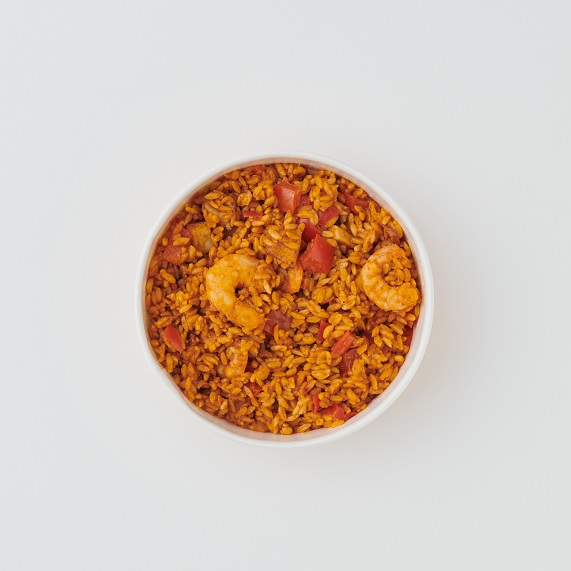
This is the point that has made this development very popular with the weight-conscious in preliminary market research. However, to see more about how this soy rice goes over with the general public, Fujicco launched a crowdfunding campaign on 26 January, offering a sneak-taste of daizu rice. It looks like it went over quite well too, because only about a day after launching, they handily smashed their stated goal of 500,000 yen (US$4,800). Those who pledged will receive a set of five frozen dishes containing daizu rice which in addition to the plain version seen above, include the following.

▼ Black sesame inari sushi

▼ Ume inari sushi

Phat kaphrao

Tom yam

It’s a good idea since people might not know what to do with this never-before-seen product in terms of serving. After sampling the pre-made dishes, they can then try to invent their own daizu rice masterpiece.

For those of us who weren’t lucky enough to get in on the crowdfunding ground floor, daizu rice looks like it will get a wider release a little later this year, as Fujicco’s newest brand Beanus! This name is the natural result of combining “beans” and “us,” or in other words: Bean + us = Beanus.

▼ C’mon baby, bean with us.

And you know what? I like idea of this product so much that I’m not even going to make fun of that name… I’m just going to say it’s a good thing this rice isn’t made of peas, and that’s it.

Source: PR Times, Campfire, Beanus, Netlab
Images: PR Times
● Want to hear about SoraNews24’s latest articles as soon as they’re published? Follow us on Facebook and Twitter!

How to use Japanese convenience store Lawson’s self-checkout terminals

https://ift.tt/3aeaIx9 SoraNews24
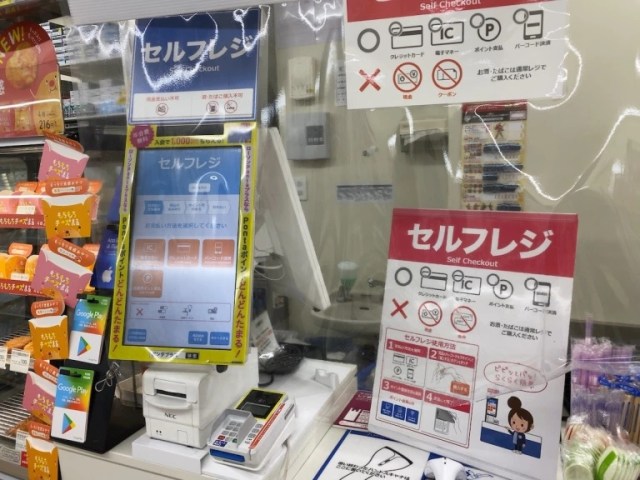
Speedy and convenient, the payment option is no snack run speedbump.

Convenience stores are like oases dotting the Japanese landscape, filled with all sorts of tasty food and drinks. Another thing you’re increasingly likely to find inside, though, is a self-checkout register.

Such systems have taken a while to catch on in Japan, but more and more convenience stores are installing them. So on a recent shopping run to our local branch of convenience store chain Lawson, we decided to make use of their self-checkout terminal and skip the regular checkout line.
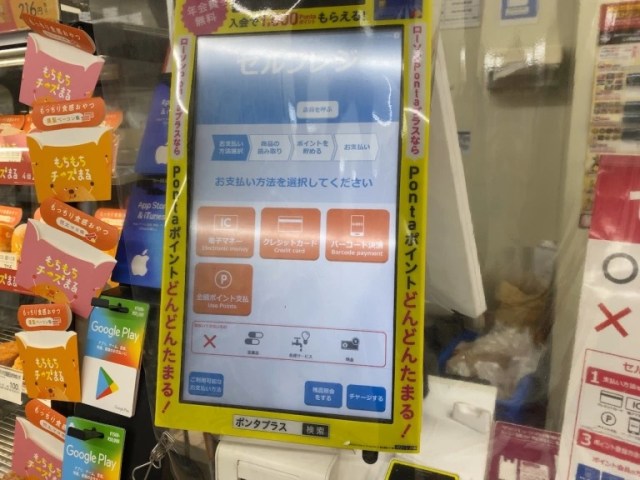
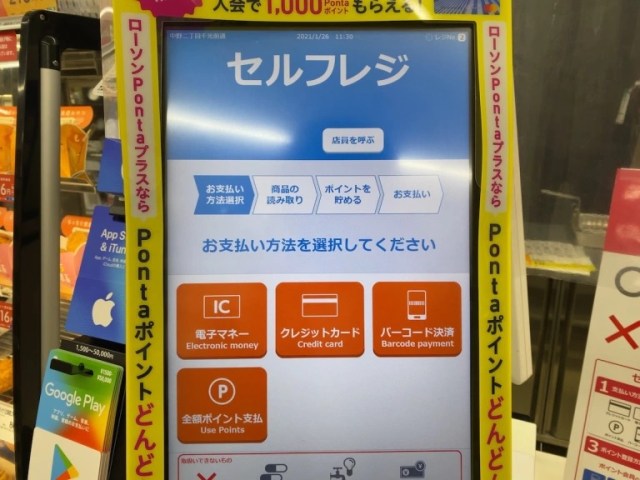
The terminal has a touchscreen, scanner, and card reader. To get things started, you tap on the corresponding button to select your payment method: electronic money, credit card, a smartphone barcode payment app, or Lawson loyalty points.
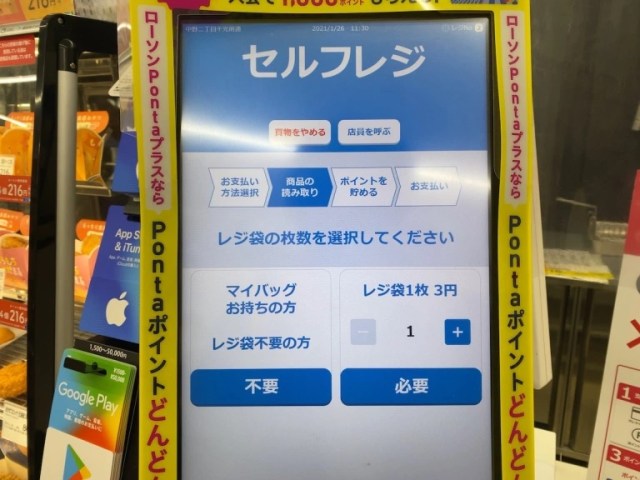
Last year new regulations started requiring stores in Japan to charge for shopping bags, so the next question is how many bags you need. Lawson charges three yen (about three cents U.S.) per bag, and you can select the number by tapping the plus and minus buttons under the text レジ袋1枚 3円, then tapping the button that says 必要. On the other hand, if you’ve brought your own shopping bag or simply don’t need one at all, tap 不要.
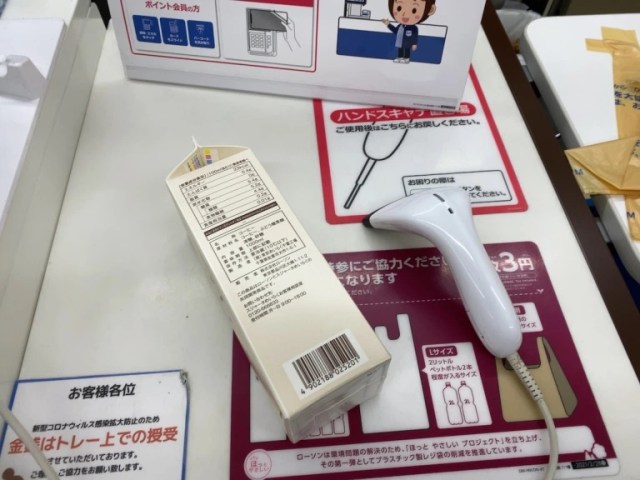
Then it’s time to start scanning your purchases. Attached to the terminal is a barcode reader, so just point it at the code on each item’s package.
Onscreen you’ll see a running tally of the number of items you’ve scanned, the amount of sales tax on them, and you current total.

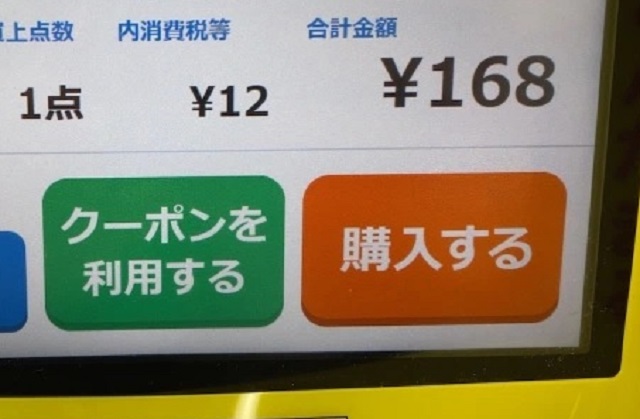
▼ For example, here we’ve scanned one item, with sales tax of 12 yen, for an after-sales tax total of 168 yen.
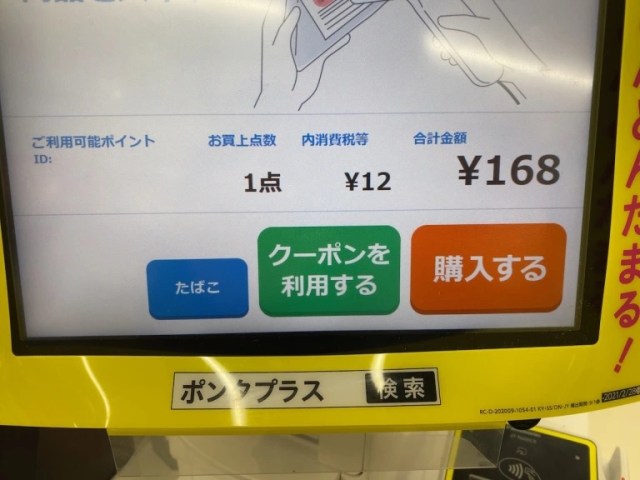
Once you’ve scanned everything you’re buying, tap the orange “purchase” (購入) button.
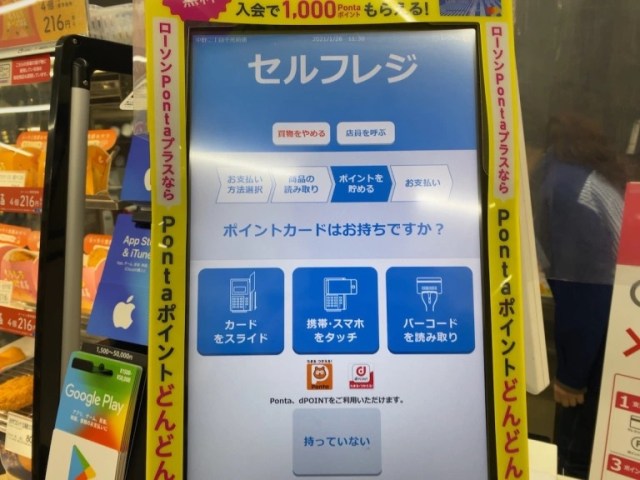
Next comes the loyalty point part of the transaction. If you’ve got a Lawson Ponta or D Point membership, you can slide the card through the reader (after tapping the left blue button), scan its barcode (right button), or tap your phone on the receptor if you have it linked to your account (center button), and you’ll get whatever points you’ve earned through this purchase. If you don’t have a membership, simply tap the gray button that says 持っていない.
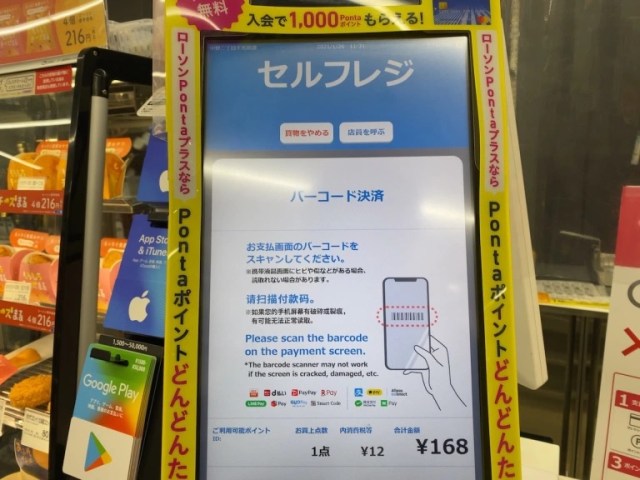
That brings us up to the final step, swiping your credit card, tapping your electronic money card, or scanning the barcode for your mobile payment app.
And with that, the virtual clerk thanks you for your patronage and reminds you to make sure you don’t forget your phone, card, or any other belongings as you leave.
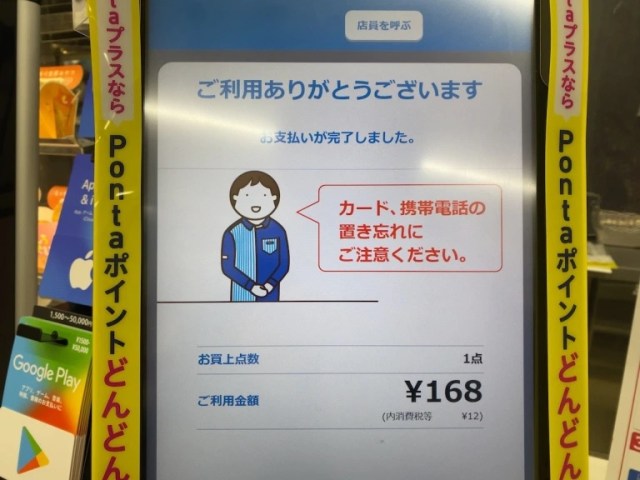
All in all, it’s a speedy efficient process. Really the only downside is that Lawson’s self-checkout system doesn’t let you pay with cash, but with prepaid train fare cards like Japan Railway’s Suica doubling as electronic money cards, that’s not such a big problem, and if the end result is speedier shopping and less loose change rattling around in our pockets, it’s a tradeoff we’re happy to be able to choose.

Photos ©SoraNews24
● Want to hear about SoraNews24’s latest articles as soon as they’re published? Follow us on Facebook and Twitter!

Mos Burger brings out a Mac and Cheese burger in Japan

https://ift.tt/36qX5cC Oona McGee

New burger comes with a special cola designed to complement mac ‘n’ cheese. 

When foreign fast food chains like McDonald’s and Burger King start teaming up with temples and manga greats for tantalising new releases, home-grown chains like Mos Burger are forced to up their game as well.

Second only to the Golden Arches in popularity, Mos Burger really does know how to slay the competition though, and they’re doing that right now with the announcement that they’ll be releasing a new burger containing a western favourite: mac and cheese.

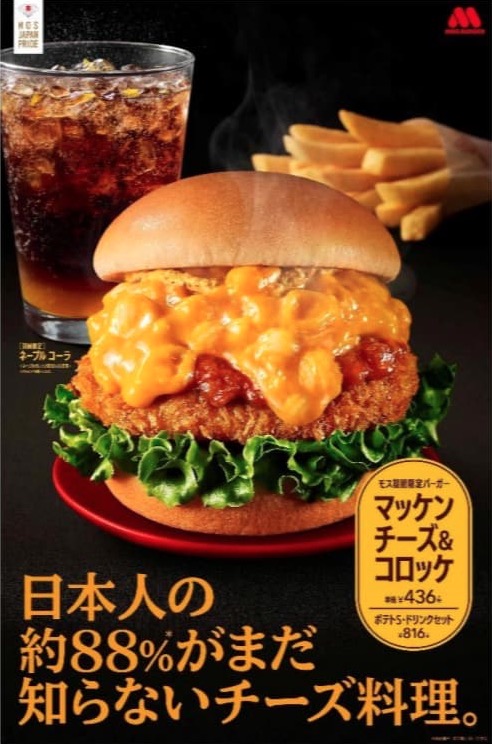
▼ The promotional poster for the new menu item comes with the tagline, “A cheese dish 88 percent of Japanese still don’t know about“.

It’s true that mac and cheese–aka mac ‘n’ cheese in the U.S. or macaroni cheese in the U.K.–is a dish that’s yet to become commonly known in Japan. However, Mos Burger is aiming to change all that by easing diners into the world of cheesy pasta deliciousness with the help of a local favourite, the croquette.

The new burger, called the “Mac ‘n’ Cheese & Croquette” combines both western-born dishes together between two buns for a decadent feast. Starting from the bottom, there’ll be a serving of lettuce leaves for freshness, then a creamy potato croquette, followed by a dollop of Mos Burger’s meat sauce, a generous spoonful of mac and cheese, and a dash of wholegrain mustard to finish it off.

To make the burger even more delicious, Mos Burger has designed a special “Navel Cola” to pair with it. Made with cola syrup, unshu mikan (satsuma mandarin), and lemons and navel oranges from Japan’s Setouchi region, an area famed for citrus production, the drink doesn’t just use the juice of the fruits but their pulp as well.

▼ The pulpy, fruity cola has been designed to pair perfectly with the Mac ‘n’ Cheese, helping to cut through the rich flavours.

The cola will be sold in small, medium and large sizes for 213 yen (US$2.04), 269 yen and 334 yen, while the burger will be priced at 436 yen. Like all good things, these new items will only be available for a limited time, at Mos Burger stores nationwide from 10 February until the end of March.

And if you’re looking for another unusual limited-time Mos Burger offering, don’t forget their Dassai amazake milkshakes are still on the menu until early February!

Source, images: Mos Burger Japan
● Want to hear about SoraNews24’s latest articles as soon as they’re published? Follow us on Facebook and Twitter!